A study finds that eating French fries increases the risk of type 2 diabetes, while other potato preparations do not, and replacing potatoes with whole grains can lower risk, highlighting the importance of preparation methods and food choices in diabetes prevention.

A long-term study found that eating French fries increases the risk of type 2 diabetes, while other potato preparations do not. Replacing potatoes with whole grains may reduce this risk, emphasizing the importance of food preparation and substitution choices in diabetes prevention.
A study suggests that eating eggs more than once a week may be linked to a lower risk of developing Alzheimer's dementia in older adults, potentially due to the nutrient choline found in eggs, though causality has not been established.
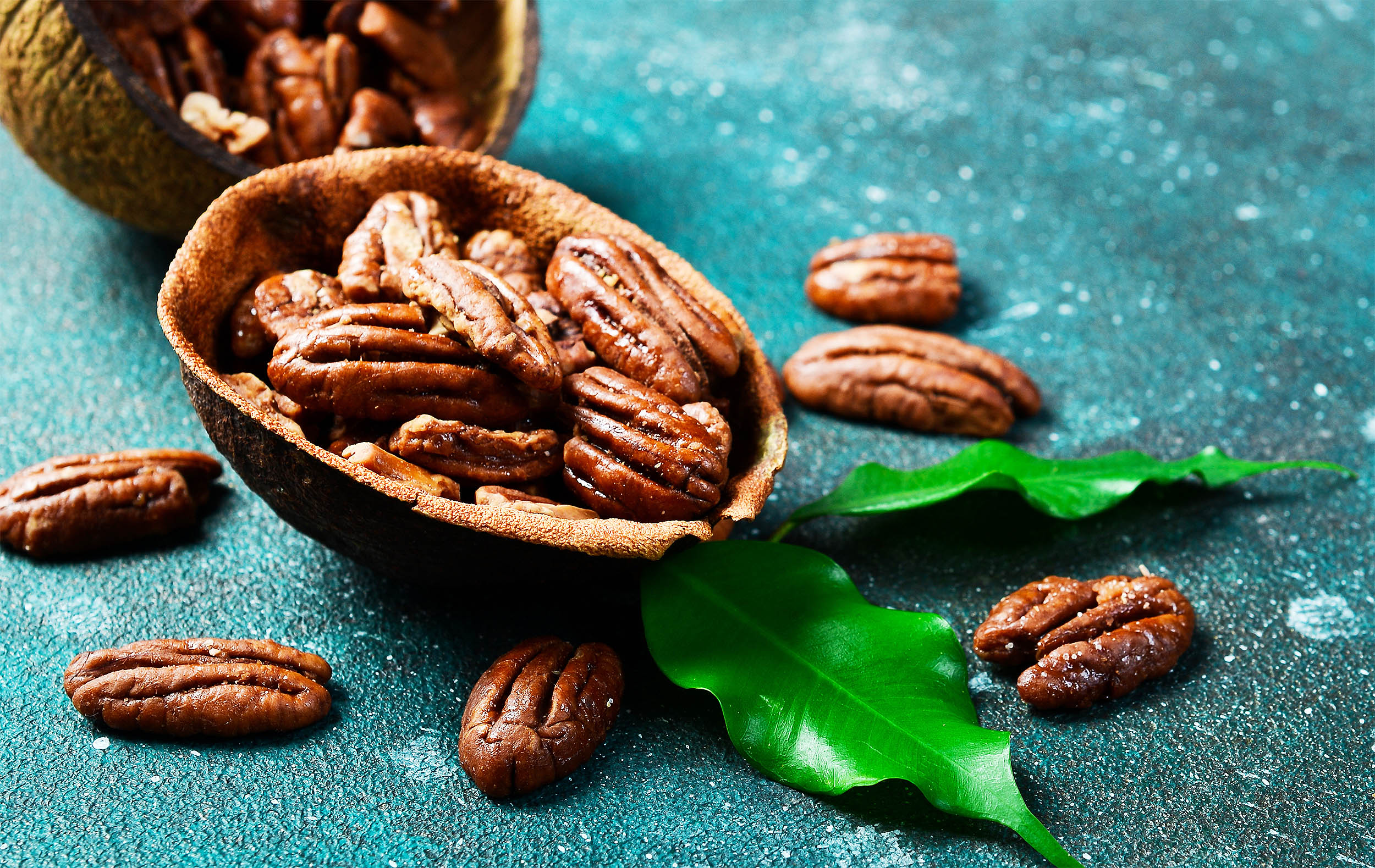
A clinical trial found that eating two ounces of pecans daily for twelve weeks can modestly lower total cholesterol and LDL levels, potentially reducing cardiovascular risk. Pecans are rich in monounsaturated fats, polyphenols, and magnesium, which contribute to improved lipid profiles and overall heart health. Incorporating pecans as a snack replacement can be a simple, tasty way to support a heart-healthy diet, though portion control is important for weight management.
A study presented at Nutrition 2024 by the American Society for Nutrition suggests that consuming ultra-processed foods, such as cheeseburgers and soft drinks, can significantly reduce life expectancy. The research, which analyzed data from over 540,000 participants, found that each cheeseburger could shorten life by nine minutes, while soft drinks, even sugar-free, could reduce it by 12 minutes. The study highlights a strong link between high consumption of ultra-processed foods and increased mortality risk, independent of other factors like obesity or smoking.