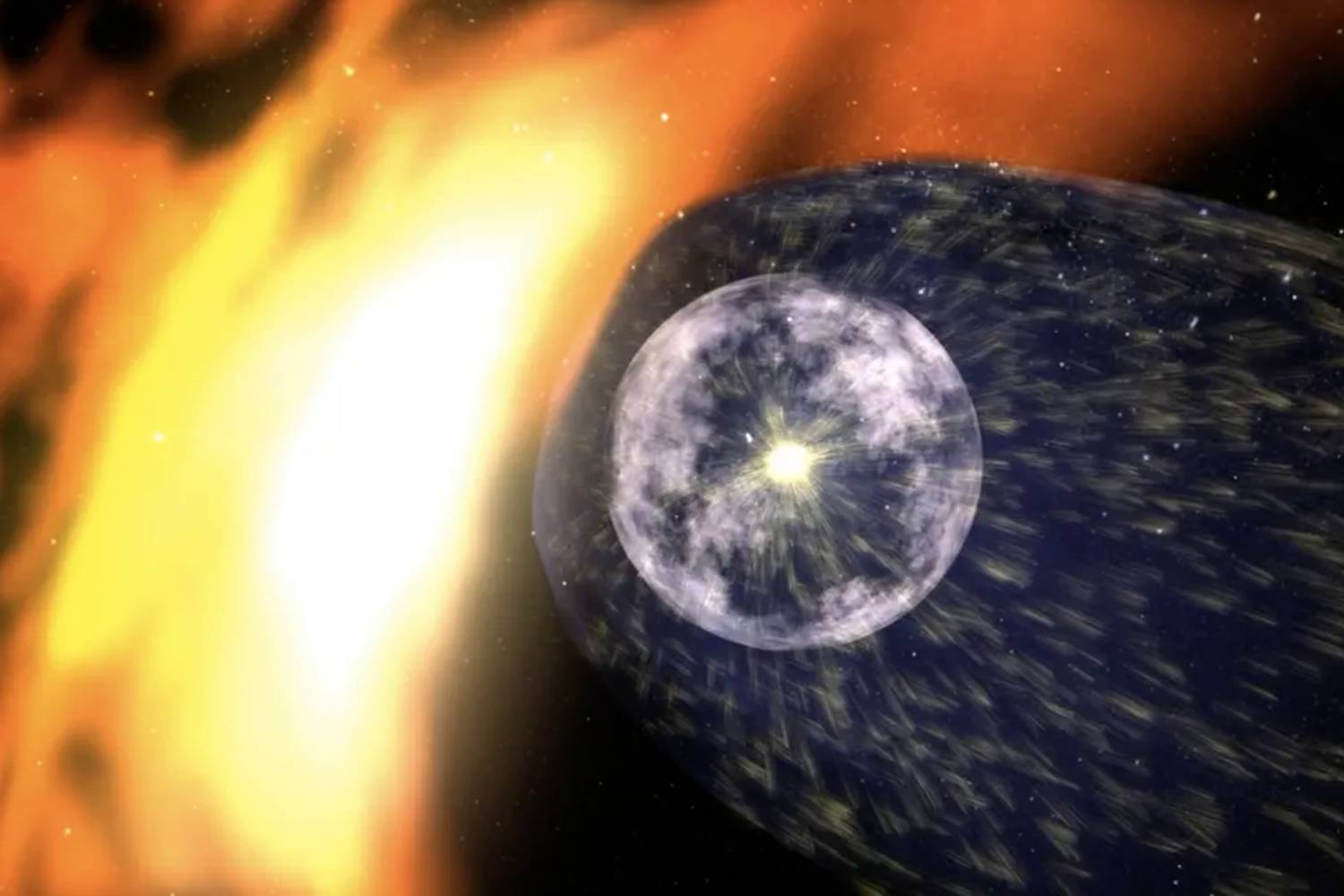
NASA's Voyager probes have crossed the solar system's boundary, the heliopause, and discovered a mysterious 'firewall' region with extreme temperatures and unexpected magnetic field alignments, revealing new insights into the solar system's edge and our cosmic environment.
NASA is celebrating the 48th anniversary of the Voyager spacecraft missions by sharing an archive video of a 1990 press conference, highlighting the spacecraft's historic journey and the iconic 'Pale Blue Dot' image, with hopes that both will soon reach their 50th launch day and continue their journey into interstellar space.
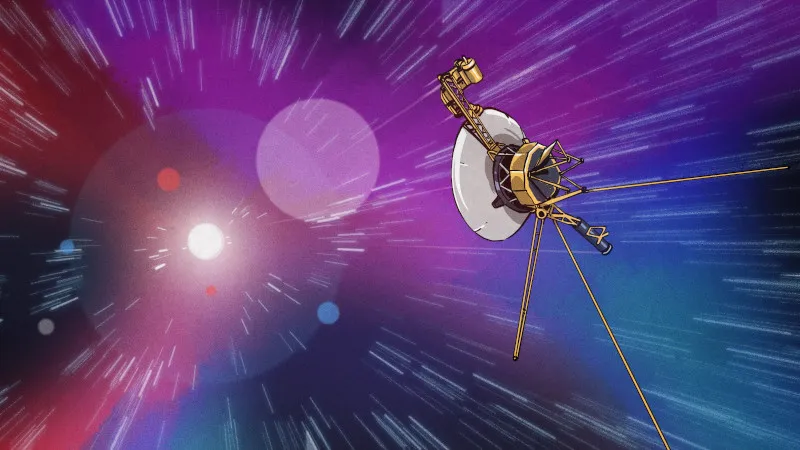
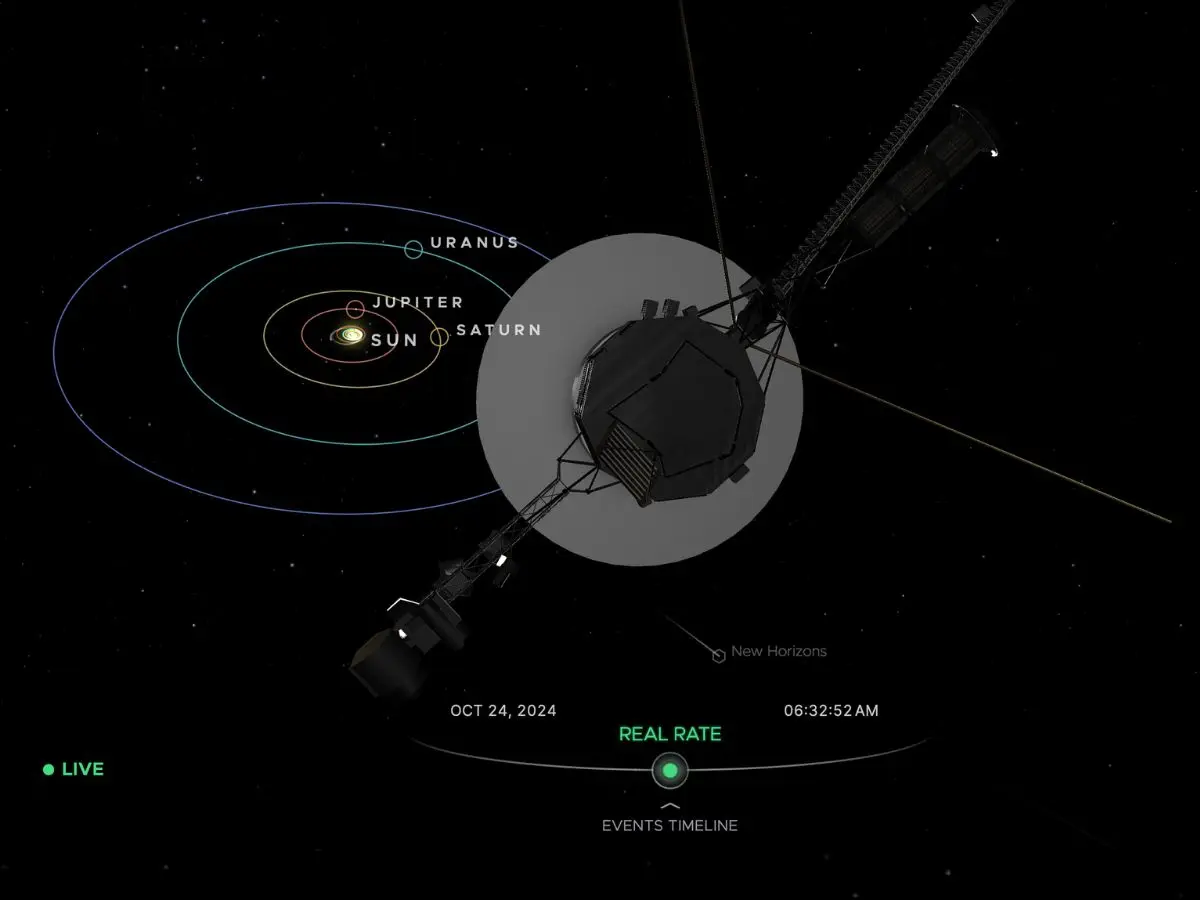
Voyager 2, traveling at 55,000 km/h, would take over 100,000 years to reach Sirius, the closest bright star at 8.6 light years away, and by then it would be a silent, inactive relic of human technology, highlighting the immense timescales involved in interstellar travel.
If Voyager 2 were pulled into a new star system, its trajectory could be altered, potentially capturing it into orbit around a star, interacting with planets, or even colliding with celestial objects. It could also serve as a long-term artifact and a potential interstellar archive, providing valuable data and a lasting human legacy among alien worlds.
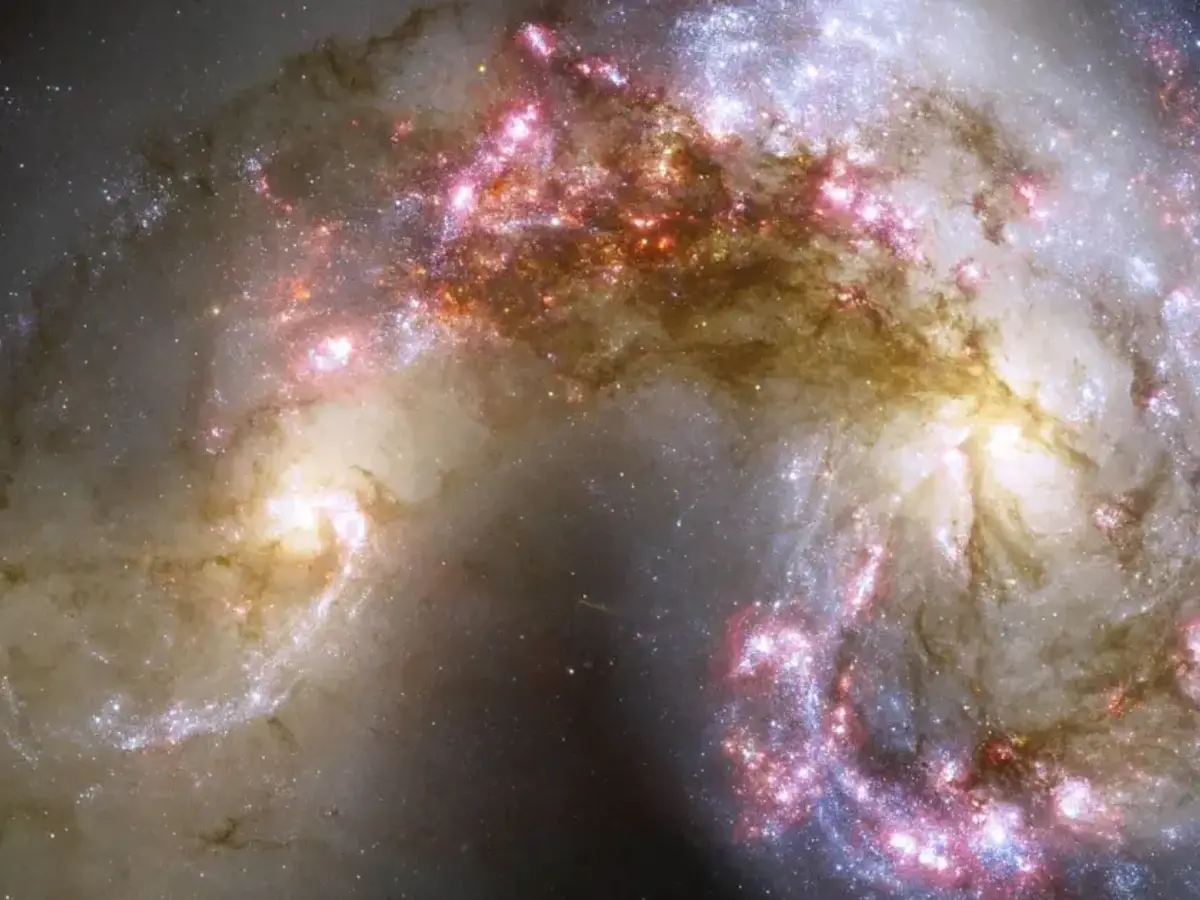
In about four billion years, the Milky Way will merge with the Andromeda galaxy, and while Voyager 1 and 2 will drift in interstellar space long after their power supplies fail, their survival through the collision is uncertain, with risks from stellar encounters, interstellar dust, gravitational deflections, and structural degradation, though they may persist as scattered remnants or debris, symbolizing humanity's first interstellar artifacts.
The article humorously speculates whether astronomers in the year 3025 will detect echoes or signals from NASA's Voyager 1 and 2 spacecraft, highlighting the long-term legacy of these missions and the distant future of space exploration.
Voyager 2's crossing into interstellar space has revealed unexpected findings about the heliosphere's structure, magnetic field alignment, and cosmic ray behavior, raising new questions about the nature of our solar system's boundary and its future evolution.
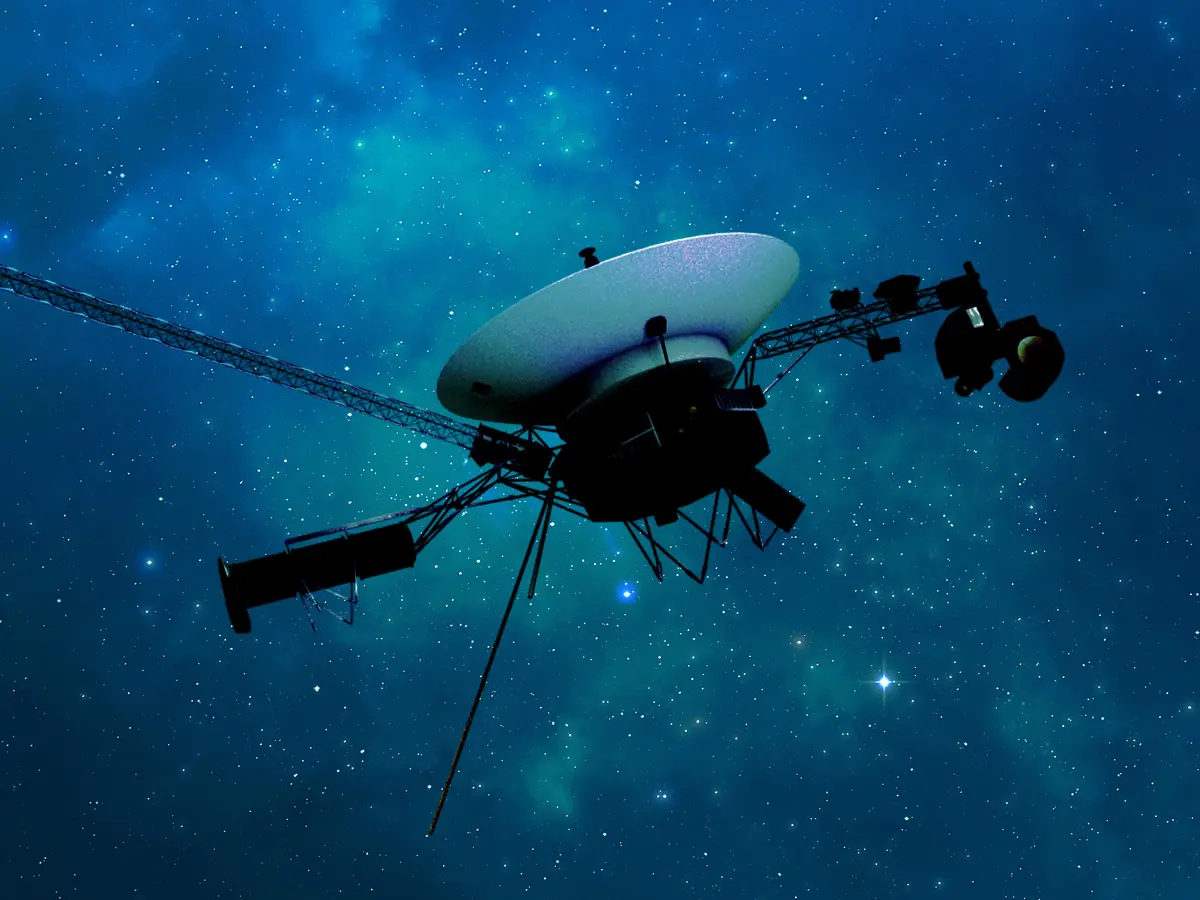
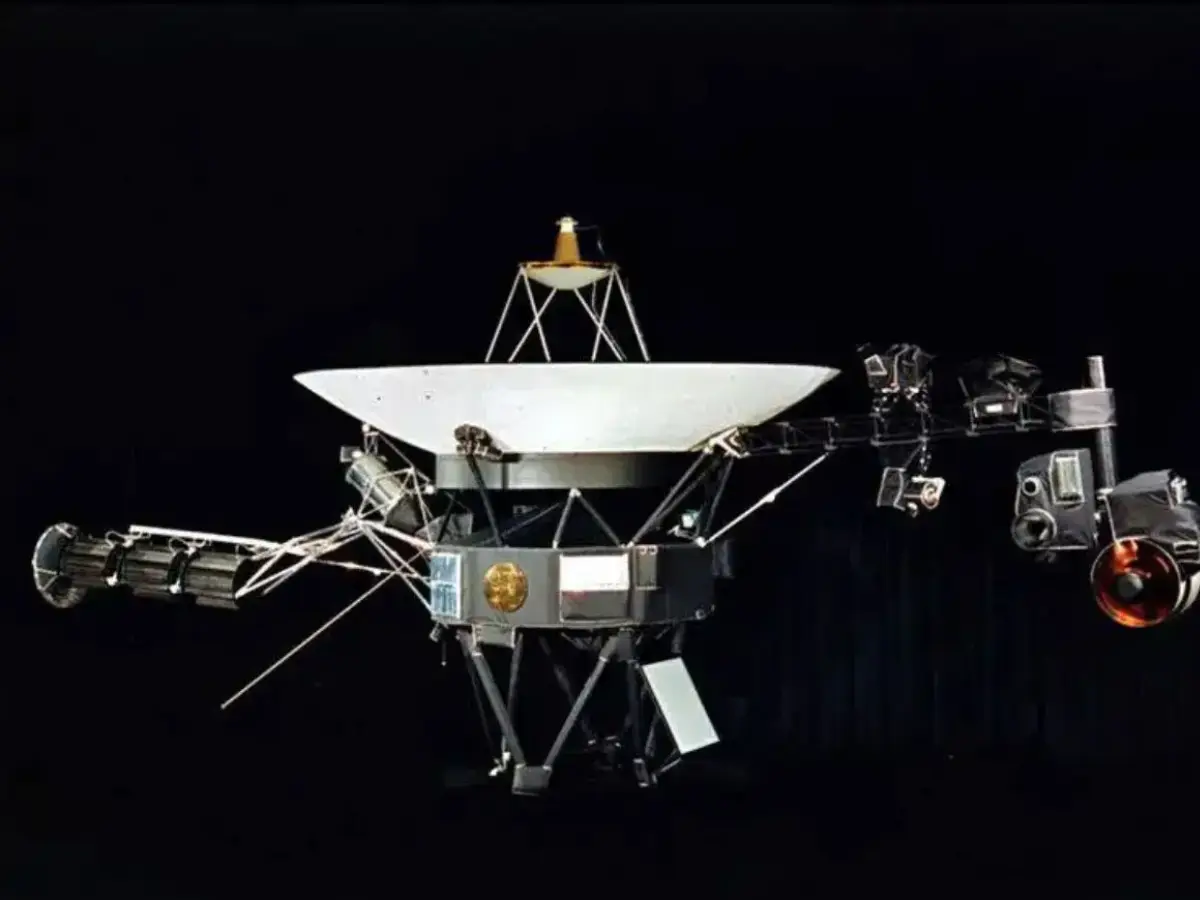
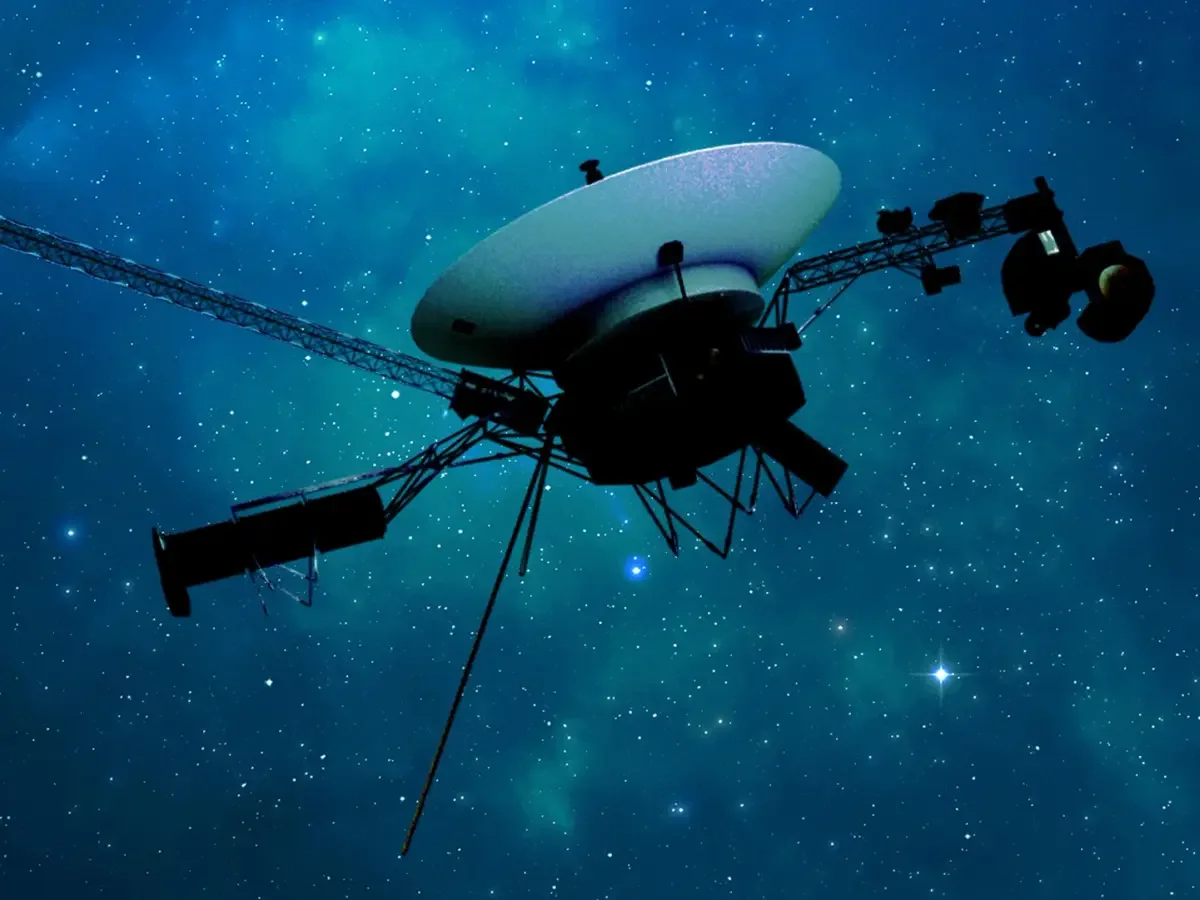
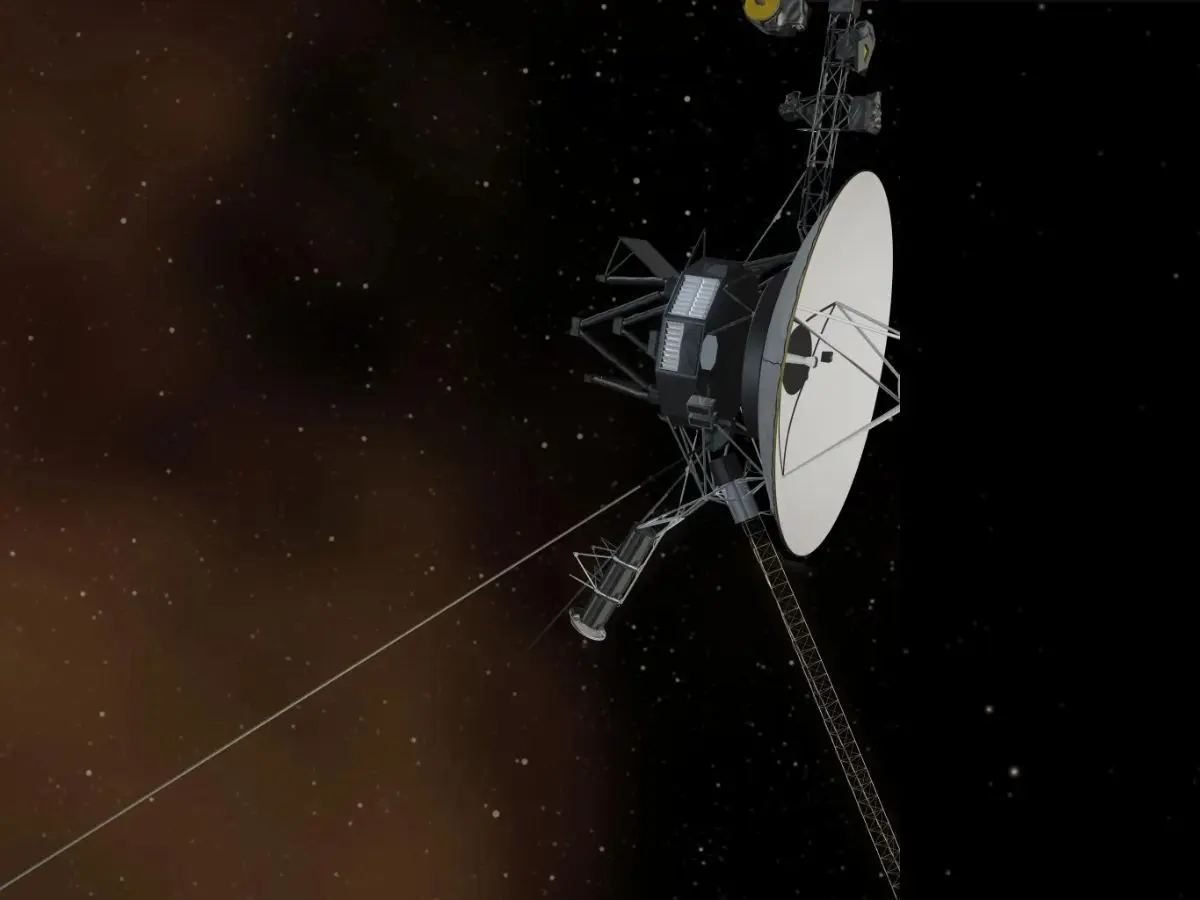
Voyager 2, launched in 1977, continues to explore interstellar space thanks to advanced engineering, including durable instruments, nuclear power sources, and precise thrusters, making it one of the most enduring spacecraft in history.
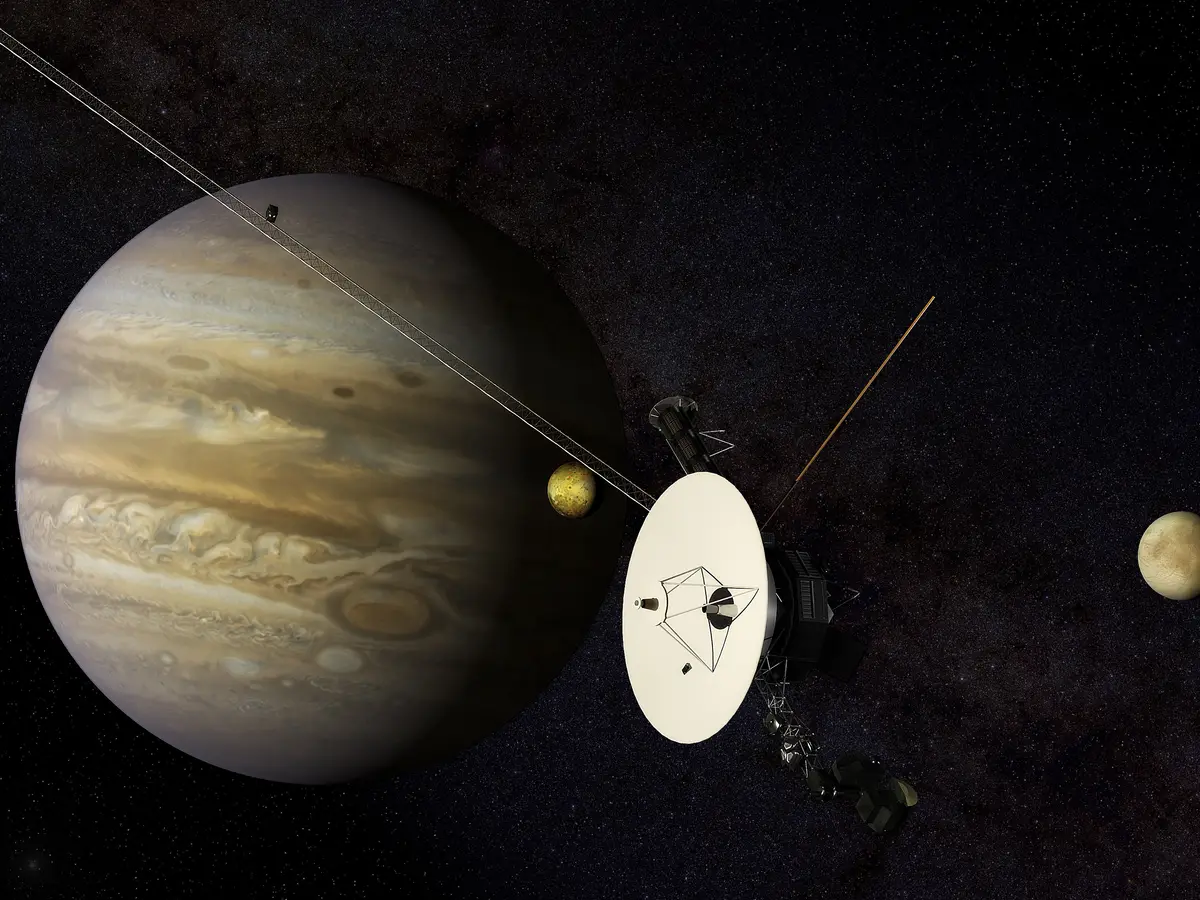
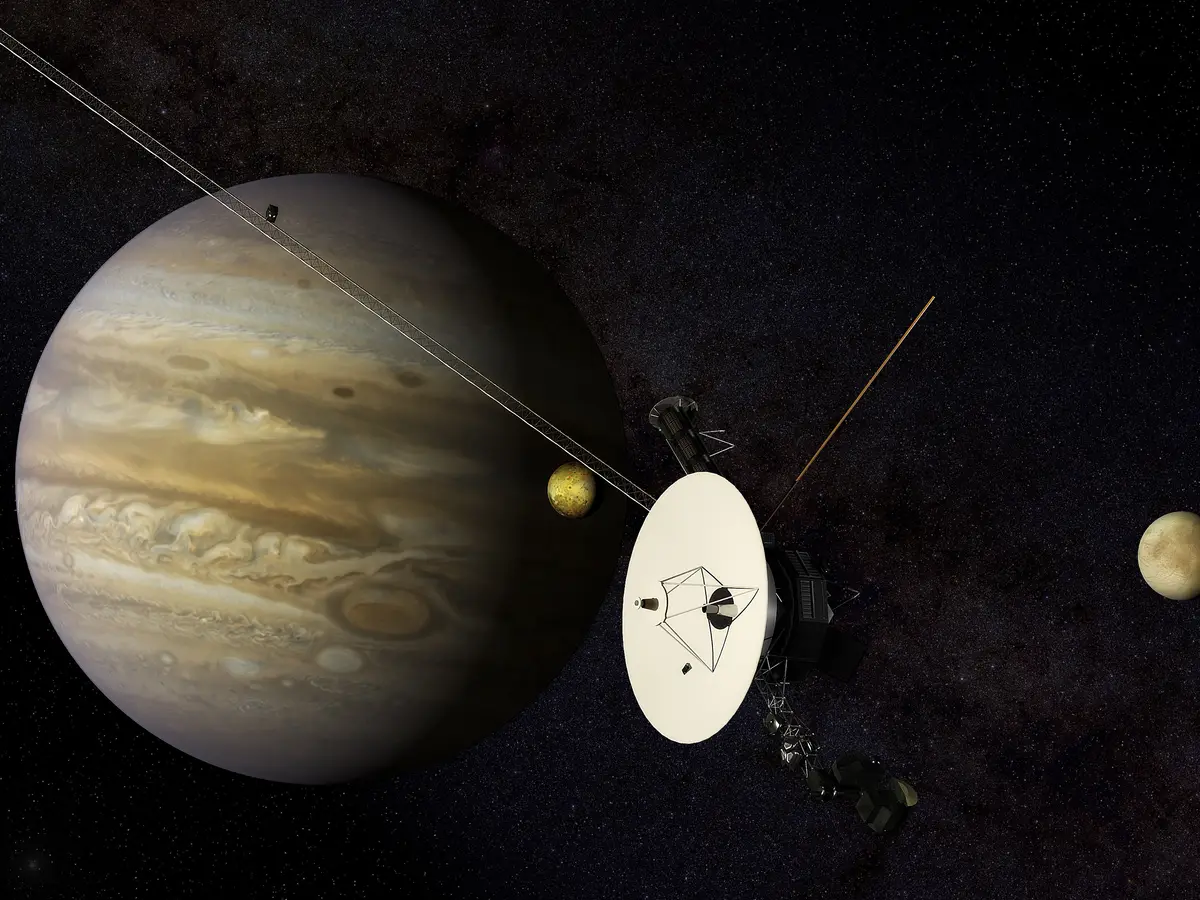
Voyager 2's 1979 flyby provided the first detailed study of Jupiter's Great Red Spot, revealing its massive size, dynamic structure, and longevity, which continues to challenge our understanding of planetary storms, although its size and appearance are still changing today.
In July 2023, NASA's Voyager 2 experienced a critical communication loss due to a misdirected command, causing a two-week silence that was eventually resolved with a powerful 'shout' command, highlighting the fragility of this long-standing interstellar mission.
NASA's Voyager 2 spacecraft was designed for eternal travel, with durable titanium shielding, nuclear power sources, and a legacy record, enabling it to outlast humanity and potentially drift through the galaxy for billions of years, symbolizing human resilience and curiosity beyond our lifespan.
Voyager 2 has faced multiple near-failure incidents over its nearly five-decade mission, including launch glitches, antenna misalignment, spin maneuver failures, power depletion, and instrument malfunctions, yet it continues to send valuable data from beyond our solar system, showcasing both its fragility and resilience.
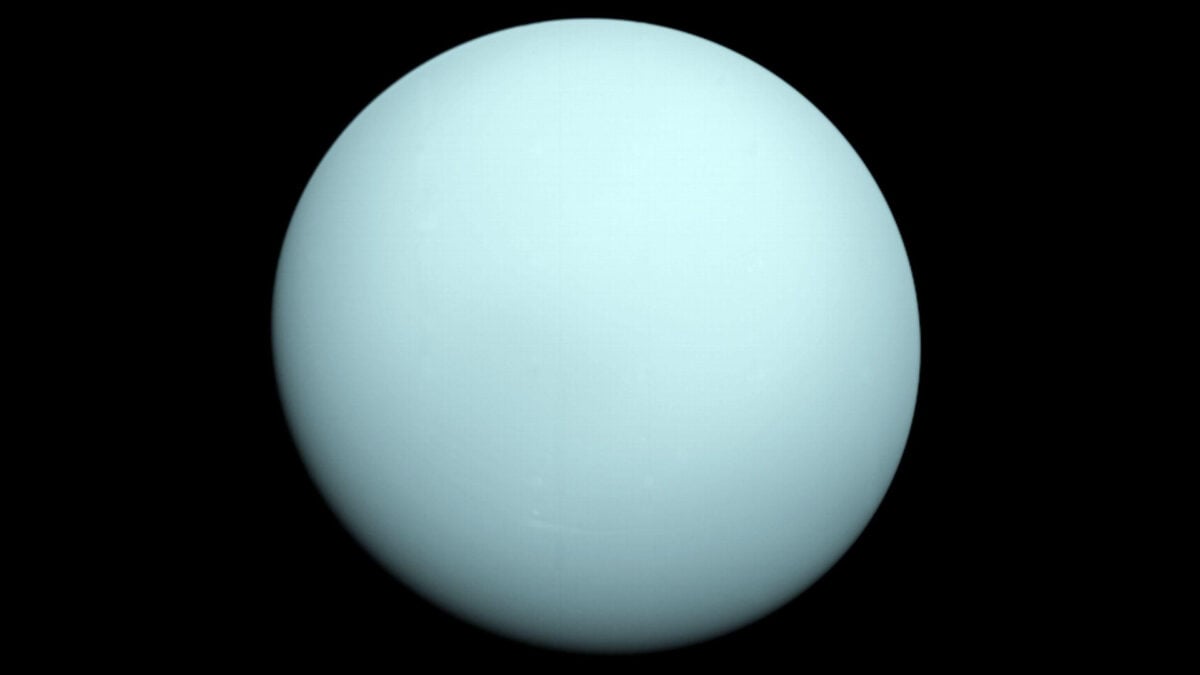
NASA's recent research, using advanced computer modeling and revisiting old data, suggests that Uranus is warmer than previously thought, emitting about 15% more energy than it receives from the Sun, indicating it has its own internal heat source contrary to earlier beliefs based on Voyager 2 data.
New research suggests Uranus emits more internal heat than previously thought, challenging earlier data from Voyager 2 and aligning it more closely with other giant planets, though it still emits less heat overall. The study analyzed decades of data, revealing seasonal variations and raising questions about Uranus's unique interior structure, which could inform future NASA missions and our understanding of planetary evolution.
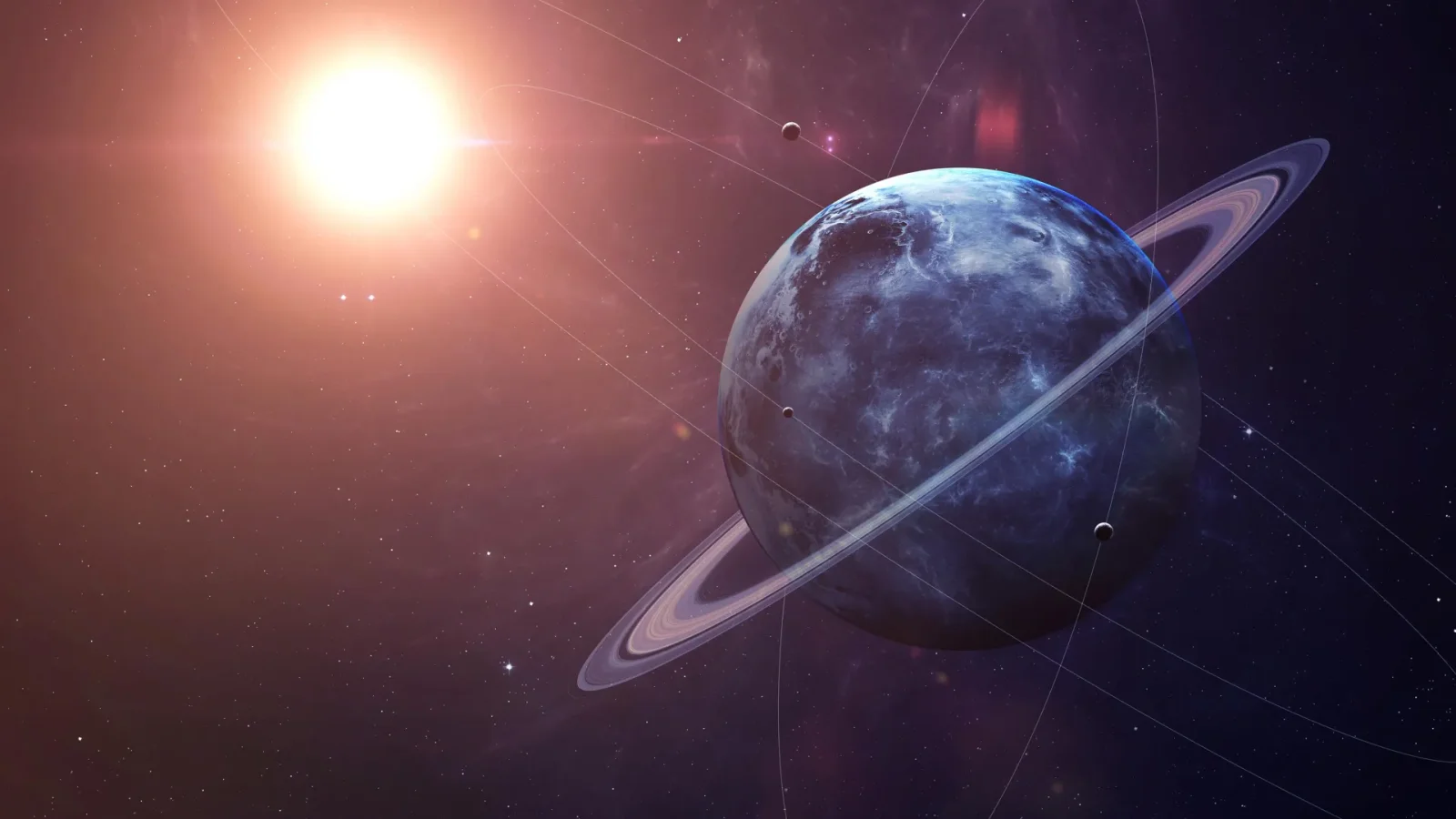
Decades after Voyager 2's 1986 flyby of Uranus, scientists have re-analyzed the data to solve mysteries about the planet's magnetosphere. They discovered that a rare solar wind event compressed Uranus' magnetic field, explaining the unexpected electron radiation belts observed. This finding suggests that Uranus' major moons might be geologically active, challenging previous assumptions. The study, published in Nature Astronomy, highlights the importance of timing in space exploration and renews interest in future missions to Uranus.