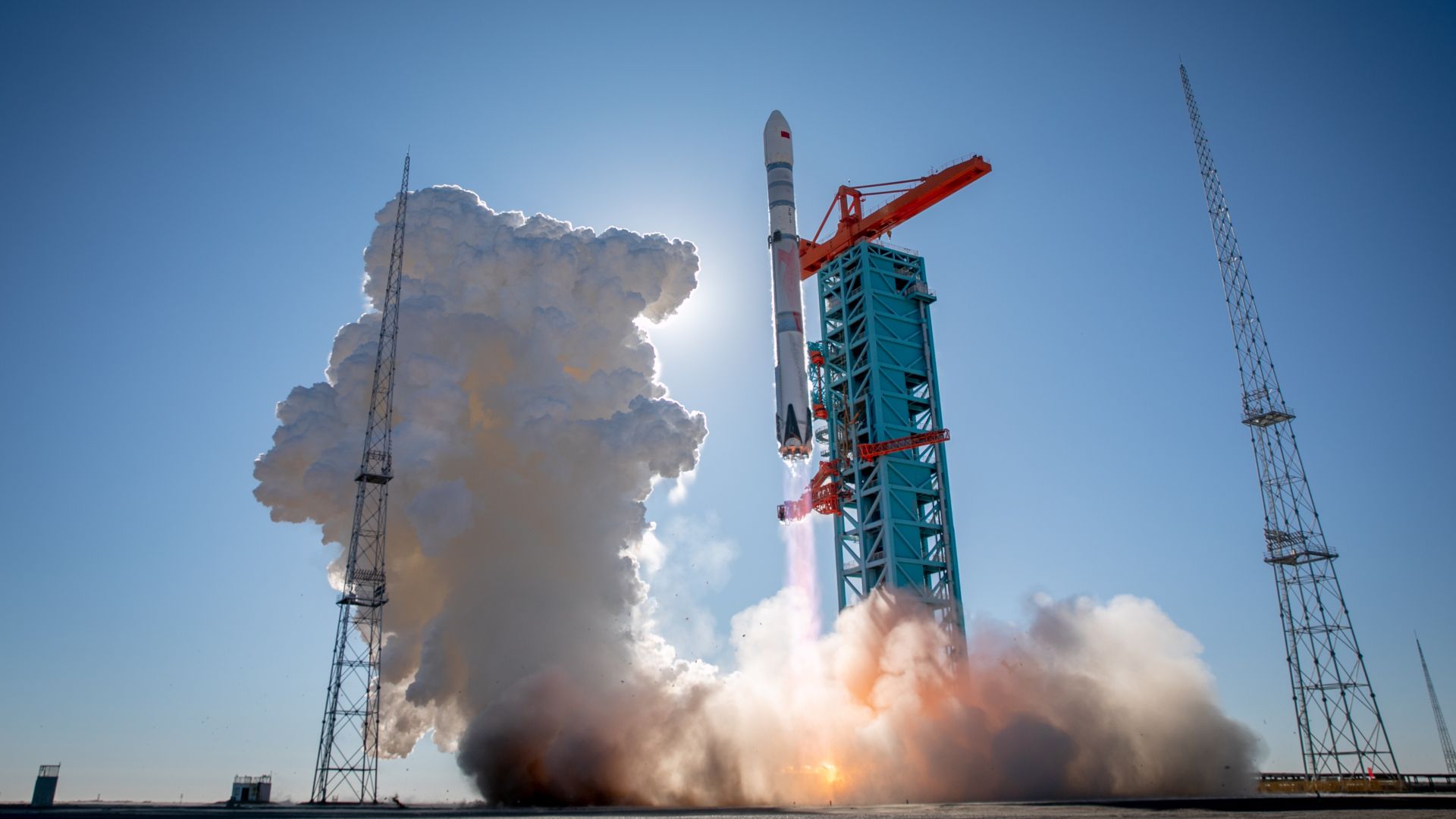
In 2025, China made significant advancements in space, including over 80 launches, progress in crewed lunar exploration, deep space missions like Tianwen 2, and successfully managing its first human spaceflight emergency, setting the stage for more ambitious projects in 2026.
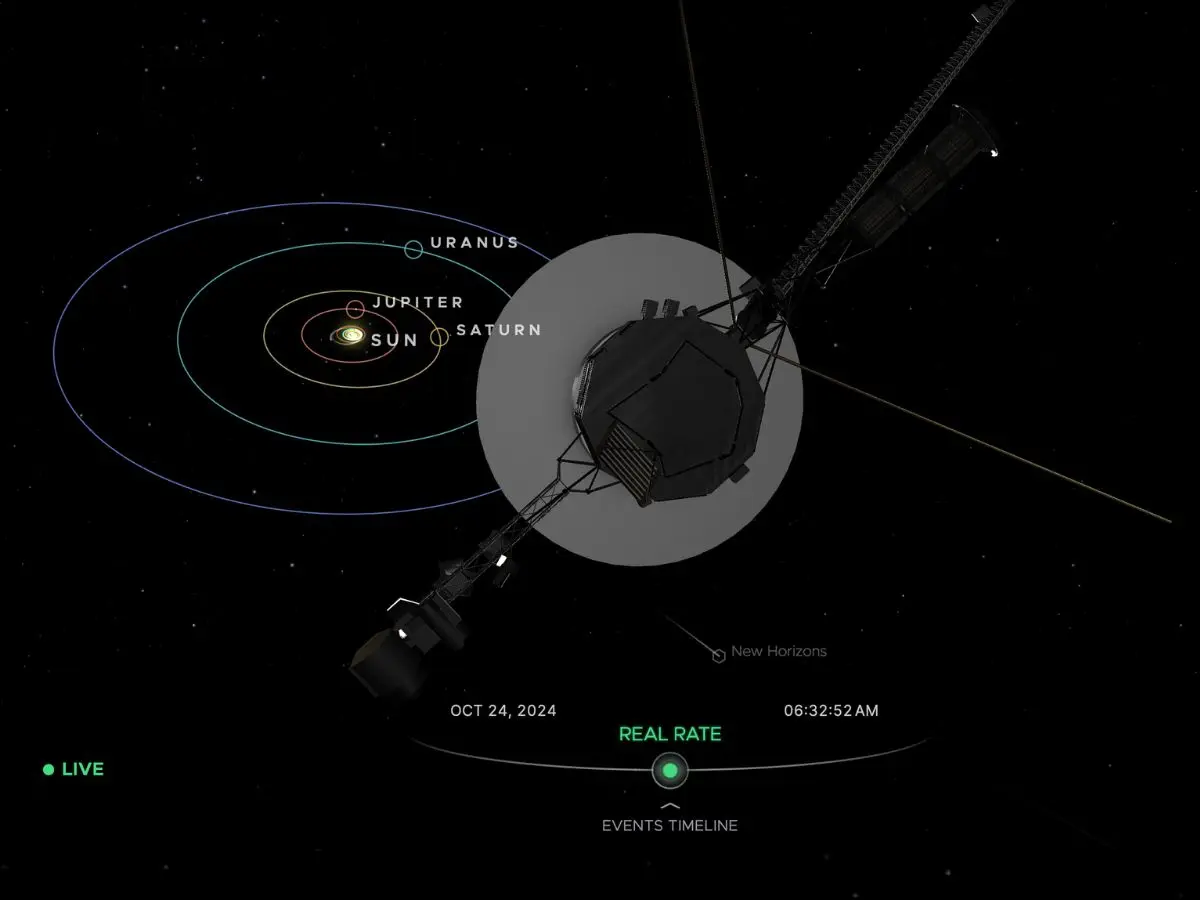
Voyager 2 has faced multiple near-failure incidents over its nearly five-decade mission, including launch glitches, antenna misalignment, spin maneuver failures, power depletion, and instrument malfunctions, yet it continues to send valuable data from beyond our solar system, showcasing both its fragility and resilience.
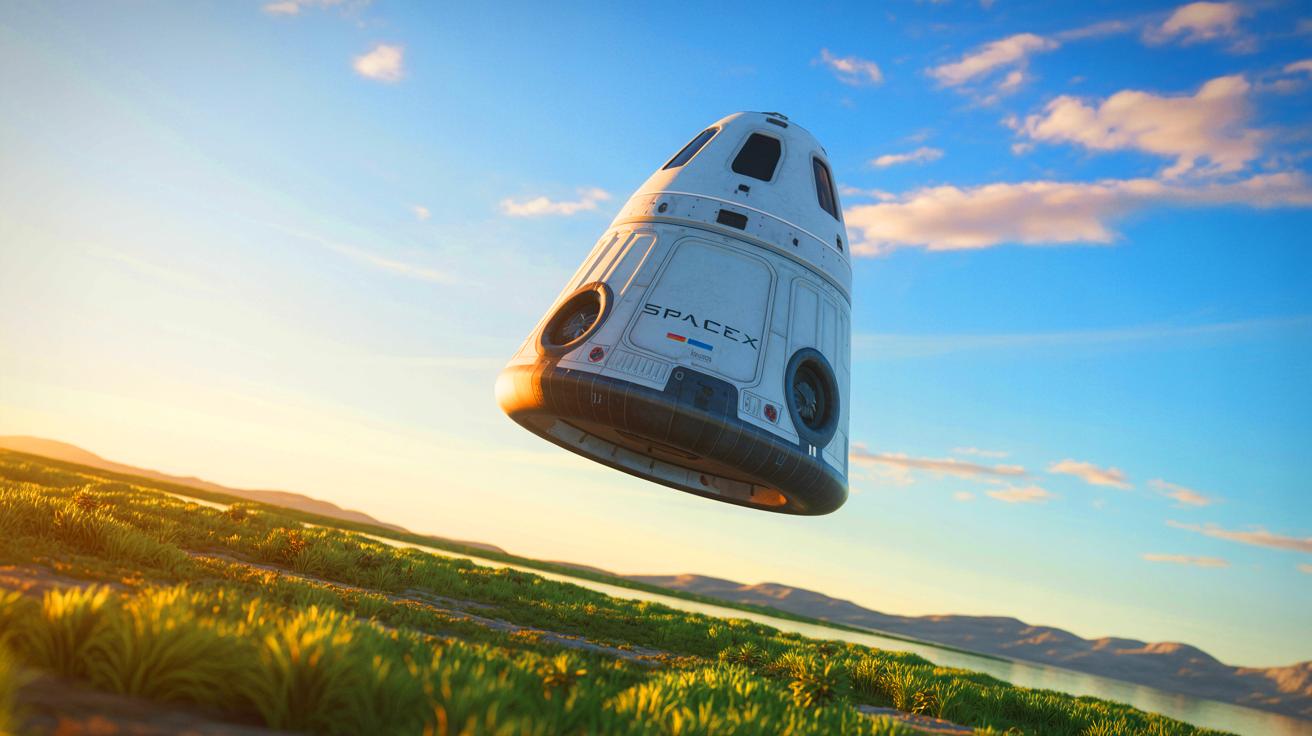
The SpaceX Dragon capsule returned with 6,700 pounds of advanced space technology, including material durability samples, innovative robotic systems, space imaging hardware, and educational materials, highlighting significant progress in space exploration, robotics, and STEM outreach.
As NASA's Artemis program prepares to send astronauts back to the Moon, the future of space food is evolving with innovative solutions like protein from bacteria and fungi, and fresh produce grown in microgravity. These advancements not only aim to support long-term space missions but also promise sustainable food production methods that could benefit Earth.
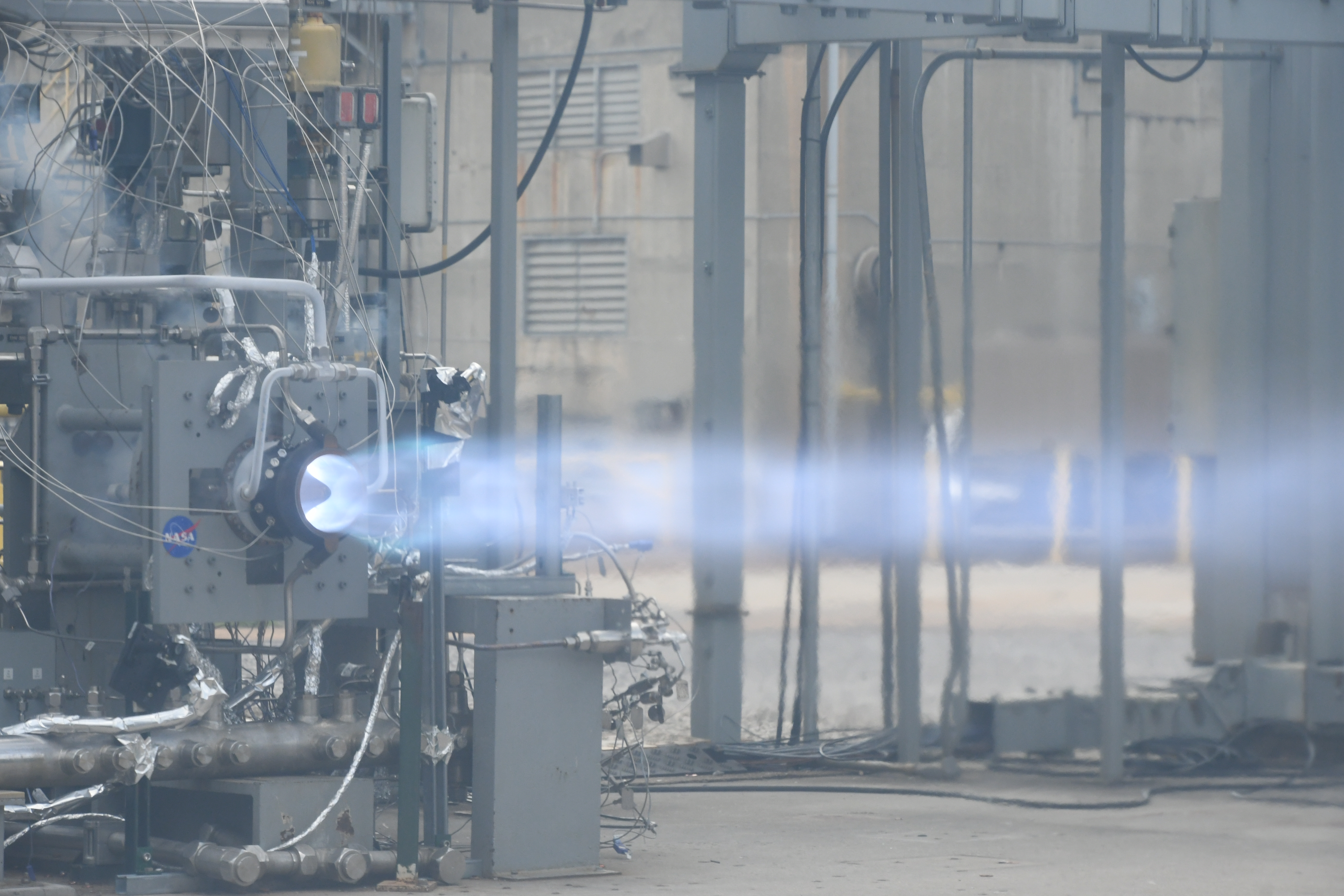
NASA's Marshall Space Flight Center has successfully tested a 3D-printed Rotating Detonation Rocket Engine (RDRE) for over four minutes, generating more than 5,800 pounds of thrust. The test aimed to understand how to scale the combustor to different thrust classes, supporting various engine systems and missions, including landers and deep space burns. The RDRE offers improved design efficiency, enabling the transportation of more mass and payload further into deep space, aligning with NASA's Moon to Mars vision. NASA's Glenn Research Center and Venus Aerospace are collaborating to scale the technology for higher performance.
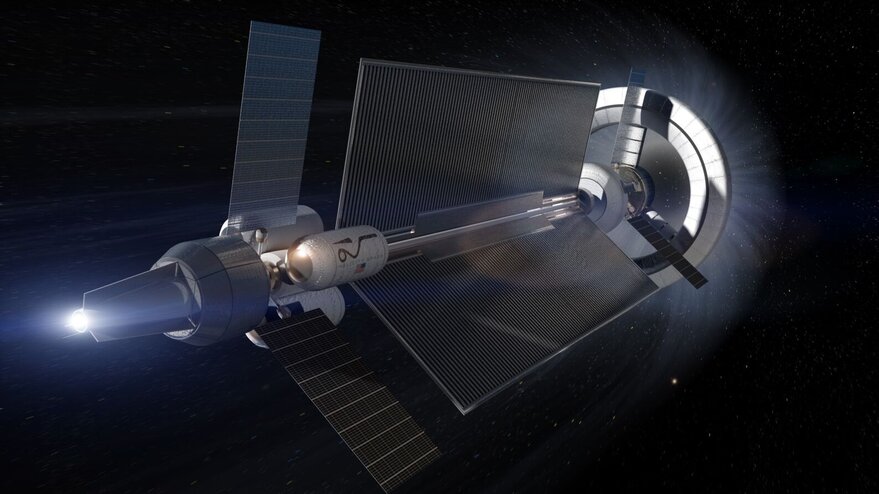
California startup Helicity Space has raised $5 million in a seed funding round to develop fusion engines for spaceflight. The funding comes from strategic partners including Airbus Ventures, TRE Ventures, Voyager Space Holdings, E2MC Space, Urania Ventures, and Gaingels. Helicity aims to deliver a proof-of-concept fusion drive and demonstrate the novelty of its technology before putting it into space. Fusion engines have the potential to revolutionize space travel by providing clean and efficient propulsion, reducing travel time to Mars and beyond. The company's technology is based on the work of its chief scientist, Setthivoine You, and has been developed specifically for space propulsion.
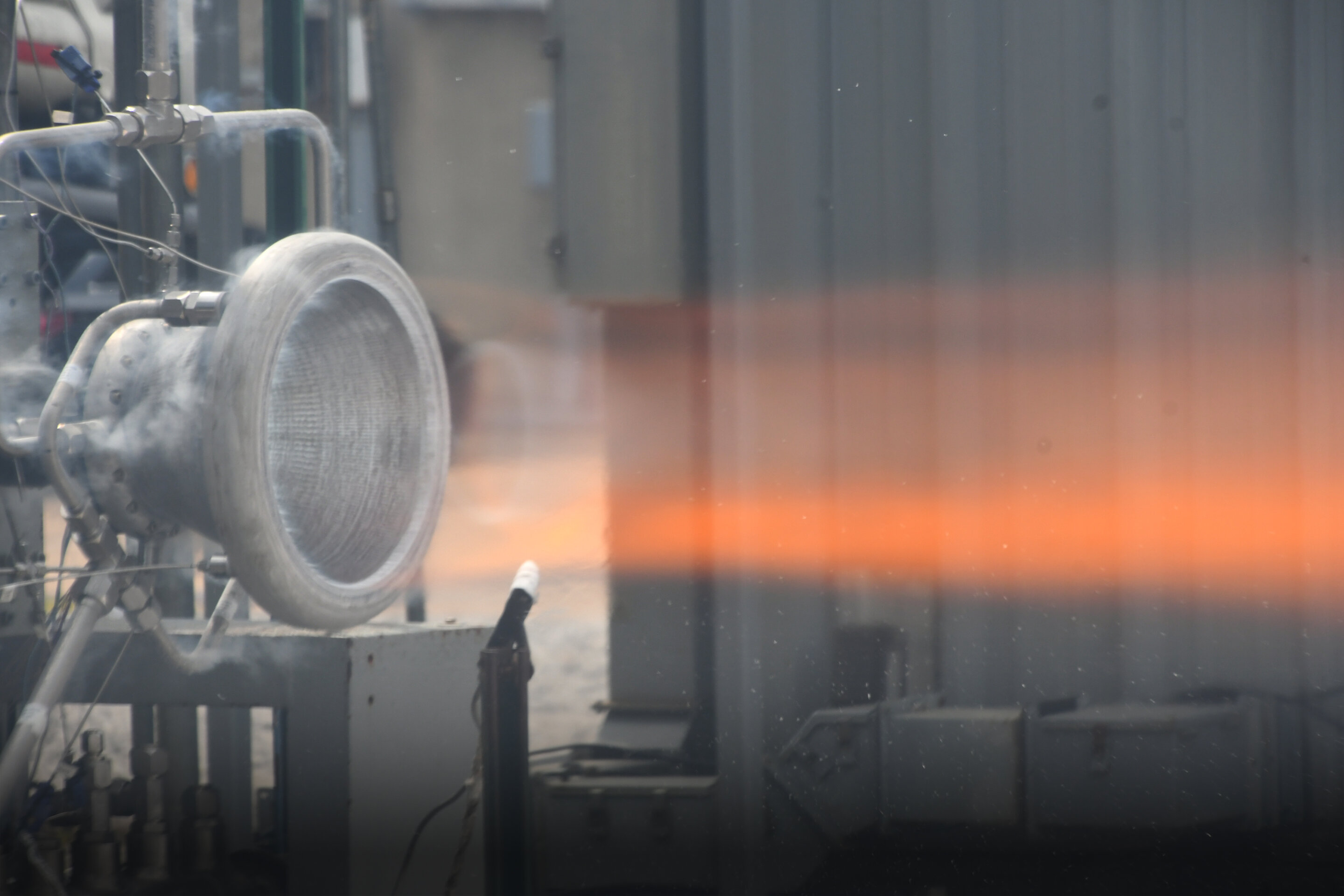
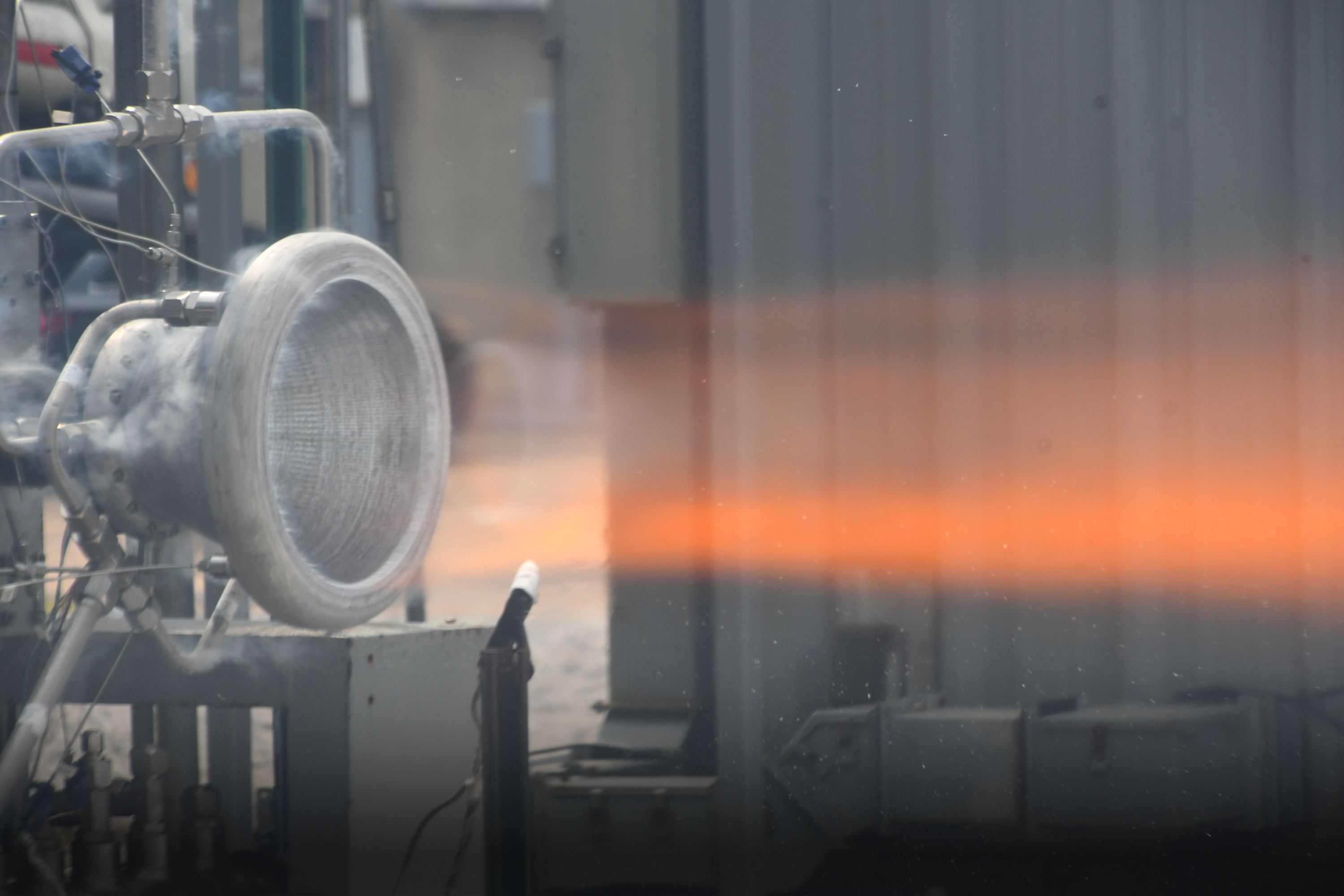
NASA has successfully built and tested a 3D printed rocket engine nozzle made of aluminum, which is lighter than conventional nozzles and has the potential to enable deep space flights with increased payload capacity. The nozzle, developed under the RAMFIRE project, utilizes a novel aluminum alloy that is heat resistant and weldable, overcoming the challenges associated with using aluminum for additive manufacturing of rocket engine parts. This advancement in lightweight, additively-manufactured aluminum rocket nozzles could contribute to NASA's objectives of sending more cargo to deep space destinations and support future missions to the moon, Mars, and beyond.
NASA has successfully built and tested a 3D printed rocket engine nozzle made of aluminum, which is lighter than conventional nozzles. The nozzle, developed under the RAMFIRE project, utilizes a weldable type of aluminum that is heat resistant enough for rocket engines. This innovative technology allows for the creation of lightweight rocket components capable of withstanding high structural loads, paving the way for deep space missions. The project also aims to advance additive manufacturing and materials for future propulsion systems and in-space manufacturing.
As deep space missions pose unique mental health challenges for astronauts, AI companions are being explored as potential tools to provide emotional and mental support. While AI cannot replace human connection, it can serve as a support tool to help astronauts cope with the isolation and stress of long-duration space travel. NASA and the European Space Agency are investigating the use of AI companions for future moon and Mars missions, but more research is needed to understand their effectiveness and potential pitfalls. The goal is to offer an array of evidence-based mitigations to support crew health and performance, with AI companions potentially playing a role in a toolkit of countermeasures.
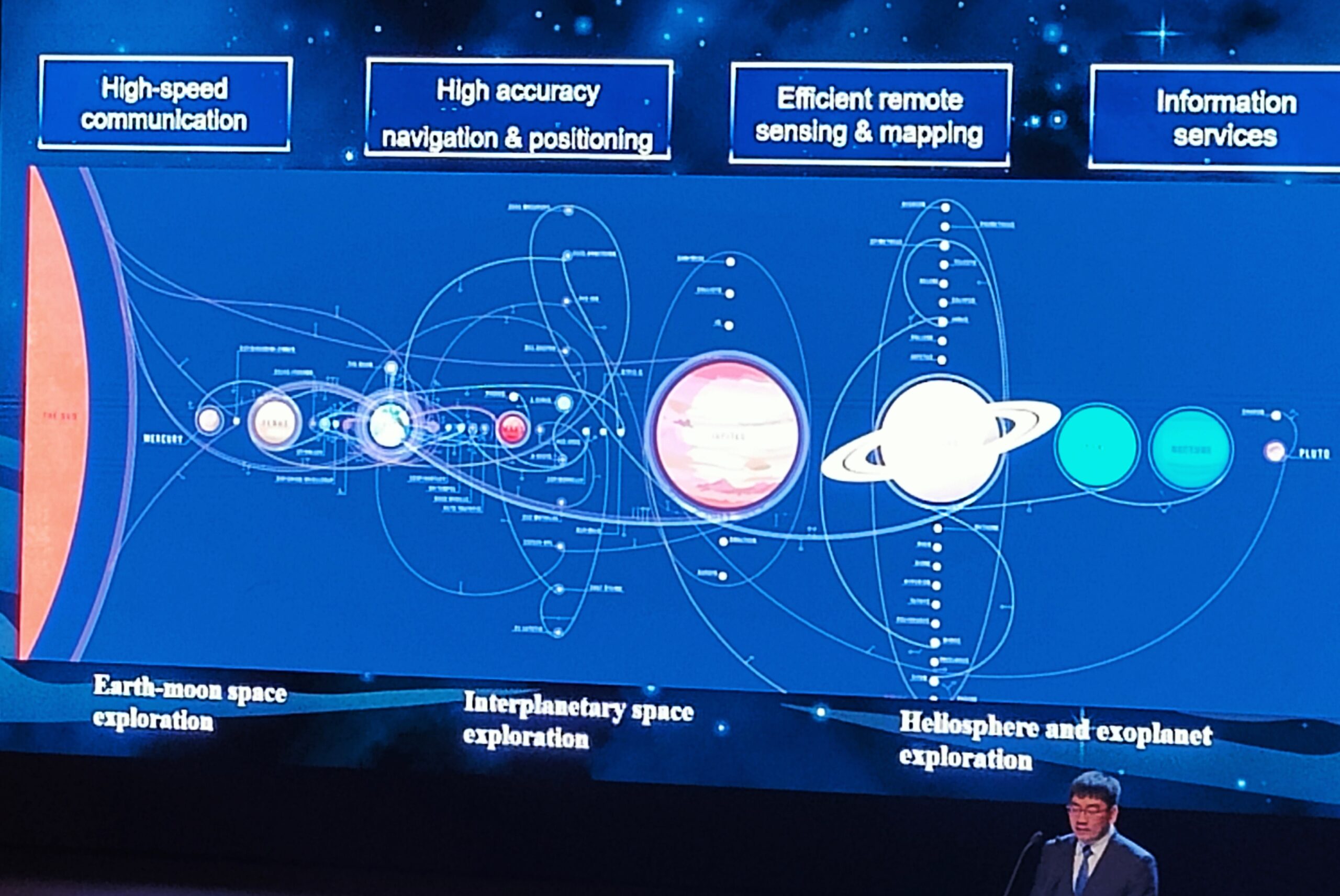
China's space authorities are planning to develop a lunar satellite constellation called Queqiao to support their deep space missions, including future lunar surface research stations. The constellation would consist of spacecraft stationed in circumlunar space and Earth-moon lagrange points, providing crucial support for communication, navigation, and remote sensing services. China has already launched a communications relay satellite into Earth-moon Lagrange point 2 (EML2) and plans to launch an improved version, Queqiao-2, next year. The development of this lunar infrastructure could position China as a global leader in moon exploration and beyond, but it may also raise concerns among other space actors.
Astronomers have conducted a feasibility analysis on exploring rogue planets, which are planets that have been kicked out of their star systems and are adrift in space. These rogue planets, which could potentially support life, may be more easily explored than planets still bound to their stars. The study suggests that there could be hundreds of rogue planets in our cosmic neighborhood, and deep space missions using laser sails are considered the most promising method for reaching these nomadic worlds. The upcoming Nancy Grace Roman Space Telescope is expected to detect Earth-like rogue planets, confirming their existence and providing targets for future exploration missions. Exploring rogue objects can provide valuable insights into the formation and evolution of planetary systems and serve as pathfinder missions for interstellar voyages.
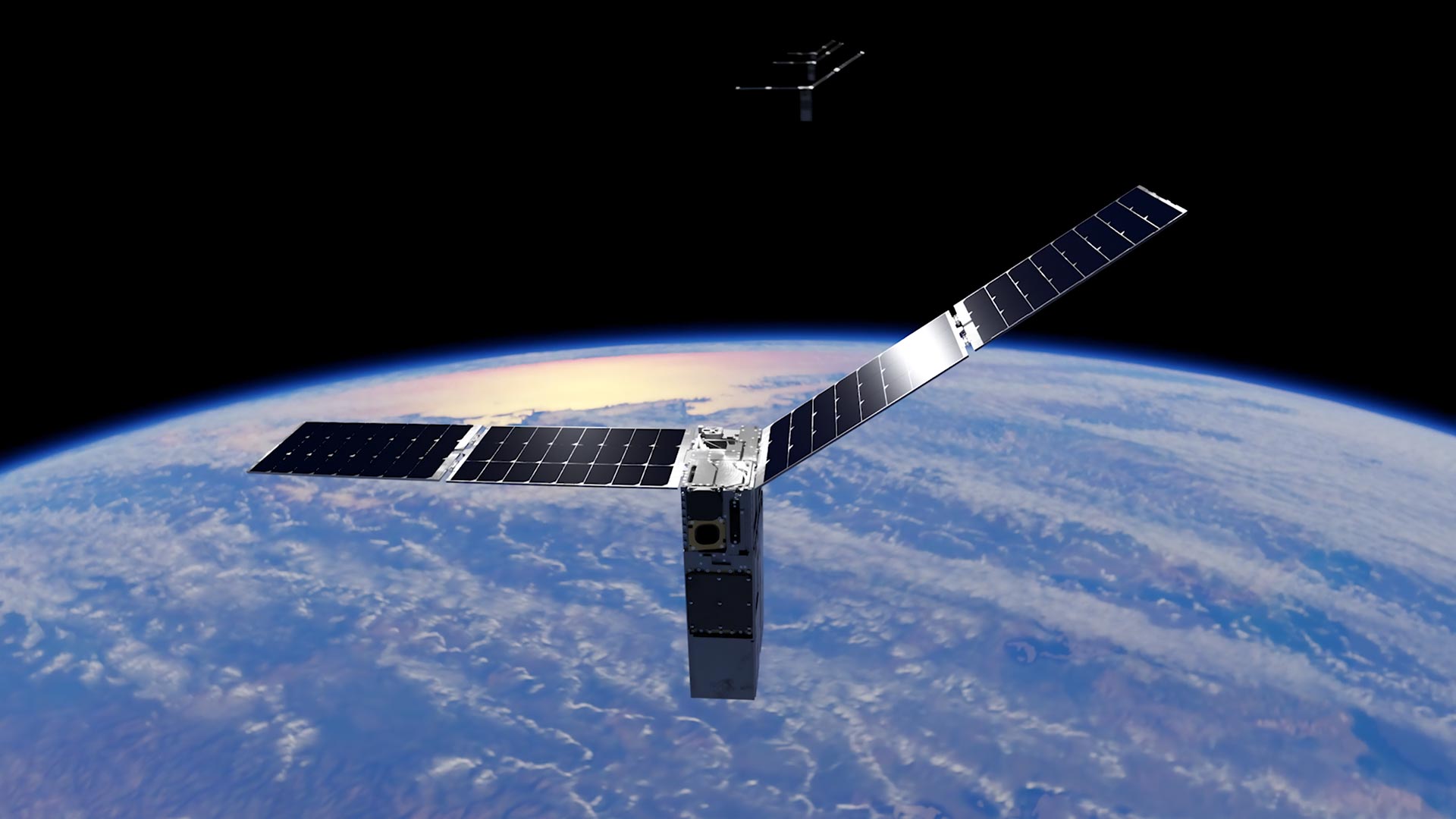
NASA's Starling mission will launch a group of four CubeSats into Earth's orbit to test autonomous cooperation among small satellites, paving the way for future deep space missions. The CubeSats will operate in two formations, testing technologies for swarm maneuver planning, communications networking, relative navigation, and autonomous coordination. The mission aims to establish a swarm of small satellites capable of functioning autonomously, collecting scientific data from multiple points in space, and operating spacecraft systems without constant contact with Earth. After the primary mission, Starling will collaborate with SpaceX's Starlink to test advanced space traffic management techniques.
The first crewed mission to Mars should be all-female, not just for fairness but for practical reasons. Women require fewer resources, such as oxygen, food, and water, making them more efficient and capable crew members on long-duration missions away from Earth. Additionally, women are more cooperative and less hierarchical, which could be crucial on a Mars journey where the crew must live in close quarters for 2-3 years. An all-female team would require considerably less support and allow a smaller spacecraft, producing a considerable savings in cost.
Scientists argue that for humans to survive on lengthy treks into deep space, missions must recreate Earth-like ecosystems, including Earth-like gravity and oxygen, reliable sources of water, as well as societal systems like steady agricultural output and the recycling of waste. The theory, called "pancosmorio," takes a holistic approach to the problem of human survivability and backs it up within an evolutionary context. The crux of the pancosmorio theory is that humanity has made it this far under certain conditions, and a failure to model those conditions off-world will likely serve to doom a deep space mission.
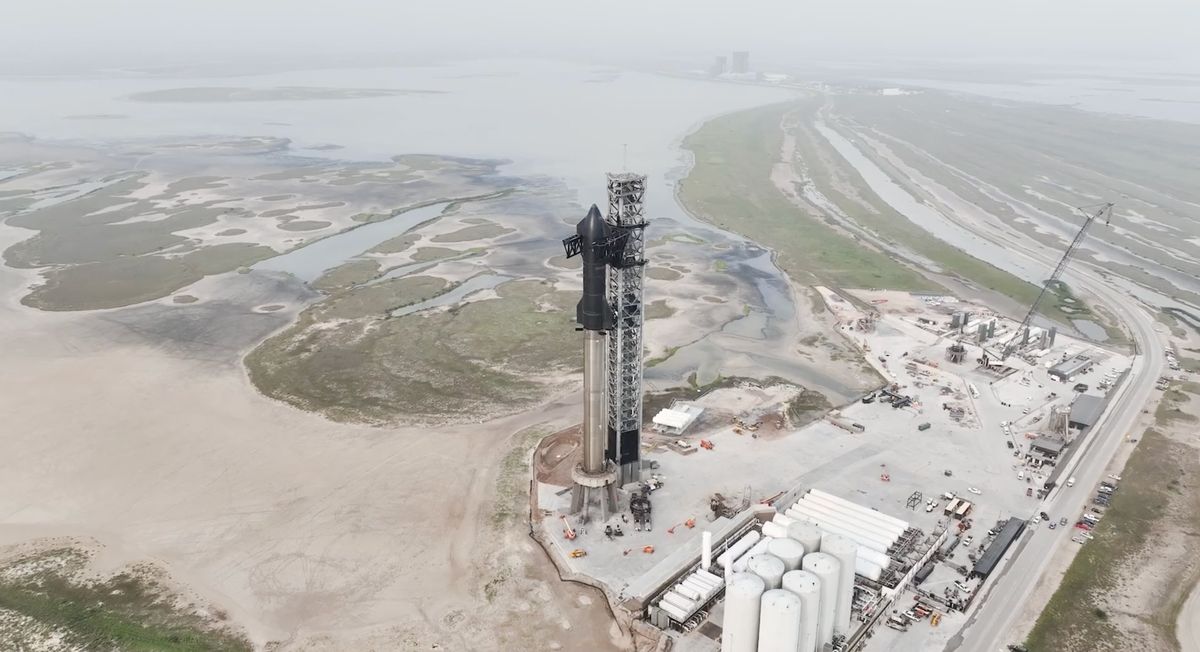
SpaceX has stacked its giant Starship vehicle, the most powerful rocket ever to fly, on the Booster 7 first stage at the company's Starbase facility in South Texas, in preparation for the first-ever orbital flight test for Starship. The two stages of Starship are designed to be fully and rapidly reusable, making Mars colonization and other bold spaceflight feats economically feasible. SpaceX has already booked a handful of deep-space missions with the stainless-steel vehicle, including NASA's Artemis moon program and private moon flights for Japanese billionaire Yusaku Maezawa and Dennis Tito.