Scientists have discovered that a vitamin A metabolite, retinoic acid, can suppress the immune system's ability to fight cancer by promoting immune tolerance. They developed inhibitors that block this pathway, restoring immune responses and improving cancer vaccine efficacy, paving the way for new immunotherapy treatments.
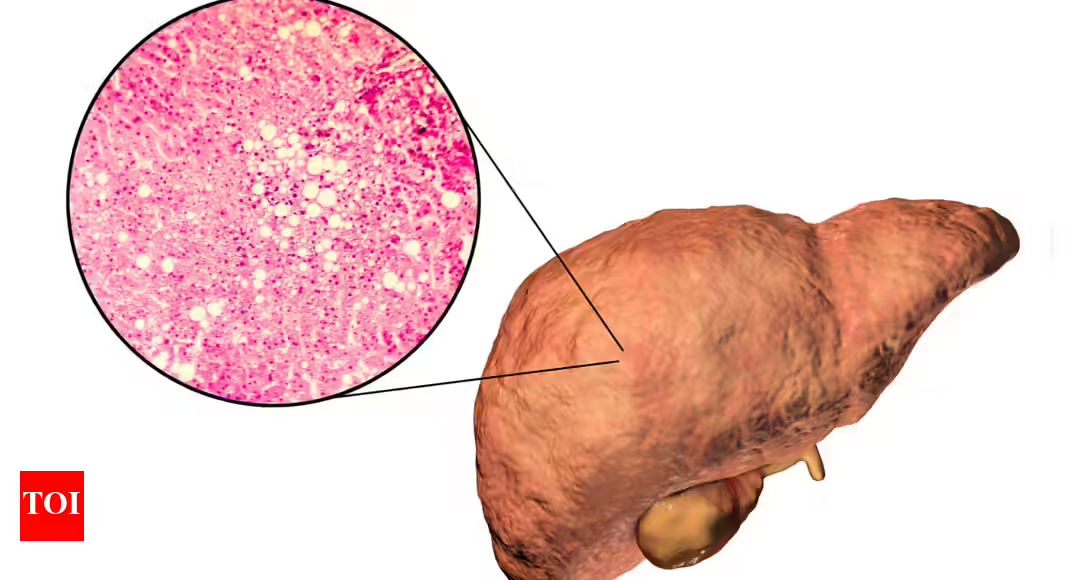
Non-Alcoholic Fatty Liver Disease (NAFLD) is linked to nutritional imbalances, particularly deficiencies in copper and vitamin A, and excess intake of fruit sugar (fructose). Dr. DeBease suggests that supporting liver health involves eliminating fruit, reducing carbs, and increasing nutrient-dense foods like organ meats to aid iron processing and repair liver damage. The approach emphasizes internal nutritional support over simply reducing fat intake.
Eating a serving of carrots daily for a week did not turn the skin orange or improve vision but did promote better digestion and healthier eating habits, highlighting that consistent consumption of nutrient-rich foods supports long-term health rather than quick fixes.
Eating a serving of carrots daily for a week did not turn the skin orange or improve vision, but it did promote better digestion, curb cravings, and provided essential nutrients like vitamin A and antioxidants, highlighting the benefits of consistent healthy eating habits.
Vitamin A is essential for overall health, supporting immune function and cell growth, and is best obtained through consuming whole foods rich in the vitamin.
A Vietnamese study suggests that both too much and too little vitamin A intake may increase cancer risk, highlighting the importance of maintaining a balanced intake within recommended levels for optimal health and cancer prevention.
A new study indicates that both excessive and insufficient vitamin A intake may increase the risk of certain cancers, emphasizing the importance of maintaining a balanced diet that meets but does not exceed recommended levels, and highlighting the role of overall healthy lifestyle choices in cancer prevention.
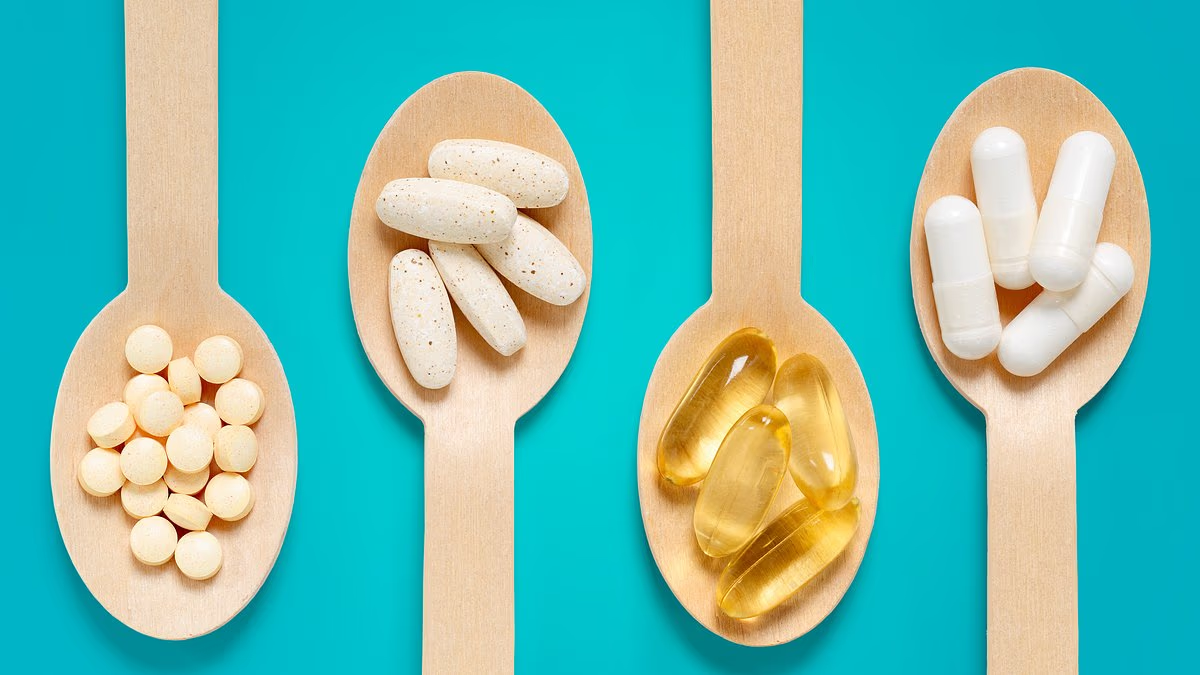
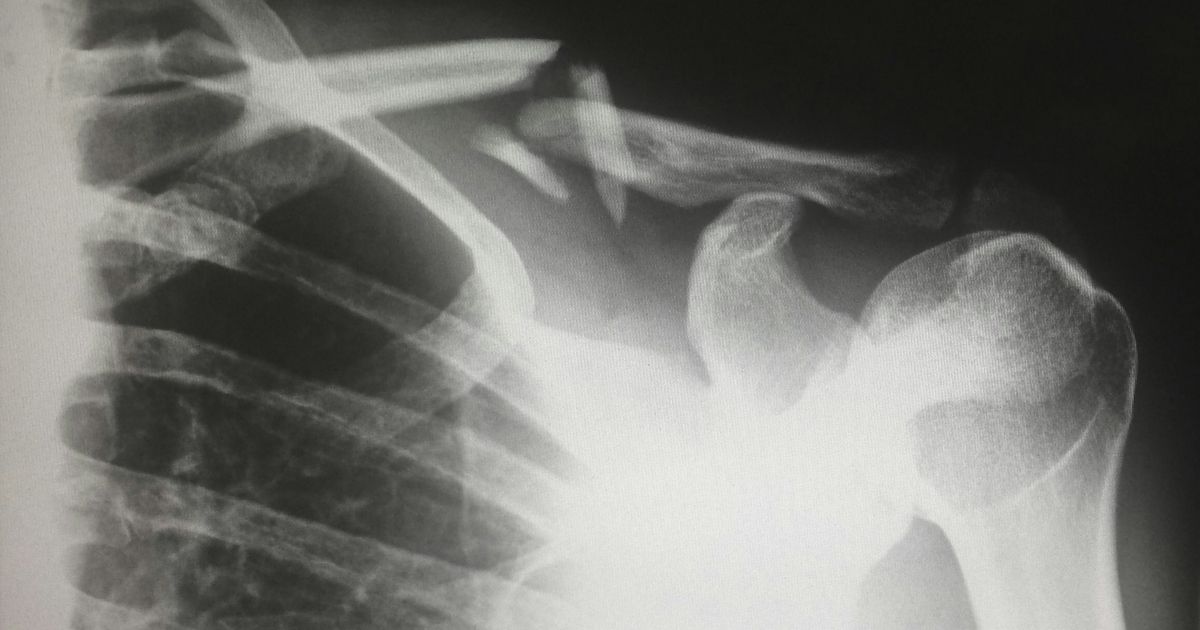
A UK GP warns against taking multivitamins daily, citing studies that link them to increased mortality risk and potential health issues like liver failure and bone problems, emphasizing that a balanced diet is the best way to obtain necessary nutrients.
Consuming vitamin A-rich foods like liver, dairy, carrots, spinach, and sweet potatoes can support skin health, collagen production, and anti-aging efforts, but excessive intake can be toxic, so moderation and consultation with a healthcare provider are advised.
The NHS advises against consuming liver or liver pâté more than once a week due to their high vitamin A content, which can weaken bones over time if consumed excessively. Pregnant women or those trying to conceive should avoid these foods and vitamin A supplements altogether, as high levels can harm an unborn baby. A balanced diet typically provides sufficient vitamin A, with recommended daily intakes of 700 µg for men and 600 µg for women. The risk of bone health issues is higher for those who consistently exceed 1.5 mg of vitamin A daily over many years.
While carrot juice provides a concentrated dose of nutrients like beta-carotene, it lacks the fiber found in whole carrots and can lead to excessive vitamin A intake. Dietitians suggest balancing the benefits of juicing with the drawbacks, such as potential vitamin A toxicity and reduced fiber intake. Consuming carrots in their whole form may be more beneficial for some individuals, and it's important to monitor daily intake of carrot juice to avoid excessive sugar consumption.
As the summer season approaches, it's important to focus on essential vitamins to stay healthy and energized. Vitamin A protects the skin from UV rays, while Vitamin B supports cardiovascular and immune health. Vitamin C is crucial for immune health and skin protection, and Vitamin D aids in various bodily functions. Additionally, Vitamin E acts as an antioxidant for the skin, and Vitamin K is essential for bone health and blood clotting. It's important to consult a doctor before making any significant changes to your diet.
New research suggests that retinoic acid, the biologically active form of Vitamin A, plays a crucial role in regulating lineage plasticity in stem cells, particularly in the context of wound repair and hair regeneration. The study found that retinoic acid is essential for stem cells to exit lineage plasticity and differentiate into hair or epidermal cells, with implications for understanding skin and hair disorders, as well as potential applications in cancer treatment. The findings shed light on the complex role of Vitamin A in orchestrating stem cell lineage choices and have the potential to transform the study of hair biology and improve prognoses for certain types of cancer.
Dr. Charles MD warns against taking four supplements - Vitamin A, Vitamin E, Iron, and Biotin - due to potential health risks. He cautions that high doses of Vitamin A can lead to liver damage, while Vitamin E has been linked to higher rates of cancer, although evidence is inconclusive. Iron supplements may damage the heart, and Biotin can interfere with lab tests, leading to inaccurate results with dangerous consequences. It's important to consult a doctor before taking any supplements.
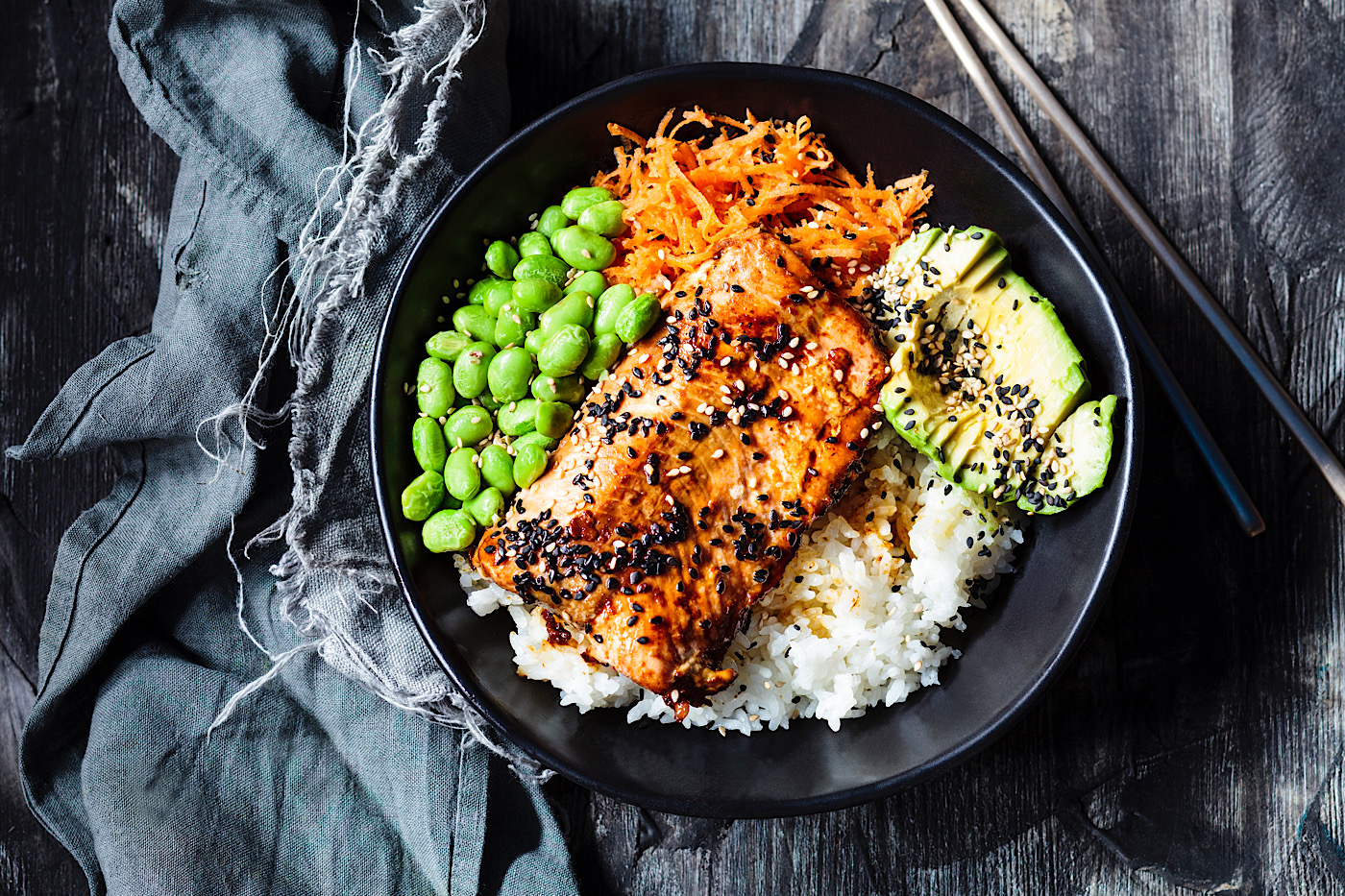
Experts recommend incorporating protein-rich foods, vitamin A sources like sweet potatoes and spinach, green tea, iron-rich foods paired with vitamin C sources, vitamin D sources like salmon and yogurt, probiotic-rich foods like kimchi and sauerkraut, and omega-3 fatty acid sources such as salmon and flaxseeds into your diet to help prevent hair loss. These nutrients support hair health, promote hair growth, reduce inflammation, deliver oxygen to hair follicles, enhance iron absorption, support cell turnover, maintain scalp health, and nourish hair follicles. It is important to consult with a healthcare professional or registered dietitian to determine the appropriate intake of these nutrients based on individual needs.