
Experts Recommend Four Foods to Boost Immunity Amid Rising Flu Cases
As flu cases rise across the US, experts recommend eating foods like garlic, red bell peppers, yogurt, and berries to boost immune health and potentially reduce illness severity.

All articles tagged with #immune health
As flu cases rise across the US, experts recommend eating foods like garlic, red bell peppers, yogurt, and berries to boost immune health and potentially reduce illness severity.

As flu cases rise across the US, experts recommend eating foods like garlic, red bell peppers, yogurt, and berries to boost immune health and potentially reduce illness severity and duration.

A study from the University of Nottingham found that combining fermented kefir with prebiotic fibers creates a potent anti-inflammatory effect, surpassing the benefits of omega-3 or fiber alone, potentially offering a new strategy for reducing chronic inflammation and related diseases.

Protein is essential for cell building, muscle repair, immune function, and overall health. Most adults need at least 0.8 grams per kilogram of body weight daily, but needs may vary based on activity level, age, and health conditions. Signs of deficiency include hunger, fatigue, muscle loss, skin and hair issues, and increased illness. Consuming a variety of lean meats, seafood, legumes, nuts, and soy can help meet protein needs and prevent deficiency.

Low vitamin D levels can cause fatigue, weakened immunity, muscle weakness, bone pain, hair loss, mood swings, weight gain, skin issues, slow wound healing, and increase the risk of fractures and chronic conditions. Recognizing these signs and addressing deficiency through sunlight, diet, or supplements can improve overall health and prevent complications.

Vitamin D deficiency often presents with subtle signs such as fatigue, bone and muscle pain, weakened immunity, mood changes, hair loss, slow wound healing, dental issues, and loss of appetite. Recognizing these early symptoms can lead to timely testing and treatment through sunlight, diet, or supplements, helping to prevent more serious health problems.
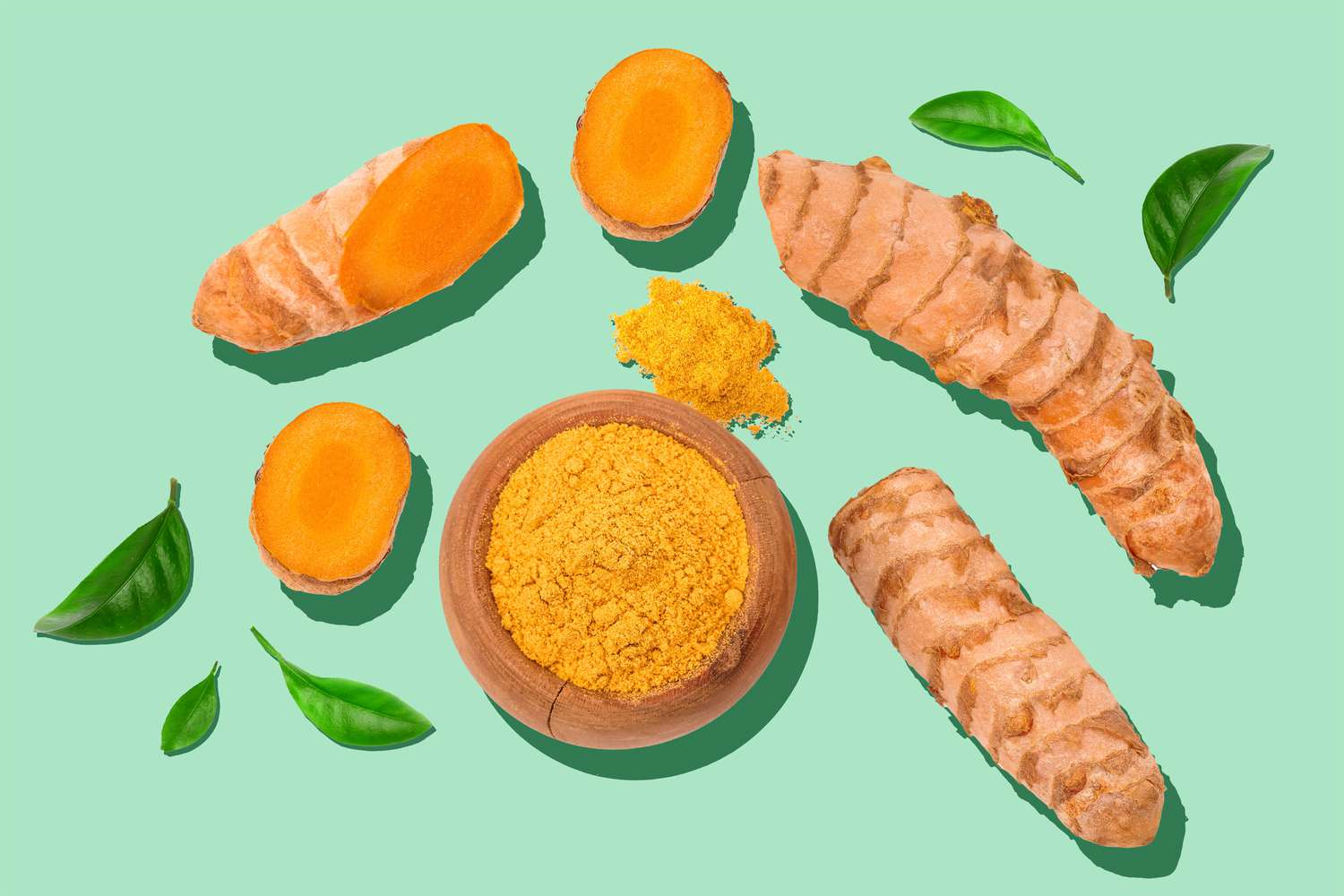
Turmeric, a vibrant yellow spice, is rich in micronutrients and curcuminoids, offering numerous health benefits such as boosting immune health, championing heart health, aiding metabolic health, improving mental and brain health, promoting joint health, supporting gentle aging, and improving gut health. Consuming up to 12 grams per day is recommended, and it can be used in various dishes, but should be consumed with a source of fat and piperine for better absorption.

As the summer season approaches, it's important to focus on essential vitamins to stay healthy and energized. Vitamin A protects the skin from UV rays, while Vitamin B supports cardiovascular and immune health. Vitamin C is crucial for immune health and skin protection, and Vitamin D aids in various bodily functions. Additionally, Vitamin E acts as an antioxidant for the skin, and Vitamin K is essential for bone health and blood clotting. It's important to consult a doctor before making any significant changes to your diet.
Health experts suggest that certain habits often considered bad for immune health, such as eating lots of fruit, taking fewer supplements, exposing oneself to sun and cold temperatures, incorporating animal proteins, and going to social gatherings, can actually support the immune system. These habits provide essential nutrients, promote vitamin D production, enhance immune function, and reduce stress and inflammation. Embracing these habits, along with maintaining good sleep, managing stress, and supporting gut health, is crucial for long-term immune health.

Vitamin C is a crucial nutrient that supports immune health, collagen formation, and iron absorption. While most people get enough vitamin C from their diet, supplements can be beneficial for those with low levels. However, excessive intake of vitamin C can lead to digestive upset, kidney stone formation, and other health risks. It's important to consult a healthcare provider before starting any supplement and to prioritize vitamin C-rich foods in the diet to meet daily needs.

With cold and flu season in full swing, wellness shots are gaining popularity as a natural remedy to treat symptoms and boost the immune system. These small shots typically contain ingredients like ginger, citrus juices, and turmeric, which are believed to provide an immunity boost. Lifestyle expert Limor Suss shared a recipe for wellness shots that includes orange juice, lemon juice, ginger, turmeric, and pepper, emphasizing the benefits of these ingredients for immune health.

Dietitians advise against taking certain supplements for immune health, including oregano oil, colloidal silver, echinacea, and pre-workout. While these supplements may have some potential benefits, there is limited evidence to support their effectiveness. Instead, focus on maintaining a well-balanced diet rich in fruits, vegetables, whole grains, legumes, and protein, which provide essential vitamins and minerals for a strong immune system. It is important to consult with a healthcare professional before taking any supplements and to choose reliable brands.
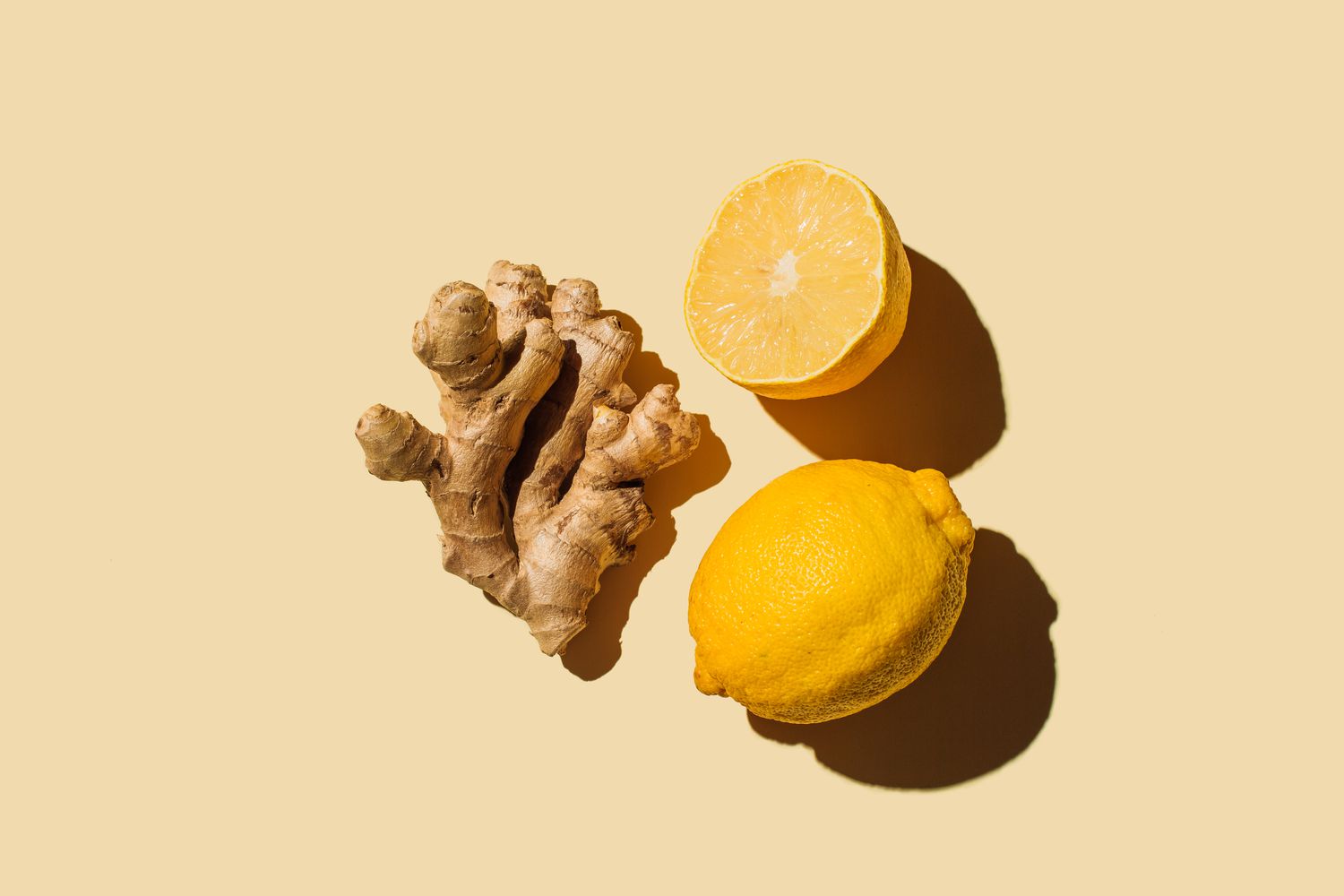
Registered dietitians recommend consuming a well-balanced diet rich in fruits and vegetables to support immune health. These foods are hydrating and packed with vitamins, minerals, and phytochemicals that boost immunity. Key nutrients for immune health include water, fiber, vitamins (A, B6, C, D, and E), minerals (zinc, iron, and selenium), and plant compounds. Some of the best fruits and vegetables for immune health are red bell peppers, broccoli, grapefruit, spinach, blackberries, avocado, ginger, kiwi, and garlic. However, a healthy lifestyle that includes adequate sleep, stress management, regular exercise, and moderate alcohol consumption is also crucial for optimal immune system function.

Maintaining a balanced immune system is crucial for optimal health. While some influencers promote "boosting" the immune system through supplements, scientific experts argue that too much or too little immune activation can lead to illness. The immune system works best when it is perfectly balanced, as an overactive immune response can result in allergies, autoimmune disorders, or chronic inflammation, while a weakened immune response can lead to infections. Instead of relying on supplements, maintaining a healthy lifestyle, including a well-balanced diet, regular exercise, stress reduction, and adequate sleep, is key to supporting the immune system. Vaccines are also an effective tool in training the immune system to recognize and fight pathogens.

Pineapple juice is a nutritional powerhouse packed with vital compounds and offers numerous health benefits. It is rich in nutrients like copper, manganese, potassium, magnesium, folate, thiamin, and vitamins B6, C, and A, as well as bioactive plant compounds like beta carotene and bromelain. Some of the notable benefits include boosting immune health, supporting digestive health, promoting heart health, aiding respiratory health, improving skin health, reducing inflammation, and promoting eye health. It is important to choose minimally processed pineapple juice without added sugar for maximum health benefits.