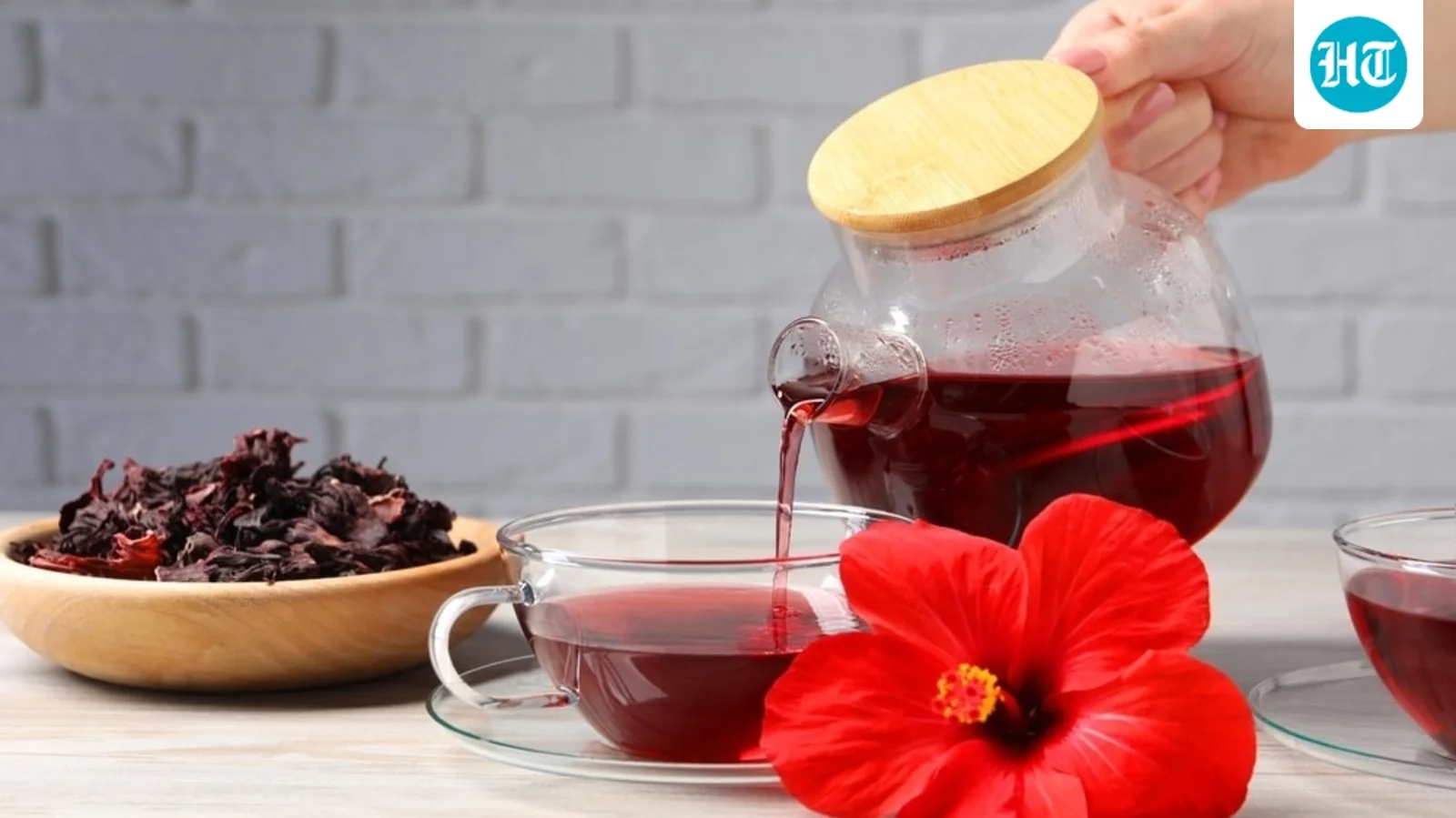
Herbal detox teas, popular for their health claims, can be harmful to individuals with liver conditions due to unregulated ingredients, high toxin levels, and lack of proven benefits. Experts warn that these teas may cause severe liver injury, especially in vulnerable patients, and emphasize that the liver naturally detoxifies the body without the need for such products. Consultation with healthcare professionals is advised before using herbal supplements, particularly for those with existing liver issues.
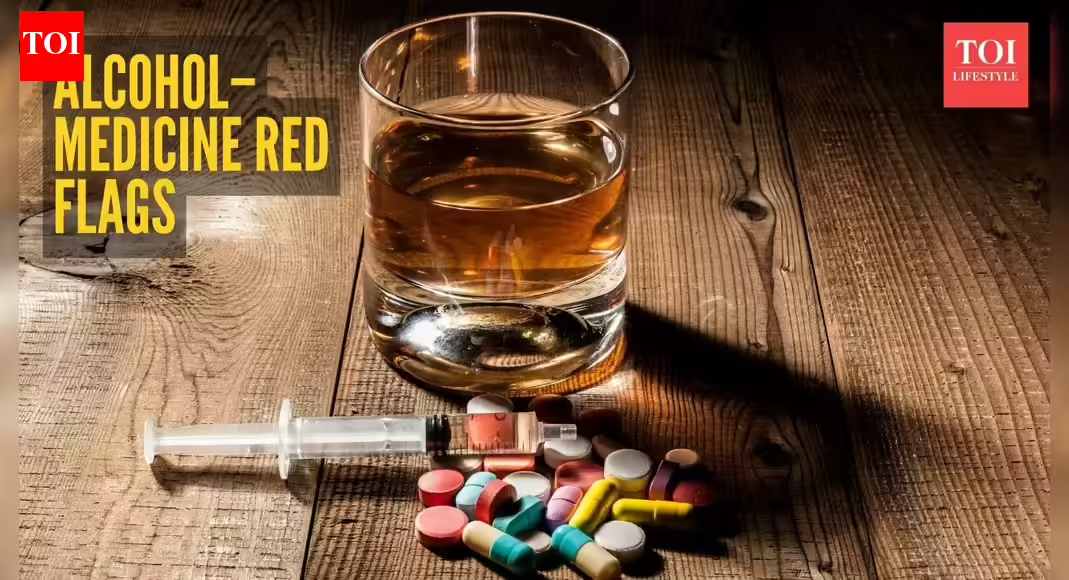
Mixing alcohol with certain medications such as anti-anxiety drugs, sleep aids, antihistamines, painkillers, antibiotics, and heart or diabetes medicines can cause serious health risks, including impaired reflexes, liver damage, and dangerous reactions. It is crucial to understand these interactions and consult healthcare professionals before consuming alcohol while on medication.
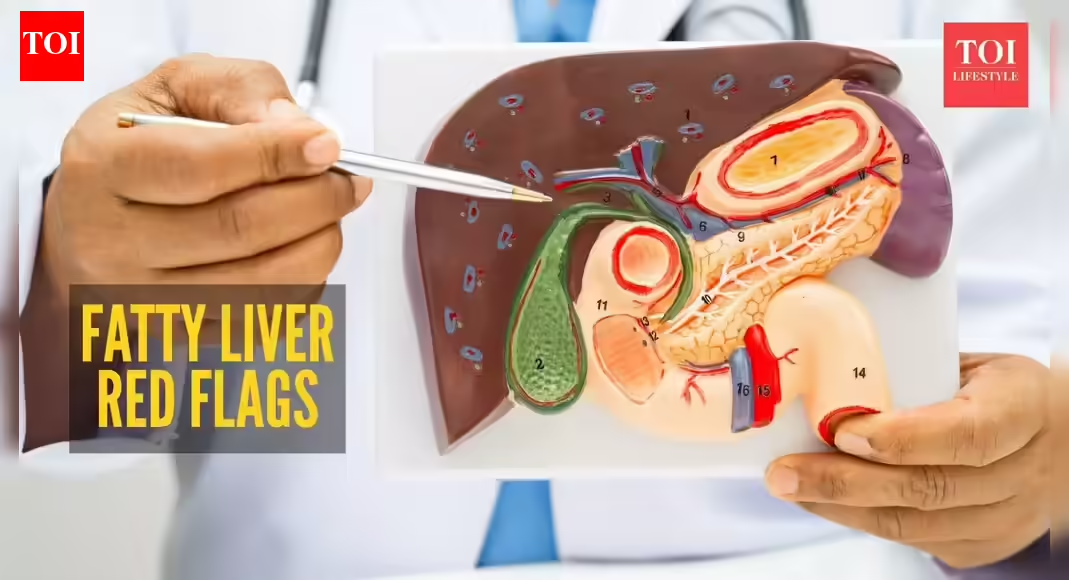
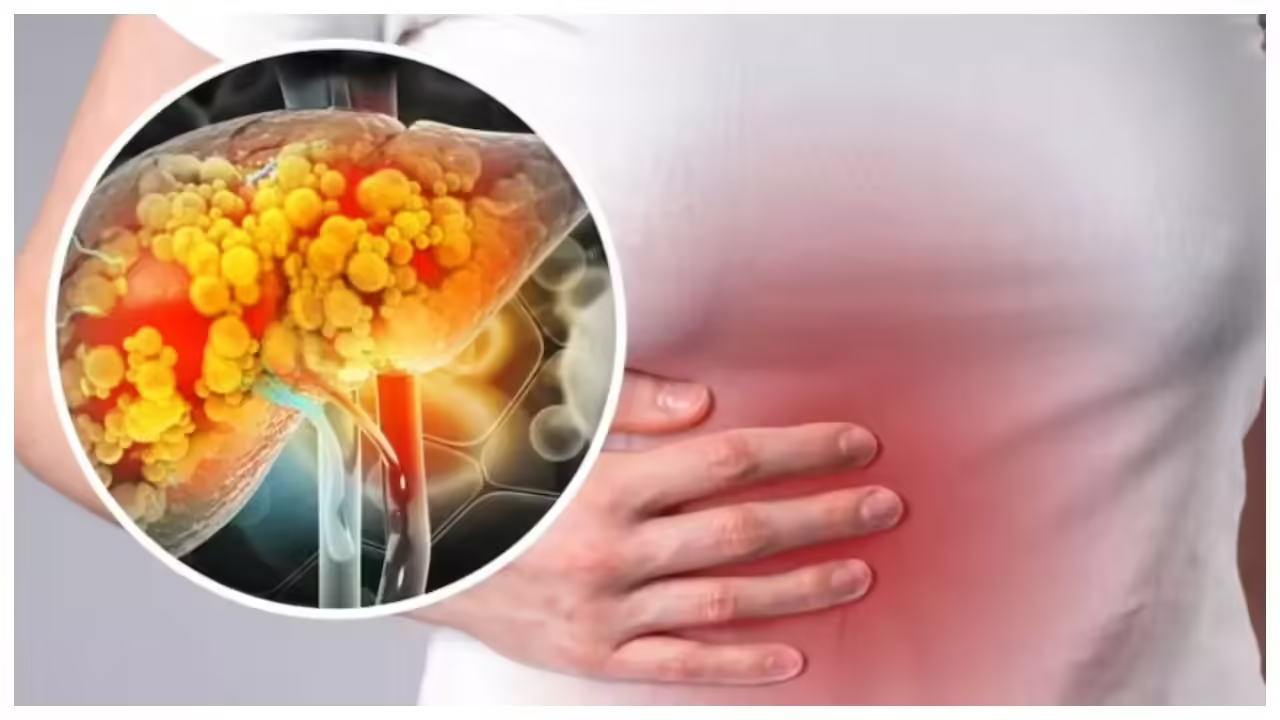
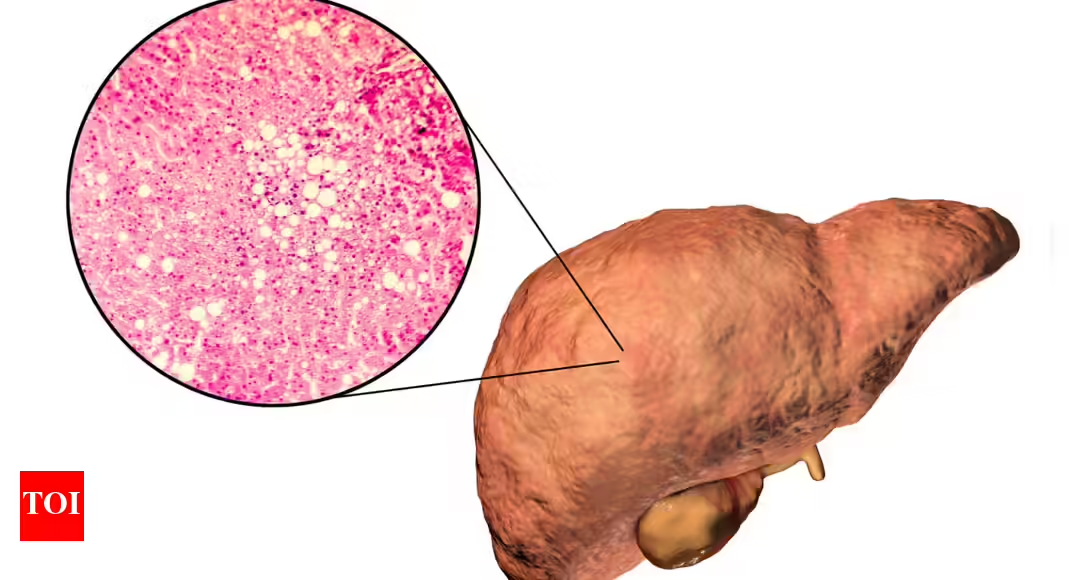
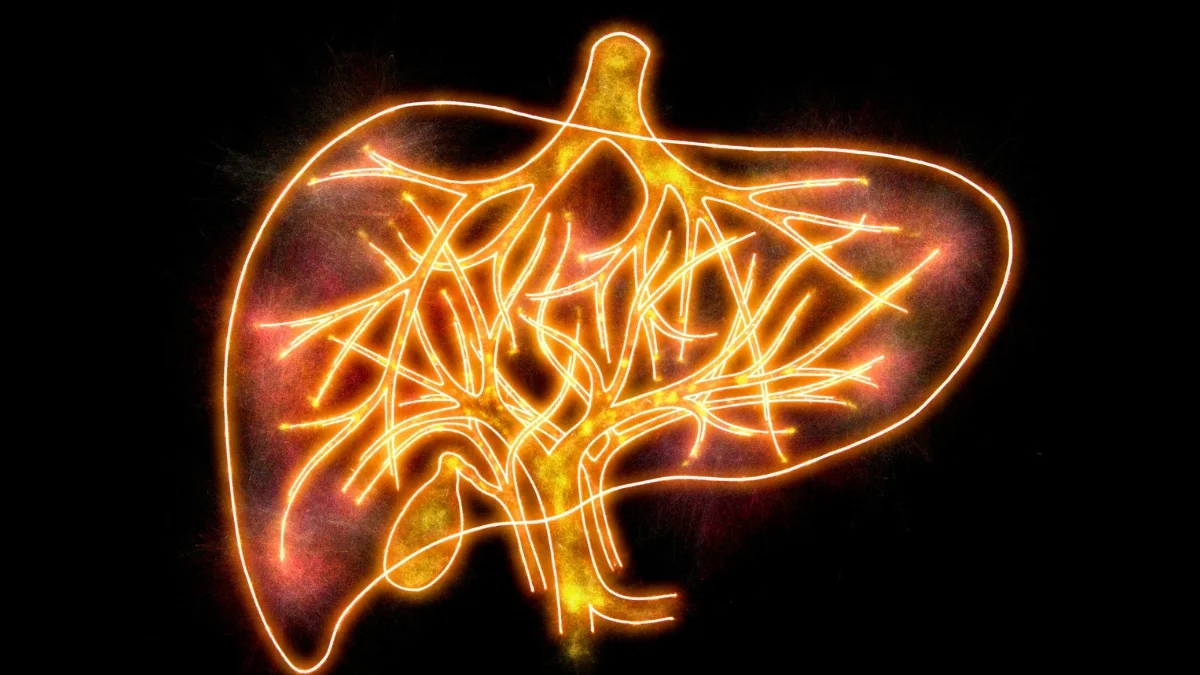
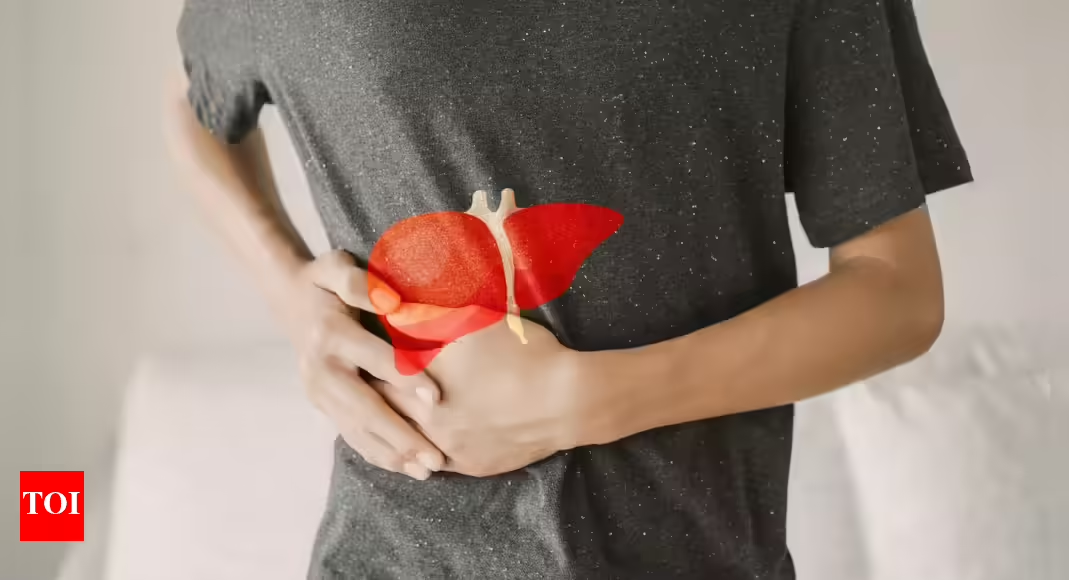
Fatty liver often develops silently, but warning signs such as unexpected belly weight gain, increased blood sugar, darker urine, persistent fatigue, upper abdomen discomfort, and changes in cholesterol levels can indicate its presence. Early recognition of these symptoms is crucial for preventing serious liver damage, and individuals experiencing them should seek medical advice.
Eating garlic regularly, staying hydrated, and following a healthy diet can help heal a sluggish liver within 60 days by boosting liver enzymes, reducing oxidative stress, and preventing fatty liver disease, especially when combined with lifestyle improvements.
A top gastroenterologist reveals 10 foods that can help reverse fatty liver disease, including walnuts, extra virgin olive oil, tempeh, garlic, coffee, oats, green tea, cruciferous greens, avocados, and berries, which support liver detoxification, reduce fat accumulation, and improve liver function.
Liver cancer is a growing concern in India, but many risk factors are modifiable through lifestyle changes such as vaccination, limiting alcohol, maintaining a healthy weight, avoiding toxins, quitting smoking, and regular health screenings, which can significantly reduce the risk of developing the disease.
The article highlights five everyday foods—coffee, green tea, grapefruit, cruciferous vegetables, and nuts—that can help strengthen and improve liver function, supported by scientific research. These foods contain antioxidants and compounds that protect against liver damage, reduce inflammation, and promote detoxification, emphasizing the importance of diet in maintaining liver health.
Pomegranate juice is highly nutritious and offers numerous health benefits including supporting liver health, improving brain function, reducing inflammation in diabetes, enhancing female reproductive health, promoting oral health, boosting exercise endurance, alleviating arthritis, lowering blood pressure, regulating cholesterol, and preventing prostate cancer, making it a powerful natural remedy for various health issues.
Non-Alcoholic Fatty Liver Disease (NAFLD) is linked to nutritional imbalances, particularly deficiencies in copper and vitamin A, and excess intake of fruit sugar (fructose). Dr. DeBease suggests that supporting liver health involves eliminating fruit, reducing carbs, and increasing nutrient-dense foods like organ meats to aid iron processing and repair liver damage. The approach emphasizes internal nutritional support over simply reducing fat intake.
An AIIMS-trained gastroenterologist highlights how habits like poor sleep, late-night meals, and toxin exposure can impair liver function, despite its ability to regenerate. Key tips include drinking coffee in moderation, maintaining good sleep, staying hydrated, and avoiding toxins and unsafe supplements to protect liver health.
A top gastroenterologist shares six tasty snacks—such as dates with walnuts, sauerkraut, mixed nuts with dark chocolate, apples with honey, avocado, and Greek yogurt with berries—that can help boost liver health and combat fatty liver disease, emphasizing the importance of good nutrition and probiotics.
A study suggests up to 13% of dementia diagnoses in the US may be misdiagnoses, with some cases actually caused by treatable liver-related conditions like hepatic encephalopathy, highlighting the importance of liver health screening in cognitive decline cases.
The article highlights simple morning rituals to support liver health, including staying active, eating blueberries, drinking black coffee, snacking on nuts, and practicing good hygiene to prevent infections like hepatitis, all of which can help reduce the risk of liver diseases such as NAFLD and improve overall liver function.
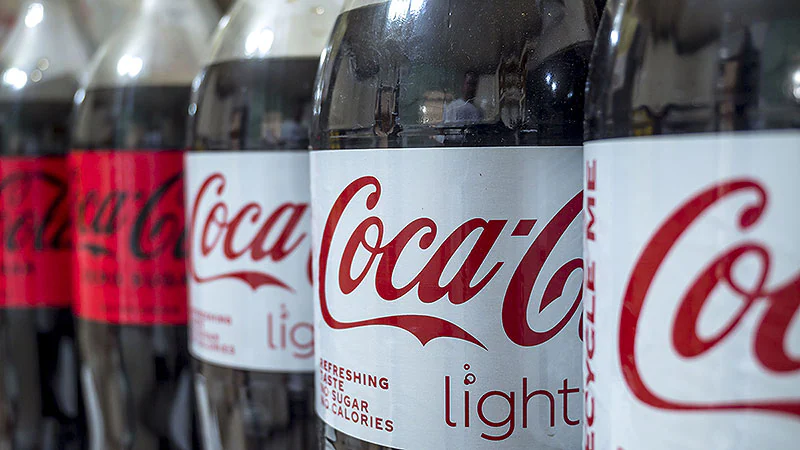
A large UK study found that both sugar-sweetened and artificially sweetened drinks are associated with a higher risk of liver disease (MASLD), with artificially sweetened drinks potentially being more harmful, highlighting water as the safest beverage choice.
Gastroenterologist Dr. Pradip Vekariya highlights pedal edema, or swollen feet, as an early warning sign of fatty liver disease, emphasizing the importance of early detection to prevent disease progression and serious liver damage.