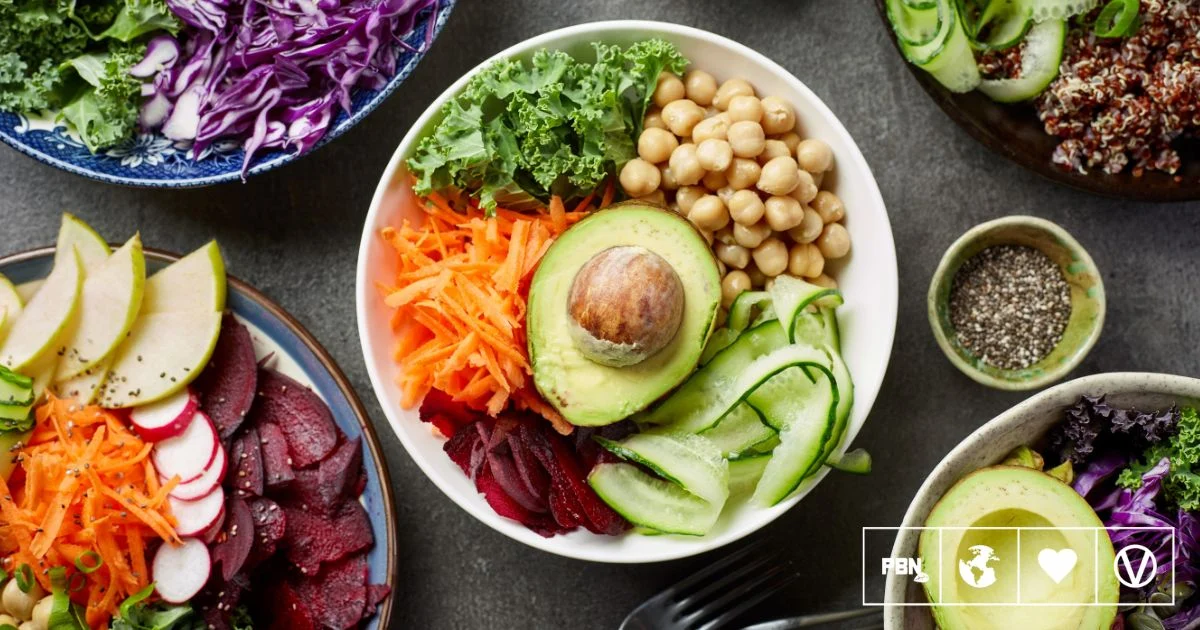
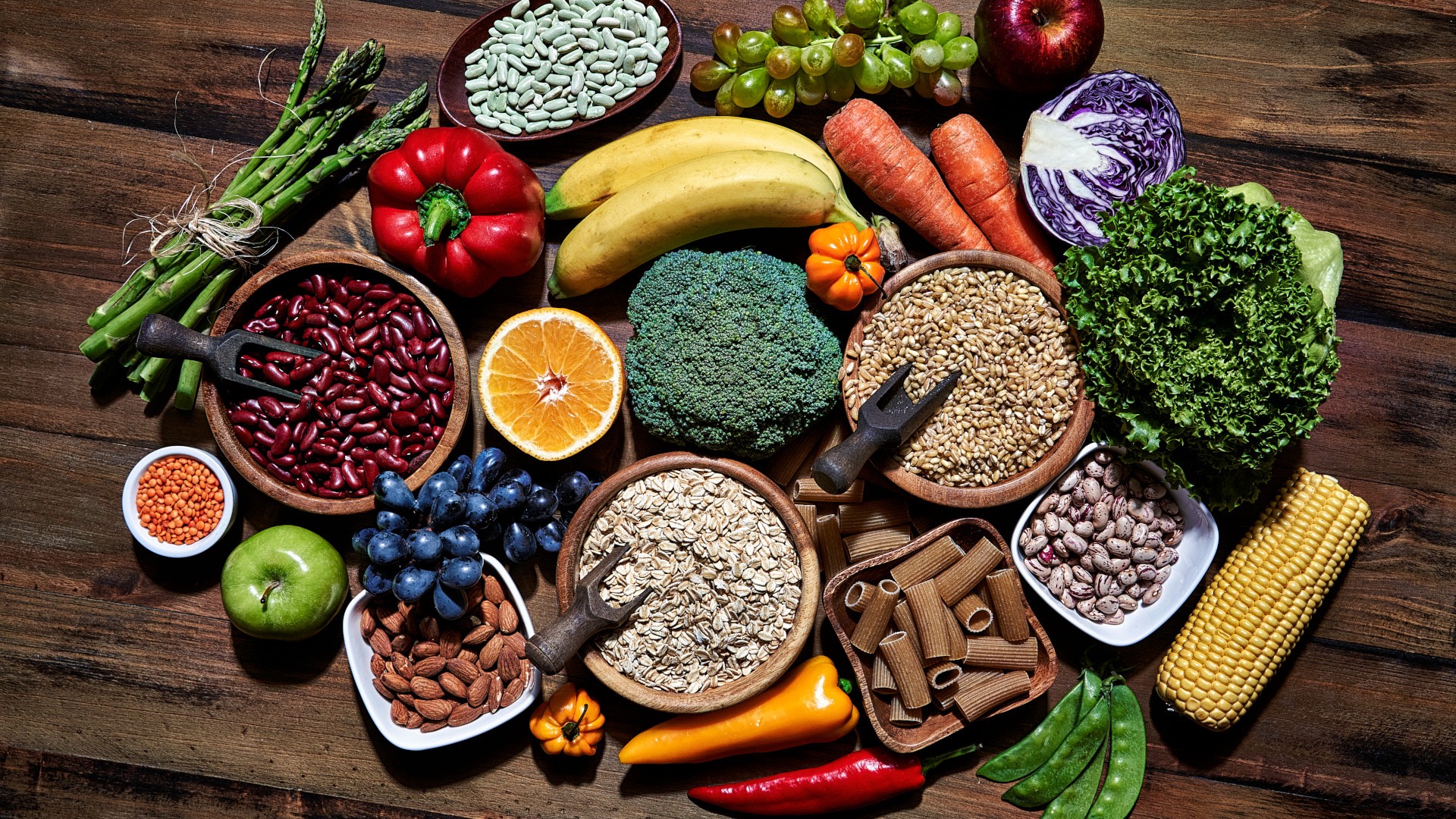
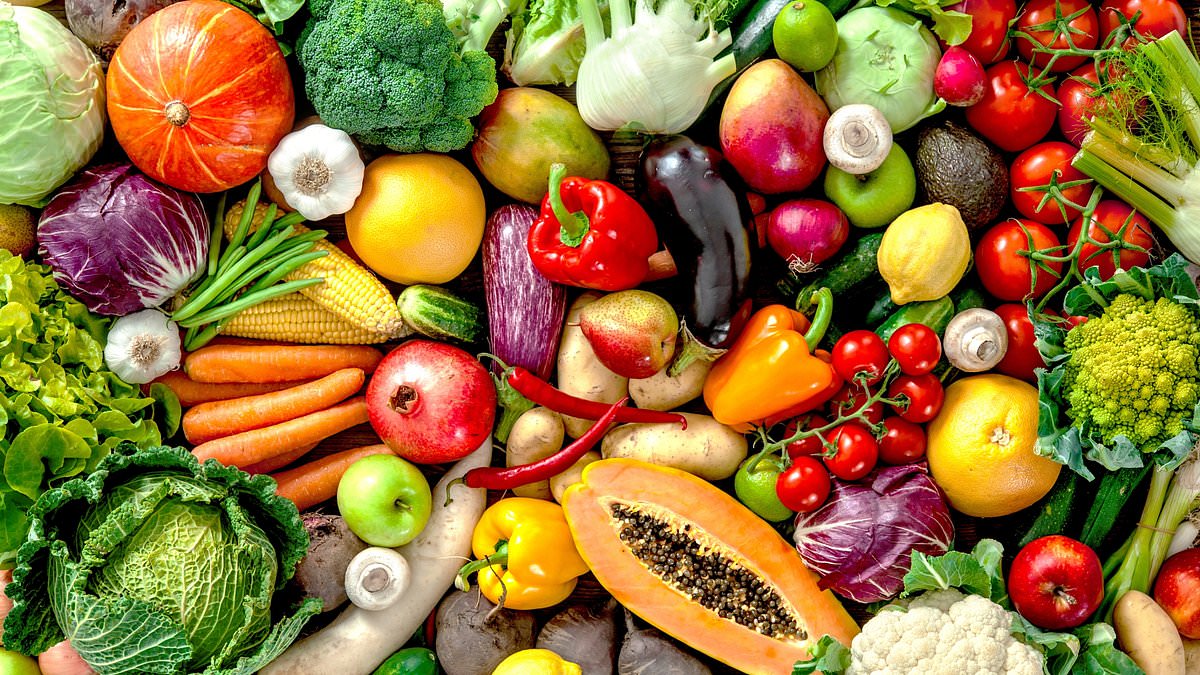
A new study finds that a low-fat vegan diet leads to greater weight loss than the Mediterranean diet, even when including foods labeled as 'unhealthy' in plant-based scoring systems, mainly due to avoiding animal products and reducing oils and nuts.
A new study suggests that a low-fat vegan diet may be more effective for weight loss than the Mediterranean diet, emphasizing the benefits of replacing animal products with plant-based foods to enhance satiety and reduce calorie intake.
Two British twins conducted a three-month experiment comparing vegan and omnivorous diets, revealing that the vegan diet increased energy and improved gut health, while the omnivorous diet supported muscle growth, highlighting the different impacts of each diet on the body.
Jan Heemskerk, former Dutch Playboy editor, was diagnosed with Parkinson's in 2021 and has since become an advocate for awareness and lifestyle changes, including adopting a vegan diet and engaging in strength training, to manage the disease and highlight environmental factors contributing to Parkinson's.
The article outlines seven common mistakes vegans make that can lead to fatigue, including under-eating calories, neglecting vitamin B12 and iron, consuming processed carbs, ignoring omega-3s, sacrificing sleep, and not monitoring health data. It offers practical tips to address these issues, emphasizing balanced nutrition, supplementation, sleep hygiene, and regular health check-ins to maintain energy and well-being on a vegan diet.
The article shares a personal journey of overcoming fatigue, bloating, and mental fog caused by an improperly managed vegan diet. It emphasizes the importance of focusing on whole, minimally processed foods, ensuring adequate protein, supplementing B12 and iron, gradually increasing fiber intake, and listening to one's body rather than following social media trends. With these adjustments, the author regained energy, clarity, and health, highlighting that veganism is most effective when approached with intention, balance, and self-compassion.
A study funded by the beef industry intended to show the superiority of animal protein over plant protein instead found no significant difference in muscle protein synthesis between the two. The study, which involved 17 women consuming different protein sources, revealed that even "incomplete" plant proteins can effectively stimulate muscle growth. This adds to the growing body of evidence supporting the nutritional adequacy of plant-based diets, despite industry efforts to promote animal protein.
Sam Bankman-Fried, the FTX founder facing a 25-year sentence, may struggle to maintain his vegan diet in prison, particularly if he is sent to a facility with limited vegan options. The judge recommended a low- or medium-security prison, taking into account Bankman-Fried's wealth and autism diagnosis. A prison consultant suggested that his safety could be at risk in a medium-security facility, and food options are likely to be an issue regardless of the prison's security level.
A groundbreaking study by the Physicians Committee for Responsible Medicine reveals that a low-fat vegan diet can reduce insulin needs and improve insulin sensitivity, glycemic control, cholesterol levels, kidney function, and weight for people with type 1 diabetes. The 12-week study, the first of its kind, showed that participants on the vegan diet reduced insulin needs by 28% and increased insulin sensitivity by 127%, while also experiencing weight loss and improved cholesterol levels. The findings suggest that a low-fat vegan diet may be beneficial for managing blood sugar levels and reducing cardiovascular risk in individuals with type 1 diabetes.
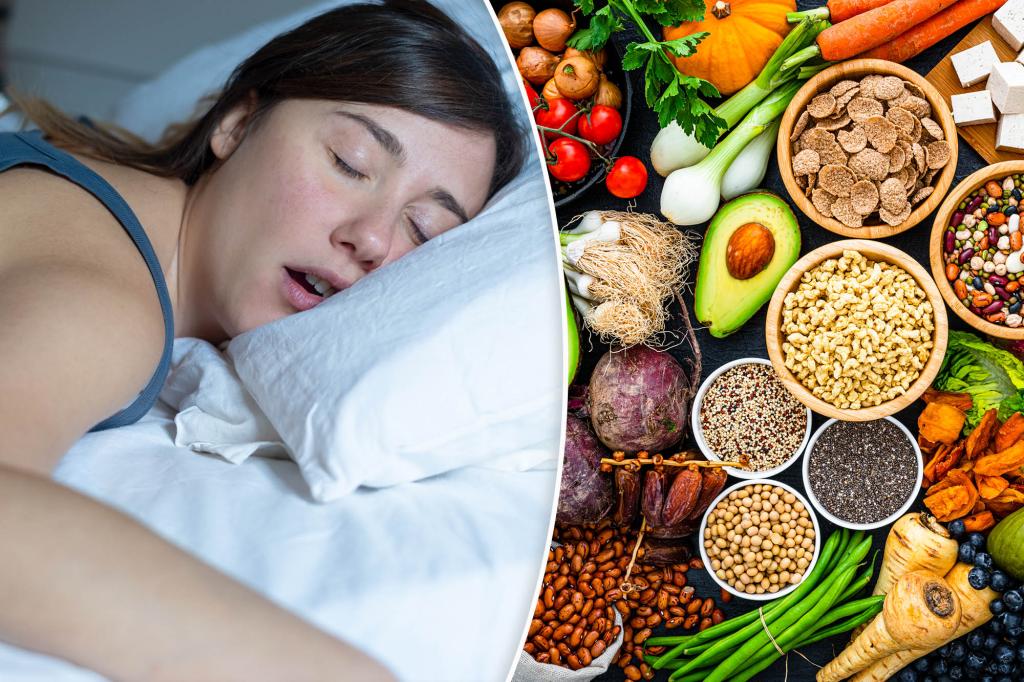
A study suggests that switching to a vegan diet may reduce the risk of obstructive sleep apnea (OSA) by nearly 20%. Researchers found that those consuming plant-based foods were less likely to experience OSA symptoms. The study, based on data from 14,000 participants, highlights the potential impact of overall dietary patterns on OSA risk. The findings emphasize the importance of a healthy diet in managing the risk of OSA and suggest that incorporating a variety of vegetables, fruits, and whole grains while minimizing unhealthy foods could greatly improve overall health.
A study suggests that a vegan diet rich in fruits, vegetables, grains, and nuts could improve the sex lives of men and treat erectile dysfunction, particularly for those undergoing prostate cancer treatment. The research found that a plant-based diet improved men's sexual function and urinary health by up to 11-14%, and hormonal health by up to 13%. The study challenges the historical misconception that eating meat boosts sexual function in men and supports previous research indicating the benefits of a plant-based diet in reducing the risk of developing prostate cancer.
A new Stanford Medicine study suggests that following a vegan diet may improve cardiovascular health more than an omnivorous diet, even if the latter is well-balanced. The study found that vegan eaters experienced lower levels of "bad" cholesterol, insulin, and more weight loss in just two months. However, cardiologists emphasize the importance of a nutrient-rich vegan diet to avoid deficiencies in vitamin B12, iron, and calcium. While the Mediterranean diet has long been recommended for heart health, both diets prioritize similar food groups, with the main difference being the inclusion of fish in the Mediterranean diet. Ultimately, the key is to choose a heart-healthy eating plan that is sustainable in the long term, whether it's vegan, Mediterranean, or a combination of both.
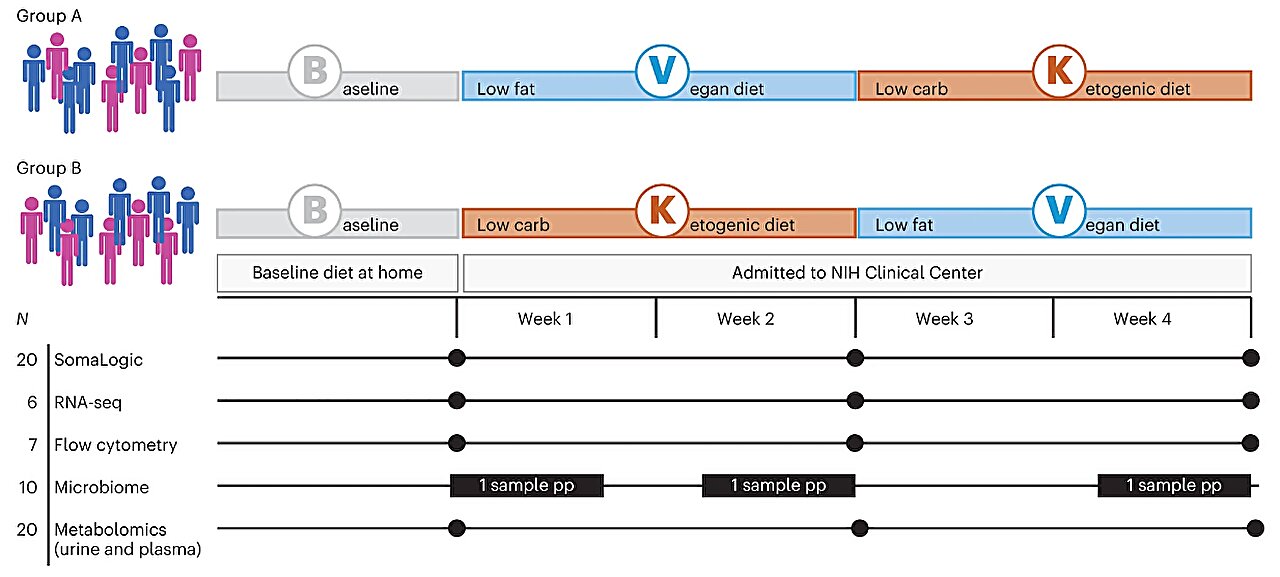
A study by the National Institutes of Health found that adopting either a vegan or ketogenic diet led to rapid and distinct changes in the immune system. The vegan diet was linked to innate immunity, while the keto diet was associated with adaptive immunity responses. The study suggests the potential for personalized disease prevention based on individual dietary choices, but further research is needed to understand the implications of these changes.
A study by the National Institutes of Health found that switching to a vegan or ketogenic diet rapidly and distinctly impacts the immune system. The vegan diet prompted responses linked to innate immunity, while the keto diet prompted responses associated with adaptive immunity. Metabolic changes and shifts in the participants' microbiomes were also observed. More research is needed to determine the implications of these changes on nutritional interventions for diseases such as cancer or inflammatory conditions.
A study by the National Institutes of Health found that switching to a vegan or ketogenic diet rapidly triggers distinct immune system responses, with the vegan diet impacting innate immunity and the keto diet affecting adaptive immunity. Metabolic and microbiome changes were also observed. The study suggests that these rapid immune system responses to dietary changes could potentially be tailored to prevent or complement disease treatments, but further research is needed to determine the health effects of these changes.