A long-term ketogenic diet may prevent weight gain but can cause severe metabolic problems such as fatty liver disease and impaired blood sugar regulation in mice, highlighting potential health risks that warrant caution and medical supervision.
A long-term mouse study suggests that while keto diets may promote weight loss, they can also increase blood lipid levels, cause fatty liver, and impair glucose regulation, raising concerns about their long-term safety for metabolic health. Further research in humans is needed to fully understand these risks.
Research from UT Health San Antonio suggests that ketogenic diets may cause harmful cellular changes in male mice but not females, with estrogen providing protective effects, highlighting potential sex-specific responses to the diet.
A mouse study suggests that a ketogenic diet may accelerate aging in males but not in females, possibly due to estrogen's protective effects; further research is needed to see if these findings apply to humans.
A controversial study on the ketogenic diet's effects on cholesterol and artery plaque has sparked intense debate in the nutrition community, with critics questioning its methodology and conclusions, while some advocates see it as challenging long-standing beliefs about LDL cholesterol and heart disease.
Dr. Mehmet Oz and Dr. Michael Roizen discuss the benefits of a healthy keto diet for individuals with Type 2 diabetes, emphasizing the importance of avoiding red and processed meats and focusing on mono- and poly-unsaturated fats from sources like olive oil and fatty fish. They highlight that a low-carb diet can potentially help reduce medication dependency by encouraging insulin production. The article advises eliminating processed carbs and incorporating vegetables for fiber and nutrients.
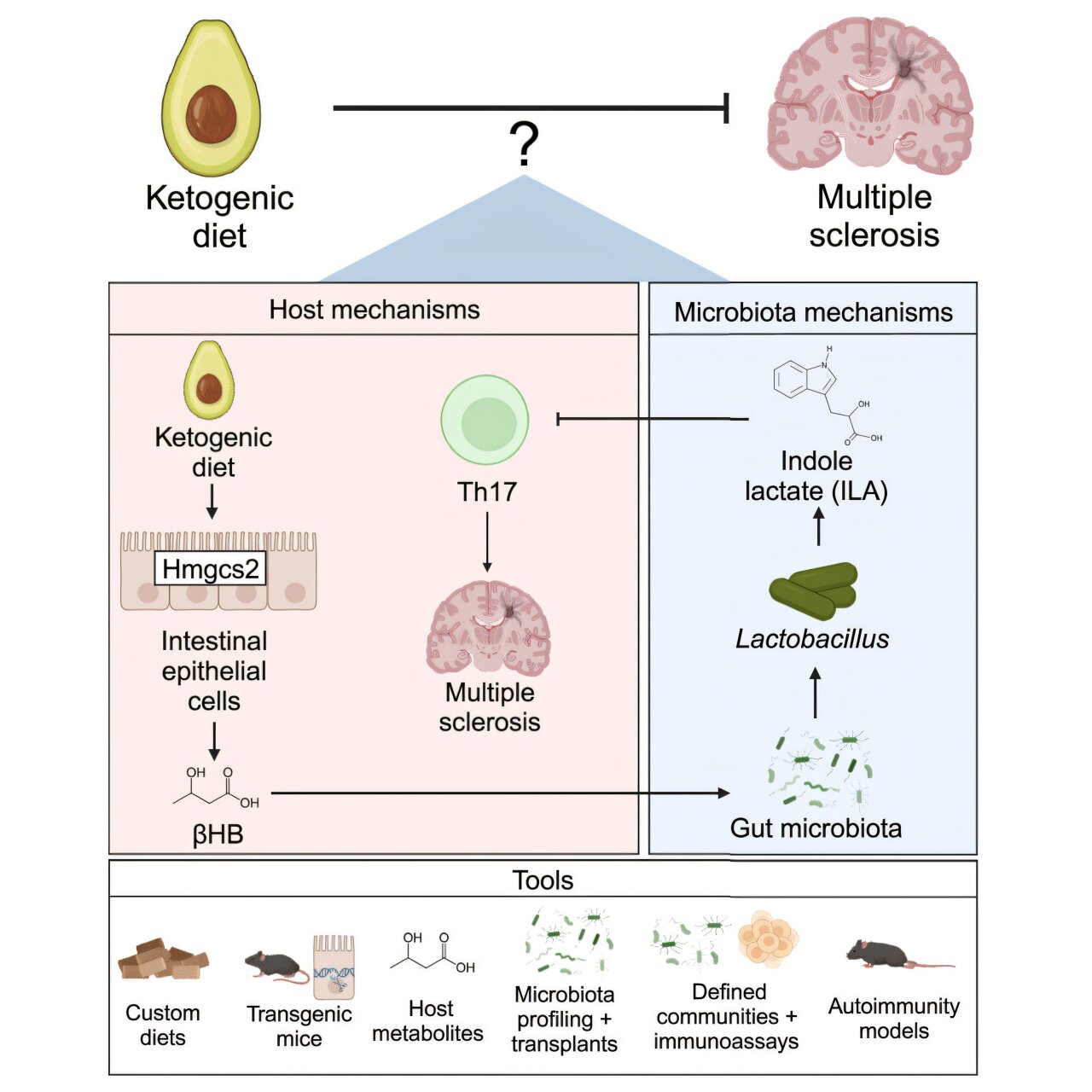
A study published in Cell Reports found that a ketogenic diet can reduce the severity of multiple sclerosis (MS) in mice by altering gut bacteria and their metabolites. The research suggests that molecules produced by gut bacteria, such as beta-hydroxybutyrate (BHB) and indole-3-lactate (ILA), play a crucial role in these benefits. This discovery opens the possibility of using BHB and ILA supplements as a more manageable treatment for MS, potentially bypassing the need for a strict keto diet.
Researchers at UC San Francisco have found that the keto diet may help treat autoimmune disorders like multiple sclerosis by increasing the production of anti-inflammatory compounds. In a study with mice, the diet led to higher levels of the ketone body β-hydroxybutyrate (βHB), which in turn prompted the gut bacterium Lactobacillus murinus to produce indole lactic acid (ILA). This metabolite blocked the activation of T helper 17 immune cells, reducing inflammation. While promising, these findings need further testing in humans.
The ketogenic diet, originally developed to treat epilepsy in children, has become popular for weight loss by emphasizing high fat and low carb intake to induce ketosis. However, experts warn that it is often unsustainable, can lead to nutrient deficiencies, and poses health risks such as heart disease and liver problems. They recommend focusing on long-term, sustainable habits like increased physical activity and a balanced diet rich in fruits, vegetables, and fiber instead.
A study from UT Health San Antonio suggests that long-term ketogenic diets may cause cell aging in organs like the heart and kidneys, but taking intermittent breaks from the diet can prevent these negative effects. Researchers recommend planned breaks to enhance the benefits of a ketogenic diet and avoid potential long-term consequences.
US scientist Professor David Gius suggests taking regular "keto vacations" to mitigate the potential negative effects of a ketogenic diet, such as the accumulation of ageing cells in organs. His study on mice showed that while the keto diet has initial health benefits, prolonged adherence may accelerate organ ageing. Periodically switching back to a standard diet can reduce these ageing cells, indicating that a cycling ketogenic diet might be more beneficial.
A study in Current Problems in Cardiology suggests the ketogenic diet may be harmful to health, leading to higher LDL cholesterol and increased risk of heart disease, vitamin deficiencies, and kidney stones. The diet's popularity is declining, with a 4% drop in 2024 compared to 2023.
A study suggests that following the keto diet, popularized by Kourtney and Kim Kardashian, may help delay the onset of Alzheimer’s disease by increasing levels of a molecule called beta-hydroxybutyrate (BHB), which plays a role in preventing early memory decline. The diet involves swapping out carb-heavy foods for higher fat ones and has shown benefits in improving memory-related brain changes in mice. While the keto diet is controversial, the study's findings could be significant for Alzheimer's prevention in humans, especially for females at higher risk for the disease.
Ashley Gertley, a 23-year-old salon owner from Toronto, Canada, shed 90lbs in a year by prioritizing her health over work, adopting a "dirty keto lifestyle" with high-protein, low-carb meals, and incorporating regular exercise. Her TikTok documenting her journey went viral, inspiring others to prioritize their wellbeing. While her approach worked for her, experts emphasize the importance of finding a sustainable dietary pattern that suits individual lifestyles and preferences.
Ardie Lush, a 69-year-old retiree from British Columbia, credits her 70-pound weight loss to a protein bread recipe that incorporates whey protein, which she bakes every Sunday. Whey protein has been found to aid in weight loss, particularly for individuals over 50, by stimulating fat loss, boosting metabolism, and curbing hunger. Ardie's success story highlights the benefits of incorporating protein bread into a healthy eating plan, such as the keto diet, and she shares a recipe for whey protein bread along with meal ideas to inspire others looking to use protein bread for weight loss.