The article criticizes RFK Jr.'s plan to conduct a controversial and potentially unethical study in Guinea-Bissau, where children will be deliberately delayed in receiving hepatitis B vaccines to test alleged long-term neurological harms, echoing historical abuses like the Tuskegee experiment.
A recent study challenges the safety of liberalized diets for neutropenic cancer patients, showing that less restrictive diets may lead to higher infection rates without improving nutrition or quality of life, prompting a reevaluation of dietary guidelines in oncology care.
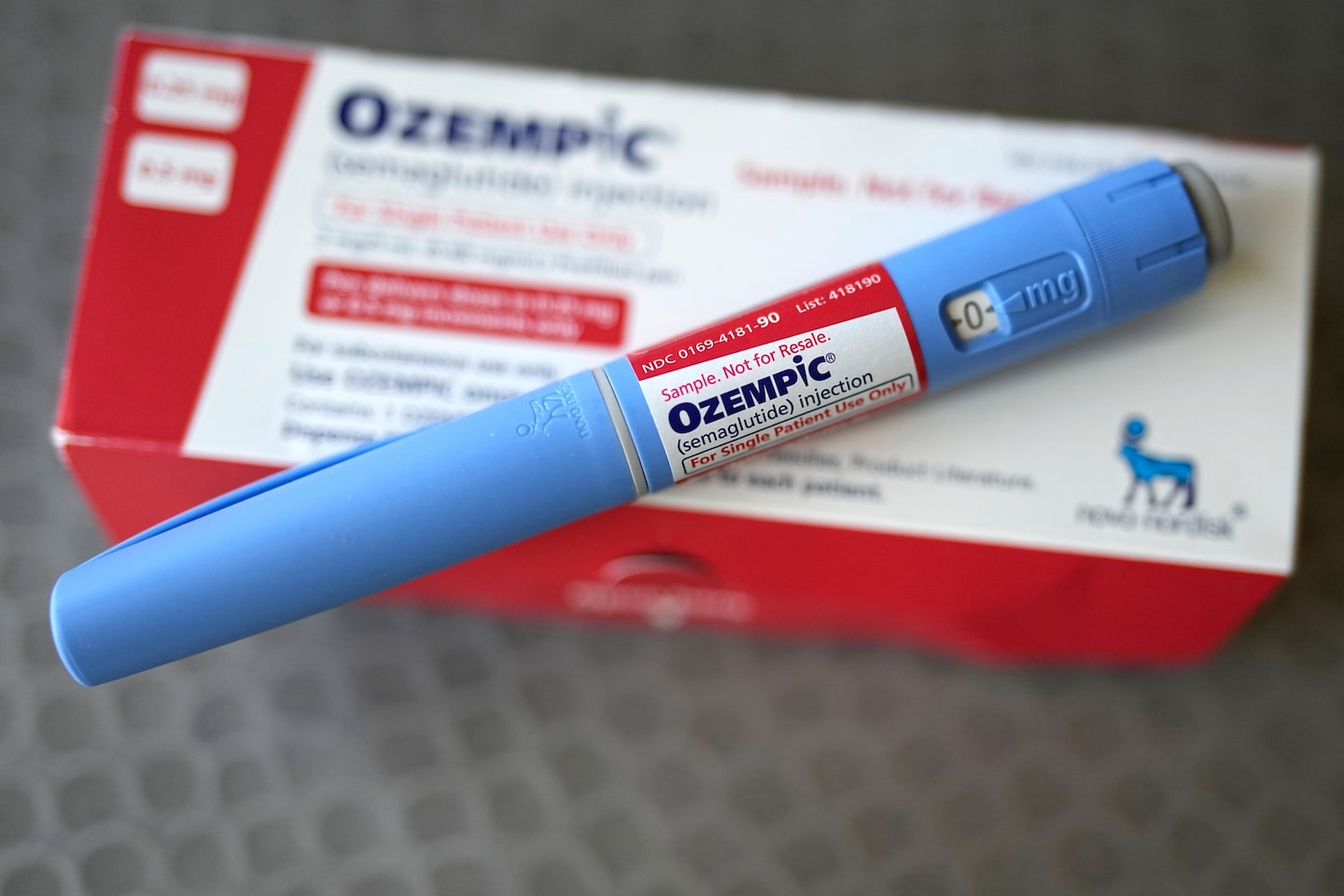
A new study published in the New England Journal of Medicine reveals that semaglutide, the active ingredient in Ozempic, significantly reduces knee pain in arthritis patients, with some experiencing such improvement that they no longer required treatment. Conducted across 11 countries, the trial showed a nearly 50% reduction in knee pain among participants, attributed to both weight loss and semaglutide's anti-inflammatory effects. However, concerns remain about potential pain recurrence if patients stop the medication.
A major study has found that Ozempic's active compound, semaglutide, significantly reduces the risk of death from chronic kidney disease by 24%, potentially expanding its use. The study, funded by Novo Nordisk and involving 3,533 patients, was so conclusive that it was stopped early, impacting dialysis company shares.
A diabetes drug, lixisenatide, has shown potential in slowing the progression of motor issues associated with Parkinson's disease in a clinical study. The drug, which belongs to a class of drugs called GLP-1 receptor agonists, demonstrated a modest effect in preventing worsening of movement symptoms in patients with early-stage Parkinson's. However, gastrointestinal side effects were common, and further research is needed to confirm its safety and efficacy before it can be considered for widespread use.
A groundbreaking study by the Physicians Committee for Responsible Medicine reveals that a low-fat vegan diet can reduce insulin needs and improve insulin sensitivity, glycemic control, cholesterol levels, kidney function, and weight for people with type 1 diabetes. The 12-week study, the first of its kind, showed that participants on the vegan diet reduced insulin needs by 28% and increased insulin sensitivity by 127%, while also experiencing weight loss and improved cholesterol levels. The findings suggest that a low-fat vegan diet may be beneficial for managing blood sugar levels and reducing cardiovascular risk in individuals with type 1 diabetes.
A large clinical study conducted in South Africa, Uganda, and Zimbabwe found that the monthly dapivirine vaginal ring and daily oral pre-exposure prophylaxis (PrEP) with tenofovir disoproxil fumarate and emtricitabine are safe for HIV prevention among pregnant cisgender women who started using them in their second trimester. The study, presented at the 2024 Conference on Retroviruses and Opportunistic Infections, showed that both methods were safe throughout pregnancy, with no concerning findings related to the study products and no instances of HIV acquisition among participants.
A study published in the journal JAMA revealed that patients who discontinued treatment with Eli Lilly's weight-loss drug Zepbound experienced a 14% weight regain nearly a year later, while those who continued the treatment saw an additional 5.5% weight reduction. The drug, which targets the GLP-1 hormone to induce a feeling of fullness, is sold as Zepbound for weight loss and as Mounjaro for type 2 diabetes. The study highlights the need for longer-term therapy with GLP-1 drugs to maintain weight loss, as discontinuing such medications can lead to weight regain.
A study published in The Journal of Clinical Psychiatry has found that semaglutide treatments like Ozempic and Wegovy, which are used for weight loss, may also help reduce symptoms of alcohol use disorder (AUD). The study showed a significant decrease in Alcohol Use Disorders Identification Test (AUDIT) scores for six patients receiving semaglutide treatment. The medication was found to modify dopamine and decrease cravings for alcohol. However, due to supply and safety issues, the researchers do not currently recommend using semaglutide treatments specifically for AUD. Further research and clinical trials are needed to determine the safety and efficacy of using these medications for alcohol addiction.
Pfizer has announced that it will discontinue the development of the twice-daily version of its experimental weight loss pill due to high rates of adverse side effects observed in a mid-stage clinical study. The drug showed promising results in terms of weight loss, but patients had difficulty tolerating the medication, with gastrointestinal issues being the most common side effect. Pfizer still plans to release phase two trial data on a once-a-day version of the drug in 2024, which will determine whether it will proceed to phase three studies. This setback puts Pfizer further behind competitors in the weight loss drug market, such as Eli Lilly and Novo Nordisk.
A new study has found that the diabetes drug Mounjaro, also known as tirzepatide, helped people with obesity or who are overweight lose an average of 60 pounds when combined with intensive diet and exercise. The drug, which targets hormones that regulate appetite and fullness, has the potential to be a powerful treatment for obesity. Participants who received tirzepatide lost an additional 18.4% of their initial body weight, while those who received a placebo regained some weight. Side effects such as nausea and diarrhea were reported, but were mostly mild to moderate. The drug is currently approved for diabetes treatment and is undergoing fast-track review for obesity treatment.
A clinical study has found that the psychedelic drug MDMA, commonly known as ecstasy, can effectively alleviate symptoms of post-traumatic stress disorder (PTSD). The promising results pave the way for potential approval of MDMA as a treatment for PTSD in the United States.
A study published in The Lancet suggests that combining the anti-inflammatory drug piroxicam with the levonorgestrel emergency contraceptive pill can significantly increase its effectiveness in preventing pregnancies. The research found that 95% of pregnancies were prevented when levonorgestrel was taken with piroxicam, compared to 63% when levonorgestrel was taken alone. The study also noted minimal side effects. However, further research is needed to understand the mechanism of piroxicam and its applicability to different populations. The findings could potentially lead to changes in clinical guidelines for emergency contraception.
A small study conducted at the University at Buffalo has found that treating newly diagnosed type 1 diabetes patients with semaglutide may significantly reduce or eliminate their need for injected insulin. The study involved 10 patients who were treated with semaglutide while also taking meal-time and basal insulin. Within three months, all mealtime insulin doses were eliminated, and within six months, basal insulin was eliminated in 7 out of 10 patients. The patients' average blood sugar levels improved, and the most common side effects were nausea and vomiting. Further research is needed to validate these findings, but if confirmed, it could be a significant advancement in type 1 diabetes treatment.
A study funded by Novo Nordisk, the maker of the weight loss drug Wegovy, found that the drug eased symptoms and improved the quality of life for patients with obesity and a common type of heart failure known as preserved ejection fraction. The study showed that patients given Wegovy experienced greater improvements in physical fitness and heart failure symptoms compared to those given a placebo. The drug also showed more pronounced relief of heart failure symptoms than other treatments. The findings suggest that obesity should be treated as a root cause of heart failure and targeted as a therapeutic strategy. Further studies are needed to determine the long-term benefits and effects of the drug.