Jelly Roll, the singer-songwriter, shares his inspiring journey of losing 275 pounds over five years, focusing on physical and mental health, with insights on managing food addiction and the importance of starting with small, manageable changes. He appears on the cover of Men’s Health and discusses his comprehensive approach to health, including therapy and dietary adjustments.
Jelly Roll, a prominent country singer, has lost 275 pounds and opened up about his weight loss journey in Men's Health, highlighting his struggles with food addiction and his dedication to exercise and self-improvement.
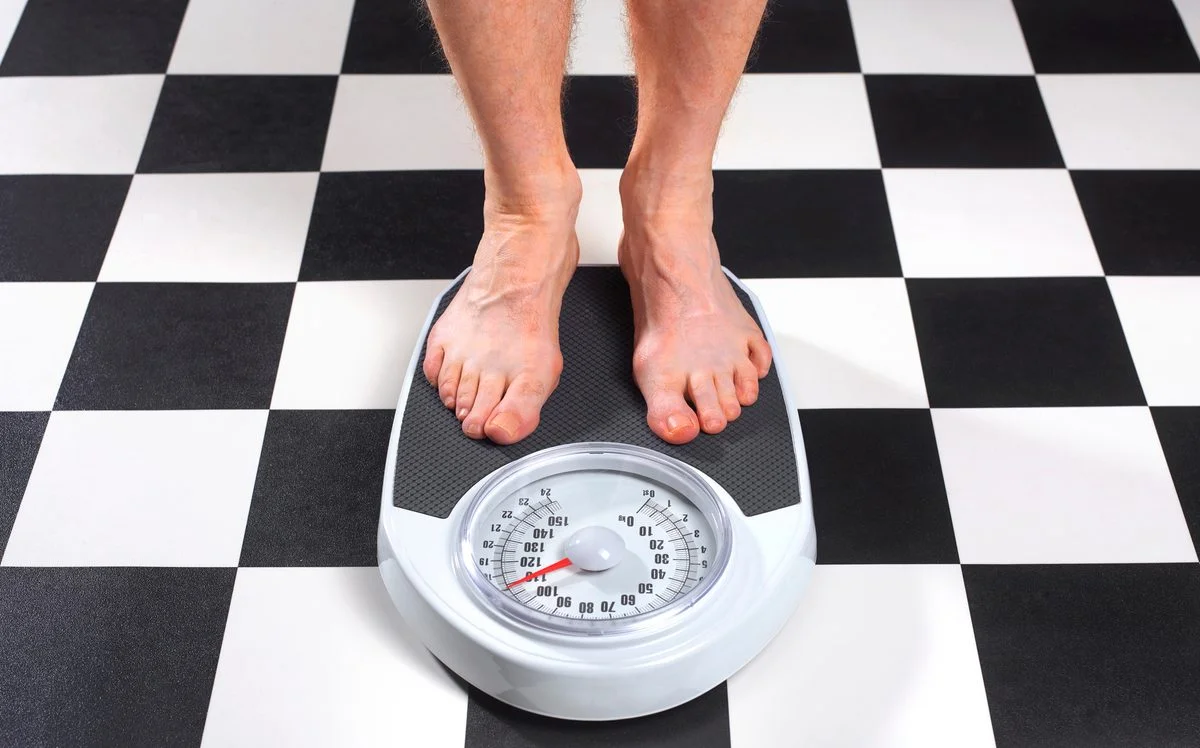
To effectively lose a paunch, men should adopt a combined approach of a healthy diet and regular exercise, including cardio and core strengthening exercises, while avoiding excess alcohol and processed foods. Managing stress and maintaining a healthy lifestyle are crucial for reducing visceral fat and improving overall health.
A study published in European Urology suggests that men who ejaculate around 21 times a month may have a lower risk of developing prostate cancer, possibly due to flushing out harmful chemicals or healthier lifestyle habits, with orgasms also providing mental health benefits.
A study suggests that ejaculating once daily may reduce prostate cancer risk by 20%, and early symptoms include blood in urine or semen, frequent urination, and difficulty starting urination. Awareness of symptoms and regular ejaculation could help in prevention and early detection.
Increasing HPV vaccination among boys, alongside girls, could significantly accelerate the elimination of HPV-related cancers, including cervical cancer, by achieving herd immunity more efficiently, as demonstrated by a new mathematical model based on South Korea's data.
Dr. Timothy Johnson, a former medical editor, revealed he is battling prostate cancer that was diagnosed after a PSA test, highlighting the importance of regular screening for men over 70, despite current guidelines advising against routine testing in this age group.
Men should be vigilant about six key health warning signs—erectile dysfunction, hair loss, unexplained fatigue, mood changes, urination issues, and unexplained weight changes—as they can indicate serious underlying conditions like cardiovascular disease, diabetes, or cancer. Early detection and consultation with a GP are crucial for effective treatment and better health outcomes.
Andropause, often called male menopause, is a gradual decline in testosterone levels in men starting from their mid-30s, leading to symptoms like fatigue, mood swings, low libido, muscle loss, and sleep issues. It is influenced by aging, lifestyle, and chronic illnesses, and can be managed through lifestyle changes, medical evaluation, and, in some cases, testosterone replacement therapy under medical supervision.
A landmark study published in NEJM shows that pairing Leuprolide and Enzalutamide significantly increases survival rates for men with high-risk, recurring prostate cancer, emphasizing early detection, proactive treatment, and lifestyle management to improve quality of life.
A Polish study found that women perceive men with lower body fat as more attractive, and facial masculinity correlates with higher testosterone and age. While initial links between facial appearance and health markers like cardiometabolic health were observed, these were explained by broader factors such as adiposity, age, and testosterone levels, suggesting facial cues reflect overall biological condition rather than specific health issues.
Jason Fox, a 49-year-old former Special Forces soldier, discussed his experience with declining testosterone levels, which measured at 11 nmol/L—below the optimal range—contributing to his fatigue and aches. While age-related testosterone decline is common, some men may have hormonal issues that can be addressed, though testosterone therapy should be considered carefully. The article highlights the natural decrease in testosterone with age and the potential for hormonal treatment.
A longevity expert emphasizes the importance of hormonal health in middle-aged men, highlighting that declining testosterone levels—by 30-50% between ages 30 and 70—can impact sexual function, mood, metabolism, and muscle mass. He recommends men get tested for testosterone levels and suggests lifestyle changes like healthy eating and resistance training to naturally boost testosterone, potentially improving quality of life and long-term health.
Men's testosterone levels are declining globally due to lifestyle factors like obesity, poor diet, and inactivity. To boost testosterone naturally, strategies include losing belly fat, strength training, cardio, HIIT, adopting a Mediterranean diet, reducing inflammatory foods, increasing omega-3 intake, getting sunlight for vitamin D, ensuring adequate zinc, limiting alcohol, eating green vegetables, sleeping well, managing stress, and avoiding overtraining. These changes can help improve overall health and hormonal balance.
Post-coital dysphoria (PCD) affects about 40% of men, causing emotional reactions like tears, sadness, or irritability after sex, often due to hormonal shifts and psychological factors. While common, ongoing distress may benefit from professional help.