Tag

Tissue Regeneration

All articles tagged with #tissue regeneration

science19 days ago

New Research Solves 50-Year Tissue Regeneration Mystery

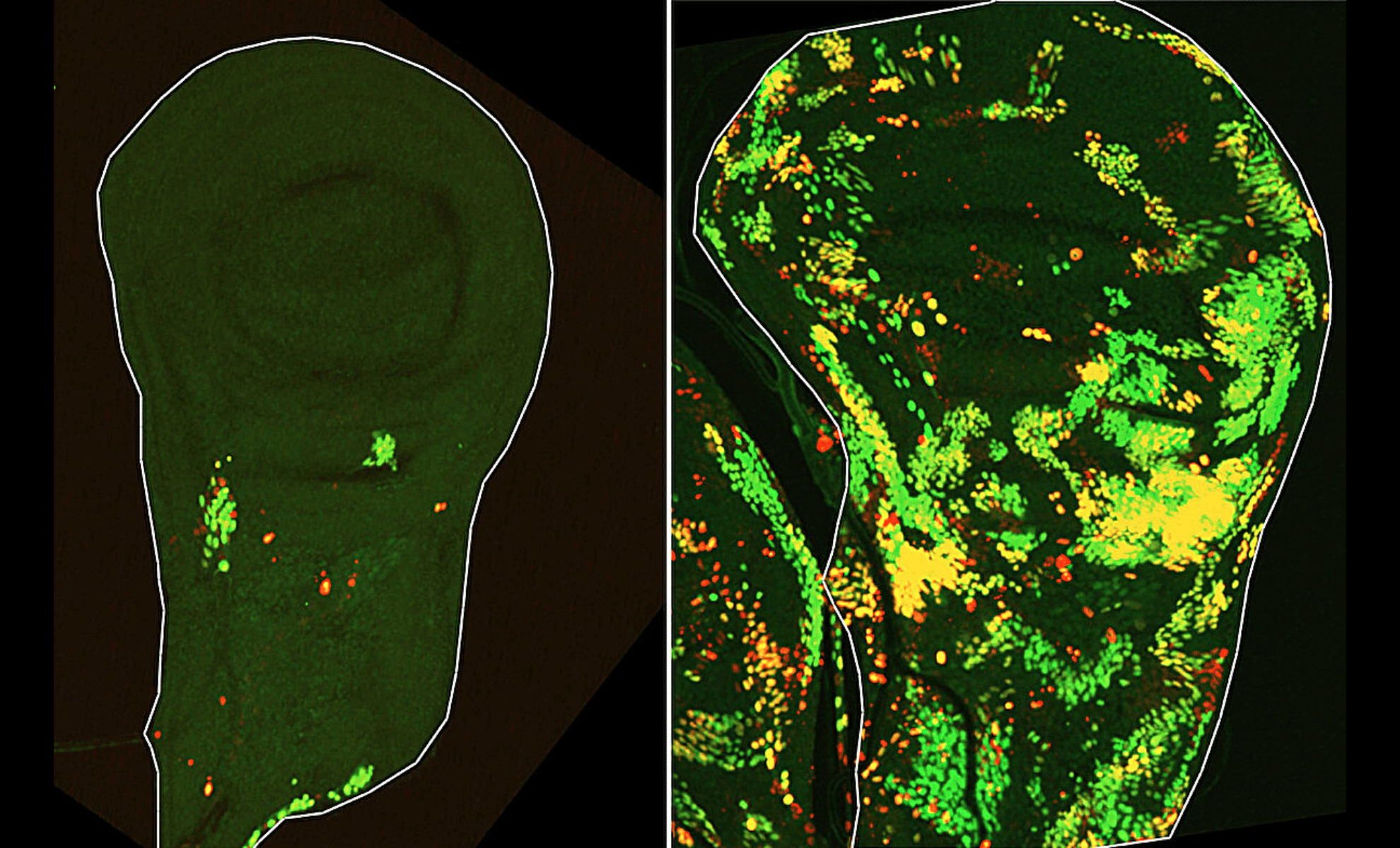
New research uncovers the molecular mechanisms behind tissue regeneration, identifying DARE and NARE cells that resist death and contribute to healing, with implications for understanding cancer resistance and improving therapies. The study highlights a motor protein that prevents apoptosis in DARE cells and reveals how resistance traits are inherited, potentially explaining tumor recurrence after radiation treatment.

science6 months ago

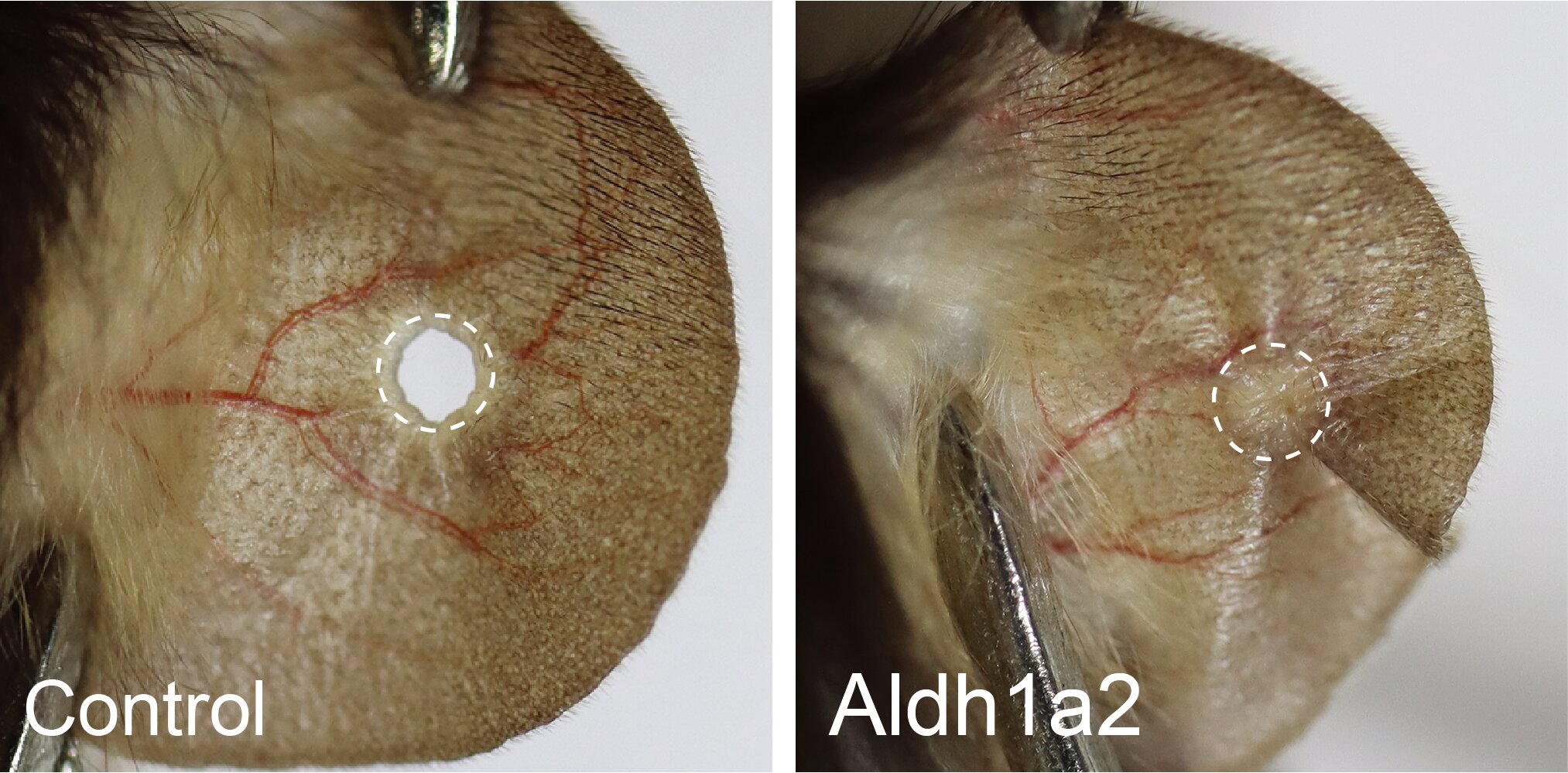
Genetic switch enables tissue regeneration in mammals, Chinese research shows

Researchers have discovered that activating a dormant gene, Aldh1a2, in mice can restore their ability to regenerate ear tissue, including cartilage and nerves, by increasing retinoic acid production. This finding suggests potential pathways to enhance regenerative medicine in mammals by reactivating ancient genetic mechanisms that have been silenced over evolution.

science-and-technology2 years ago

"Scientists Develop Living 'Anthrobots' from Human Cells for Tissue Repair and Alzheimer's Treatment"

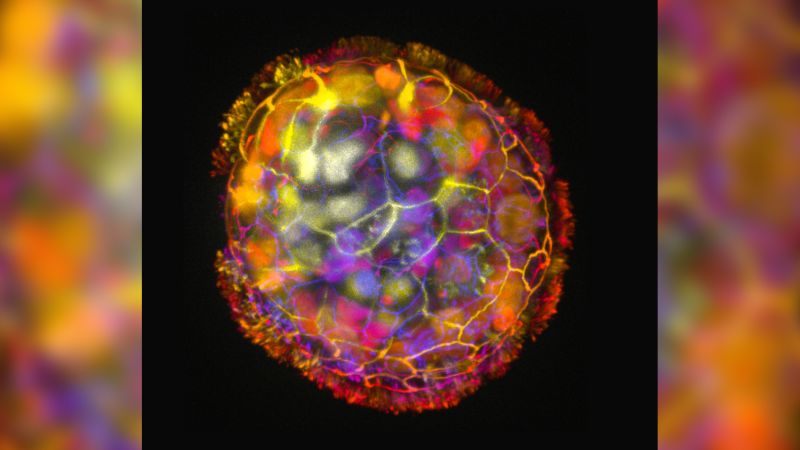
Scientists have developed tiny living robots, called anthrobots, using human cells that can move and potentially aid in wound healing and tissue regeneration. The researchers used tracheal cells with cilia, which were manipulated to face outward and act as oars for movement. The anthrobots exhibited different shapes, sizes, and movement patterns. In experiments, they showed the ability to encourage growth in damaged human neurons. The study provides a foundation for future applications of bio-bots in various forms, with potential uses in medical research and treatments. The anthrobots are not genetically modified and have a limited lifespan, biodegrading after a few weeks.

science-and-technology2 years ago

Advancements in Nerve Regeneration and Scarless Healing: A Scientist's Promising Journey

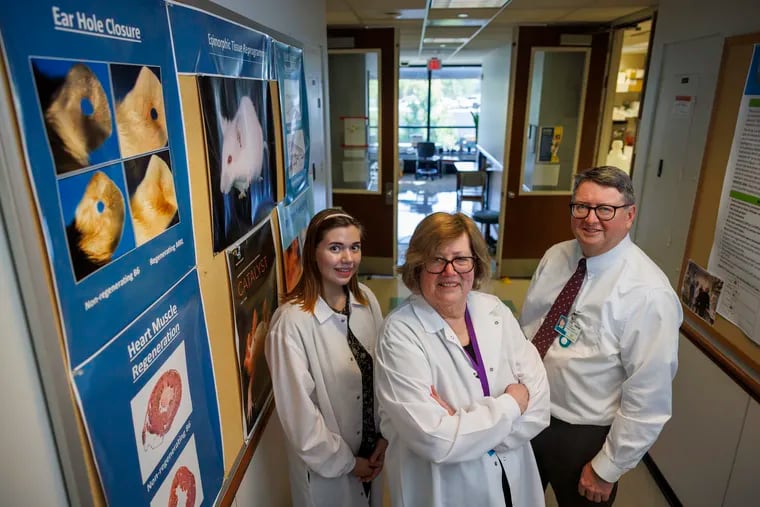
Scientist Ellen Heber-Katz has spent over two decades studying super-healing mice and their ability to regenerate tissue without scarring. She deciphered the genetic quirks behind their restorative ability and developed a drug, 1,4-DPCA, that activates this response in normal mice. The drug has shown promise in treating external wounds, nerve damage, periodontal disease, and osteoporosis in animal studies. While some biologists are skeptical about the potential for true regeneration in mammals, Heber-Katz believes the drug prompts the growth of healthy new cells, similar to what happens in embryos. She plans to test the drug in larger animals and eventually in humans.

health2 years ago

The Crucial Role of Vitamin B12 in Cellular Reprogramming and Tissue Regeneration

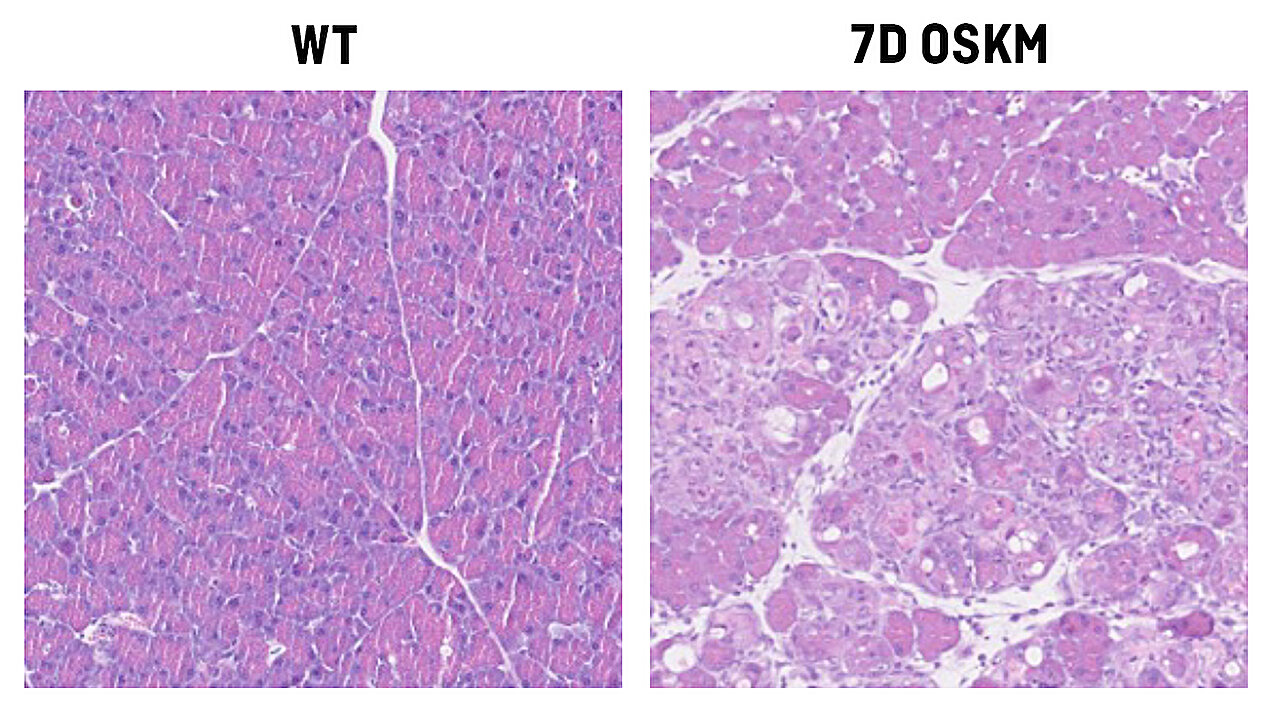
A study led by researchers at IRB Barcelona has found that vitamin B12 plays a crucial role in cellular reprogramming and tissue regeneration. The research showed that cellular reprogramming in mice requires large amounts of vitamin B12, and supplementation significantly enhanced the efficiency of the process. The study also demonstrated that vitamin B12 supplementation benefited intestinal cells involved in tissue repair, suggesting potential therapeutic applications for patients with ulcerative colitis. Additionally, another study by the same group linked higher levels of vitamin B12 to lower inflammation markers in humans and aged mice, highlighting the potential health benefits of the vitamin.

science-and-technology2 years ago

Advancements in 3D Printing for Brain Injury Repair and Neural Networks

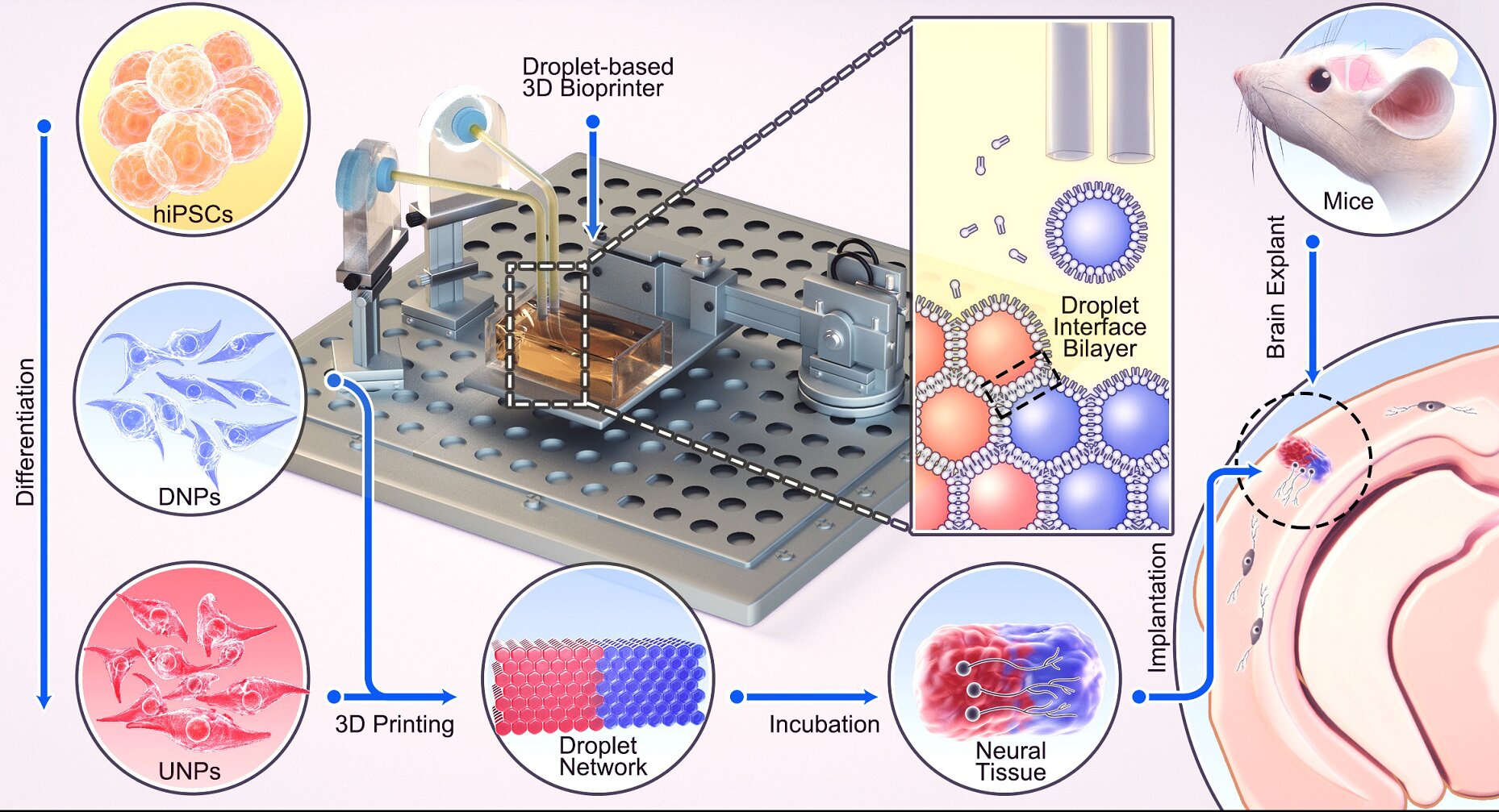
Researchers at the University of Oxford have developed a 3D printing method that can create neural cells to mimic the architecture of the cerebral cortex, offering potential for tailored repairs for brain injuries. The technique involves 3D-printing human neural stem cells to fabricate a two-layered brain tissue, which showed structural and functional integration when implanted into mouse brain slices. The use of patient-derived stem cells could provide personalized implantation treatments for brain injury and has implications for drug evaluation, brain development studies, and understanding cognition. The researchers aim to refine the technique to create more complex multi-layered cerebral cortex tissues.

science-and-technology2 years ago

"Revealing the Lizard's Regenerative Power: A Potential Solution for Arthritis"

Researchers from the Keck School of Medicine of USC have identified key cells involved in lizard cartilage regeneration, offering potential insights for treating osteoarthritis. The study uncovers the unique interaction between two cell types, fibroblasts and septoclasts, which enable lizards to regenerate cartilage in their tails. This discovery could pave the way for developing methods to regenerate damaged cartilage in humans, addressing the lack of effective treatments for osteoarthritis.

medical-science2 years ago

Harnessing Low-Energy Blue Light for Cornea Regeneration: Canadian Breakthrough

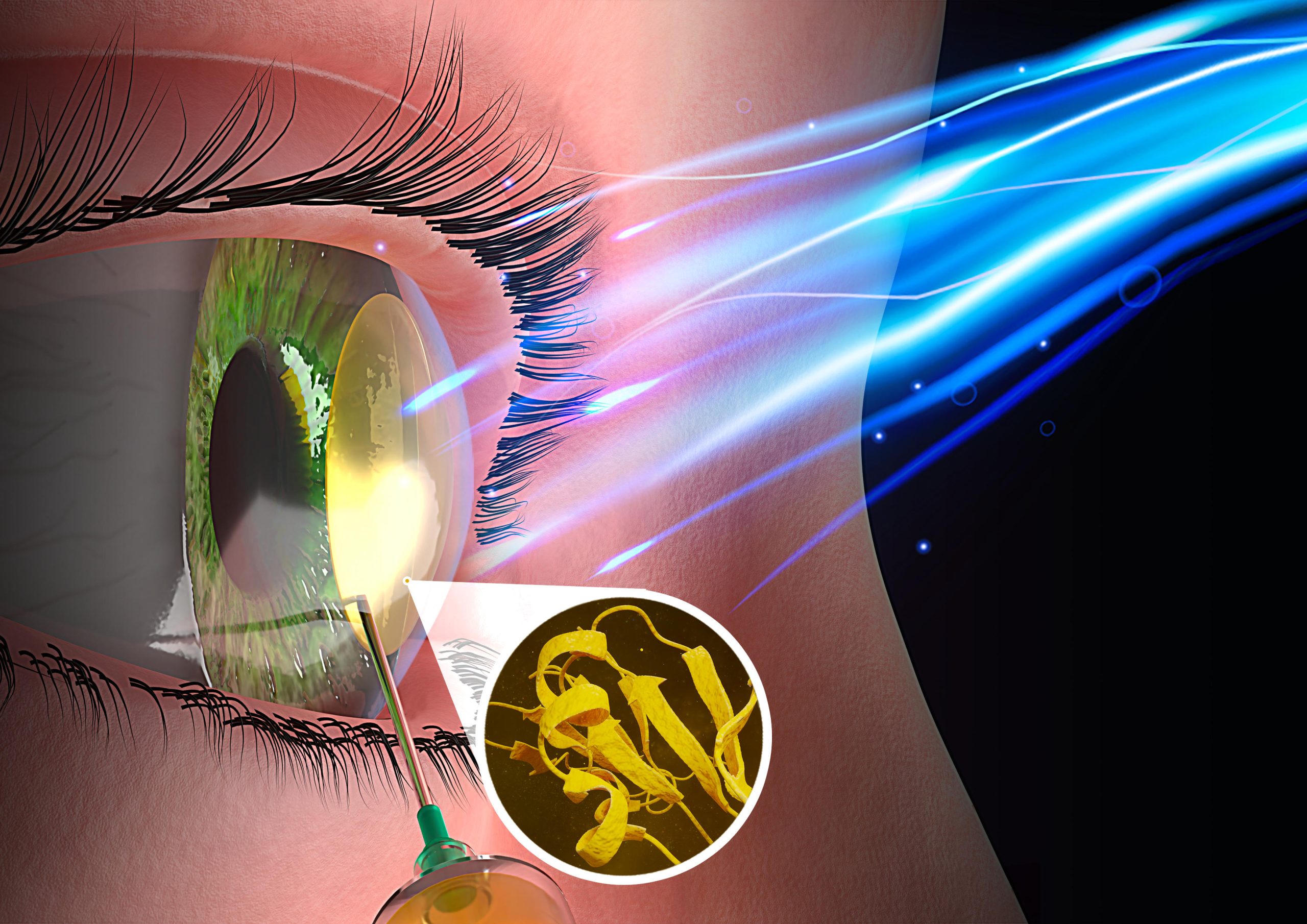
Researchers from the University of Ottawa have developed an injectable biomaterial that can be activated by low-energy blue light pulses to reshape and thicken damaged corneas. The biomaterial, inspired by nature, forms a tissue-like 3D structure within minutes when exposed to blue light. In animal models, the light-activated hydrogel successfully thickened corneas without side effects. This technology has the potential to revolutionize corneal repair, benefiting millions of people suffering from corneal diseases such as keratoconus. The research findings are currently undergoing negotiations for licensing.

science-and-technology2 years ago

Unveiling the Key Protein Variant Driving Salamanders' Regenerative Potential

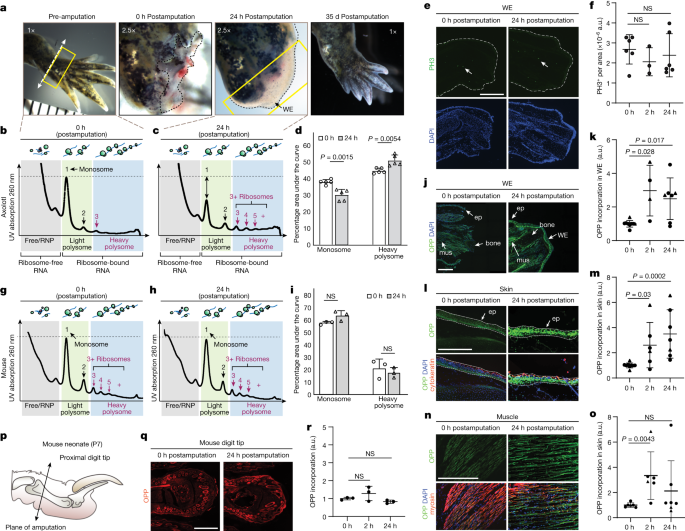
Researchers have discovered that the evolutionarily divergent mTOR protein plays a crucial role in remodeling the translatome during tissue regeneration. By analyzing the regenerating limbs of axolotls, the researchers found that mTOR regulates the translation of specific mRNAs, leading to the activation of genes involved in tissue regeneration. This study provides insights into the molecular mechanisms underlying tissue regeneration and highlights the importance of mTOR in this process.

biology2 years ago

"Unveiling the Hidden Defense: African Spiny Mice's Secret Armor"

African spiny mice, previously thought to lack armor like other mammals, have been found to possess bony plates called osteoderms beneath their tail's skin. The discovery was made during routine CT scanning of museum specimens, and the osteoderms were confirmed to be similar to those of armadillos but likely evolved independently. Spiny mice also possess the unique ability to regenerate injured tissue without scarring, making them a potential model for human tissue regeneration. The osteoderms in spiny mice and fish-tale geckos may function as an escape mechanism, detaching from the tail when attacked by predators.

healthtech2 years ago

"Revolutionary Heart Valve Technology: Growing and Controlling Blood Flow in Minutes"

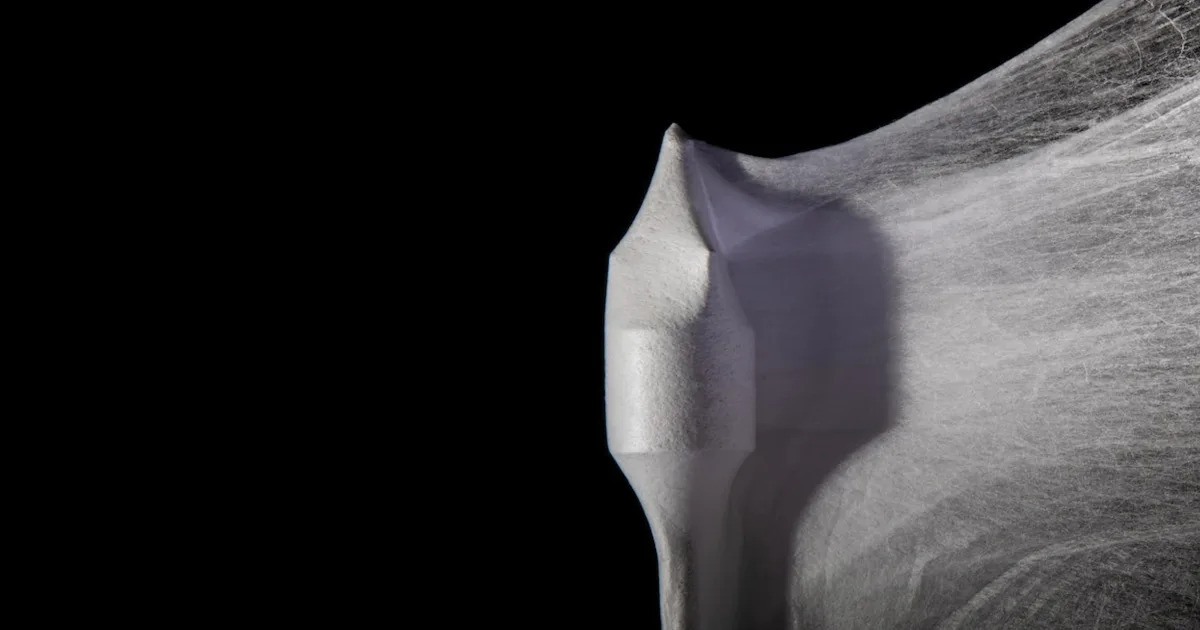
Harvard researchers have developed a synthetic heart valve called FibraValve that can be manufactured in minutes using a spun-fiber method. The valve's delicate flaps can be shaped on a microscopic level and can be colonized by the patient's living cells, developing with them as they mature. The valve uses a new custom polymer material called PLCL that can last inside a patient's body for about six months. The long-term vision is for the resulting organic tissue to develop with human children as they mature, potentially voiding the need for risky replacement surgeries as their bodies grow.