
Tag

Neural Cells

All articles tagged with #neural cells

science-and-technology2 years ago

Advancements in 3D Printing for Brain Injury Repair and Neural Networks

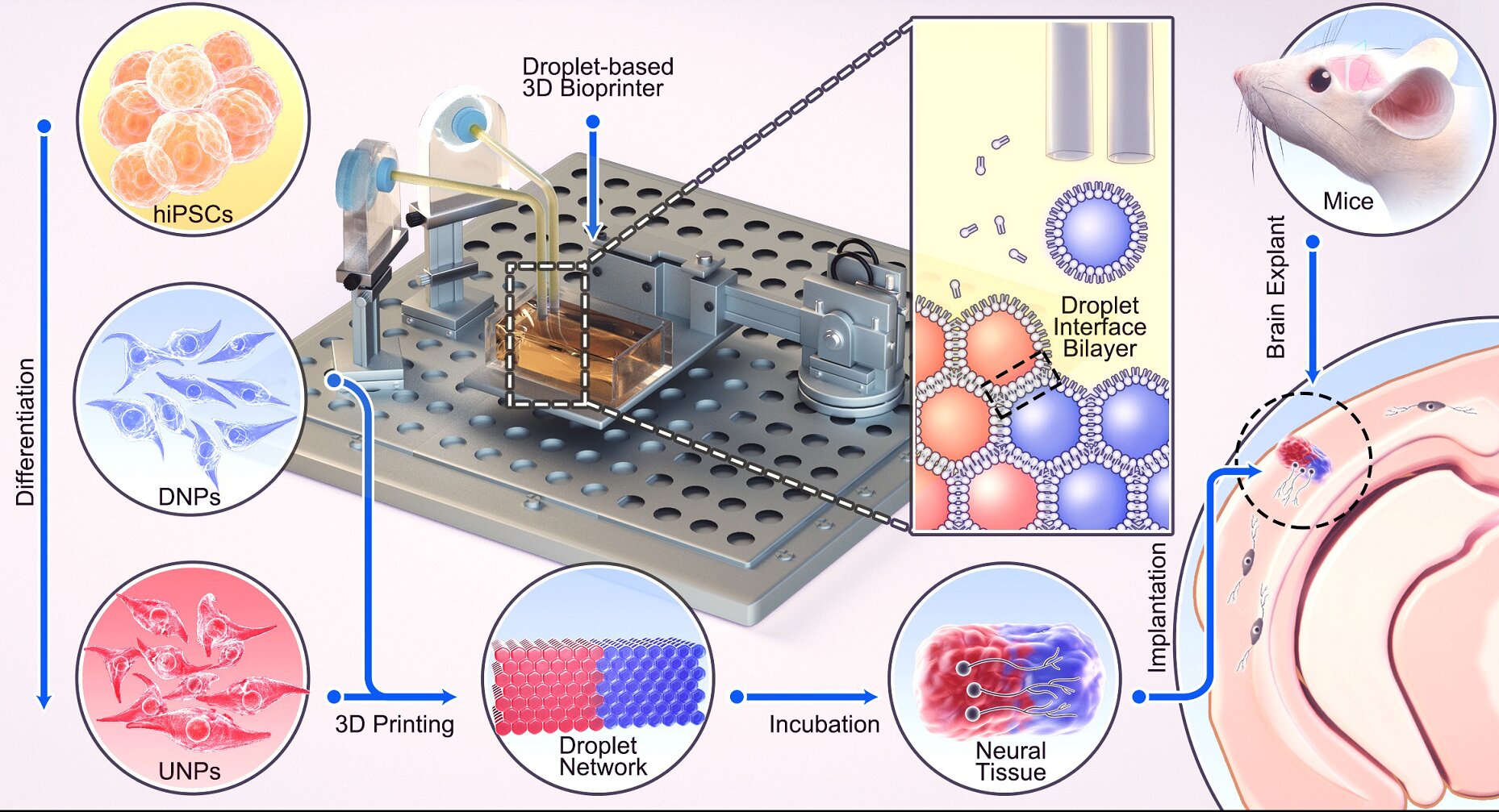
Researchers at the University of Oxford have developed a 3D printing method that can create neural cells to mimic the architecture of the cerebral cortex, offering potential for tailored repairs for brain injuries. The technique involves 3D-printing human neural stem cells to fabricate a two-layered brain tissue, which showed structural and functional integration when implanted into mouse brain slices. The use of patient-derived stem cells could provide personalized implantation treatments for brain injury and has implications for drug evaluation, brain development studies, and understanding cognition. The researchers aim to refine the technique to create more complex multi-layered cerebral cortex tissues.
neuroscience2 years ago

Unveiling the Secrets of Neuronal Information Processing in the Brain

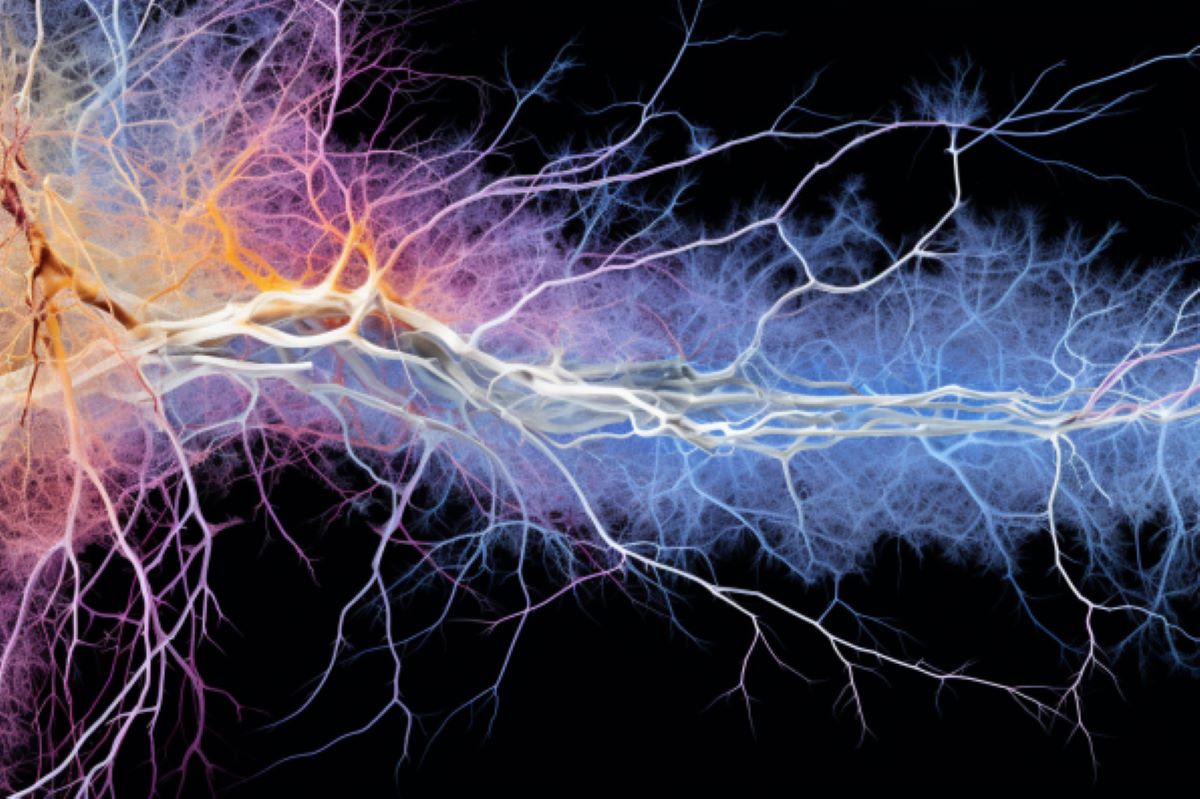
Researchers have provided strong evidence supporting the "critical brain hypothesis" through an experiment called DishBrain, which involved 800,000 human neural cells playing Pong. The study reveals that neurons shift into a "neural critical" state when informed about the surrounding environment, enabling cascades of brain activity. This state lies between epileptic excitation and a comatose stall. The findings offer insights into brain function and potential treatments for neurological disorders. However, the study also highlights that criticality alone is insufficient for learning; a feedback loop with additional action consequence information is necessary.

health2 years ago

The Devastating Neurological Disease Caused by a Single Mutation.

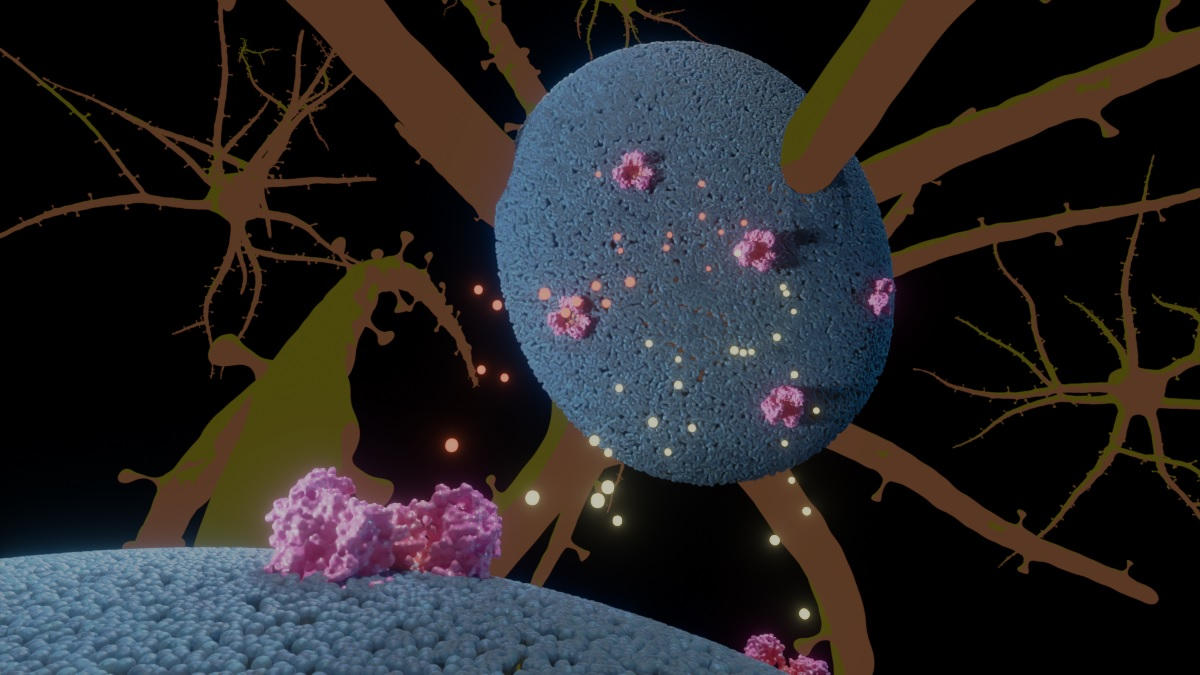
Scientists from the University of Groningen in the Netherlands have uncovered the mechanism by which a single mutation causes the rare neurological disorder, Episodic Ataxia Type 6 (EA6). The mutation alters a single amino acid in a protein responsible for transporting the neurotransmitter glutamate across neural cell membranes. The mutation affects the functioning of the protein, reducing the transport rate and increasing ion transport. The researchers performed molecular dynamics simulations and found that a salt bridge is formed between the arginine amino acid and the lipids of the membrane, which slows down the movement of the elevator part of the protein. There is no simple way to remedy the effect of the mutation, and any drug affecting it will probably have serious side effects.