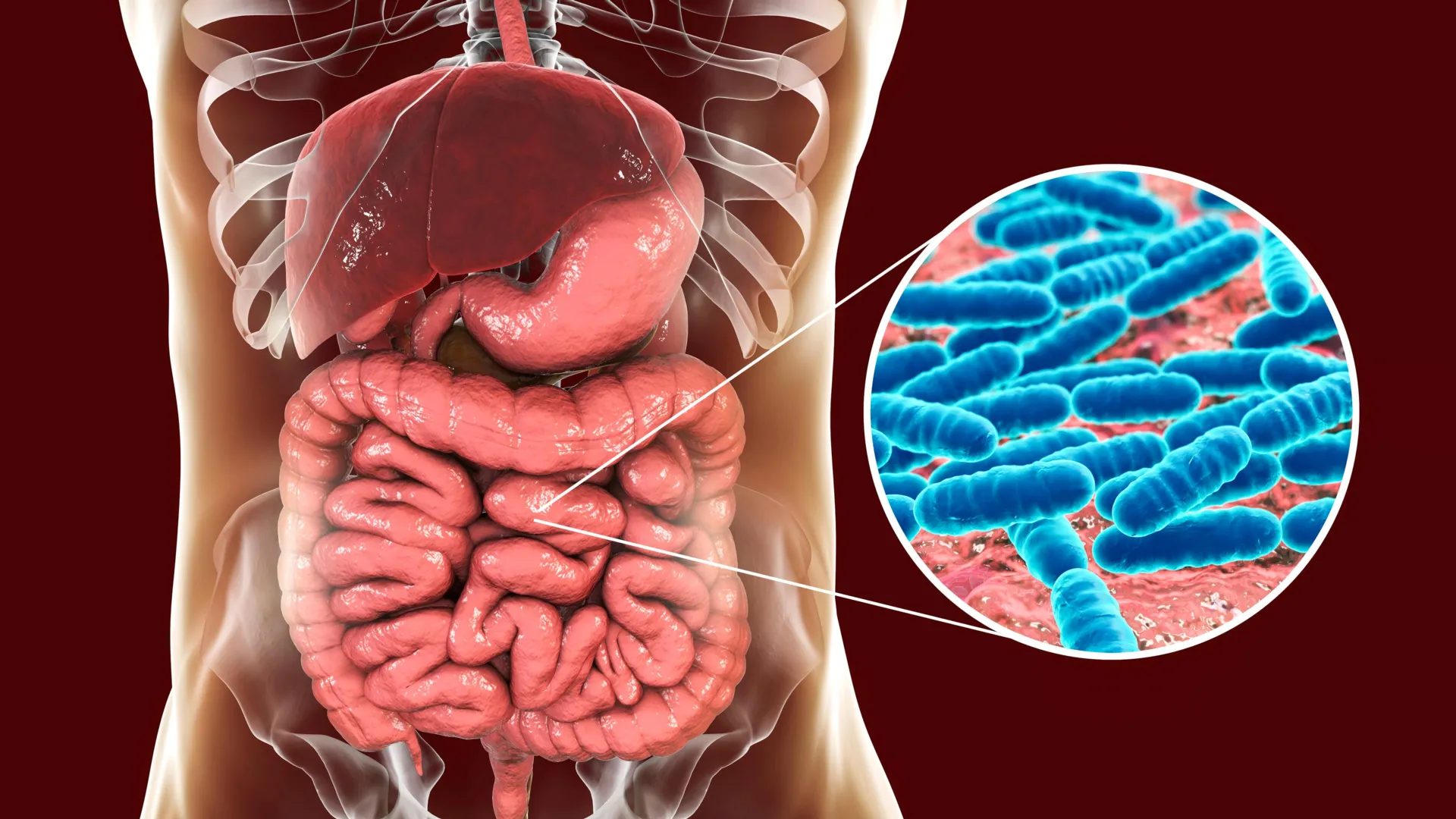
A rat study shows that not only do individual genes influence gut bacteria, but social contact with genetically different rats can also shape one's microbiome, suggesting that genetics and social interactions jointly affect gut bacteria and potentially human health.

Scientists have developed a new genomic mapping approach that links genes to diseases by analyzing gene impacts across entire genomes and cell types, which could accelerate understanding of complex traits and aid in targeted therapy development.
A recent study shows that regular orange juice consumption affects thousands of genes in immune cells, reducing inflammation, blood pressure, and insulin resistance, which may benefit long-term heart health.
Regular consumption of orange juice may positively influence gene activity related to inflammation, blood pressure, and sugar processing, potentially improving long-term heart health by reducing inflammation, supporting blood vessel function, and affecting metabolic pathways, especially in individuals with metabolic syndrome.
A study reveals that Alzheimer's disease may hijack the body's cellular clocks, with circadian rhythms controlling many genes linked to the disease, suggesting potential new treatment strategies by manipulating these biological clocks to prevent or slow disease progression.
A large genetic study identified two genes, CADM2 and GRM3, that are associated with cannabis use and its frequency, also linking these genes to mental health and physical traits, although genetics only modestly influence cannabis habits.
Scientists discovered that mutations in the TMEM167A gene cause a rare form of neonatal diabetes, affecting insulin-producing beta cells in babies with MEDS syndrome, providing new insights into diabetes mechanisms and potential treatments.
Researchers identified genes CADM2 and GRM3 linked to cannabis use, revealing overlaps with psychiatric and physical health traits, which could inform prevention and treatment strategies for cannabis use disorder.
A study from UC San Diego suggests that cannabis use and addiction are linked to genes associated with impulsive behavior, obesity, schizophrenia, and bipolar disorder, providing insights into the biological factors influencing cannabis consumption.
A large-scale Australian study found that women have nearly twice as many genetic markers linked to depression as men, which may explain the higher prevalence and different symptoms of depression in women and could lead to more personalized treatments.
Research shows that the age of autism diagnosis is linked to genetic profiles and behavioral traits, with early diagnoses associated with more pronounced social challenges and later diagnoses linked to conditions like ADHD and depression. Genetic factors account for about 11% of these differences, highlighting the complexity of autism's causes and the importance of personalized diagnosis and support.
Research shows that lifestyle habits like exercise, diet, sleep, and stress reduction are key to healthy aging, with genetics playing a larger role in extreme longevity. Preventative measures such as maintaining brain, heart, and gut health through modifiable behaviors can significantly reduce risks of age-related diseases, emphasizing that it's never too late to adopt healthier habits.
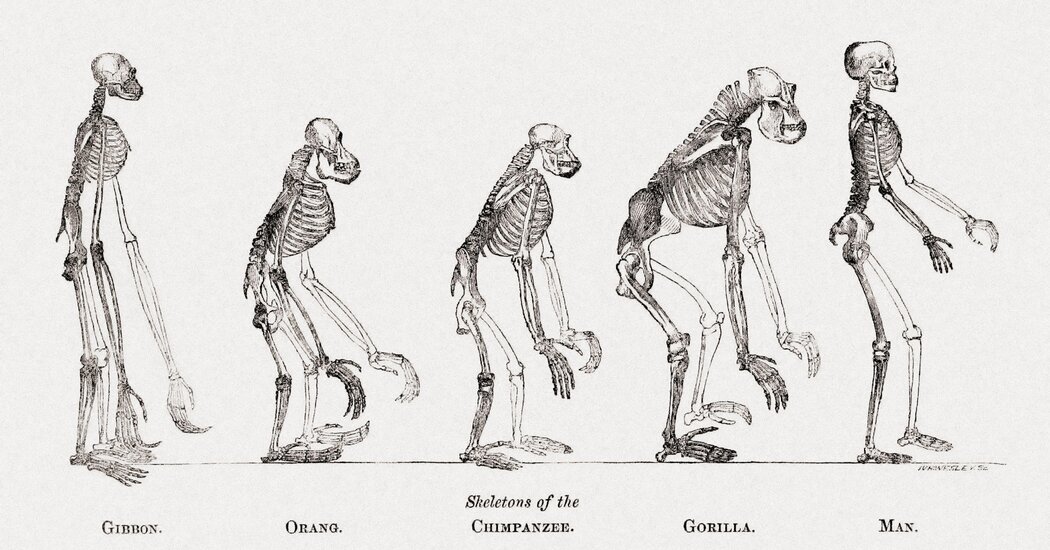
A recent study explores the genetic and molecular basis of the evolution of upright walking in humans, highlighting its significance as a key trait that distinguishes humans from other primates, building on Darwin's theories of human evolution.
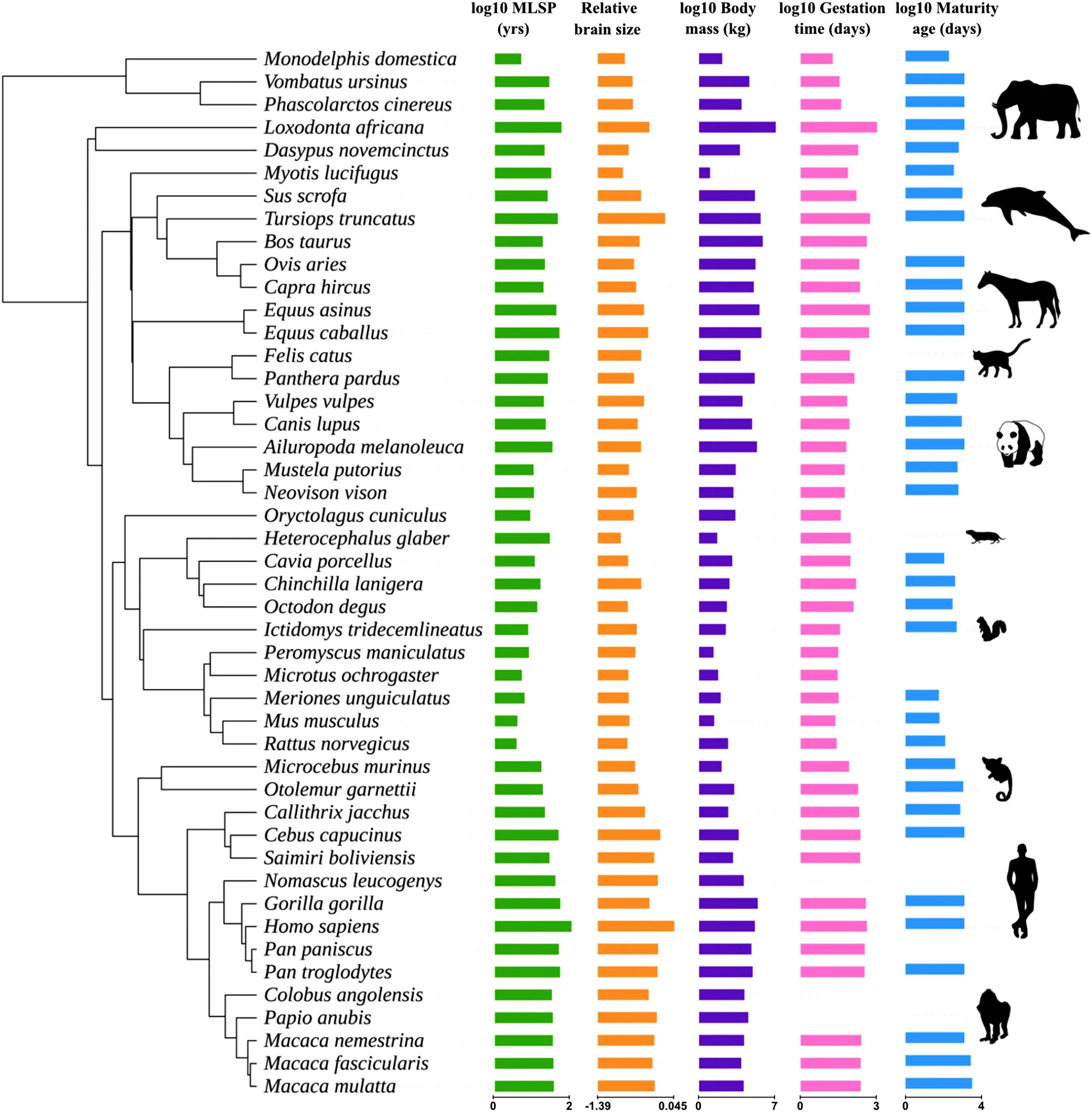
Scientists found that long-lived mammals tend to have expanded gene families related to immune surveillance and cellular maintenance, which support tissue stability and brain health, suggesting that resilience systems rather than metabolism changes are key to longevity.
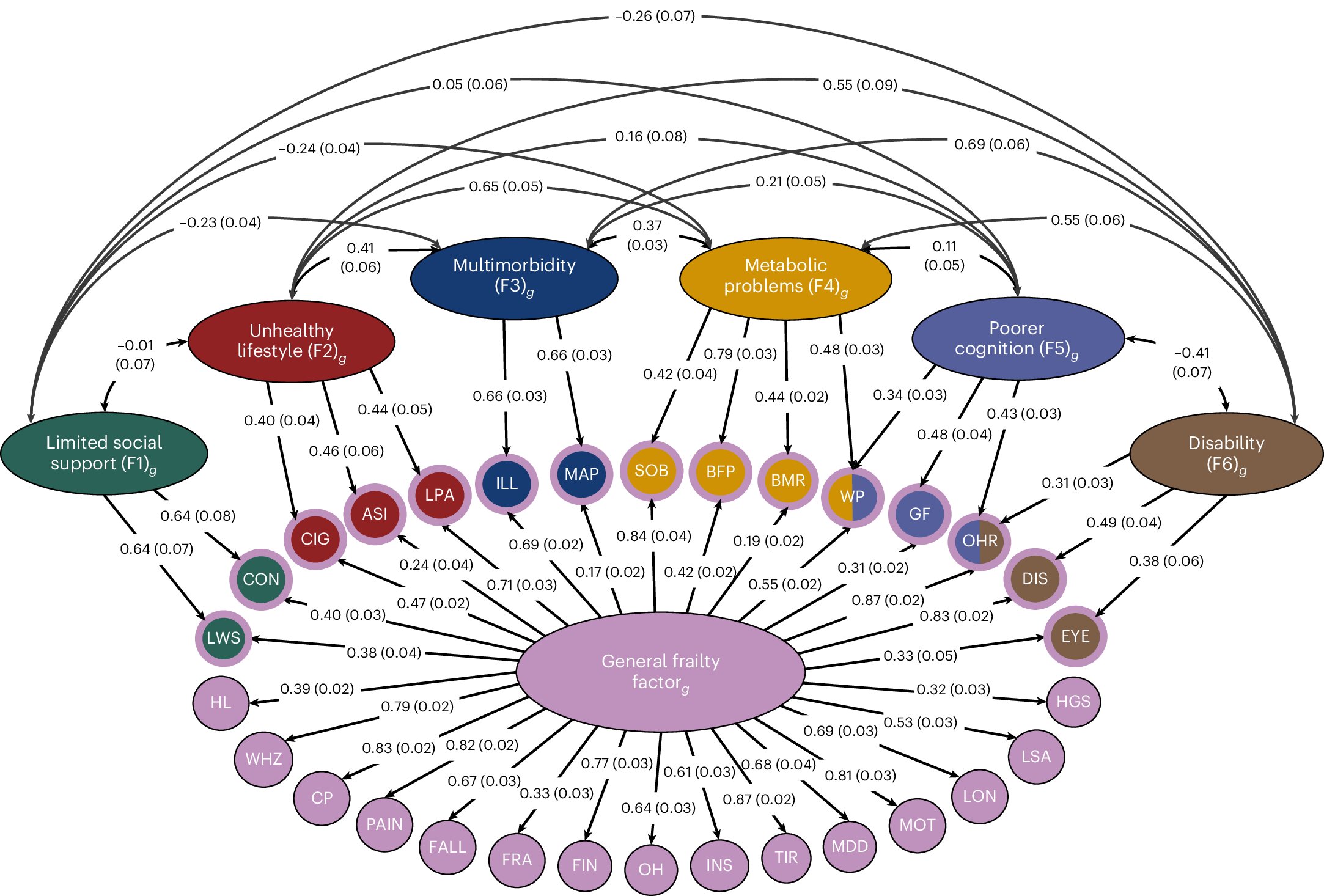
A study published in Nature Genetics identifies over 400 genes linked to different types of accelerated aging and frailty, supporting the idea that treating aging itself could help prevent age-related diseases. The research highlights the complexity of aging, with different genetic factors underlying cognitive decline, mobility issues, and social isolation, paving the way for more targeted therapies and personalized approaches to healthy aging.