Recent research suggests that some cells may enter a 'third state' after death, forming xenobots—tiny, self-organizing entities that challenge traditional views on life, consciousness, and evolution, raising questions about whether cells can think independently and if consciousness extends beyond brains.
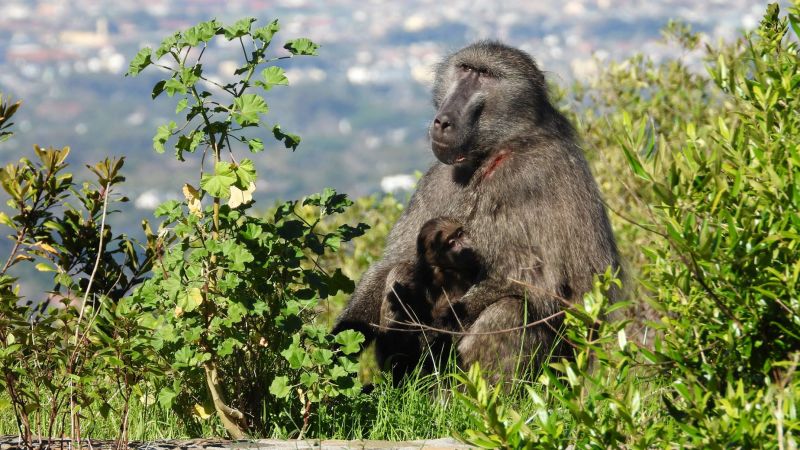
The reintroduction of a family of beavers to a wetland in West London after 400 years could help prevent flooding; Cape Town's baboons face conflict with humans as urbanization encroaches on their feeding grounds; photographers capture intimate views of wildlife adapting to urban habitats; sightings of the rare night-sky phenomenon known as Steve, accompanied by auroras, have been reported; astronomers discover six planets with stable orbits around a nearby star, shedding light on planet formation; scientists create tiny living robots from human cells that could have potential medical applications.
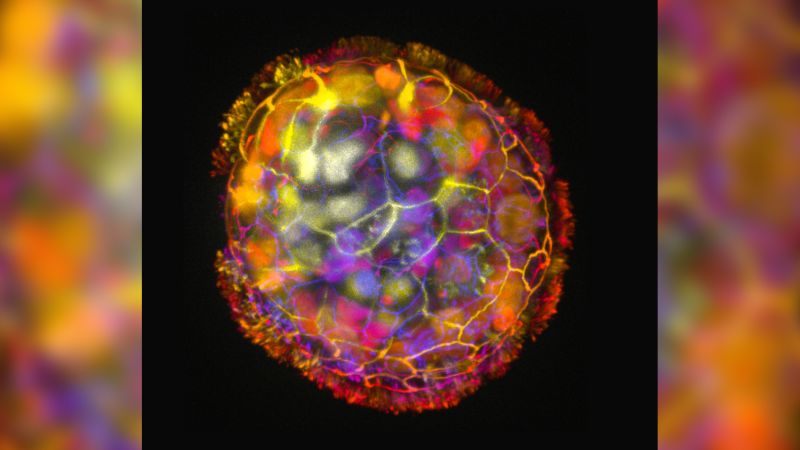
Scientists have developed tiny living robots, called anthrobots, using human cells that can move and potentially aid in wound healing and tissue regeneration. The researchers used tracheal cells with cilia, which were manipulated to face outward and act as oars for movement. The anthrobots exhibited different shapes, sizes, and movement patterns. In experiments, they showed the ability to encourage growth in damaged human neurons. The study provides a foundation for future applications of bio-bots in various forms, with potential uses in medical research and treatments. The anthrobots are not genetically modified and have a limited lifespan, biodegrading after a few weeks.