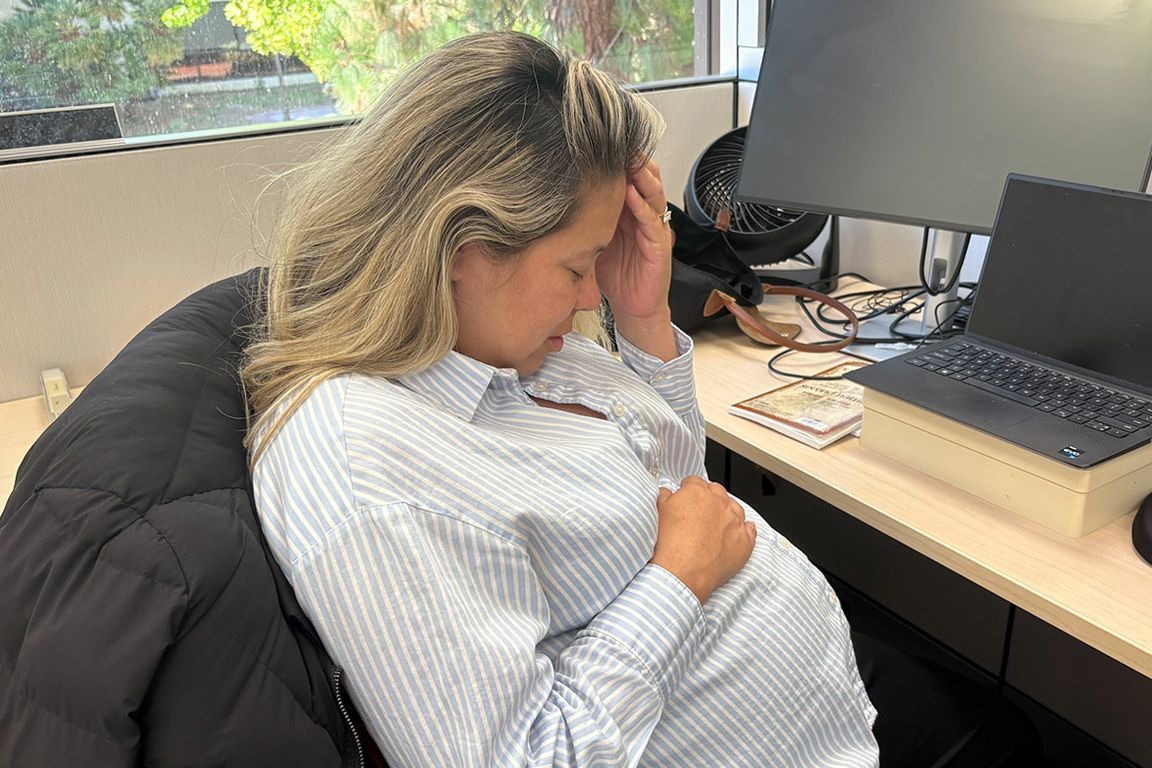
A UCLA study reveals that morning sickness symptoms like nausea and food aversions during pregnancy are linked to the body's natural immune response, serving as an evolutionary adaptation to protect the fetus and promote healthy pregnancy, with potential benefits for workplace recognition and accommodations.
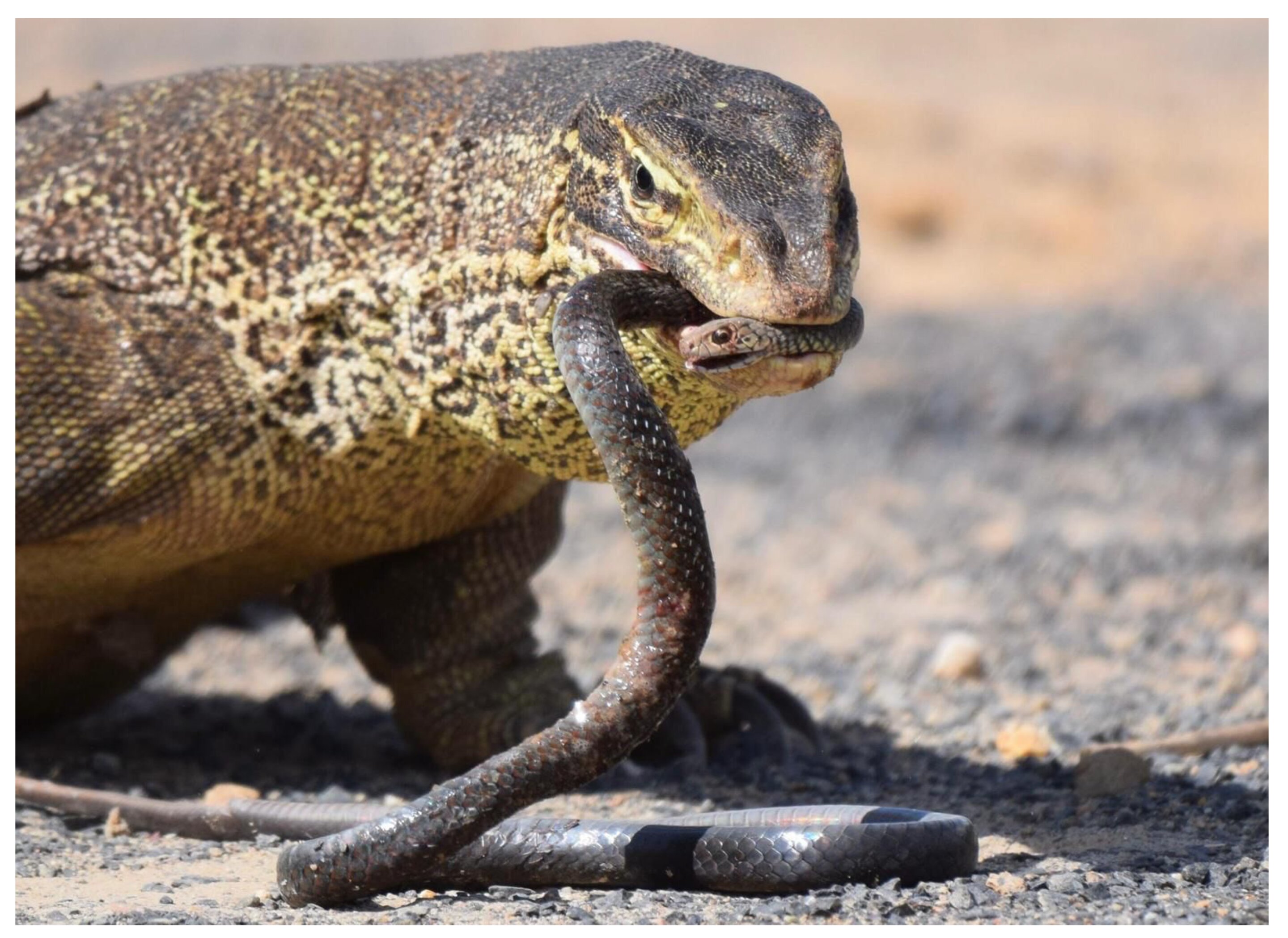
A study led by the University of Queensland has revealed how certain lizards, including Komodo dragons and goannas, have evolved to resist the deadly neurotoxins of venomous Australian snakes. The research found that most large varanid lizards have inherited neurotoxin resistance, possibly due to their predatory lifestyle, while some smaller species lost and regained this resistance as they adapted to different environments. Additionally, the study showed that some lizards rely on their physical build, such as thick scales and large teeth, to protect themselves against snakebites. This research sheds light on the dynamic nature of evolutionary processes in delicate ecosystems and highlights the intense predator-prey dynamic between lizards and snakes.
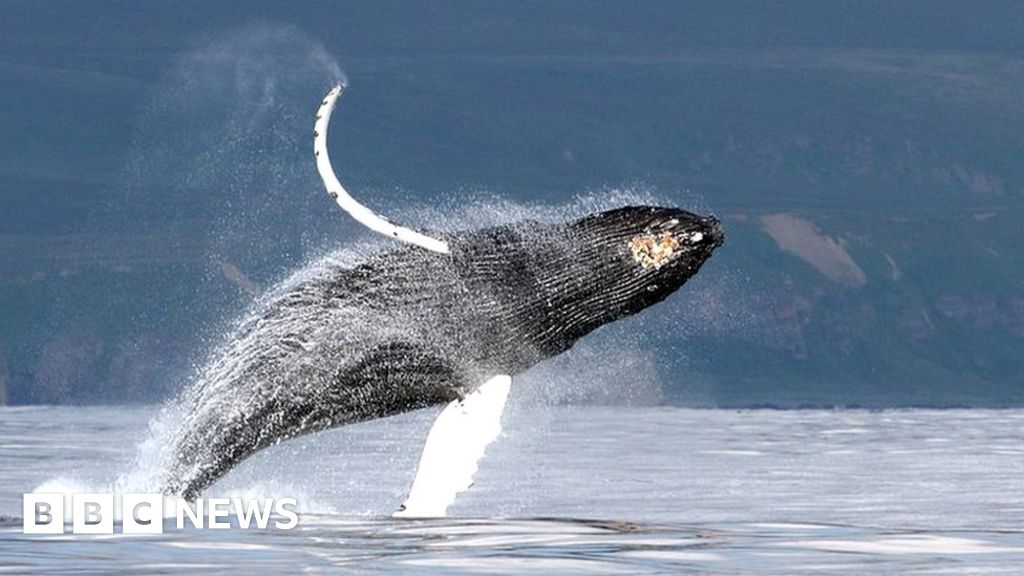
Scientists have discovered how baleen whales, such as humpbacks, produce their haunting songs using a specialized "voice box" that recycles air and prevents water from being inhaled. This discovery also explains why human-made ocean noise disrupts whale communication, as their songs overlap with ship noise. The study provides crucial insight for the conservation of these endangered giants of the sea and sheds light on the evolutionary adaptations that enabled whales to communicate underwater.
Researchers used an artificial neural network model to demonstrate that music-selective neurons can develop spontaneously without being taught music, suggesting that our ability to process music may be an innate cognitive function, formed as an evolutionary adaptation to better process sounds from nature. The study implies that musical ability may be an instinctive brain function, evolved to enhance the processing of natural sounds, and the findings could have implications for AI music generation, musical therapy, and research in musical cognition.
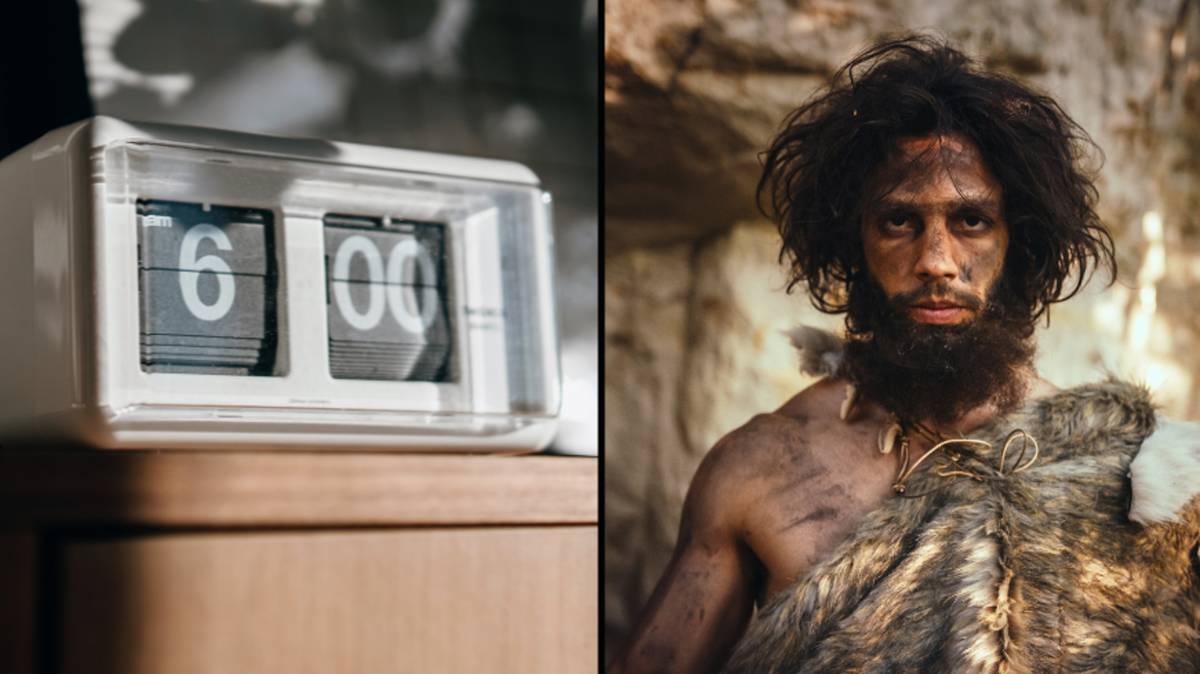
A new study published in the journal Genome Biology and Evolution suggests that some humans may have inherited their body clocks from Neanderthal ancestors. Researchers found that certain genetic differences in the circadian systems of Neanderthals and modern humans could be responsible for individuals being "morning people." By analyzing the remaining bits of Neanderthal DNA in modern human genomes, the study revealed a consistent trend of increasing propensity to be a morning person. This change is believed to be an evolutionary adaptation that enables the alignment of the circadian clock with changing seasonal light patterns.
A study challenges the assumption that ultra-processed foods (UPFs) are more likable or desirable than less processed options. Instead, foods with a balanced carbohydrate and fat content, higher taste intensity, and lower fiber content were found to be more favored. This suggests that our inherent food preferences may be geared towards maximizing calorie intake over fullness, reflecting an evolutionary adaptation for fluctuating food availability. The study highlights the importance of considering factors such as carbohydrate-to-fat ratio and taste intensity when studying food liking and reward.
African spiny mice, previously thought to lack armor like other mammals, have been found to possess bony plates called osteoderms beneath their tail's skin. The discovery was made during routine CT scanning of museum specimens, and the osteoderms were confirmed to be similar to those of armadillos but likely evolved independently. Spiny mice also possess the unique ability to regenerate injured tissue without scarring, making them a potential model for human tissue regeneration. The osteoderms in spiny mice and fish-tale geckos may function as an escape mechanism, detaching from the tail when attacked by predators.
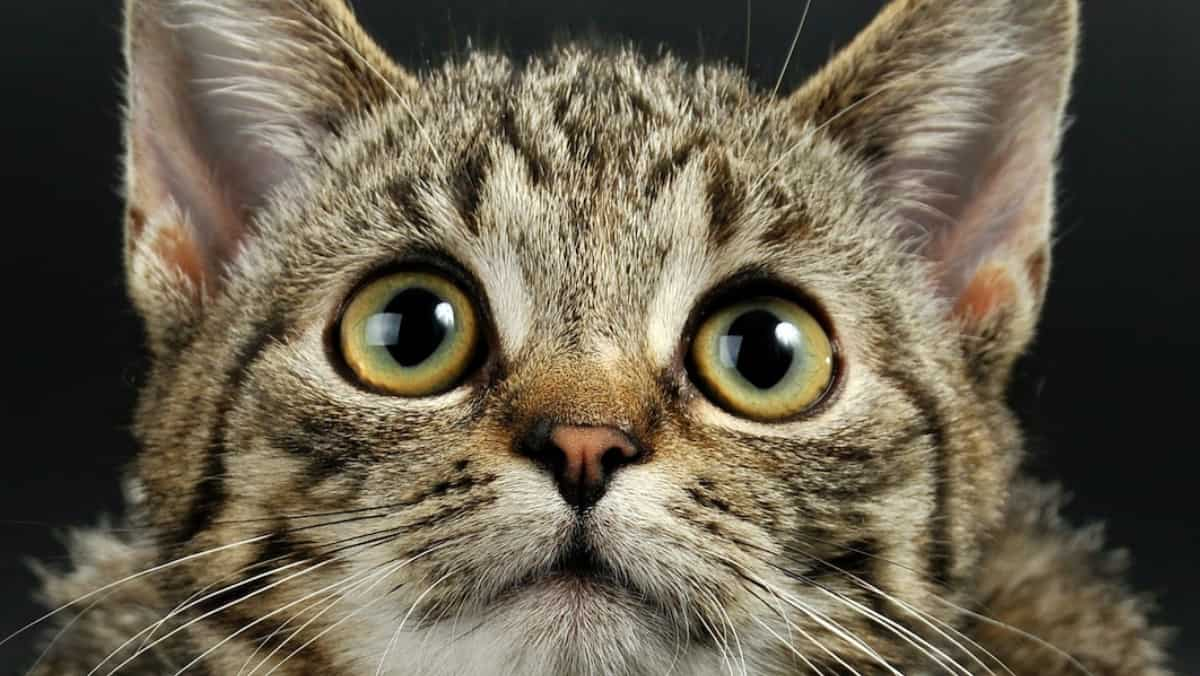
A groundbreaking study has revealed the intricate nasal airway structure responsible for the exceptional olfactory abilities of domestic cats. The study shows that the cat's nose functions as a highly efficient and dual-purposed gas chromatograph, allowing for efficient detection and separation of odors. The unique structure of the cat's nasal passages optimizes odor detection by providing a high-speed pathway for odorants and recirculating the odor-laden air for extended processing. This research sheds light on the evolutionary pathways that have shaped different nose structures and their functional purposes, and could potentially inspire improvements to existing gas chromatographs.