Tag

Fibroblasts

All articles tagged with #fibroblasts

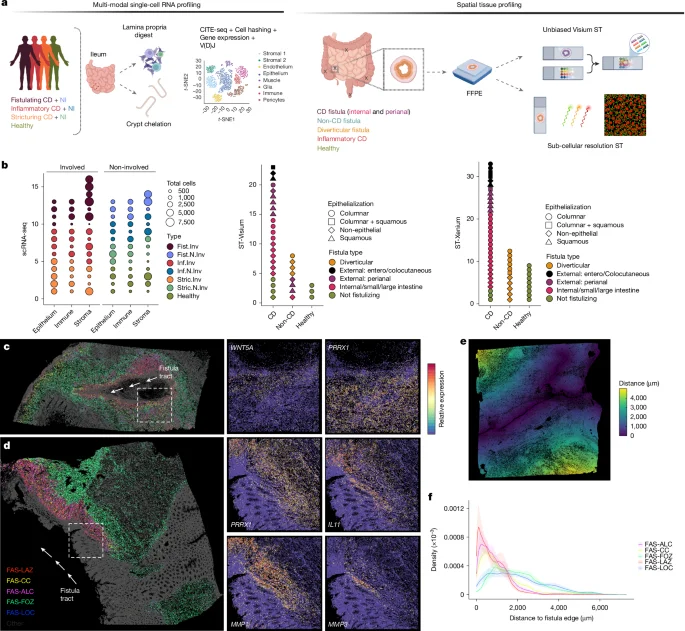
Fibroblast Niches Drive Crohn’s Fistula Formation

Originally Published 2 months ago — by Nature

Featured image for Fibroblast Niches Drive Crohn’s Fistula Formation
Source: Nature

This study uses spatial transcriptomics and single-cell analysis to uncover how specialized fibroblast niches, particularly FAS cells, contribute to the formation, progression, and persistence of Crohn's fistulae, highlighting their roles in tissue remodeling, immune regulation, and epithelial regeneration, with implications for targeted therapies.

"Exploring New Approaches to Erectile Dysfunction Treatment Through Mouse Erection Studies"

Originally Published 1 year ago — by Livescience.com

Featured image for "Exploring New Approaches to Erectile Dysfunction Treatment Through Mouse Erection Studies"
Source: Livescience.com

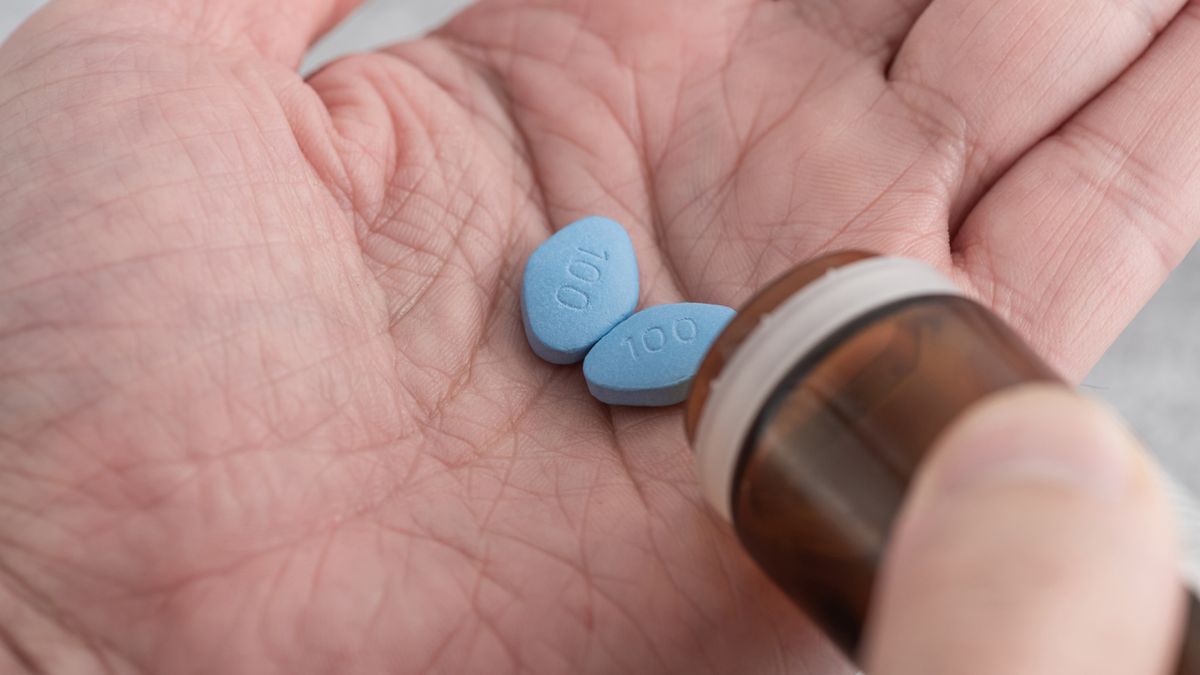
A study on mouse erections has revealed the crucial role of fibroblast cells in triggering and maintaining penile erections, shedding light on potential new treatments for erectile dysfunction in humans. The findings suggest that manipulating the Notch signaling pathway in fibroblasts or increasing their absorption of norepinephrine could offer alternative therapeutic approaches. However, rigorous testing is needed to ensure safety and effectiveness in men. This research may provide insights into age-related erectile dysfunction and offer potential alternatives for patients who do not respond to standard drugs like Viagra.

"Reevaluating the Role of Fibroblasts in Penile Erections"

Originally Published 1 year ago — by Medical Xpress

Featured image for "Reevaluating the Role of Fibroblasts in Penile Erections"
Source: Medical Xpress

A new study on mice suggests that fibroblasts, connective tissue cells in the penis, play a crucial role in regulating blood flow and mediating erections. The study found that an increased frequency of erections leads to more fibroblasts, while a decreased frequency results in fewer of these cells. The researchers believe that the number of fibroblasts in the penis is affected by the frequency of erections, and older mice had fewer fibroblasts, which was reflected in lower blood flow. The findings may lead to new treatments for erectile dysfunction and suggest that regular erections could be important for maintaining erectile function.

Targeting Mid-Old Cells: Unlocking Anti-Aging Interventions for the Elderly

Originally Published 2 years ago — by Nature.com

Featured image for Targeting Mid-Old Cells: Unlocking Anti-Aging Interventions for the Elderly
Source: Nature.com

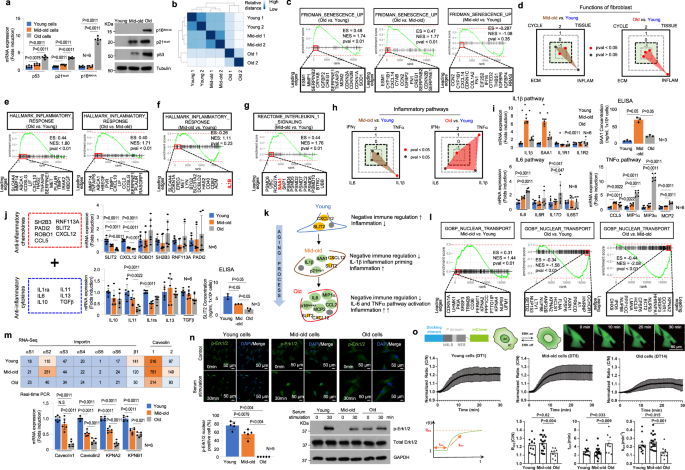
Accumulation of senescent cells in tissues is a major contributor to aging and organ dysfunction. However, a subset of cells in an intermediate stage of cellular senescence, termed "mid-old cells," has been identified. These mid-old cells exhibit distinct gene expression patterns and functional characteristics compared to young and old cells. They are associated with specific inflammation markers and have the capacity to respond to external stimuli. Mid-old cells are found in elderly tissues, particularly in fibroblasts and smooth muscle cells, and contribute to age-related microenvironments. The presence of mid-old cells suggests a potential target for anti-aging interventions in the elderly.

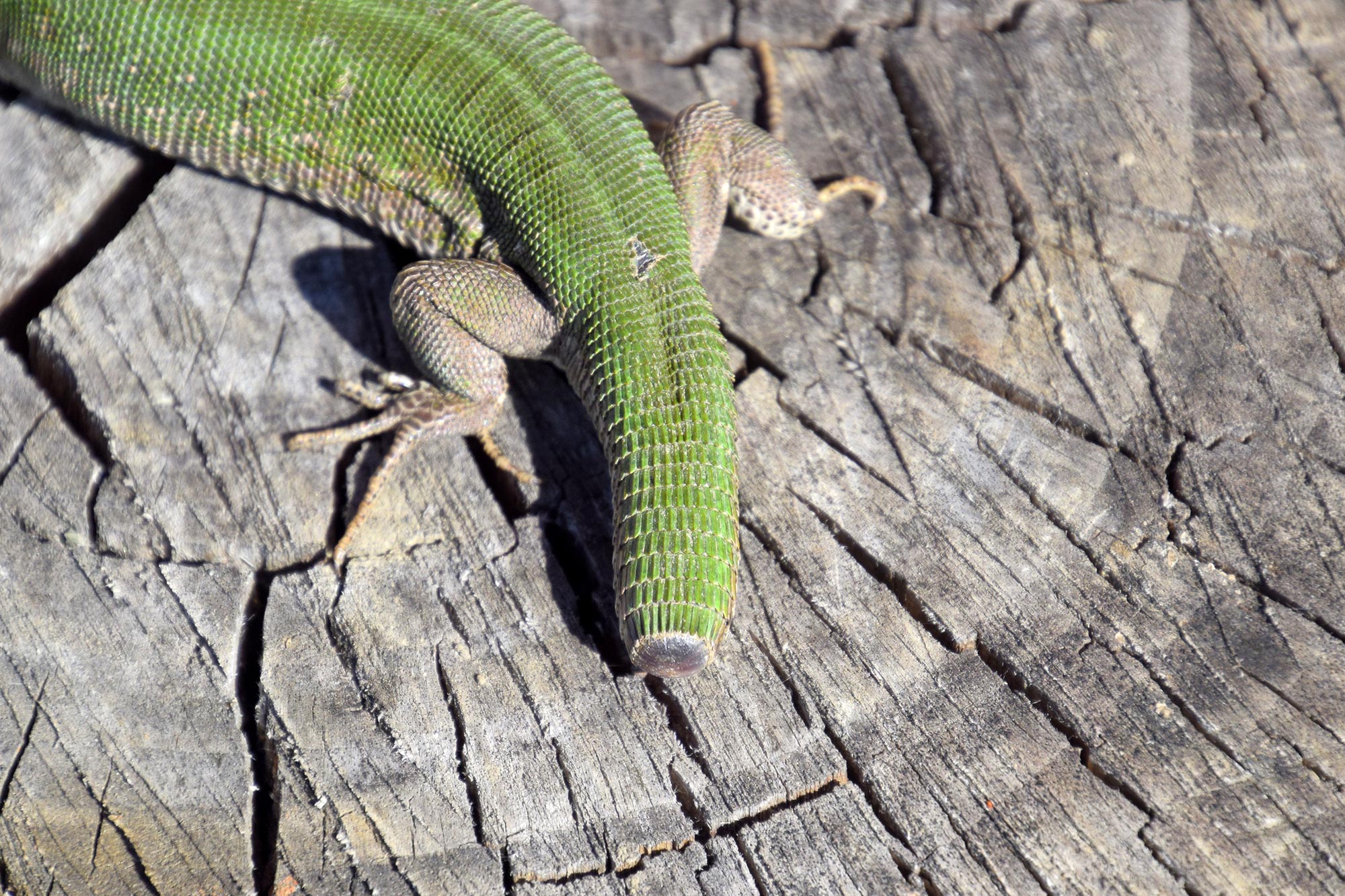
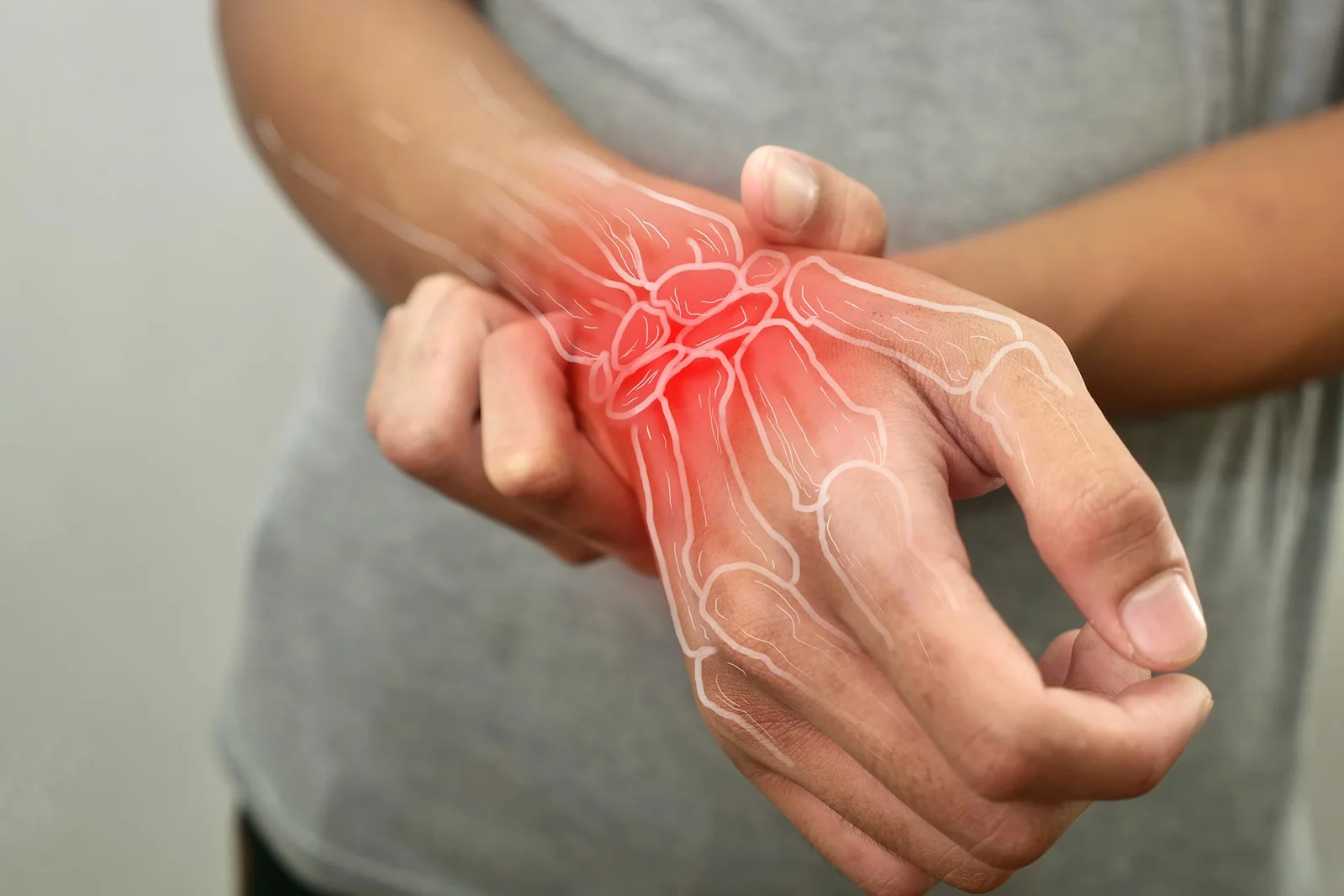
"Revealing the Lizard's Regenerative Power: A Potential Solution for Arthritis"

Originally Published 2 years ago — by SciTechDaily

Featured image for "Revealing the Lizard's Regenerative Power: A Potential Solution for Arthritis"
Source: SciTechDaily

Researchers from the Keck School of Medicine of USC have identified key cells involved in lizard cartilage regeneration, offering potential insights for treating osteoarthritis. The study uncovers the unique interaction between two cell types, fibroblasts and septoclasts, which enable lizards to regenerate cartilage in their tails. This discovery could pave the way for developing methods to regenerate damaged cartilage in humans, addressing the lack of effective treatments for osteoarthritis.