Research from Korea University reveals that the protein ReHMGB1, secreted by senescent cells, can spread aging signals through the bloodstream, impairing tissue regeneration. Blocking ReHMGB1 in mice reduced aging markers and improved tissue repair, highlighting its potential as a target to combat age-related decline.
Researchers at Tel Aviv University have identified the TMEM16F protein as a key factor in the spread of Parkinson's disease pathology. A mutation in TMEM16F increases the secretion of toxic α-synuclein, which forms harmful Lewy bodies in the brain. Mice lacking this protein showed reduced disease spread, suggesting TMEM16F as a potential therapeutic target. This mutation is notably common among Ashkenazi Jews, offering insights into genetic risk factors and potential interventions for Parkinson's.
Scientists at the Salk Institute have discovered that the protein Mitf plays a crucial role in repairing nerve damage in peripheral neuropathy. This breakthrough could lead to the development of innovative therapies that enhance nerve repair functions, potentially benefiting millions of people suffering from this condition. The researchers found that Mitf activates the repair function in specialized Schwann cells of the nervous system, offering a promising new therapeutic target for treating peripheral neuropathy.
Researchers have discovered that deleting a protein called integrin alpha-3 in a mouse model of multiple sclerosis (MS) prevented the infiltration of harmful immune cells into the brain and halted the onset of symptoms. Integrin alpha-3 was found to be involved in the migration of T helper 17 cells (Th17 cells) into the central nervous system (CNS), where they cause inflammatory attacks. Targeting this protein could potentially prevent the neurological damage caused by MS. However, there is a concern about the potential increased risk of infections due to the importance of Th17 cells in normal immune function.
Researchers at MD Anderson Cancer Center have conducted a study on gastric adenocarcinoma, one of the deadliest cancers, uncovering key dynamics in the tumor microenvironment and identifying SDC2 as a promising new treatment target. The study utilized single-cell RNA sequencing to characterize the diverse immune and stromal cell populations within the tumor microenvironment and discovered six unique ecotypes. The researchers found that two ecotypes correlated with different histological, genomic, and clinical features of primary gastric adenocarcinomas, with EC6 tumors associated with more aggressive disease and shorter survival. Additionally, the study identified SDC2 overexpression in stromal cells, particularly in cancer-associated fibroblasts, as a potential therapeutic target for gastric adenocarcinoma and other cancer types.
Researchers at the Children's Hospital of Philadelphia have identified a new genetic disorder that causes neurodevelopmental differences and abnormalities in the head, facial bones, and limbs. The disorder is believed to be caused by rare variants in the MAP4K4 gene, which is involved in signaling pathways related to normal cell growth. The researchers created a zebrafish model to confirm the gene's role in the disorder and suggest that it may be a valuable therapeutic target for other disorders as well. However, therapeutic interventions targeting MAP4K4 need to strike a balance between treating the disorder and avoiding an increased risk of cancer.
Researchers at the University of Barcelona have identified the RNF41 protein as a potential therapeutic target for cirrhosis and liver inflammation. The study found that the expression of RNF41 is lower in macrophages from patients with liver cirrhosis and in mice with liver fibrosis. Restoring the function of RNF41 protein in mice resulted in enhanced elimination of fibrosis, reduced liver inflammation, and increased liver regeneration. The team used innovative techniques, including dendrimer-graphite nanoparticles and specific isolation of macrophages, to obtain these results. Future research will focus on identifying proteins that control RNF41 in macrophages to develop drugs that increase its expression and regulate macrophage activity in liver diseases.
Scientists at the University of Tsukuba have discovered a connection between the enzyme ELOVL6, involved in lipid metabolism, and the development of acute myeloid leukemia (AML). The researchers found that higher levels of ELOVL6 correspond to reduced survival rates in leukemia patients. Deleting ELOVL6 in bone marrow stem cells inhibited engraftment and prevented the development of leukemia in a mouse model. The study suggests that ELOVL6 and its associated pathways could be potential targets for novel leukemia therapies.
A new study from the University of Utah Health reveals the role of microglia, a type of brain cell, in controlling anxiety and obsessive-compulsive behaviors. Contrary to previous beliefs that only neurons control behavior, this research shows that specific populations of microglia activate or dampen anxiety and OCD behaviors, and communicate with neurons to invoke these behaviors. The findings could lead to new targeted therapies for anxiety-related disorders.
South Korean researchers have discovered that reactive astrocytes, rather than amyloid-beta plaques, may be the main cause of Alzheimer’s disease. The team developed a new imaging technique using PET scans with radioactive acetate and glucose probes to visualize the interaction between astrocytes and neurons in Alzheimer’s patients. This breakthrough could lead to a new method for early diagnosis of Alzheimer’s disease and identify MCT1, an astrocyte-specific acetate transport, as a potential therapeutic target.
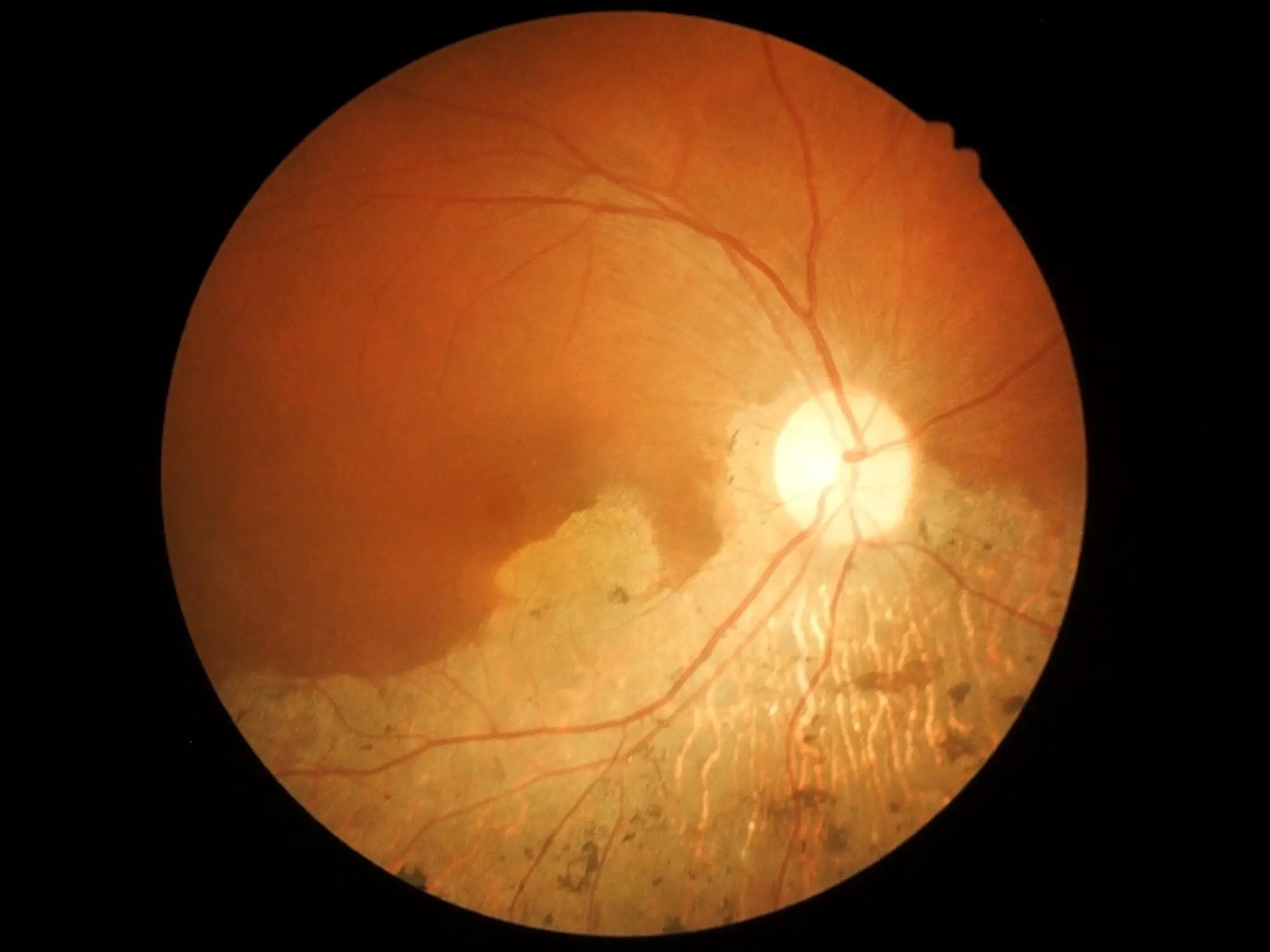
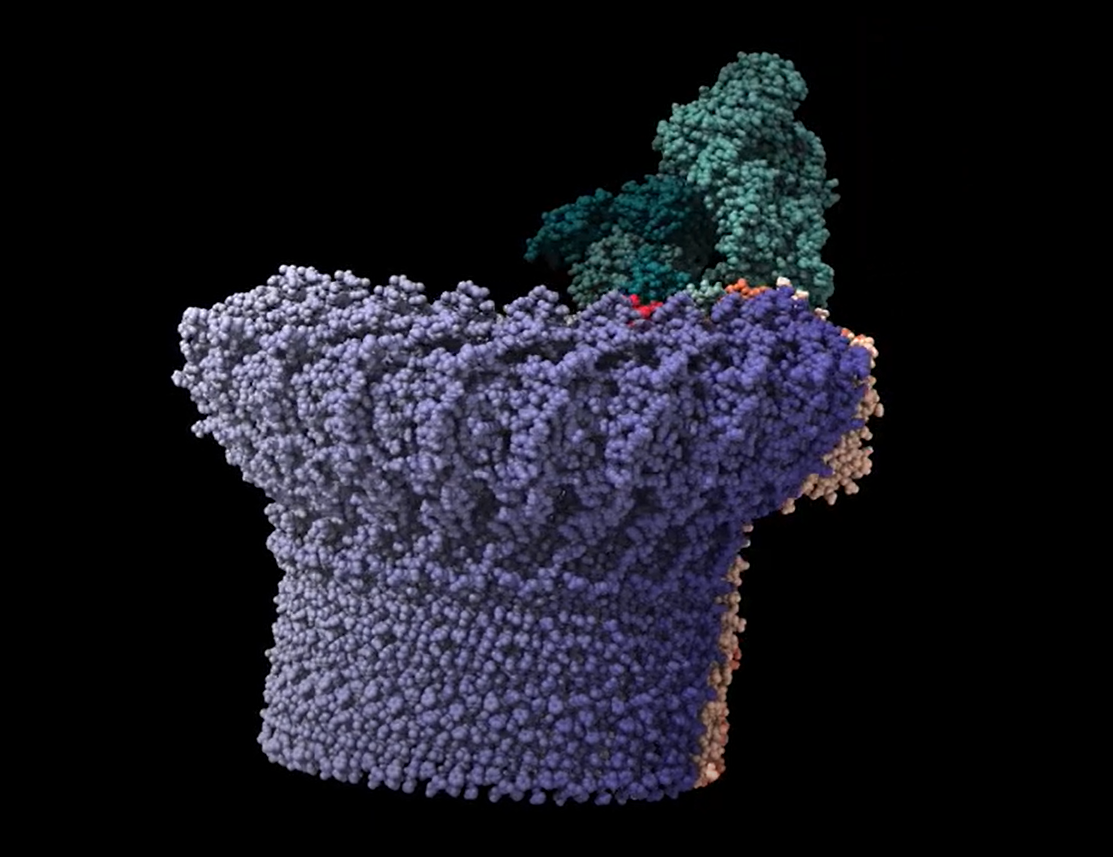
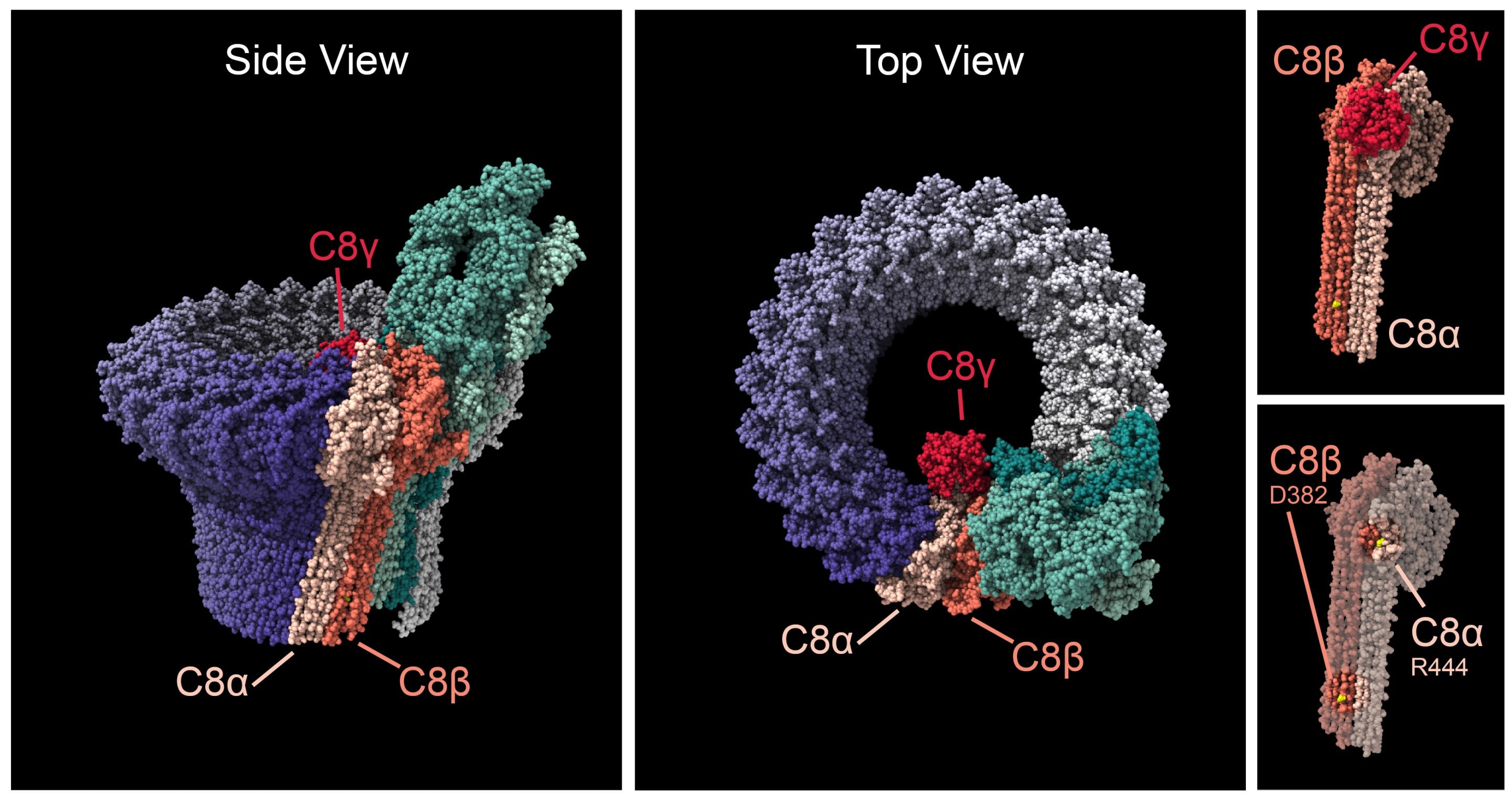
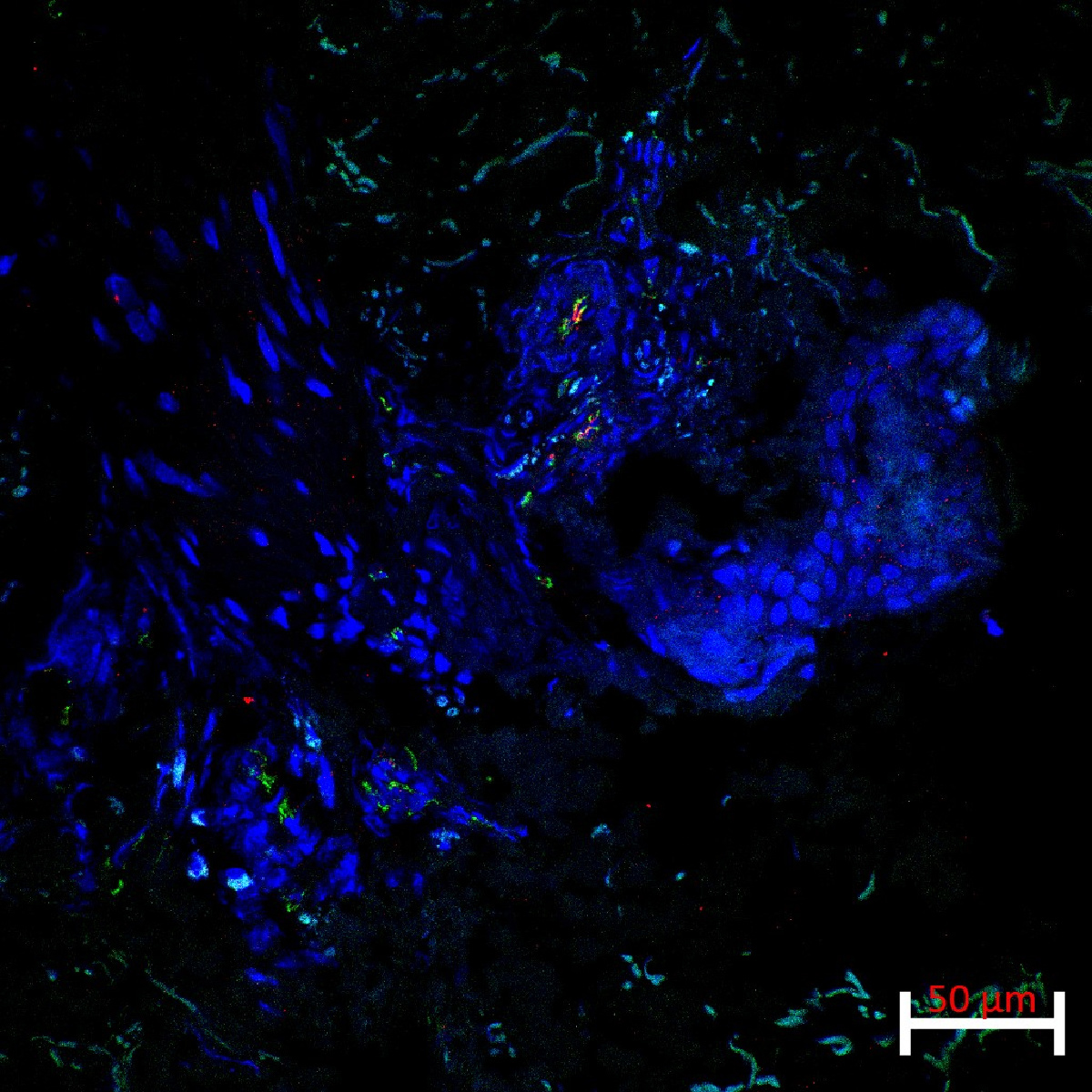
Rare genetic variants that create malformed proteins and disrupt the membrane attack complex (MAC) stability have been identified as a potential cause of age-related macular degeneration (AMD), a prevalent cause of vision loss in older adults. The findings suggest MAC as a potential therapeutic target for AMD, as either too much or too little stable MAC in the retina may lead to destructive inflammation, which in turn drives AMD progression.
Rare genetic variants that generate malformed proteins altering the stability of the membrane attack complex (MAC) may drive a chronic inflammatory response in the retina, leading to age-related macular degeneration (AMD), according to a study from the National Eye Institute. The findings suggest MAC as a potential therapeutic target to slow or prevent the development of AMD, which is a common cause of vision loss in older adults. While there are currently some treatments to slow vision loss for people with the wet form of AMD, there is no treatment for most patients and no cure for the disease.
Rare genetic variants that alter the stability of the membrane attack complex (MAC) may drive a chronic inflammatory response in the retina, leading to age-related macular degeneration (AMD). The National Eye Institute (NEI) identified these variants, which could point to a potential therapeutic target to slow or prevent the development of AMD. While there are currently some treatments to slow vision loss for people with the wet form of AMD, there is no treatment for most patients and no cure for the disease.
NIH researchers have identified a new autoinflammatory disease caused by mutations in the LYN gene, which regulates immune responses. The disease, named Lyn kinase-associated vasculopathy and liver fibrosis (LAVLI), was discovered in three pediatric patients who developed diseases linked to the LYN genetic mutation shortly after birth. The study suggests that Lyn kinase may be a potential therapeutic target for drugs that treat forms of non-syndromic small vessel vasculitis and other types of inflammation-induced liver fibrosis.