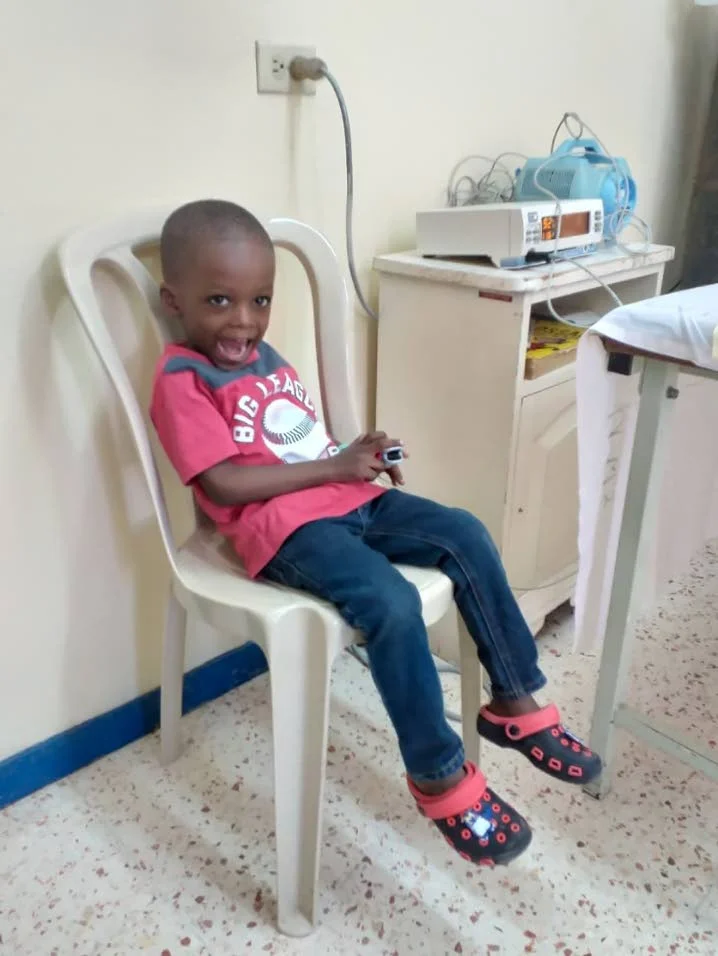
The article tells the story of Aiden-Jon Amir Hall, a young boy with sickle cell anaemia who passed away at age five, and his mother Latoya Minott Smikle's efforts to raise awareness and funds through the Aiden-Jon Amir Hall Foundation to support others affected by the disease, highlighting the challenges faced by families and the need for greater resources and support.
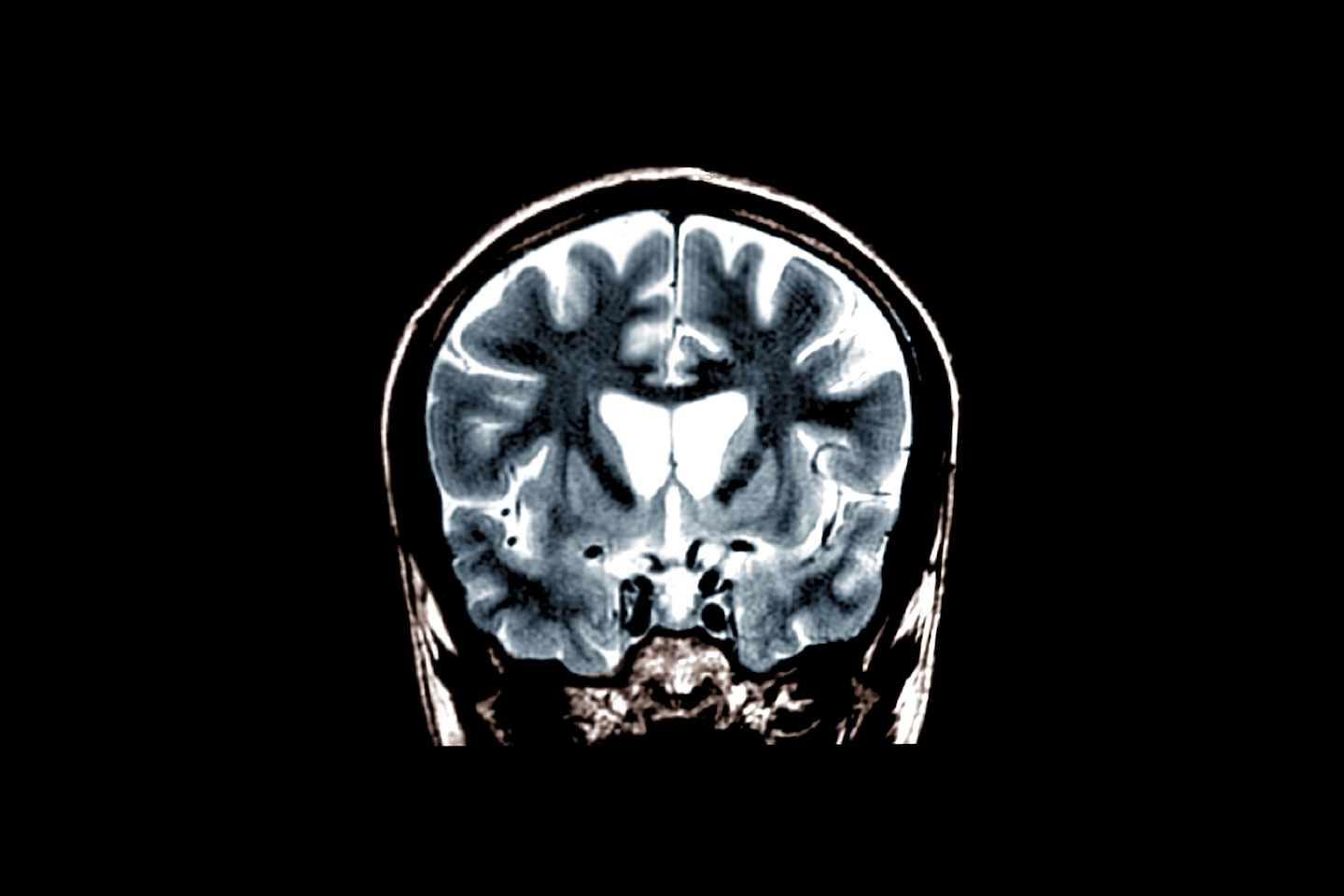
A small study has shown that a new treatment can slow the progression of Huntington's disease, marking a potential advance in managing this genetic disorder, though it is still in early stages and not yet approved.
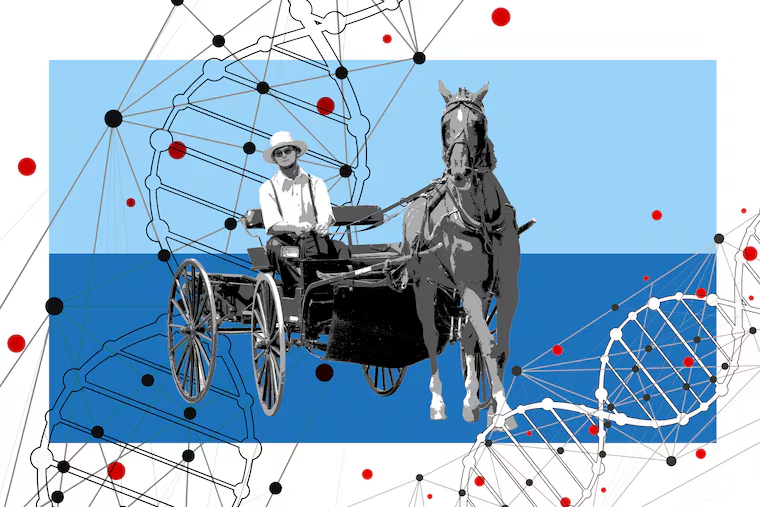
A rare genetic disorder called complement factor I deficiency, which is more common in the Amish community due to the founder effect, was identified as the cause of brain inflammation in an Amish girl at CHOP, leading to better diagnosis and treatment for similar cases in the community.
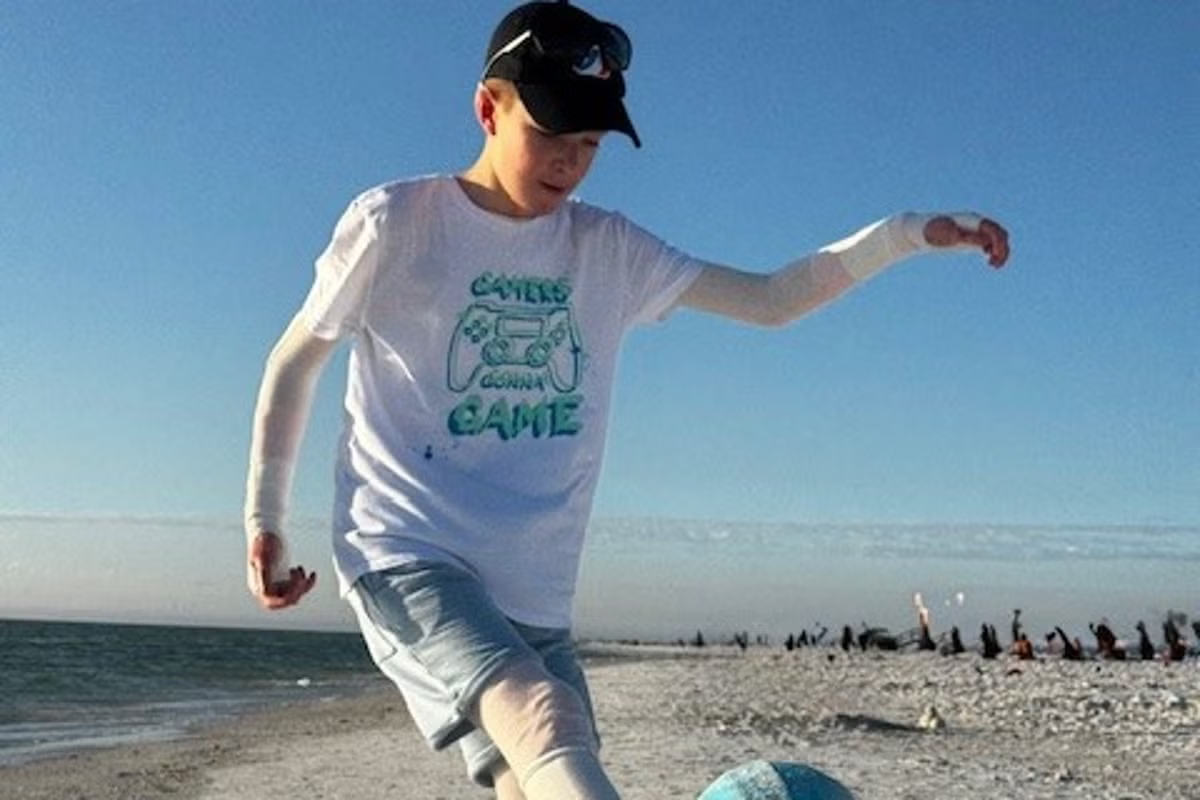
A 12-year-old boy with a rare skin disorder, recessive dystrophic epidermolysis bullosa, has improved his quality of life and ability to play sports after participating in a clinical trial involving stem cell infusions, which showed promising results in healing wounds and reducing inflammation.
A woman in her 60s with a history of various tumors was diagnosed with Cowden syndrome after doctors observed her cobblestone-like tongue, a sign of the genetic mutation affecting PTEN, which increases her risk of developing multiple cancers.
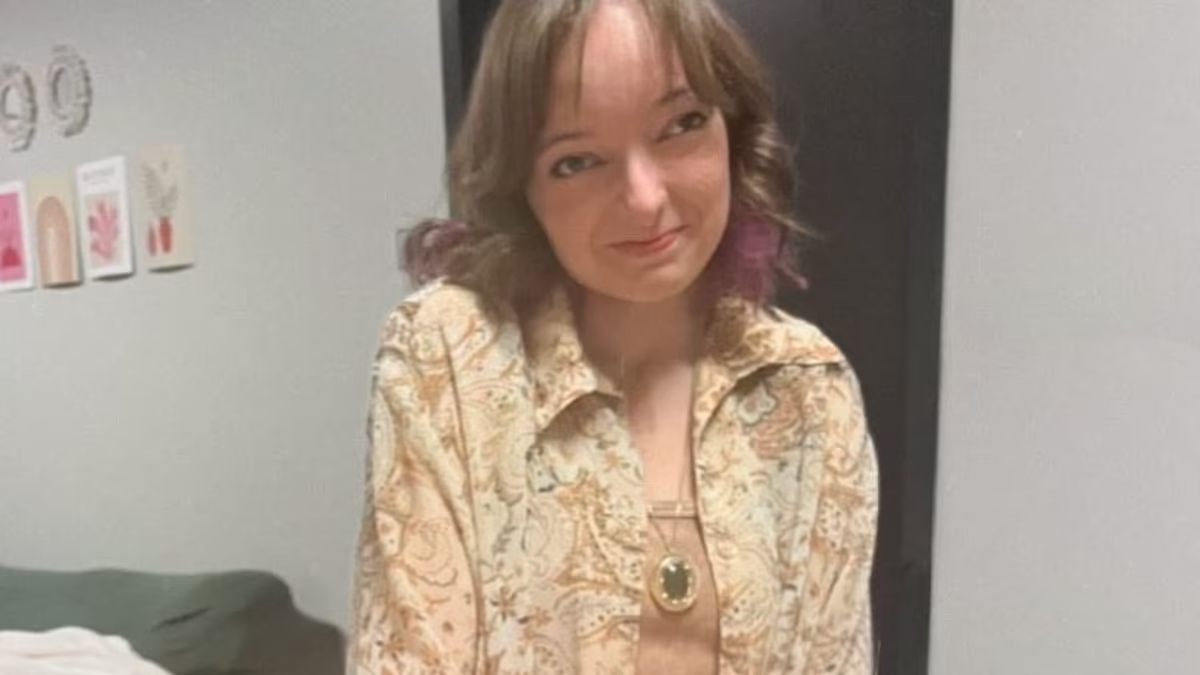
Kayley, a 20-year-old college student from Tennessee, suffers from Loeys-Dietz syndrome (LDS), a rare genetic disorder that weakens connective tissue, leading to severe health issues like aneurysms and heart defects. Despite the condition's low life expectancy and numerous surgeries, Kayley remains optimistic and focused on living life to the fullest. She describes her condition as 'The Melting Disorder' due to the weakened state of her body's connective tissues, which affects her organs and skeletal system.
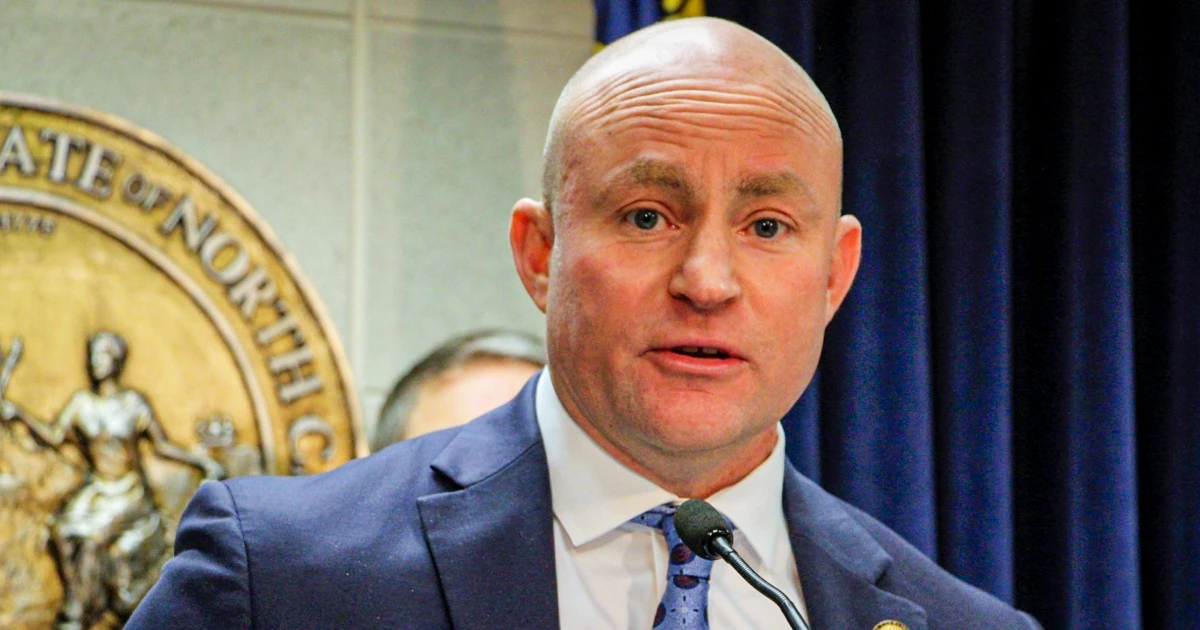
A North Carolina senator's office is under scrutiny after a constituent received an email suggesting she "move to China" following her concerns about the state's abortion policy. The woman, who has a genetic disorder affecting fetal health, criticized the restrictive laws, prompting an unprofessional response from Senator Danny Britt's assistant. The incident gained attention on TikTok, sparking backlash over the insensitivity of the reply. The woman seeks clarity and compassion from her representatives regarding abortion laws, which she argues are forcing people to seek care out of state.
A new study published in Nature Medicine identifies mutations in the RNU4-2 gene as a likely cause of many unexplained cases of intellectual disability. The gene, crucial for gene splicing, when mutated, can disrupt brain development, leading to intellectual disabilities. The findings could help update genetic tests and provide diagnoses for many families. The study estimates the condition affects up to 1 in 20,000 young people, though its prevalence in older adults is unknown. Researchers emphasize the significance of the discovery, though treatment options remain distant.
NIH researchers have found that ruxolitinib, a drug approved for certain autoimmune diseases and cancers, can alleviate symptoms of autoimmune polyendocrine syndrome type 1 (APS-1), a rare genetic disorder. The study, published in the New England Journal of Medicine, showed that elevated levels of interferon-gamma (IFN-gamma) are linked to APS-1, and ruxolitinib helps normalize these levels, reducing symptoms in both mice and human participants. Further research with a larger patient group is needed to confirm these findings.
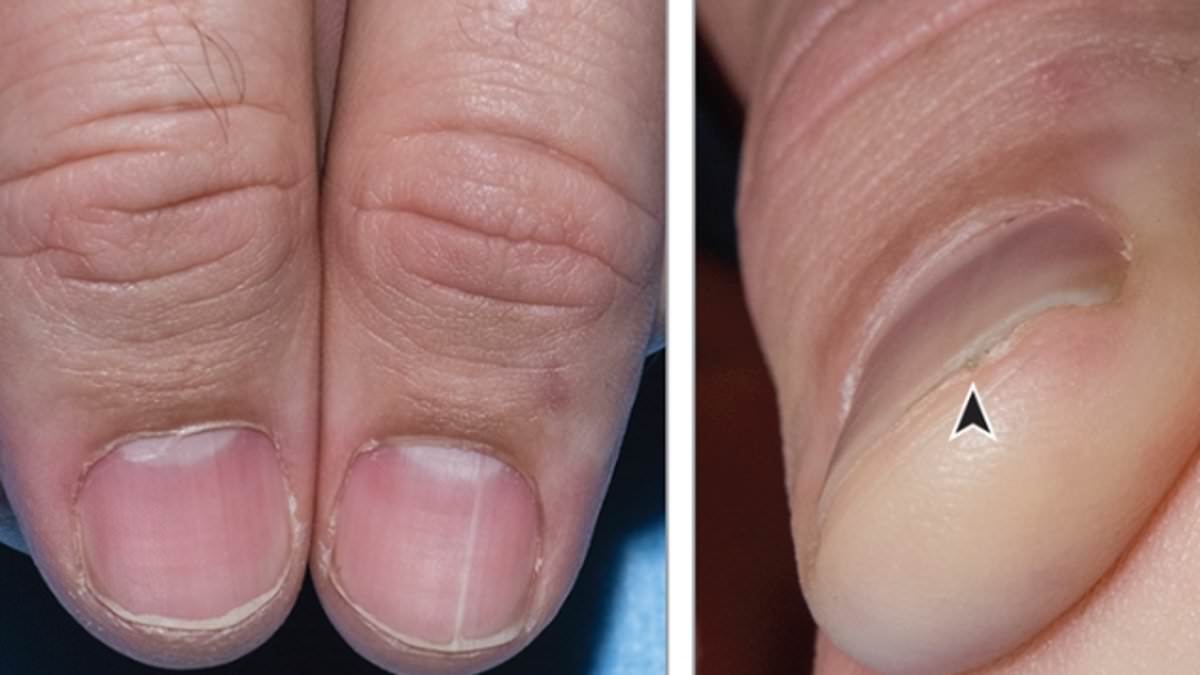
New research from the NIH suggests that faint white lines on fingernails could indicate a rare genetic condition, BAP1 tumor predisposition syndrome, which increases the risk of various cancers, including kidney, skin, and eye cancers. The study found that 88% of people with this genetic disorder had abnormal nail markings, such as a thin white line running the length of the nail, often associated with benign tumors. This condition affects fewer than 100 American families and is linked to more aggressive and early-onset cancers.
A rare six-legged mountain gazelle has been discovered in Israel, with an extra pair of legs due to a genetic abnormality. Despite this, the gazelle seems to be managing well and has even sired offspring. The animal's condition is attributed to a rare genetic disorder called polymelia, and it is the first known instance of this disorder in a mountain gazelle in the Middle East. Mountain gazelles are a protected species in Israel, with only around 5,000 remaining in the wild, and they can also be found in other parts of the region.
A rare six-legged mountain gazelle has been spotted in Israel's Nahal HaBasor reserve, with an extra pair of legs due to a genetic disorder called polymelia. Despite the abnormality, the gazelle seems to be managing well and has even sired offspring. This is the first known instance of polymelia in a mountain gazelle in the Middle East, highlighting the importance of wildlife conservation efforts for this endangered species.
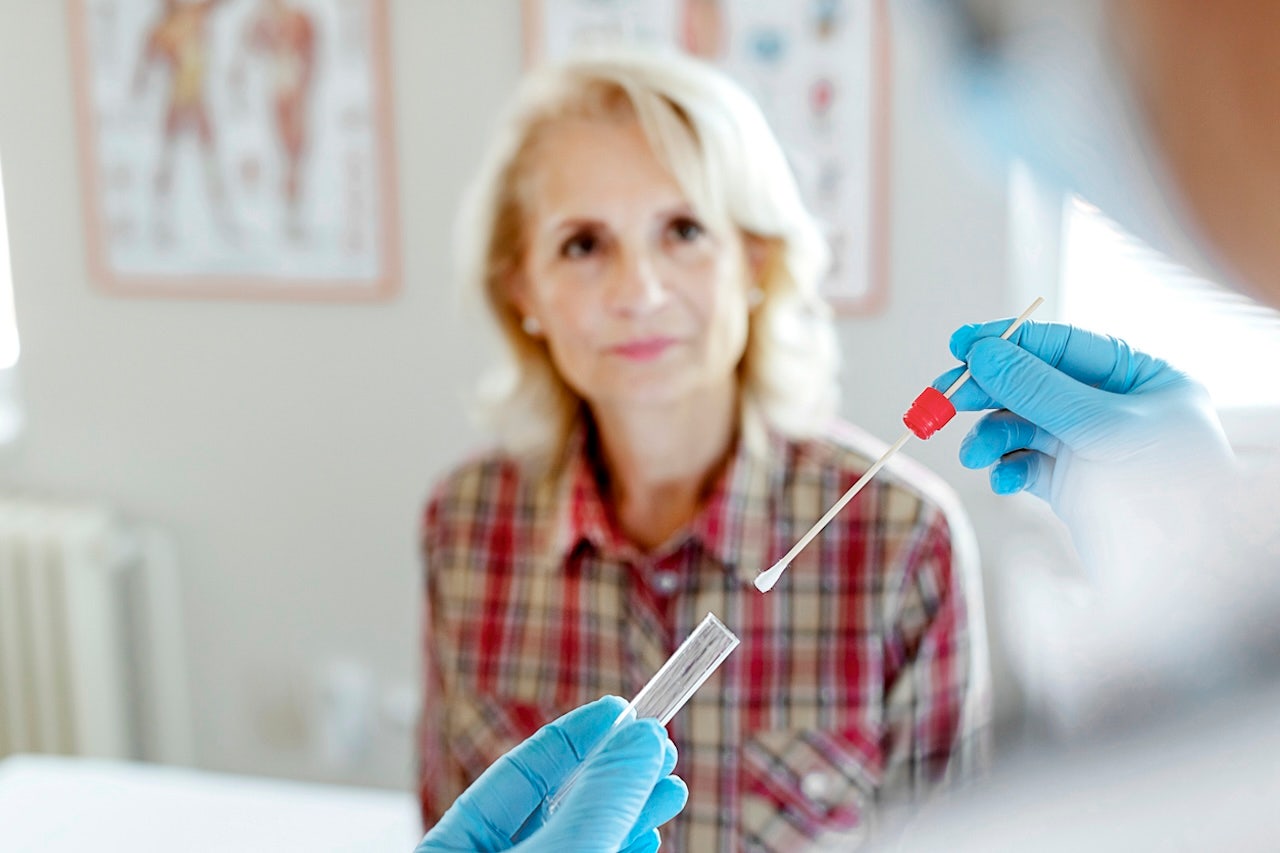
Lynch syndrome is a little-known genetic disorder that significantly increases the risk of various cancers, including colon and colorectal cancer, but is often undiagnosed due to its lack of symptoms. It can be detected through genetic testing and requires close monitoring through regular screenings, especially colonoscopies, for those who test positive. A clinical trial for a new cancer vaccine targeting Lynch syndrome patients is underway, with the potential to extend to other types of cancers if successful. Patients are advised to discuss their family history with their primary care doctors and consider genetic testing for early detection and prevention.
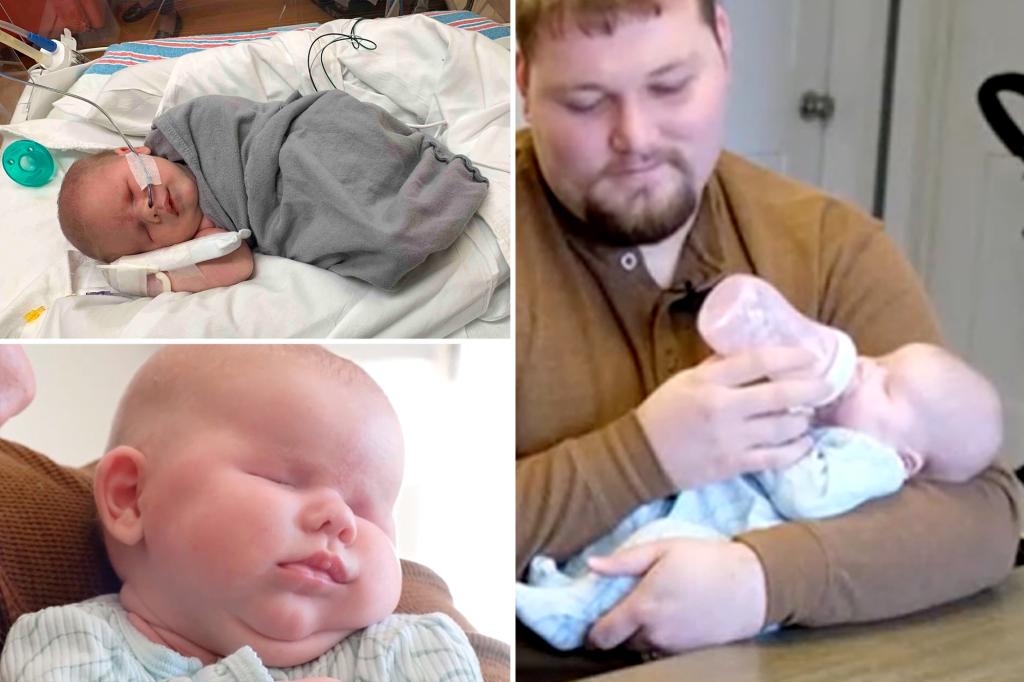
A couple's joy turned to shock when their baby, Wrenley Ice, was born without eyes due to a rare genetic disorder called haploinsufficiency of PRR12. The condition, affecting less than 30 people worldwide, also impacts Wrenley's development. The parents, Taylor and Robert Ice, are determined to support their daughter and have opened up about her condition. Wrenley will require surgery to unfuse her eyelids and will eventually receive glass eyes. Despite the challenges, the family remains hopeful and grateful for their daughter.
A baby girl in Missouri was born without eyes due to a rare genetic condition affecting less than 30 people worldwide. The condition, anopthalmia, means she was born without eye tissue or optic nerves, and also without cortisol. Doctors at St Louis Children's Hospital diagnosed her and warned that the condition could impact her intellectual and physical development. There is no known treatment to restore vision, so she will be fitted with prosthetic eyes. The family has launched a GoFundMe page to cover medical costs, and the baby is expected to undergo surgery to have prosthetic eyes fitted.