A new drug, tofersen, shows promise in slowing or reversing symptoms of a rare form of ALS by targeting the SOD1 mutation, with some patients experiencing significant improvements and reduced risk of death, marking a potential breakthrough in ALS treatment.
Researchers have uncovered how a rare genetic mutation in the GPX4 gene causes neurodegeneration through ferroptosis, a form of cell death linked to oxidative damage, providing new insights into diseases like Alzheimer's and childhood dementia.
A sperm donor with a rare cancer-causing gene mutation fathered at least 197 children across Europe, some of whom have already died from cancer, highlighting the need for stricter genetic screening and regulation of sperm donors.
Scientists discovered that mutations in the CPD gene cause a rare inherited form of hearing loss by disrupting arginine and nitric oxide signaling in inner ear cells. They found that existing drugs like Viagra and arginine supplements could potentially reverse this damage, offering a promising treatment avenue for this genetic condition.
A Swedish-led clinical trial found that low-dose aspirin significantly reduces the risk of colon and rectal cancer recurrence in patients with a specific genetic mutation, highlighting its potential as an affordable, personalized treatment option for colorectal cancer.
A Swedish clinical trial found that low-dose aspirin can halve the recurrence risk of colon and rectal cancer in patients with a specific genetic mutation, offering a cheap and accessible treatment option that could influence global guidelines.
A clinical trial by the Karolinska Institute found that daily aspirin reduces the risk of colon cancer recurrence by over 50% in patients with a specific genetic mutation, highlighting its potential as a cost-effective, personalized treatment option.
A new study suggests that a single genetic mutation in the GSDMC gene played a key role in transforming wild horses into rideable domesticated animals around 4,200 years ago, by enhancing their body structure and locomotion capabilities.
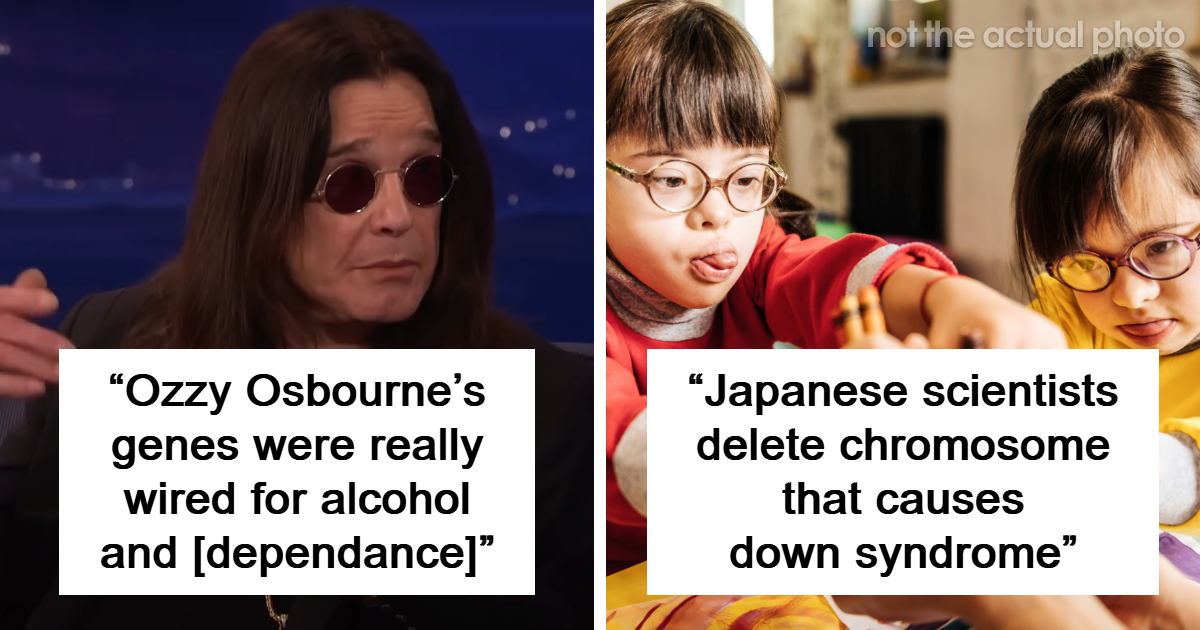
The article shares fascinating scientific facts, including Ozzy Osbourne's unique genetics that influenced his lifespan and addiction, groundbreaking cancer treatments using bee venom and psilocybin, innovative medical procedures, and remarkable animal behaviors, highlighting the incredible diversity and potential of scientific discovery.
A minor genetic change in the ADSL enzyme may have contributed to the cognitive and behavioral advantages of modern humans over Neanderthals, potentially influencing our species' survival and evolution.
Researchers have replicated a rare genetic mutation that grants near-universal virus immunity in lab animals using mRNA technology, offering a potential short-term protective therapy against various viruses, including COVID-19, though challenges remain in delivery and societal acceptance.
Erin Kelly, a 29-year-old Australian single mother, has been diagnosed with a rare genetic form of early-onset Alzheimer's disease, inheriting the PSEN1 mutation from her mother. She is experiencing early symptoms and is seeking treatment options like Leqembi to slow progression, while also trying to protect her young daughter from the diagnosis. Her family has started a fundraiser to help afford treatment not covered by Australian public health services.
Stanford researchers discovered that inhibiting the overactive enzyme LRRK2 in mice with a genetic mutation related to Parkinson's disease can restore neuron function, suggesting a promising new treatment approach that could benefit multiple Parkinson's patient groups, though further research in humans is needed.
Scientists have observed a rare case of reverse evolution in Galápagos tomatoes, where they are reverting to ancient genetic traits that produce toxic alkaloids, possibly as an adaptation to their environment. This phenomenon involves just a few genetic mutations affecting enzyme structure, leading to the reactivation of ancestral chemical defenses, and suggests that evolution can sometimes move backward under certain conditions.
Werner syndrome is a rare genetic disorder caused by mutations in the WRN gene, leading to defective DNA repair and premature aging symptoms such as hair loss, skin changes, and increased cancer risk, with no current cure but symptom management options available.