A study finds that combining the drugs silybin and carvedilol produces a strong synergistic effect in reversing liver fibrosis by inhibiting scar tissue formation, offering a promising new treatment approach using existing, safe medications.
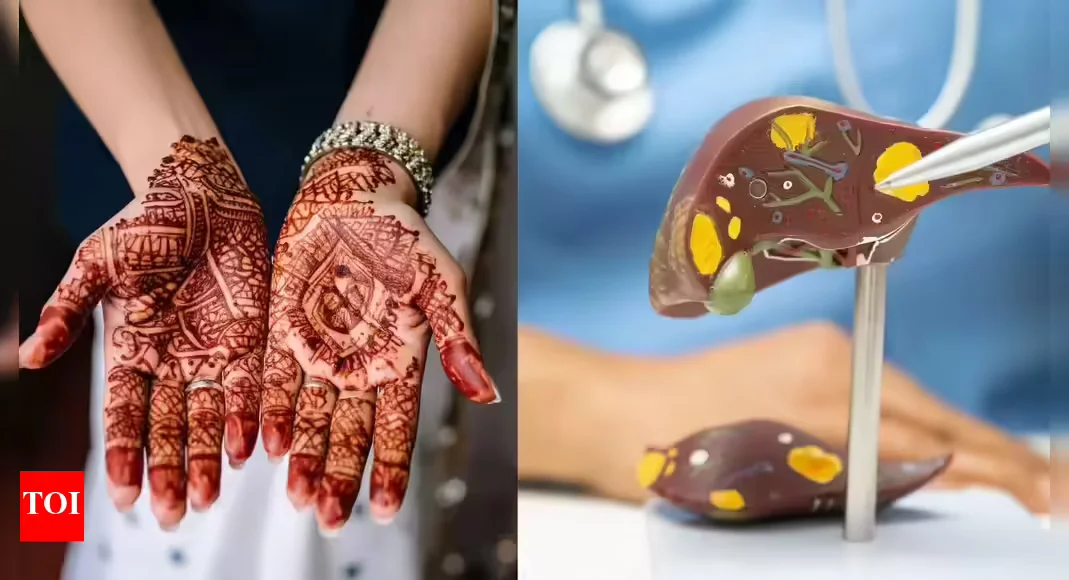
Japanese researchers have discovered that compounds from henna, specifically Lawsone, may help reverse liver fibrosis by inhibiting the activation of fibrogenic liver cells, offering a potential new natural treatment for liver damage caused by various conditions. Laboratory trials in mice showed promising results, and further development could lead to therapies that not only halt but also reverse liver scarring, providing hope for millions with chronic liver diseases.
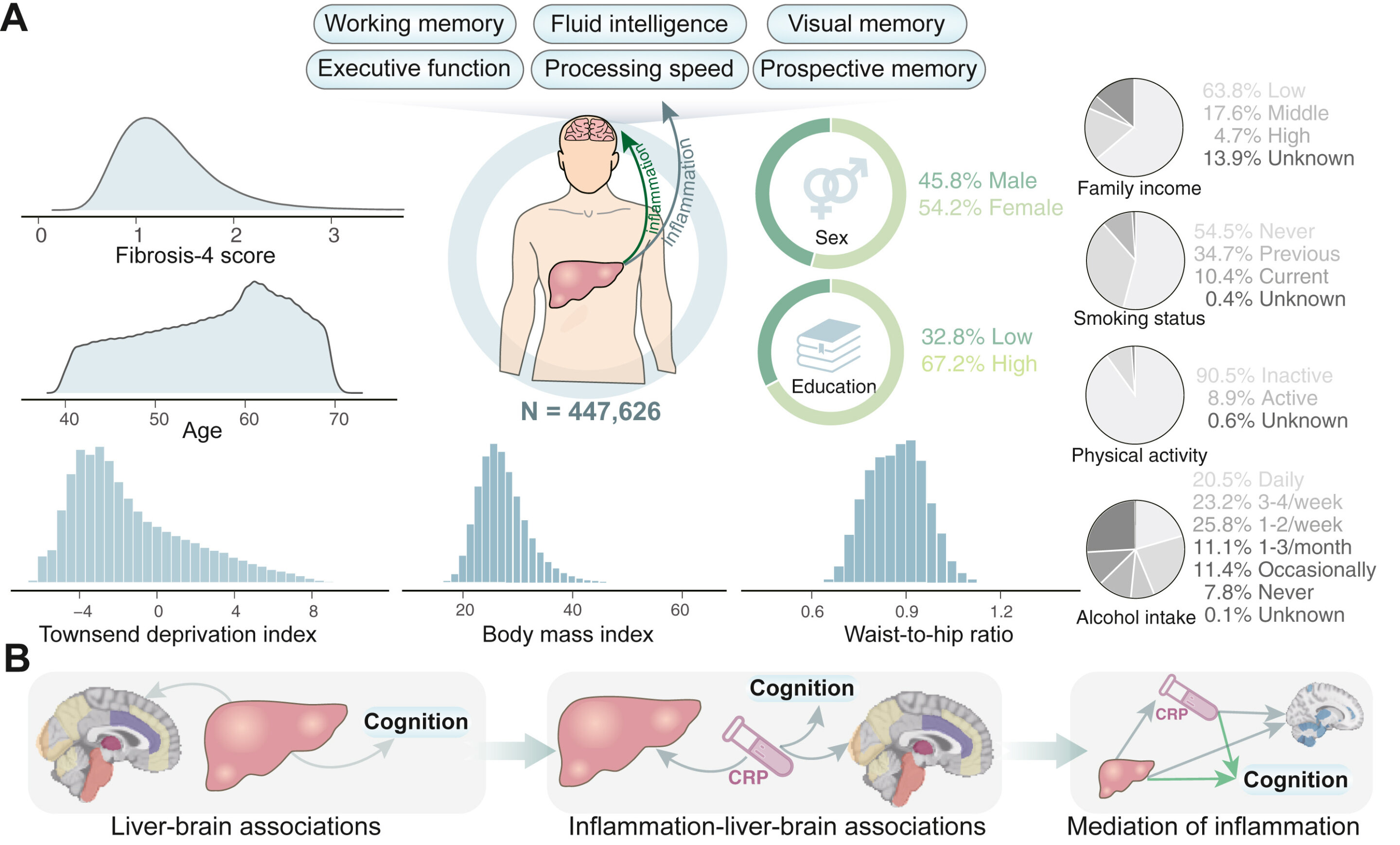
Liver fibrosis, a symptom of chronic liver diseases, is linked to reduced cognitive abilities and brain volume, possibly mediated by inflammation, according to a study that used data from the UK Biobank. The findings suggest a liver-brain axis, highlighting the interconnectedness of physical and mental health. The study emphasizes the need for early liver disease surveillance to possibly prevent cognitive decline. The hippocampus, thalamus, striatum, and brain stem are among the brain regions that showed reduced gray matter volume in participants with liver fibrosis.
Liver fibrosis, a scarring of liver tissue that occurs in many chronic liver diseases, is associated with reduced cognitive ability and reduced brain volume in certain regions of the brain, according to a study by Yale researchers. The study used data from the UK Biobank and found that inflammation may contribute to the link between liver fibrosis, cognition, and brain structure. The findings highlight the need for early surveillance of liver disease and suggest that preventing liver disease may help delay the progression of diseases like dementia and Alzheimer's disease.
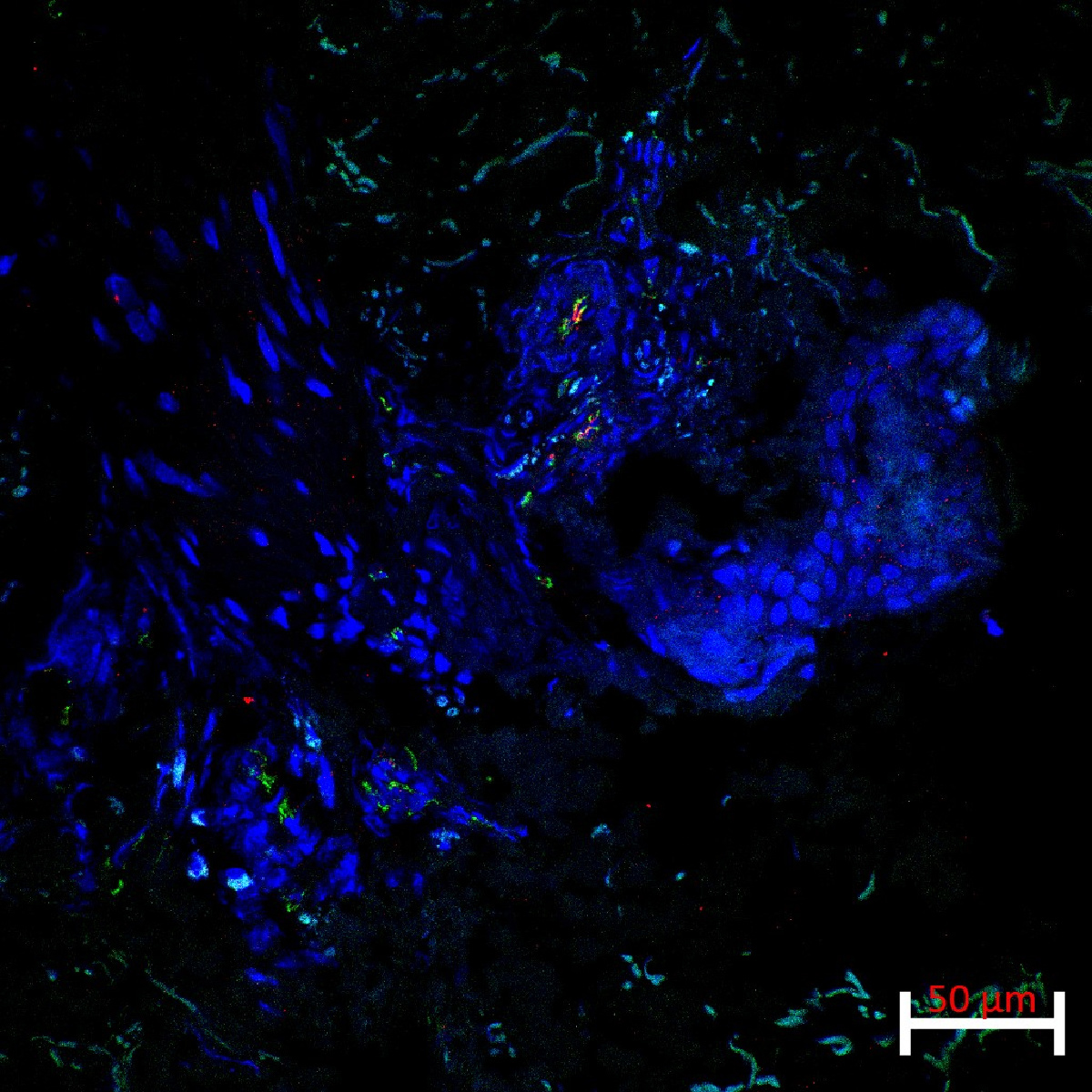
NIH researchers have identified a new autoinflammatory disease caused by mutations in the LYN gene, which regulates immune responses. The disease, named Lyn kinase-associated vasculopathy and liver fibrosis (LAVLI), was discovered in three pediatric patients who developed diseases linked to the LYN genetic mutation shortly after birth. The study suggests that Lyn kinase may be a potential therapeutic target for drugs that treat forms of non-syndromic small vessel vasculitis and other types of inflammation-induced liver fibrosis.