Dr. Saurabh Sethi, a liver expert trained at AIIMS, Harvard, and Stanford, shares nine crucial truths about liver health, emphasizing its ability to regenerate but warning against chronic damage, the benefits of coffee, risks of fatty liver disease, the importance of sleep, circadian rhythm, avoiding toxins, cautious use of supplements, and staying hydrated to maintain liver health.

The article discusses seven signs of liver damage that can manifest in the feet, including red or brown spots, spider veins, cracked heels, burning sensations, smelly feet, pitting edema, and toenail fungal infections, emphasizing the importance of recognizing these symptoms early and consulting a healthcare professional.
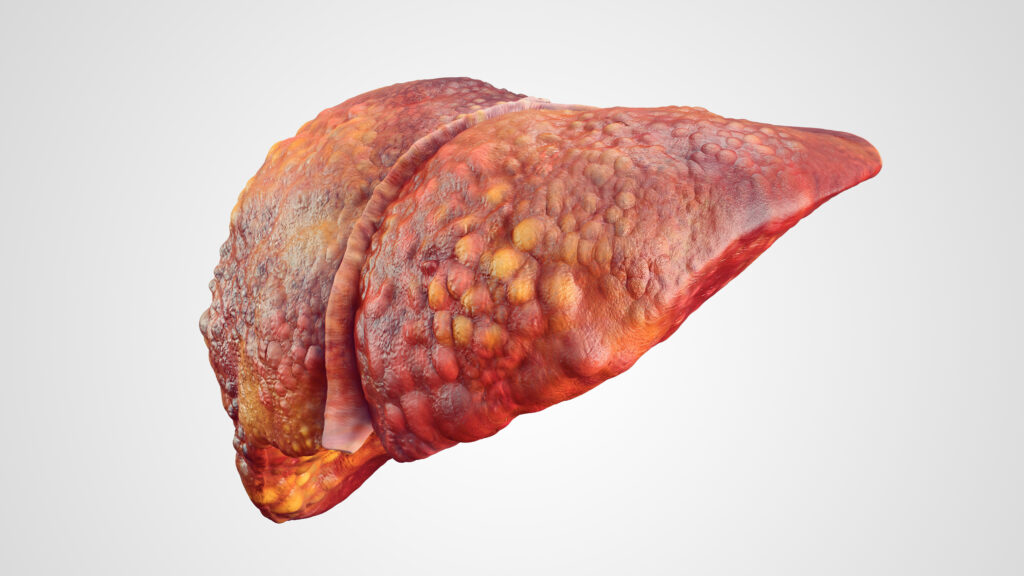
A 22-year-old woman from Shasta County is critically ill with diet-related cirrhosis due to non-alcoholic fatty liver disease, highlighting the dangers of processed foods and the importance of dietary awareness, and is awaiting a liver transplant.
A study suggests that up to 10% of dementia patients may actually have undiagnosed liver disease, particularly cirrhosis, leading to neurological symptoms that mimic dementia but are reversible with treatment. The study, conducted by Veterans Affairs doctors, found that the FIB-4 score could be a useful screening tool for identifying potential liver damage in dementia patients. The link between liver disease and dementia highlights the need for improved screening and diagnosis to ensure that reversible causes of brain issues are not overlooked.
The liver, crucial for bodily processes, is susceptible to alcohol's effects, leading to fatty liver and potentially fatal cirrhosis. Giving up alcohol can lead to liver healing, with noticeable improvements in just a few weeks for fatty liver and within seven days for inflammation or mild scarring. Long-term abstinence can reduce the risk of worsening liver failure and death for heavy drinkers. Additionally, quitting alcohol has positive effects on sleep, brain function, blood pressure, and reduces the risk of various cancers and heart disease. However, it's important to seek medical advice when giving up alcohol, as sudden withdrawal can be dangerous for heavy drinkers.
Megan McGillin, diagnosed with cirrhosis of the liver at the age of 10, has delayed the need for a liver transplant through her dedication to fitness and rowing. Liver disease in children is rare, and while cirrhosis cannot be cured or reversed, maintaining a healthy lifestyle can play a critical role in managing the condition. Megan's liver disease is not related to alcohol consumption, despite being told she had the "liver of an alcoholic." She emphasizes the importance of educating others about the diverse causes of liver disease and the need for organ donation. While she doesn't know when she may need a transplant, Megan remains positive and grateful for the opportunity to receive a life-saving organ.
Researchers at the University of Barcelona have identified the RNF41 protein as a potential therapeutic target for cirrhosis and liver inflammation. The study found that the expression of RNF41 is lower in macrophages from patients with liver cirrhosis and in mice with liver fibrosis. Restoring the function of RNF41 protein in mice resulted in enhanced elimination of fibrosis, reduced liver inflammation, and increased liver regeneration. The team used innovative techniques, including dendrimer-graphite nanoparticles and specific isolation of macrophages, to obtain these results. Future research will focus on identifying proteins that control RNF41 in macrophages to develop drugs that increase its expression and regulate macrophage activity in liver diseases.
Naltrexone can be safely administered to patients with alcohol use disorder (AUD) and compensated cirrhosis to help them achieve abstinence and decrease craving, according to the first randomized controlled trial. After 3 months, 64% of patients who received naltrexone were abstinent from alcohol, compared with 22% of patients who received placebo. Naltrexone was found to be safe for patients with compensated cirrhosis. The study showed that patients who consumed fewer than 17 drinks per month at baseline were more likely to achieve abstinence.