Tag

Taxonomy

All articles tagged with #taxonomy

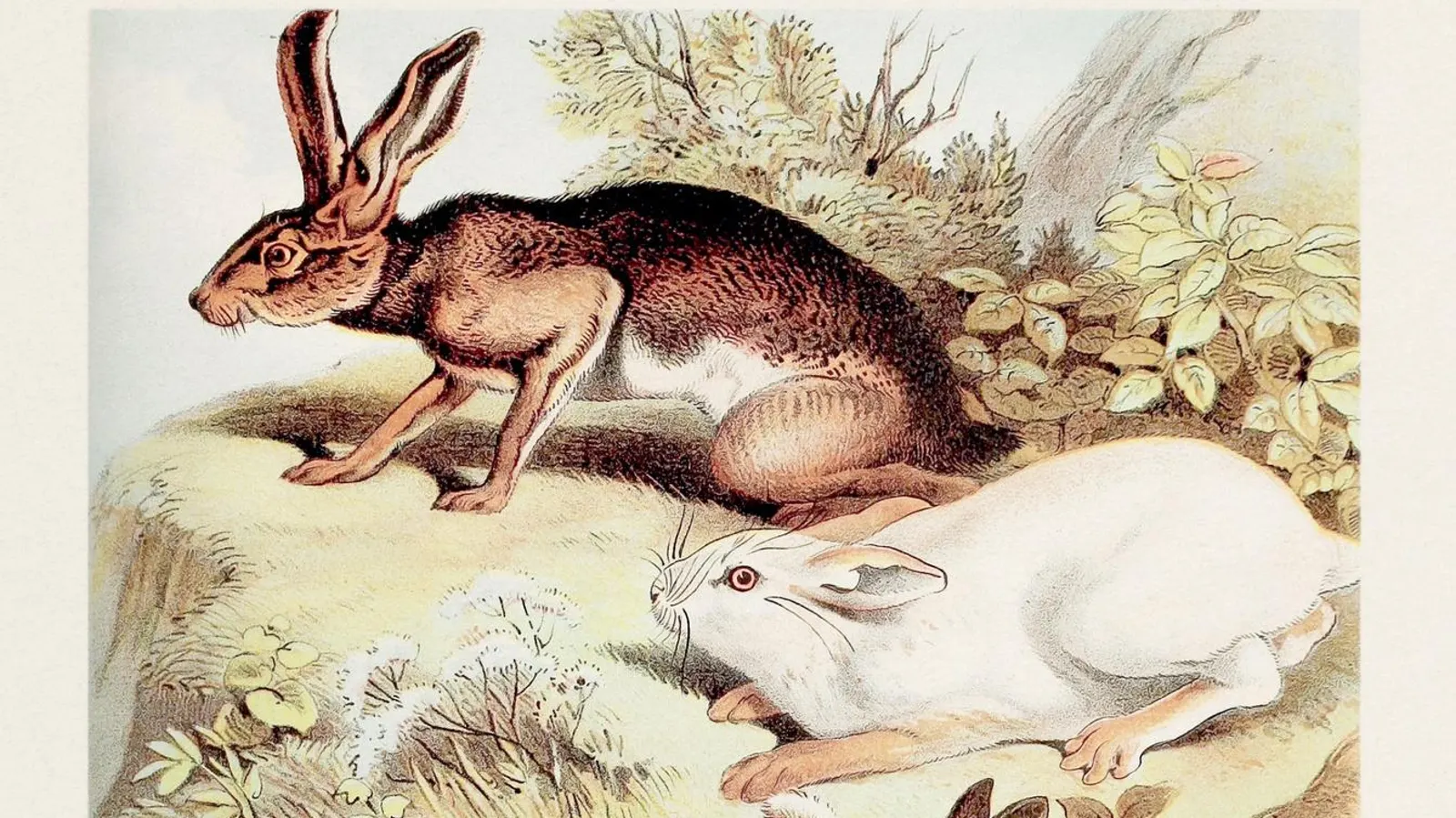
Biologist Clarifies Confusions Among 8 Commonly Mistaken Animals

Originally Published 7 months ago — by Forbes

Featured image for Biologist Clarifies Confusions Among 8 Commonly Mistaken Animals
Source: Forbes

The article explains the importance of accurately distinguishing closely related animal species, such as hares vs. rabbits, bison vs. buffalo, dolphins vs. porpoises, and crows vs. ravens, highlighting their physical and behavioral differences that reflect their unique evolutionary paths and ecological niches.

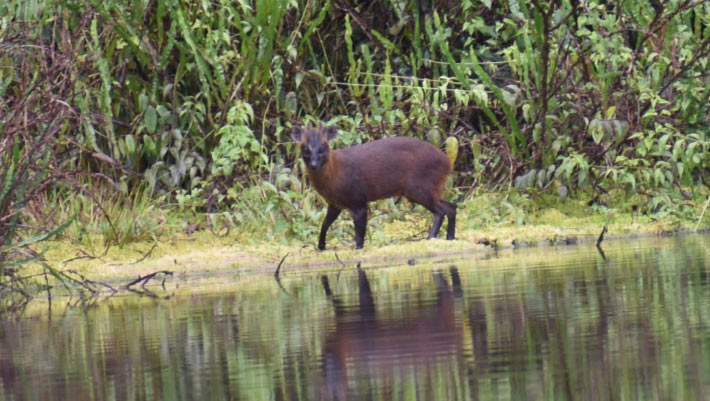
"Peru's Discovery: New Dwarf Deer Species Unveiled"

Originally Published 1 year ago — by Sci.News

Featured image for "Peru's Discovery: New Dwarf Deer Species Unveiled"
Source: Sci.News

A new species of dwarf deer, Pudella carlae, has been discovered in Peru, making it the first living cervid species described in the 21st century and the first from the New World in over six decades. This finding challenges previous assumptions about the taxonomy and systematics of Neotropical deer, particularly the genus Pudu. The researchers also identified that Pudu mephistophiles is actually two distinct species, with the newly described Pudella carlae being a Peruvian endemic. This discovery sheds light on the complexity of deer evolution and highlights the need for further research in this area.

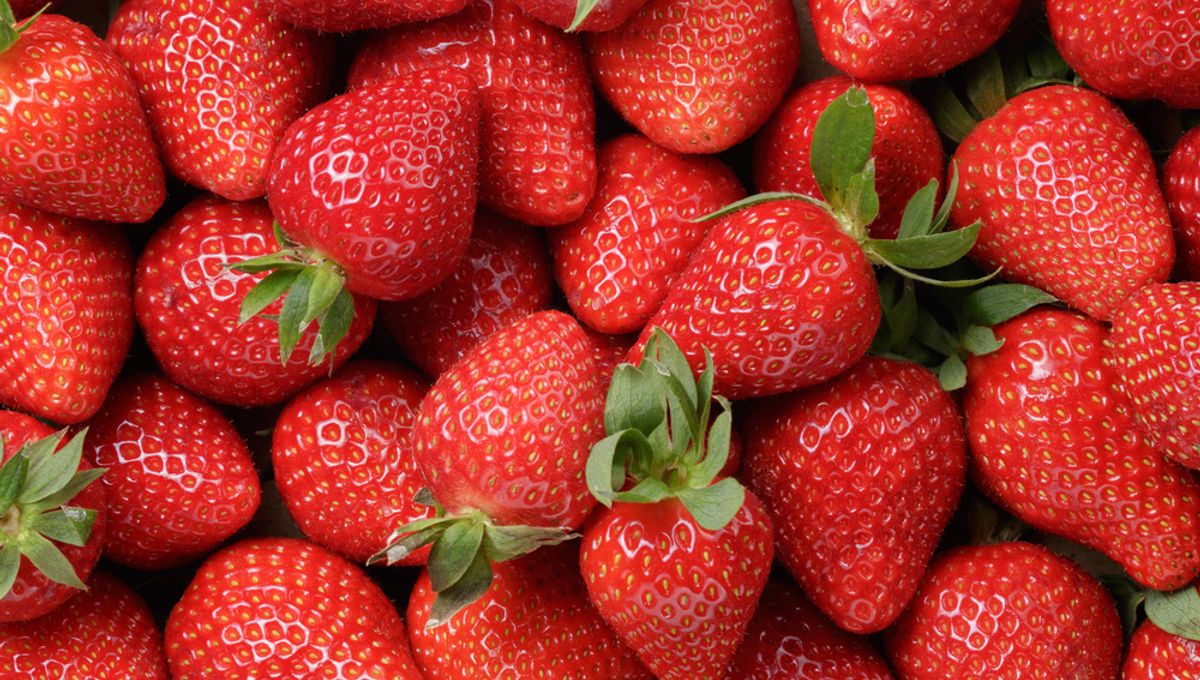
"The Truth About the White Dots on Strawberries"

Originally Published 2 years ago — by IFLScience

Featured image for "The Truth About the White Dots on Strawberries"
Source: IFLScience

The white dots on strawberries are not seeds but rather achenes, which are the plant's fruit containing a single seed each. Despite their misleading appearance, strawberries are not berries but rather aggregate fruits, similar to raspberries and blackberries, and belong to the same family as roses. Their unusual life cycle and propagation through runners further distinguish them from true berries, placing them in the aggregate fruit category.

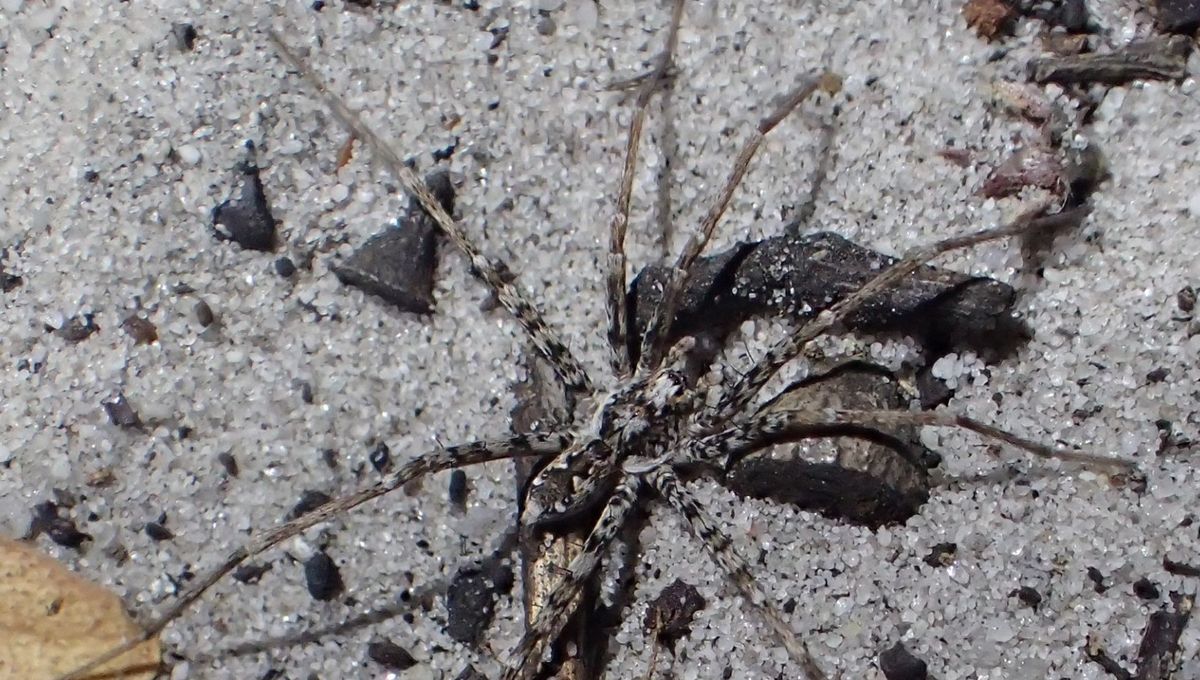
Uncharted Territory: Australia's Unnamed Spider Species Remain a Mystery

Originally Published 2 years ago — by IFLScience

Featured image for Uncharted Territory: Australia's Unnamed Spider Species Remain a Mystery
Source: IFLScience

Australia has added 48 new species of ground-hunting spiders to its already diverse collection of arachnids. The taxonomic project, led by Dr. Robert Raven, took decades to formally categorize and describe the spiders from the family Miturgidae. The new species, found in dry habitats across Australia, are nocturnal and fast-moving, with body lengths of up to 10 millimeters. They do not spin webs but instead hunt for prey on the ground. The spiders have been named to honor notable figures in the arachnid community, and their discovery highlights the ongoing secrets of biodiversity in the natural world.

"Scientists Propose Renaming the Hitler Beetle for Surprising Reasons"

Originally Published 2 years ago — by The Washington Post

Featured image for "Scientists Propose Renaming the Hitler Beetle for Surprising Reasons"
Source: The Washington Post

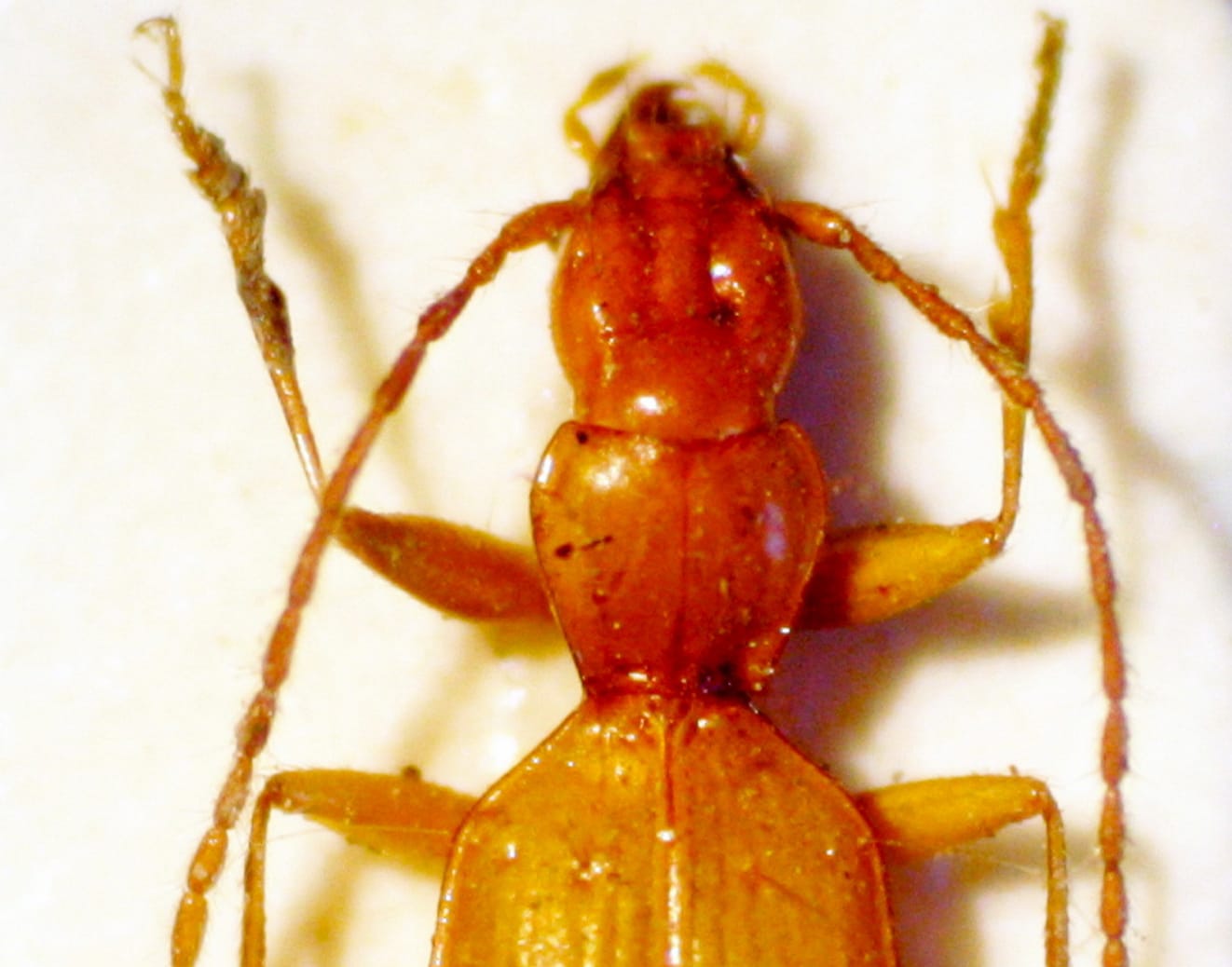
Scientists are debating whether to change the names of species that have offensive or objectionable associations. The recent focus has been on the Anophthalmus hitleri, a blind cave beetle named after Adolf Hitler. Some scientists argue that changing the name would protect the beetle from illegal collection driven by its infamous title. However, others defend the current naming system, stating that retroactive changes based on personal sentiment would disrupt the stability of scientific communication. The debate raises broader questions about the use of offensive names in taxonomy and the need for a more responsive approach to naming species.

The Mysterious Continuation of Crab Evolution.

Originally Published 2 years ago — by ScienceAlert

Featured image for The Mysterious Continuation of Crab Evolution.
Source: ScienceAlert

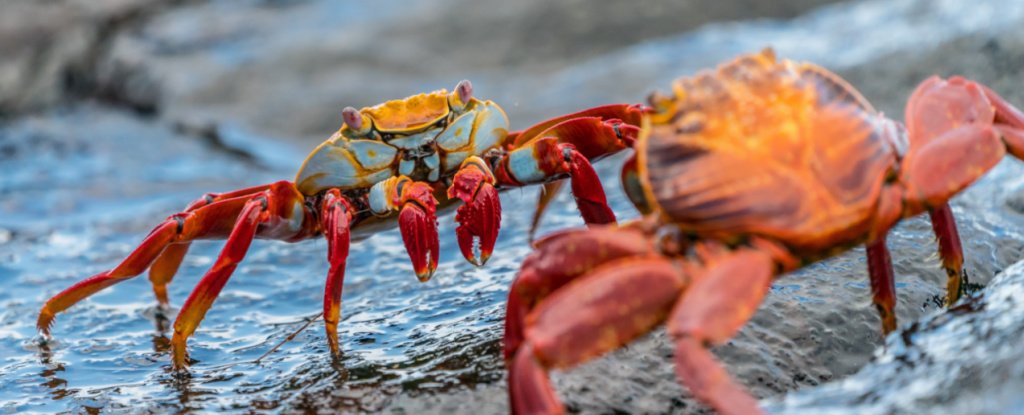
The evolution of crabs has resulted in the development and loss of crab-like features at least five times in the past 250 million years, a phenomenon known as carcinization. The reasons for this repeated evolution of the crab-like body plan remain a mystery, but studying crabs provides an opportunity to understand convergent evolution and predict the shapes that evolution might make based on environmental factors and genetic cues. Taxonomists are steadily piecing together what makes a crab, a crab, and resolving the multiple origins and losses of crab body forms through time.

The Controversial Naming of Species in Science.

Originally Published 2 years ago — by Financial Times

The naming of species is a complex process that involves scientific, cultural, and political factors. Some species have been named after controversial figures, such as the Hitler beetle and the Taylor Swift millipede, leading to debates about the appropriateness of such names. The International Code of Zoological Nomenclature provides guidelines for naming species, but there is still room for interpretation and debate. Ultimately, the naming of species reflects our values and priorities as a society, and can have implications for conservation and biodiversity.

Unraveling the Enigma of the Tully Monster.

Originally Published 2 years ago — by Defector

Featured image for Unraveling the Enigma of the Tully Monster.
Source: Defector

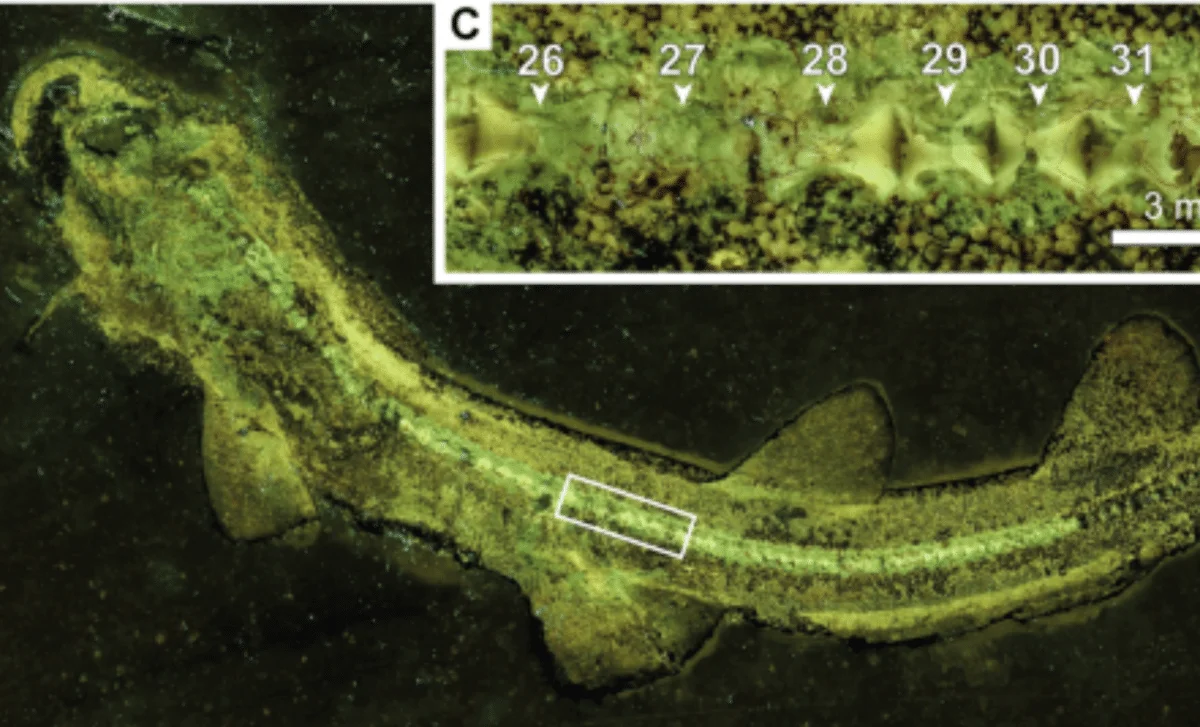
The Tully monster, a 300-million-year-old creature discovered in Illinois, has been a mystery since its discovery. Scientists have tried to classify it as a worm, a lobster, a slug, or a fish, and have flip-flopped between calling it a vertebrate or an invertebrate. Recent papers have suggested it was a vertebrate due to microscopic pigments in its eyes and the presence of a notochord, but a new paper argues it was an invertebrate due to segmentation in its head region. The pursuit of the Tully monster's true role in the story of life on Earth continues.