Tag

Prototaxites

All articles tagged with #prototaxites

Gigantic Prototaxites Revealed as a Lost Eukaryotic Giant Preceding Earth's First Trees
science2 days ago

Gigantic Prototaxites Revealed as a Lost Eukaryotic Giant Preceding Earth's First Trees

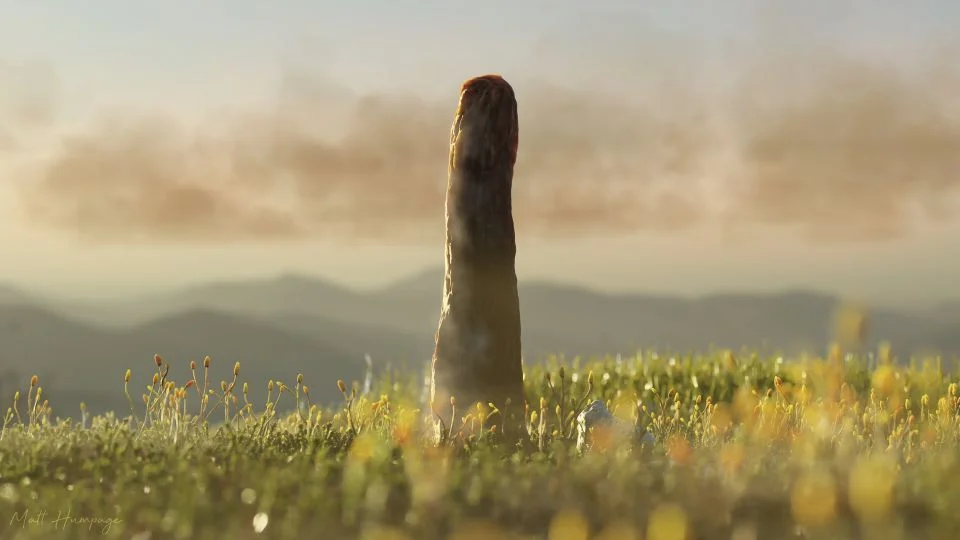
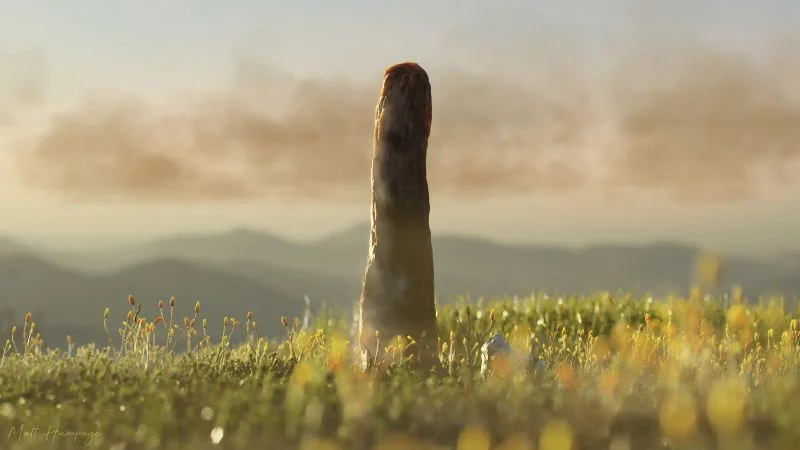
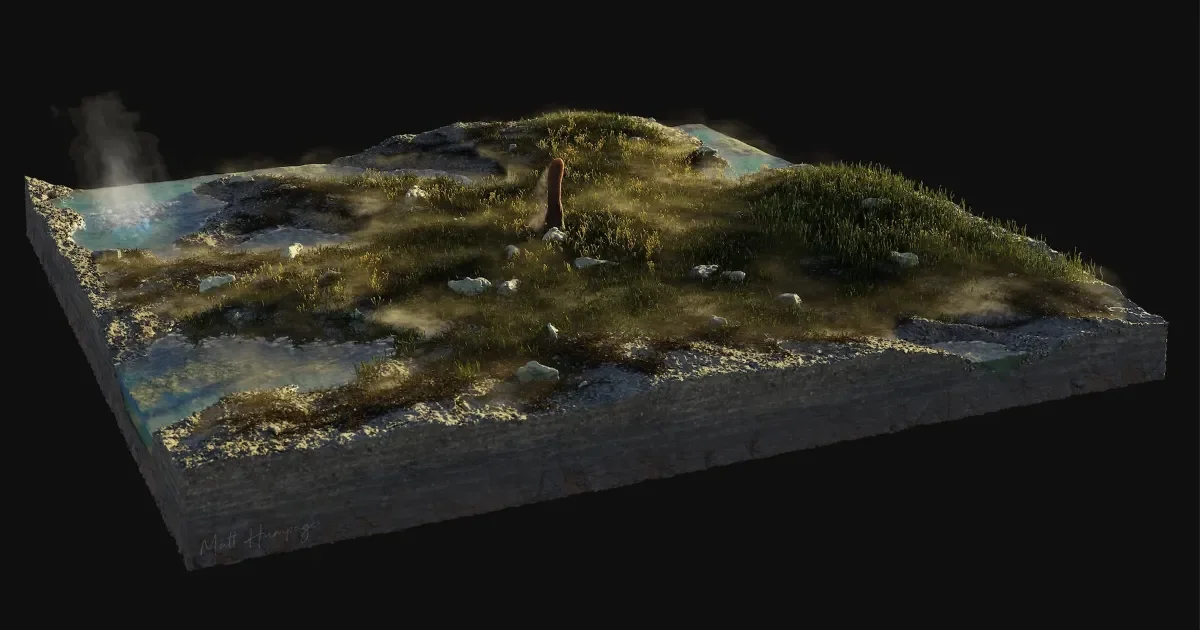
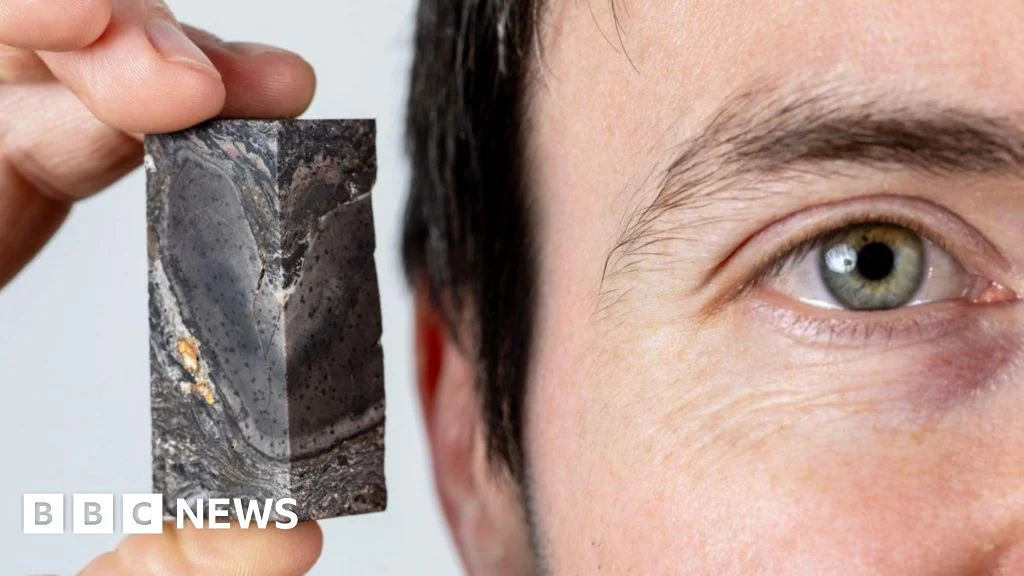
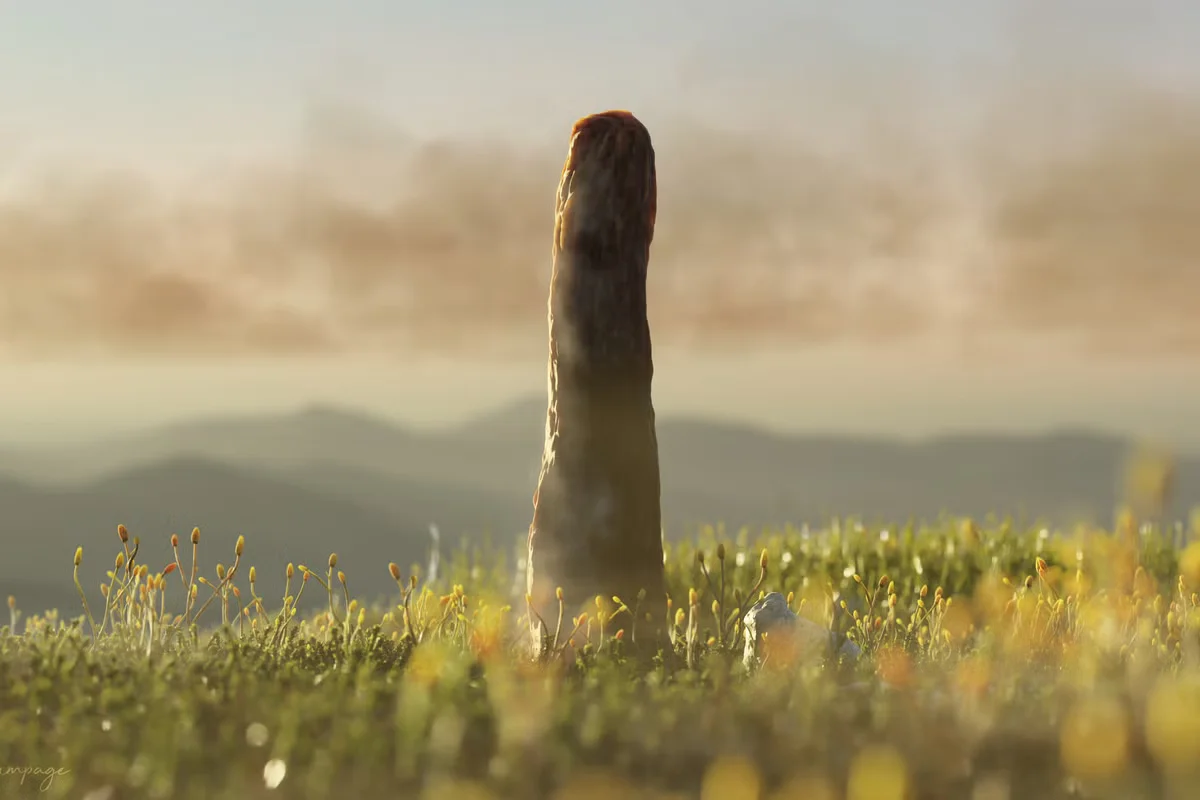
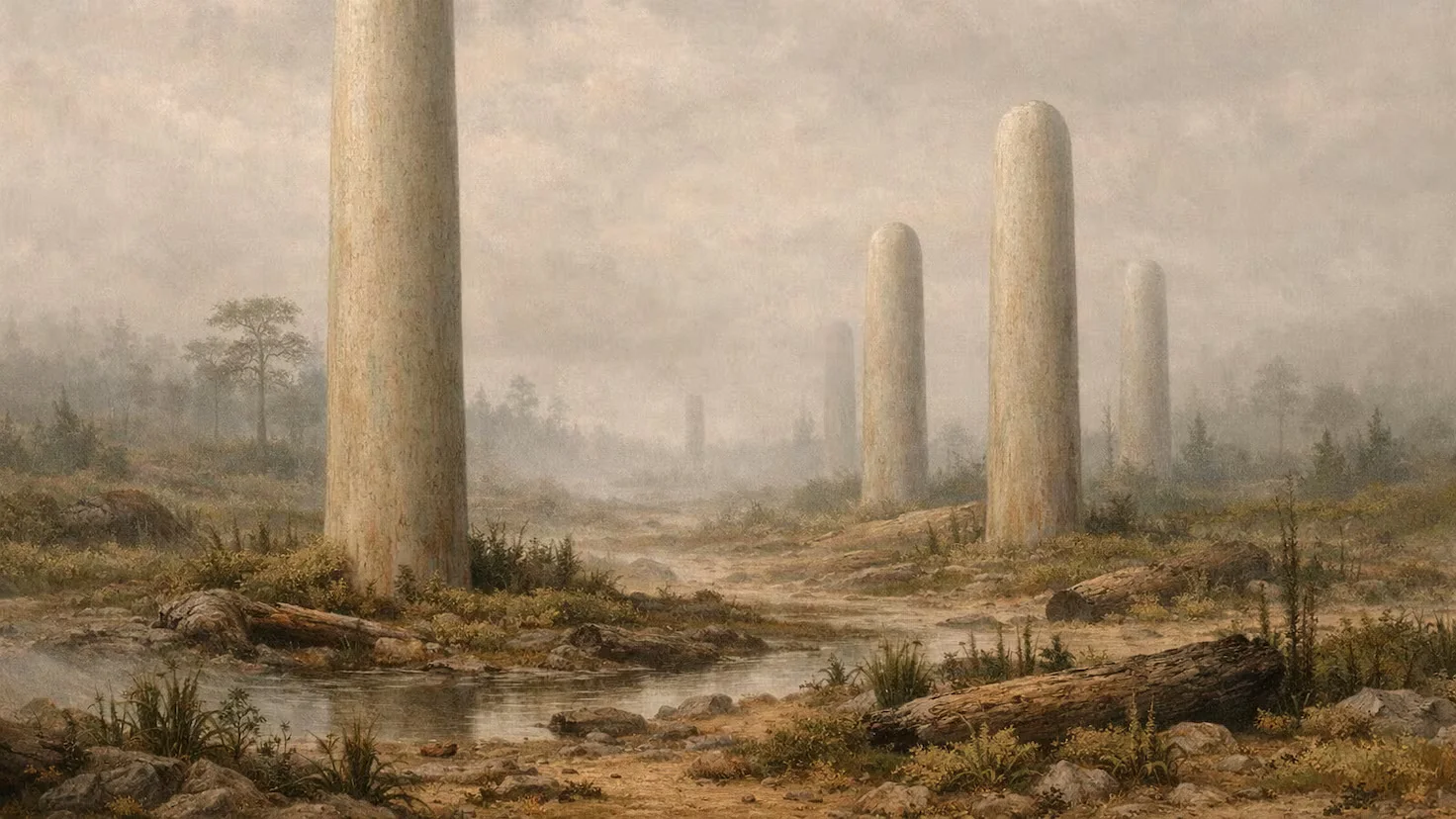
A Science Advances study shows Prototaxites—towering structures up to 26 feet long and about 8 meters tall around 400 million years ago—were not fungi, plants, or animals but belonged to a previously unknown extinct eukaryotic lineage. Fossils from Rhynie, Scotland reveal a unique internal architecture, suggesting these giants dominated early drylands and prompting a major rethink of Devonian ecosystems and the origins of terrestrial life.

Ancient fossil hints at a previously unknown life form
science18 days ago

Ancient fossil hints at a previously unknown life form

A new study of 400-million-year-old Prototaxites fossils from the Rhynie chert argues the giant organism was not a plant, animal, or known fungus, based on chemical biomarkers and its unusual internal structure. The researchers found biomarkers in Prototaxites that differ from those of fungi preserved in the same rock, and noted branching patterns that don’t match known fungal forms, suggesting it may represent a completely unknown multicellular lineage. The organism could reach up to about nine meters tall and likely did not rely on photosynthesis. While intriguing, scientists caution that only a subset of Prototaxites species was studied and follow-up work is planned to better understand how it lived and how it was anchored to the ground.

science19 days ago

400-Million-Year-Land Giant Hints at a Hidden Multicellular Lineage

A new analysis of three Prototaxites fossils from the Rhynie chert suggests the 400-million-year-old largest land organism may be a previously unknown form of multicellular life, distinct from plants, fungi, or animals. Biomarker data challenge straightforward classification, and researchers caution that key questions about anchorage, upright growth, and non-photosynthetic carbon use remain, with follow-up studies planned.

Ancient Land Giant Defies Plant, Fungi, and Animal Labels
science20 days ago

Ancient Land Giant Defies Plant, Fungi, and Animal Labels

New analyses of Prototaxites fossils from Scotland’s Rhynie chert show the 400-million-year-old giant—up to about 9 meters tall—likely wasn’t a plant, animal, or fungus, but an as-yet unknown form of multicellular life, with biomarkers unlike fungi and other features not matching any modern group, leaving its biology unresolved and warranting further study.

Ancient Devonian giant Prototaxites may be a previously unknown life form
science21 days ago

Ancient Devonian giant Prototaxites may be a previously unknown life form

A new study published in Science Advances argues that Prototaxites, a 400-million-year-old fossil that could reach about 9 meters tall, is not a plant, fungus, or algae but likely an unknown form of multicellular life. Researchers analyzed fossils from the Rhynie chert in Scotland and found biomarkers that differ from fungi and other structural features, suggesting Prototaxites may occupy an entirely different branch of the tree of life; the team cautions that only a few specimens have been examined and plans follow-up work on related tubular fossils to broaden understanding.

Devonian Giants Redefined: Prototaxites Reclassified as a Lost Eukaryotic Lineage
science24 days ago

Devonian Giants Redefined: Prototaxites Reclassified as a Lost Eukaryotic Lineage

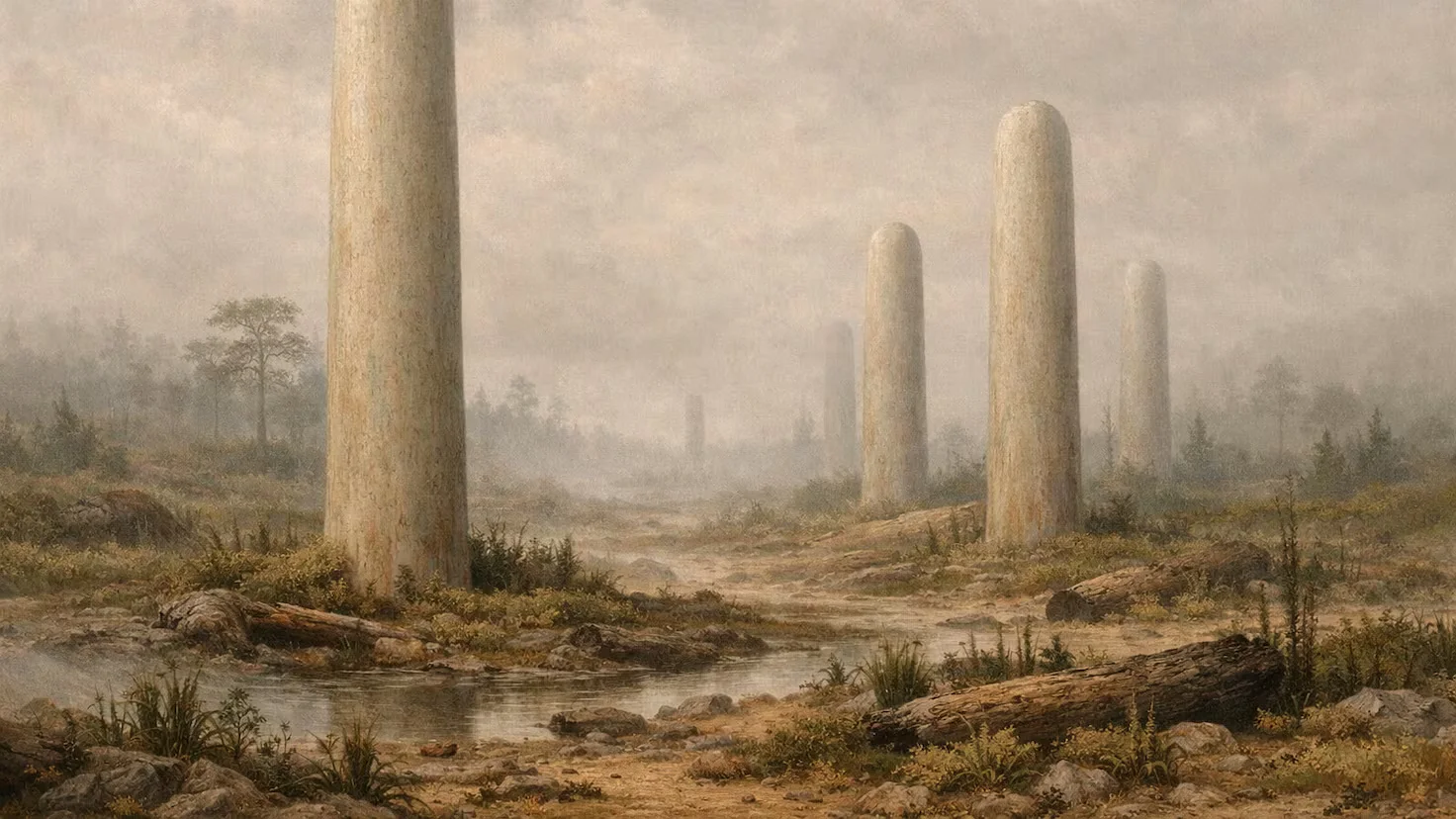
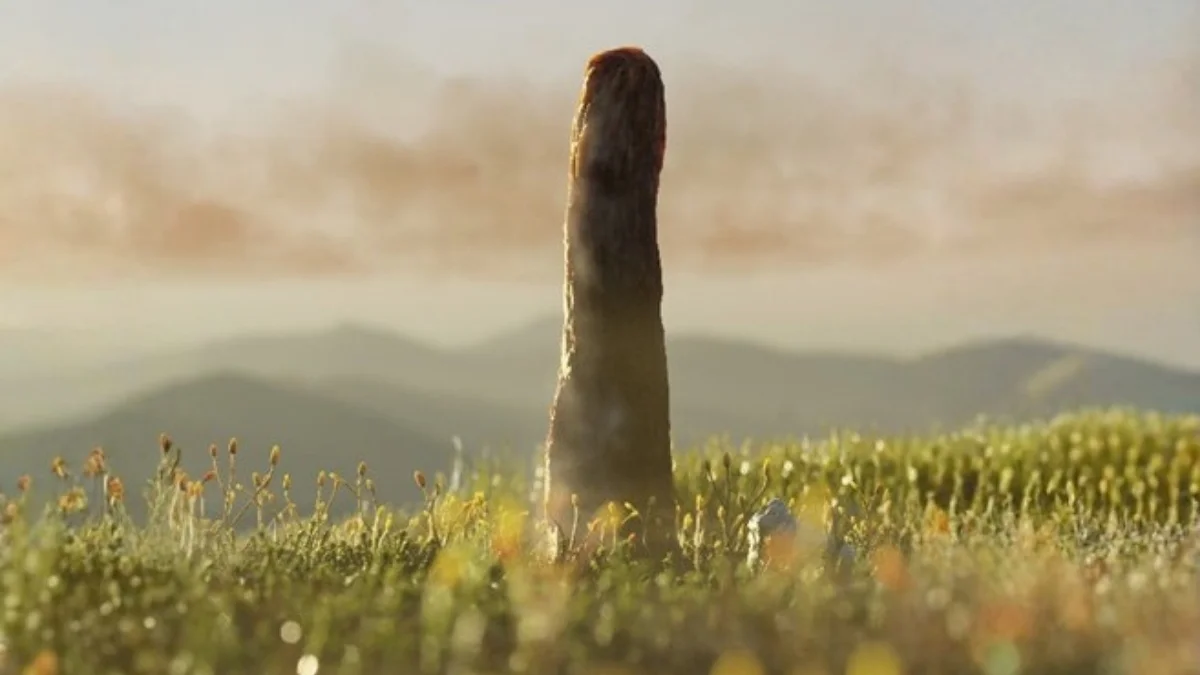
A Science Advances study shows Prototaxites taiti were not fungi, plants, or animals but a completely unknown extinct eukaryotic lineage. Fossils from Rhynie, Scotland reveal towering, pillar-like structures up to about 8 meters tall and over 3 feet wide that dominated Devonian landscapes around 400 million years ago, reshaping our understanding of early land ecosystems and the evolutionary tree of life.

science1 month ago

Scottish Giant Fossil Rewrites Devonian Life on Land

A 410-million-year-old Prototaxites fossil from Aberdeenshire, Scotland, added to National Museums Scotland, suggests an extinct eukaryotic lineage distinct from plants and fungi; at up to eight meters tall, it was a trunk-like life form that dominated Devonian landscapes, and researchers say its morphology and molecular fingerprint set it apart from fungi and other known organisms, supporting the idea of an independent evolutionary experiment in early complex life.

410-Million-Year-Old Prototaxites Fossil Enters Scotland's National Museum Collection
science1 month ago

410-Million-Year-Old Prototaxites Fossil Enters Scotland's National Museum Collection

A 410-million-year-old Prototaxites fossil discovered near Rhynie in Aberdeenshire, towering about 8 meters, has been added to National Museums Scotland. Long thought to be a fungus, it is now considered part of a distinct extinct lineage, and the specimen will be kept at the museum's Edinburgh collection centre, illustrating the ongoing value of museum collections for paleontological research.

Ancient giant fossil reveals extinct branch of life on early Earth
science1 month ago

Ancient giant fossil reveals extinct branch of life on early Earth

Scientists studying the 410-million-year-old Prototaxites fossil from Aberdeenshire say it belonged to a completely extinct lineage of life, offering new insight into ancient ecosystems and the organisms that once dominated early forests; the discovery, linked to the National Museums Scotland and published in Science Advances, illuminates a long-lost form of life no longer found on Earth.

science1 month ago

Scotland’s 26-foot Prototaxites: a newly identified extinct life form

Researchers analyzing 407-million-year-old Rhynie chert fossils in Scotland confirm Prototaxites—a 370-million-year-old fossil towering about 26 feet—represents a completely new, extinct form of life, not a fungus or plant, marking an early, long-vanished eukaryotic lineage; the study, published in Science Advances, resolves decades of debate about where Prototaxites sits on the tree of life.

Giant Mushrooms Once Dominated Earth's Landscape.
science2 years ago

Giant Mushrooms Once Dominated Earth's Landscape.

Fossil evidence suggests that 450 million years ago, during the Ordovician Era, giant fungal towers, believed to be mushrooms, were the first giant land organism, towering over a landscape of newly-evolved vascular plants. These trunks, known as Prototaxites, have been found as fossils all over the world and are made up of narrow tube-like structures and filaments that are even thinner and have inner perforate walls, a trait found only in red algae and fungi. The carbon content of Prototaxites is also different compared to all other plants of the immediate stage in the Ordovician Era during which it lived.