Scientists discovered a new microscopic nematode species, Diplolaimelloides woaabi, in the extreme environment of Utah's Great Salt Lake, challenging previous beliefs about the lake's biodiversity and raising questions about its origins and ecological role.

Scientists have discovered a new species of nematode, Diplolaimelloides woaabi, in the Great Salt Lake, which may be unique to the lake and plays a potentially important ecological role, raising questions about its origin and survival in such an extreme environment.
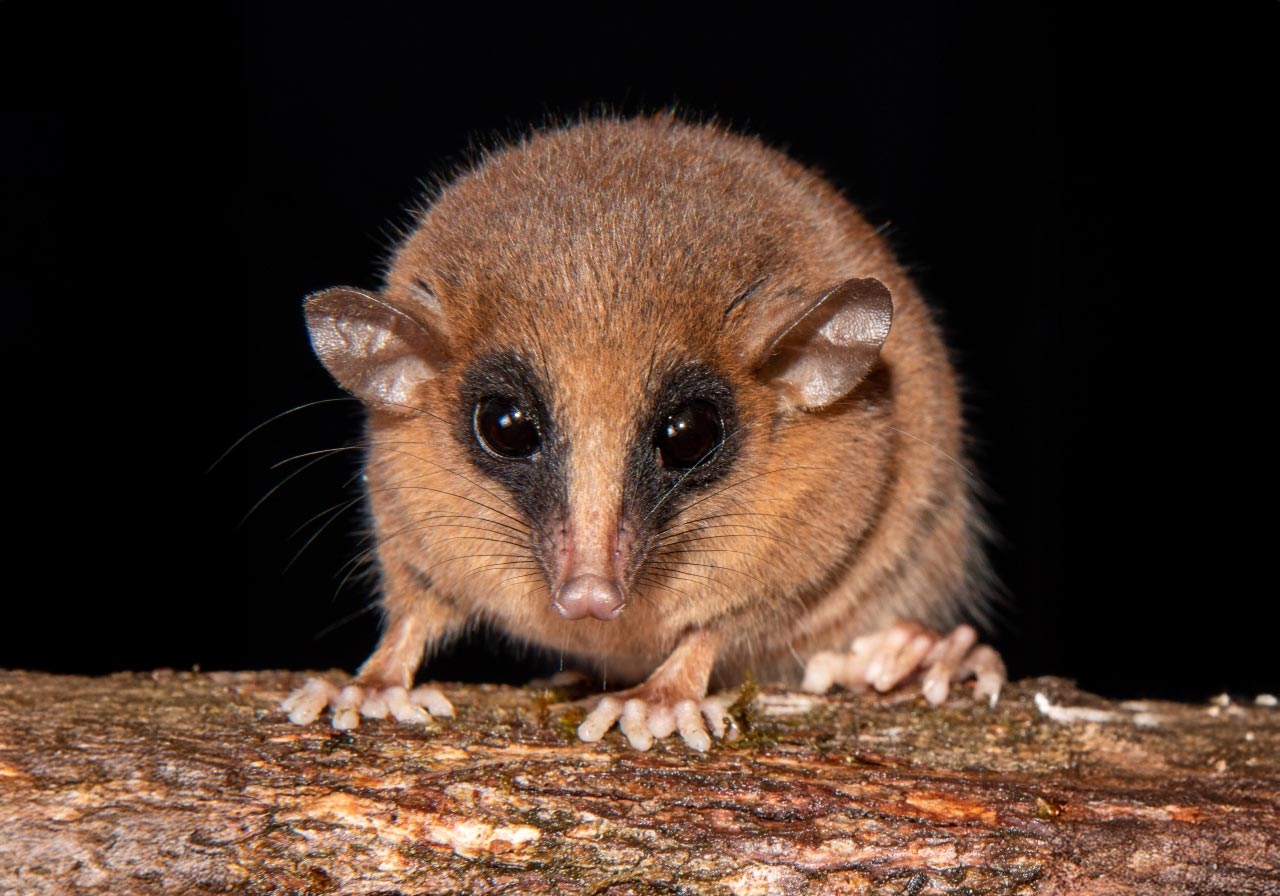
Scientists described numerous new species in 2025, including a tiny marsupial, Himalayan bat, ancient trees, a blue butterfly, and marine creatures like a new manta ray and guitar shark, highlighting Earth's rich biodiversity and urgent conservation needs amid threats like habitat loss and climate change.
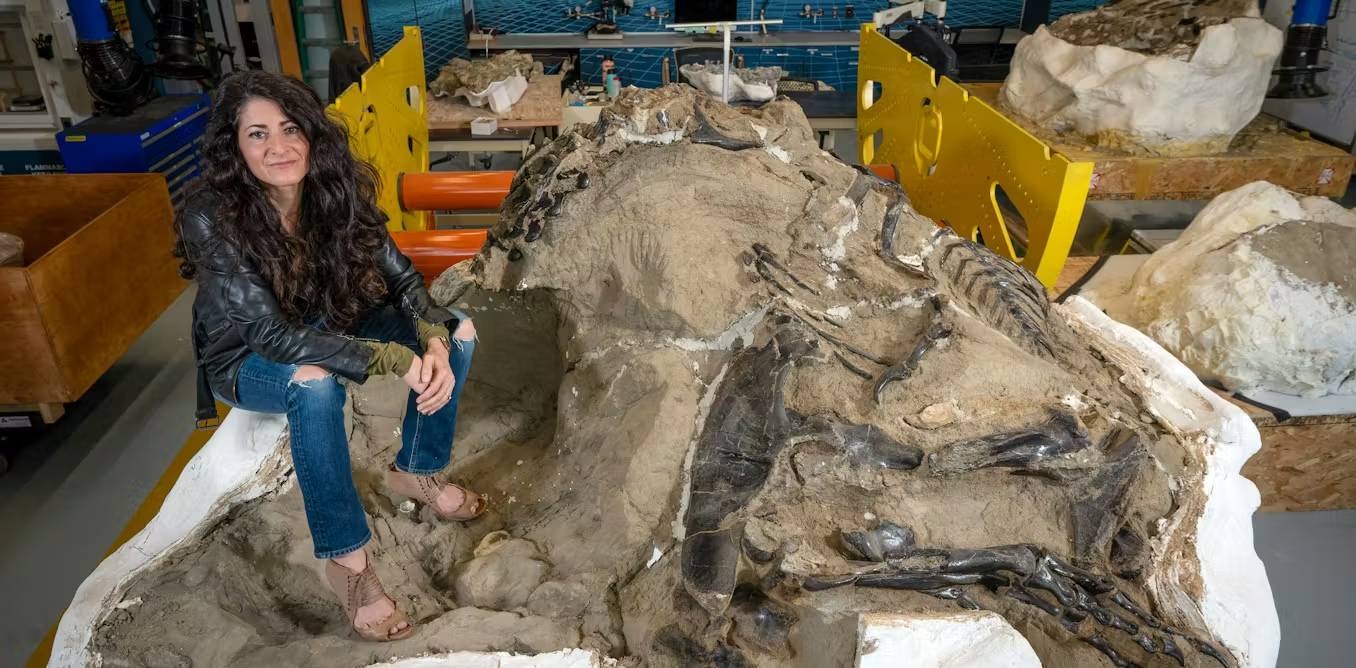
Scientists at the American Museum of Natural History discovered over 70 new species this year, including dinosaurs, mammals, insects, and minerals, highlighting Earth's rich biodiversity and the value of natural history collections for ongoing scientific insights.
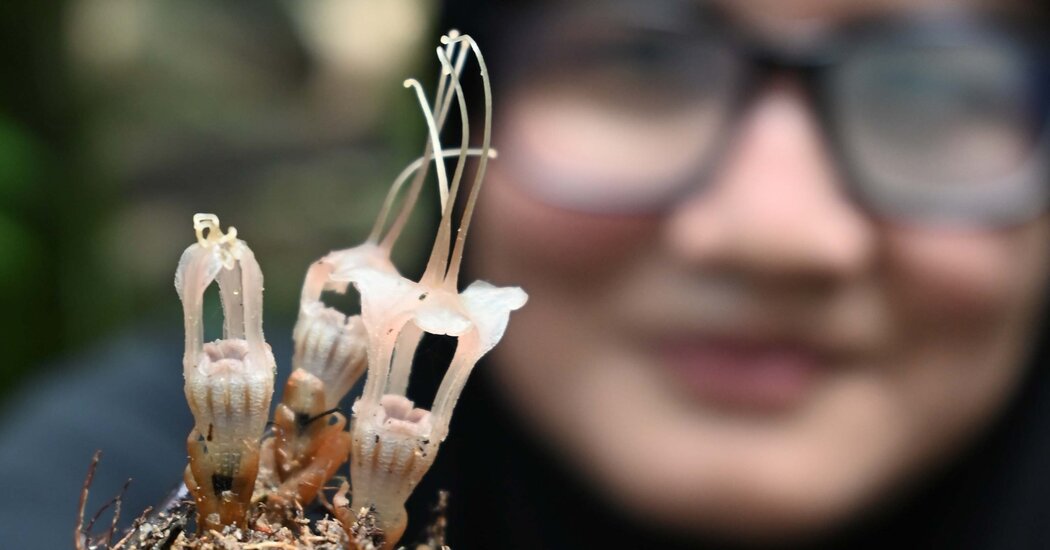
A new parasitic plant called fairy lantern (Thismia selangorensis) was discovered near Kuala Lumpur, Malaysia. It uniquely derives nutrients from underground fungi and produces a distinctive pinkish flower with tentacle-like structures, highlighting its parasitic nature and underground lifestyle.
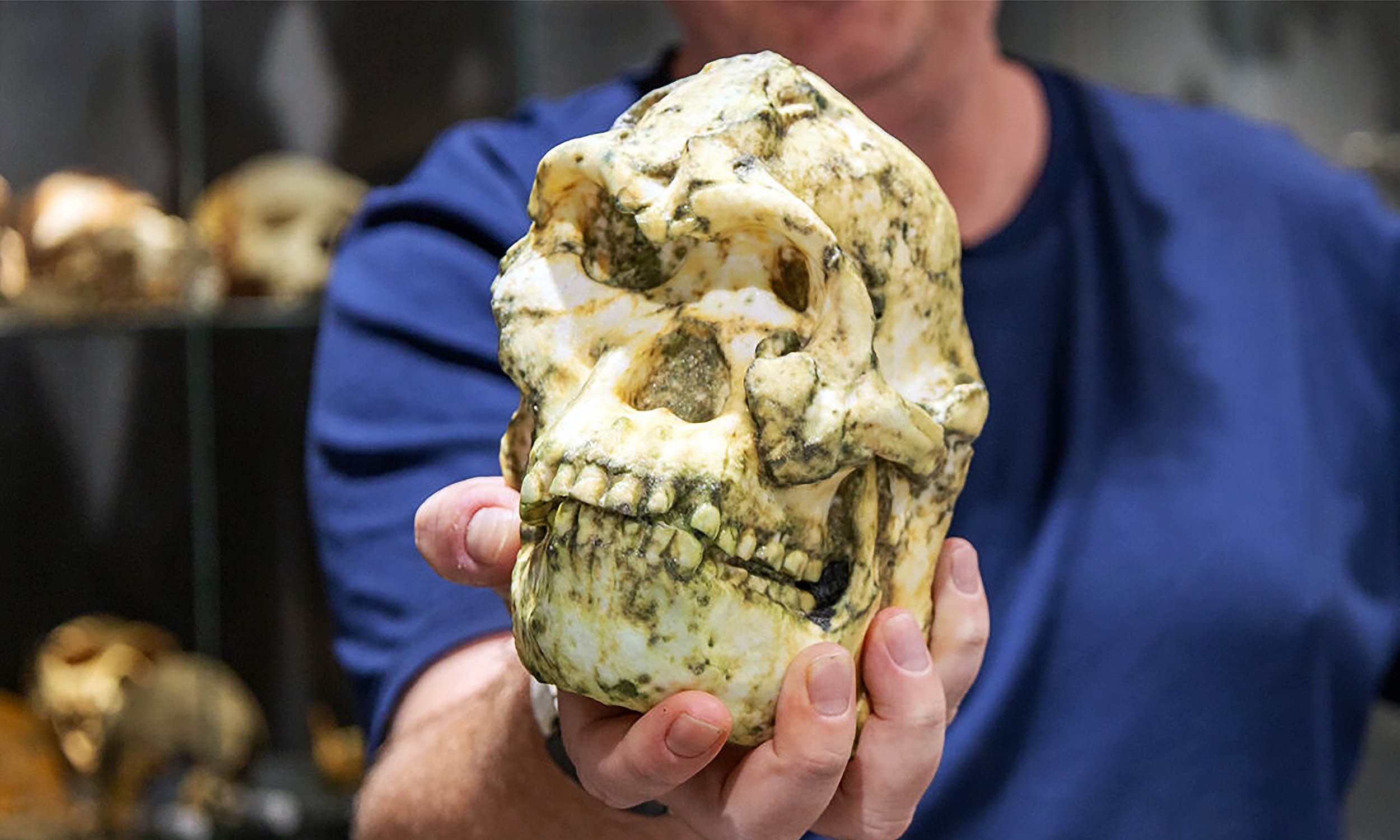
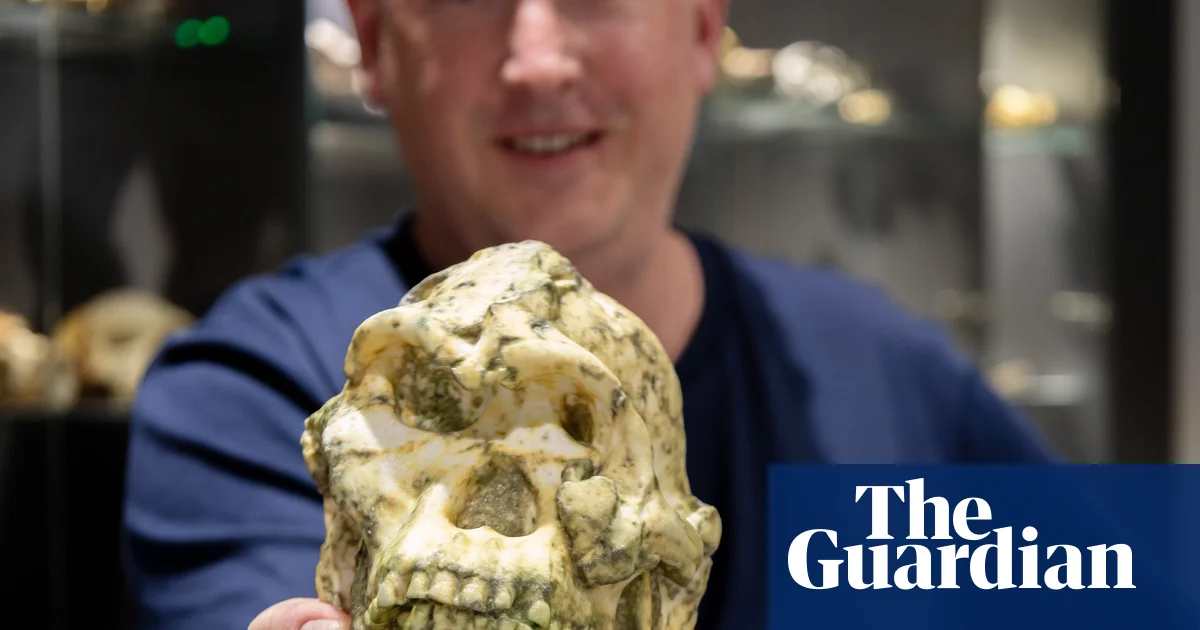
A reexamination of the 'Little Foot' fossil suggests it may belong to a previously unidentified human species, challenging its previous classification as Australopithecus and indicating the possibility of multiple hominin species coexisting in South Africa's Sterkfontein Caves.
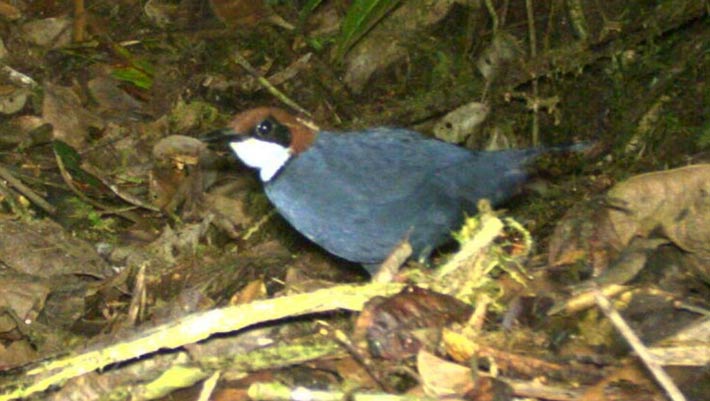
Ornithologists have discovered a new species of jewel-babbler, Ptilorrhoa urrissia, in Papua New Guinea using camera traps, highlighting its unique behavior, habitat, and potential threats from predators and climate change.
The year 2025 saw a surge in dinosaur discoveries, including 44 new species from around the world, with significant finds like Zavacephale in Mongolia, Istiorachis in England, and Spicomellus in Morocco, advancing our understanding of dinosaur evolution and diversity.
A recent study suggests that Little Foot, a well-preserved hominin fossil from South Africa, may represent a previously unknown species of human ancestor, challenging previous classifications and highlighting the complexity of human evolutionary history.
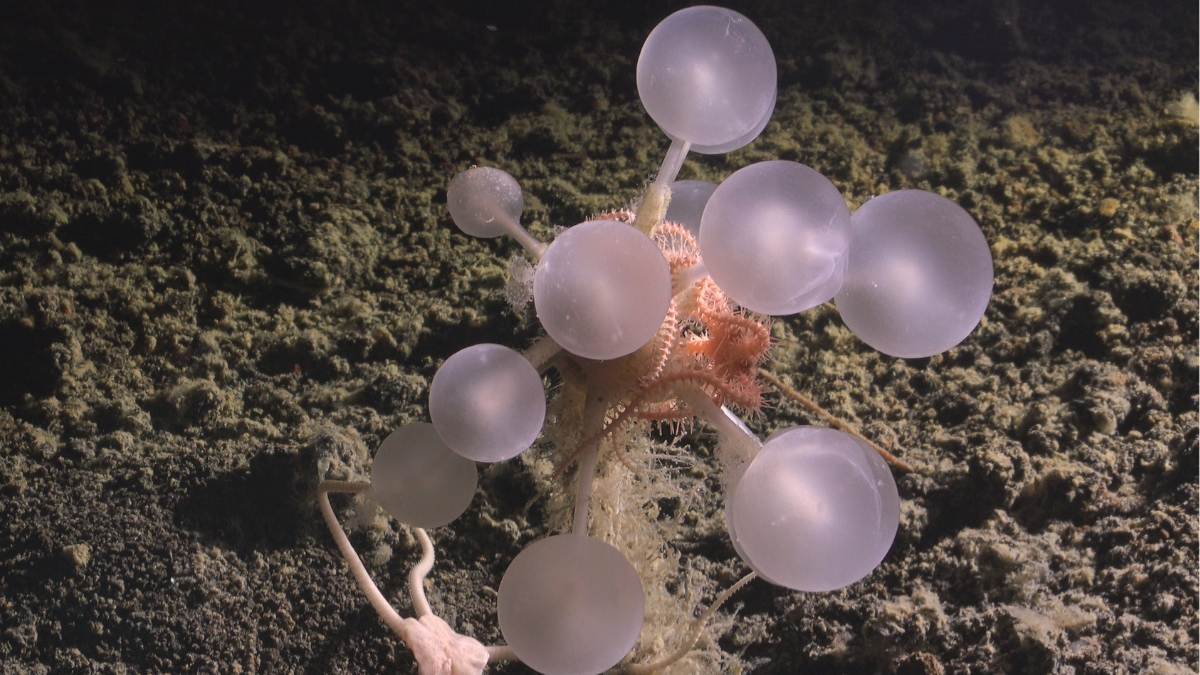
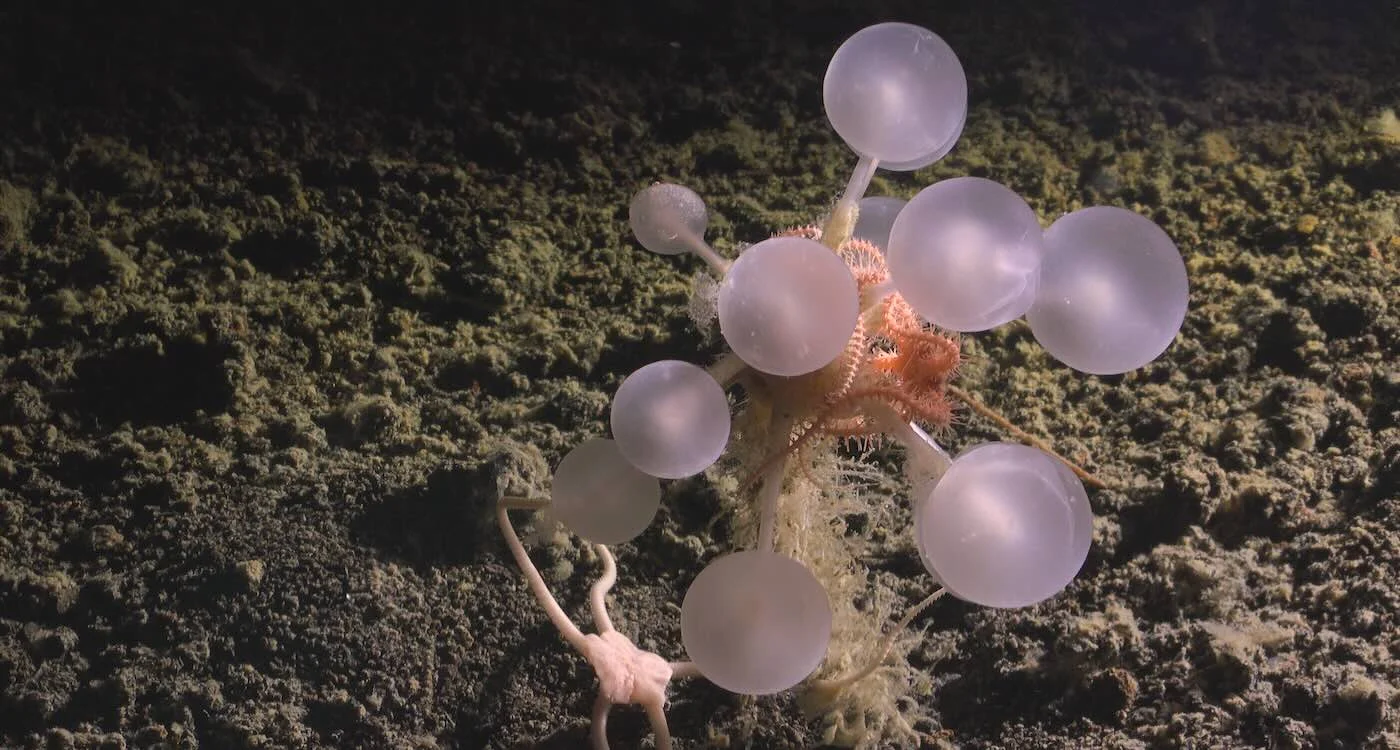
A recent deep-sea expedition near Antarctica discovered 30 new species, including a carnivorous 'death-ball' sponge that captures prey with tiny hooks, highlighting the vast and largely unexplored biodiversity of the Southern Ocean.
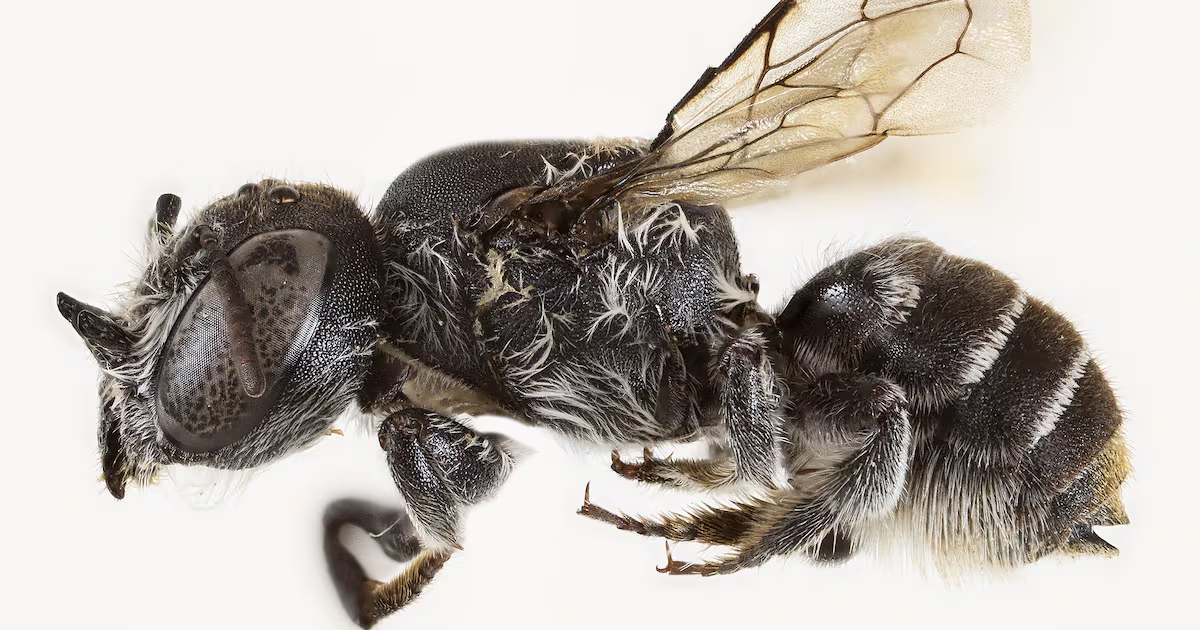
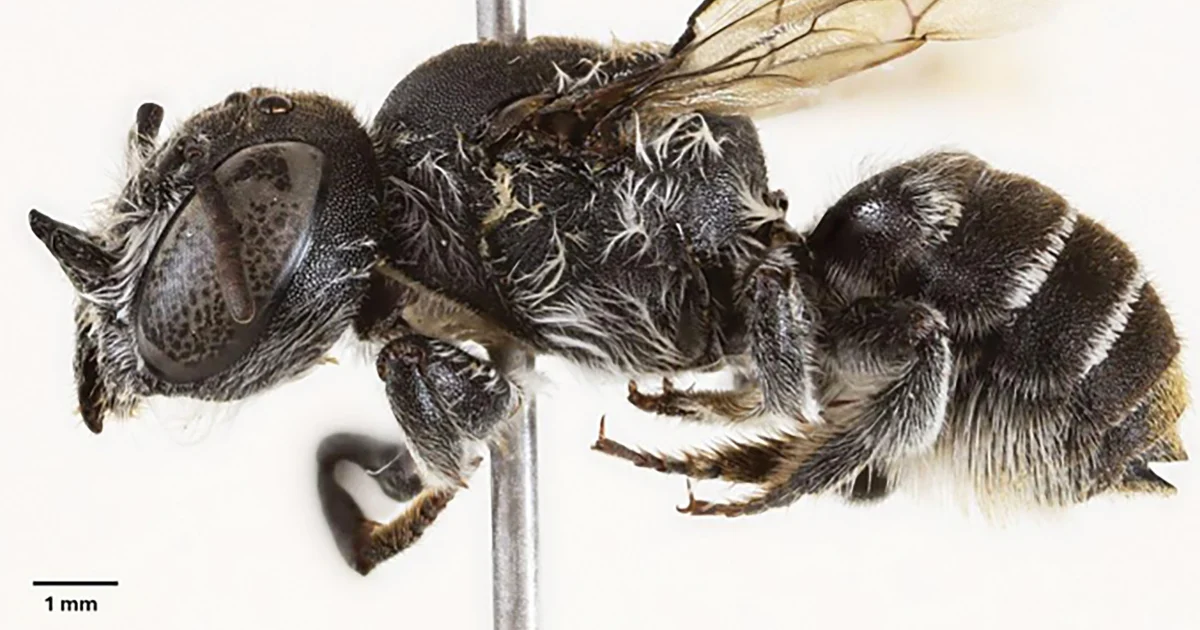
Scientists have discovered a new bee species named 'Lucifer' due to distinctive horn-like structures on females, which may serve as defense mechanisms. The name was inspired by the Netflix series Lucifer, and the discovery highlights the importance of bee conservation and understanding biodiversity.
Scientists in Australia discovered a new bee species, Megachile lucifer, with devil-like horns, named after the Netflix show Lucifer. The species was found in Western Australia and is the first new bee in its group in over 20 years. Its horns may serve functions like accessing flowers or defending nests. The discovery underscores the importance of studying native bees, which are under threat from habitat loss and climate change, with many species still undescribed.
Australian scientists discovered a new native bee species with devil-like horns, named Lucifer, found in Western Australia's Bremer Ranges. The female bee's horns may serve various functions, and the discovery highlights the need for habitat protection and better understanding of native pollinators to prevent the loss of endangered plants and ecosystems.
Retired Australian teacher and fossil enthusiast Robert Beattie discovered the oldest fossil of its kind in the southern hemisphere, a new species of non-biting midge from the Jurassic period, challenging previous assumptions about insect evolution and origins, which were thought to be primarily from the northern supercontinent Laurasia. The find suggests a Gondwanan origin for these insects, highlighting the importance of southern hemisphere fossil research.
Scientists discovered 30 new deep-sea species, including a unique carnivorous 'death-ball' sponge, during expeditions near Antarctica, utilizing advanced technology and a rapid, collaborative taxonomy approach to accelerate marine biodiversity research.