Tag

Arachnids

All articles tagged with #arachnids

science5 months ago

Fossil Evidence Suggests Spiders' Ancestors Originated in the Ocean

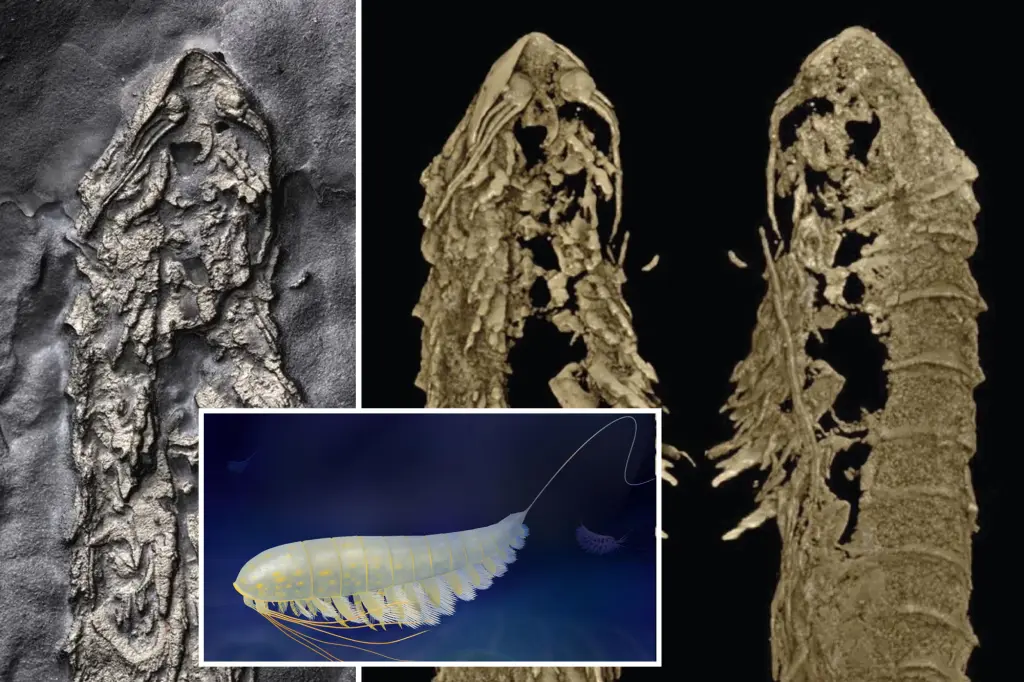
A 500-million-year-old fossil analysis suggests that spiders and their relatives may have originated in the sea before adapting to land, challenging the long-held belief that arachnids have always been terrestrial creatures. The study reveals that the brain organization of the extinct Mollisonia species resembles that of modern spiders, indicating a marine origin for these arachnids.

science5 months ago

Fossil Evidence Supports Oceanic Origins of Spiders

A well-preserved 500-million-year-old fossil suggests that spiders and their relatives may have originated in the ocean before adapting to land, challenging previous beliefs that arachnids evolved exclusively on land. The fossil's brain structure closely resembles that of modern spiders, indicating an early divergence in neural organization among chelicerates.

science1 year ago

450-Million-Year-Old Spider Relative Found in Fool's Gold

A 450-million-year-old fossil of a spider relative, the lomankus edgecombei, was found preserved in fool's gold in upstate New York. This ancient megacheiran, related to arachnids like horseshoe crabs and scorpions, features a unique modified leg for capturing prey. The fossil's preservation in iron pyrite offers a near-perfect 3D model, providing insights into arthropod evolution. The discovery, made at Beecher’s Trilobite Bed by a University of Oxford-led team, highlights the creature's adaptive head appendages and sensory capabilities, akin to modern insects.

science1 year ago

"48-Million-Year-Old Daddy Longlegs Found with Metallic Sheen"

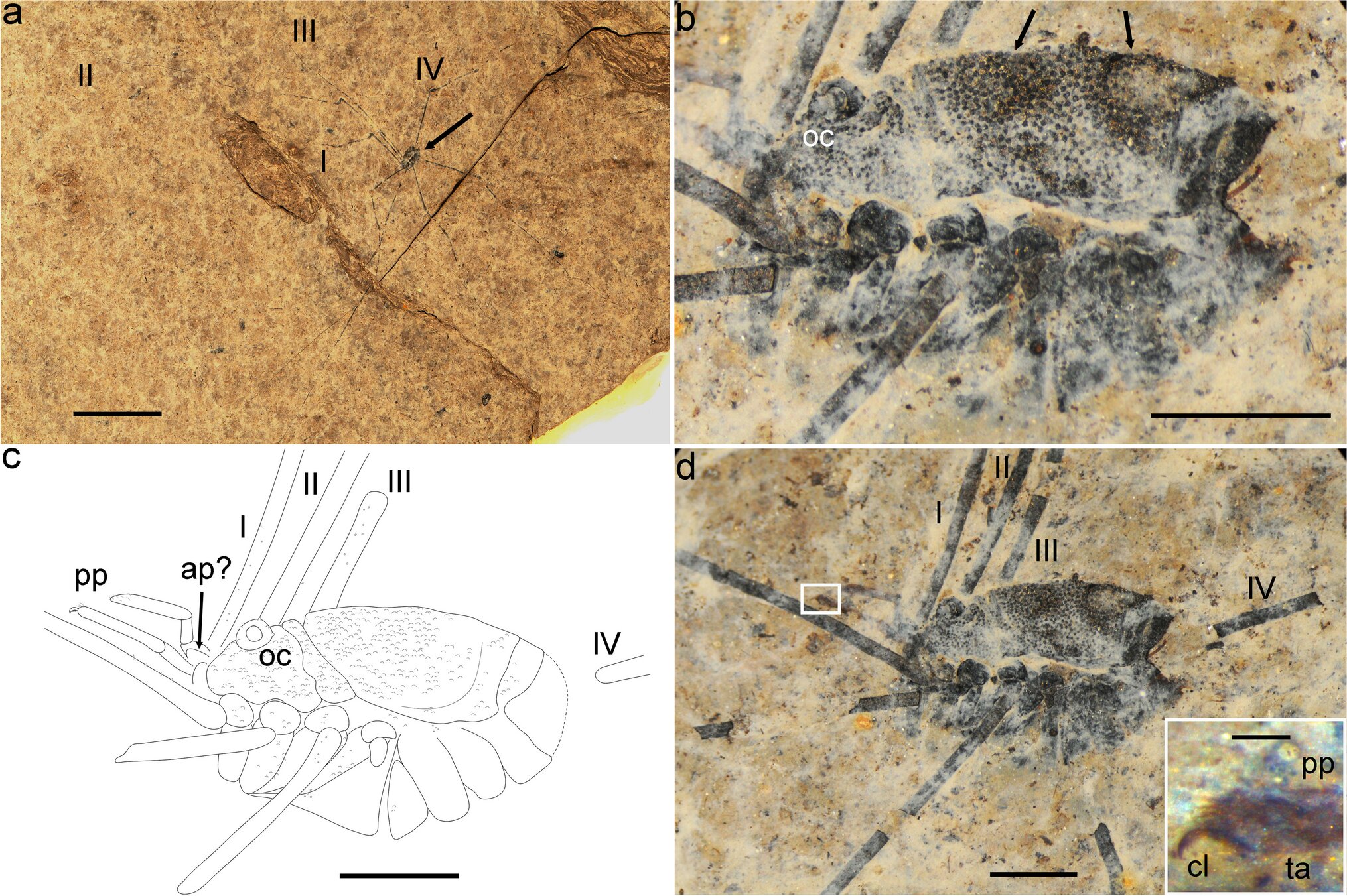
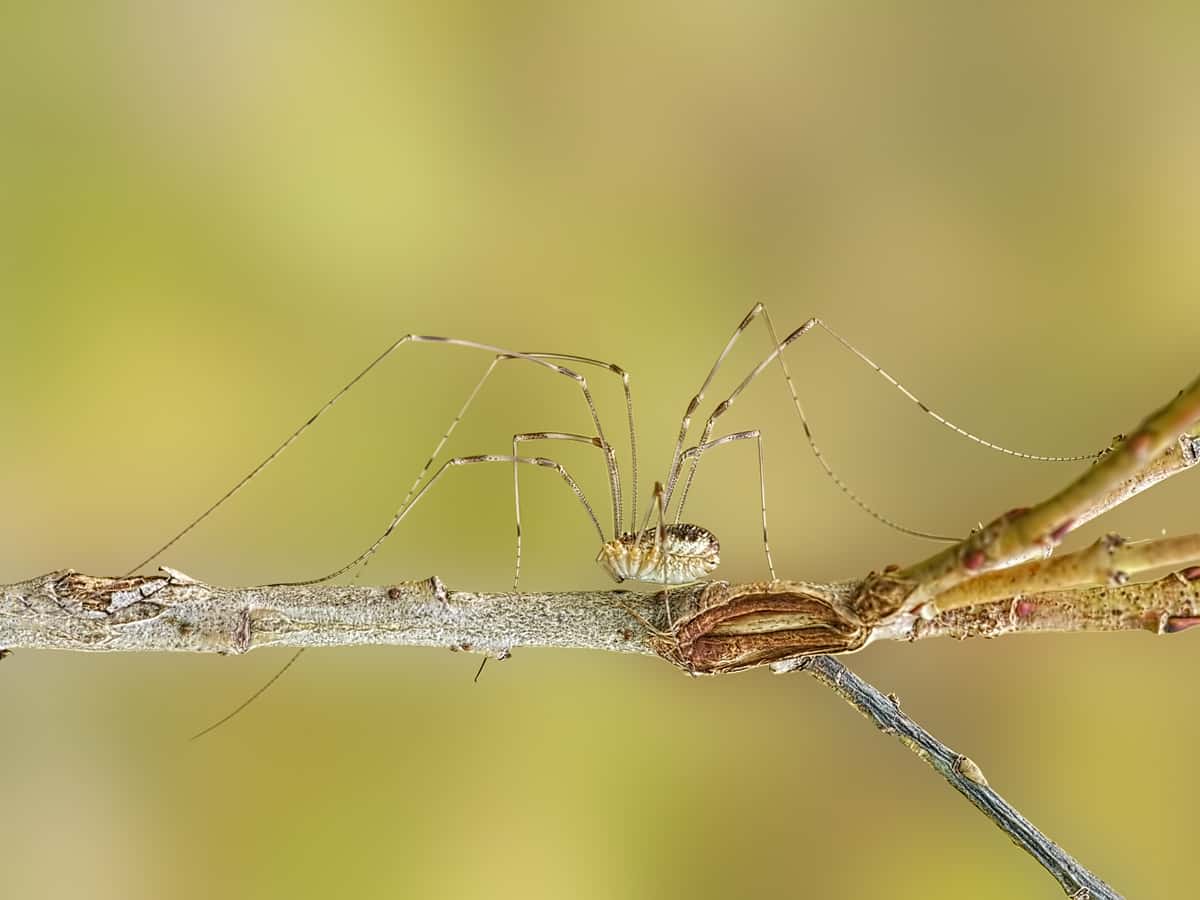
Researchers have discovered 48-million-year-old daddy longlegs fossils with their iridescent, metallic appearance intact in the Messel mine, Germany. This finding supports the classification of the Messel Pit as a subtropical to tropical forest habitat during that period. The iridescence is due to structural colors, a feature not previously seen in fossil harvestmen. The study highlights the ecological history and potential future reappearance of such species in Germany due to climate change.

science1 year ago

"The Unseen World: Hundreds of Tiny Arachnids Reside on Your Face"

Hundreds or thousands of tiny face mites, related to spiders and ticks, live in the pores of human faces, feeding on dead skin cells and oily sebum. Scientists have discovered at least two species of these mites, and research suggests they may be evolving toward a symbiotic relationship with humans. Despite being initially viewed as potential pests or medical problems, the presence of face mites in virtually everyone is leading to a shift in perspective, with some scientists suggesting they could be beneficial by aiding in housekeeping and potentially eating harmful bacteria in our pores.

science1 year ago

"Daddy Longlegs: Uncovering Their Hidden Pairs of Eyes"

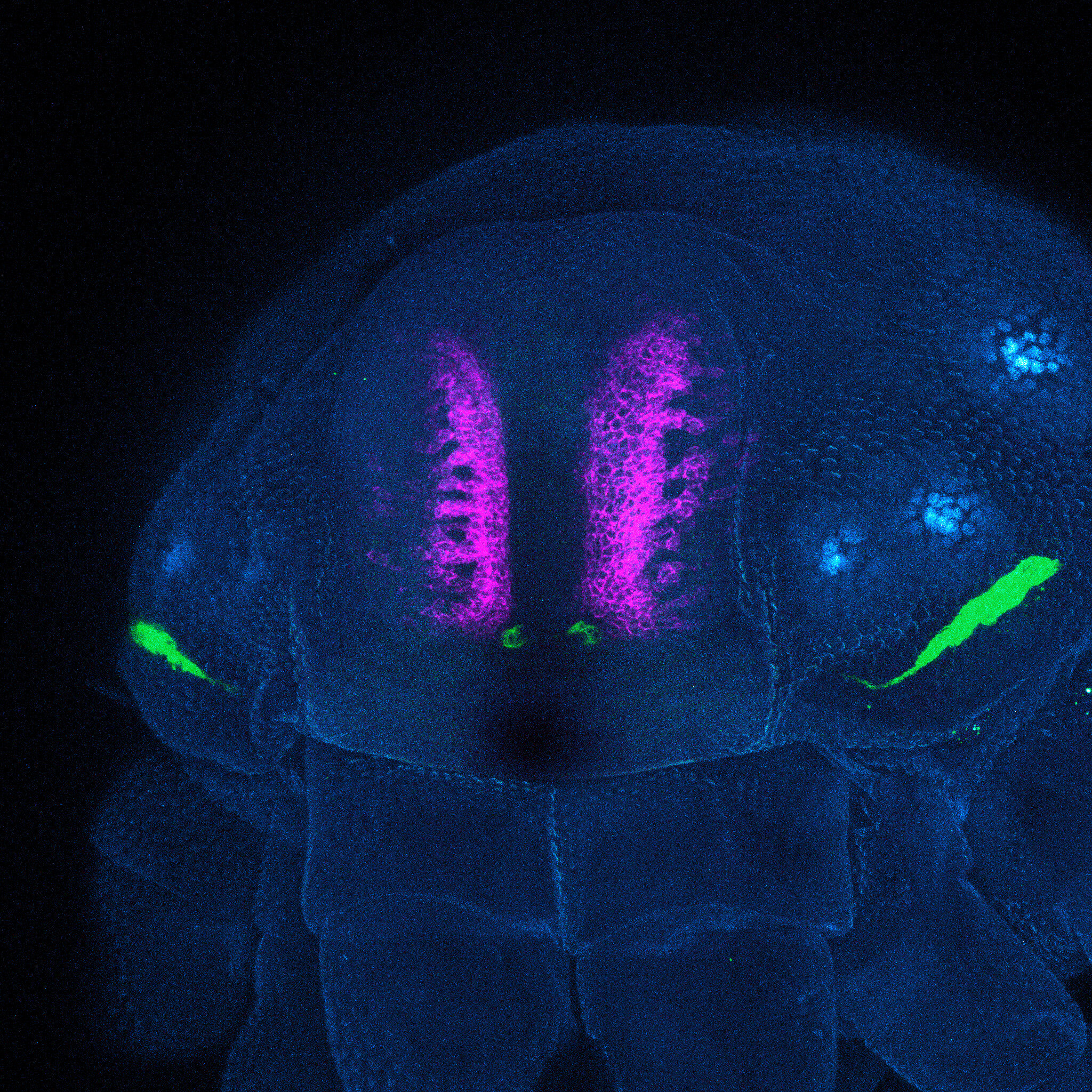
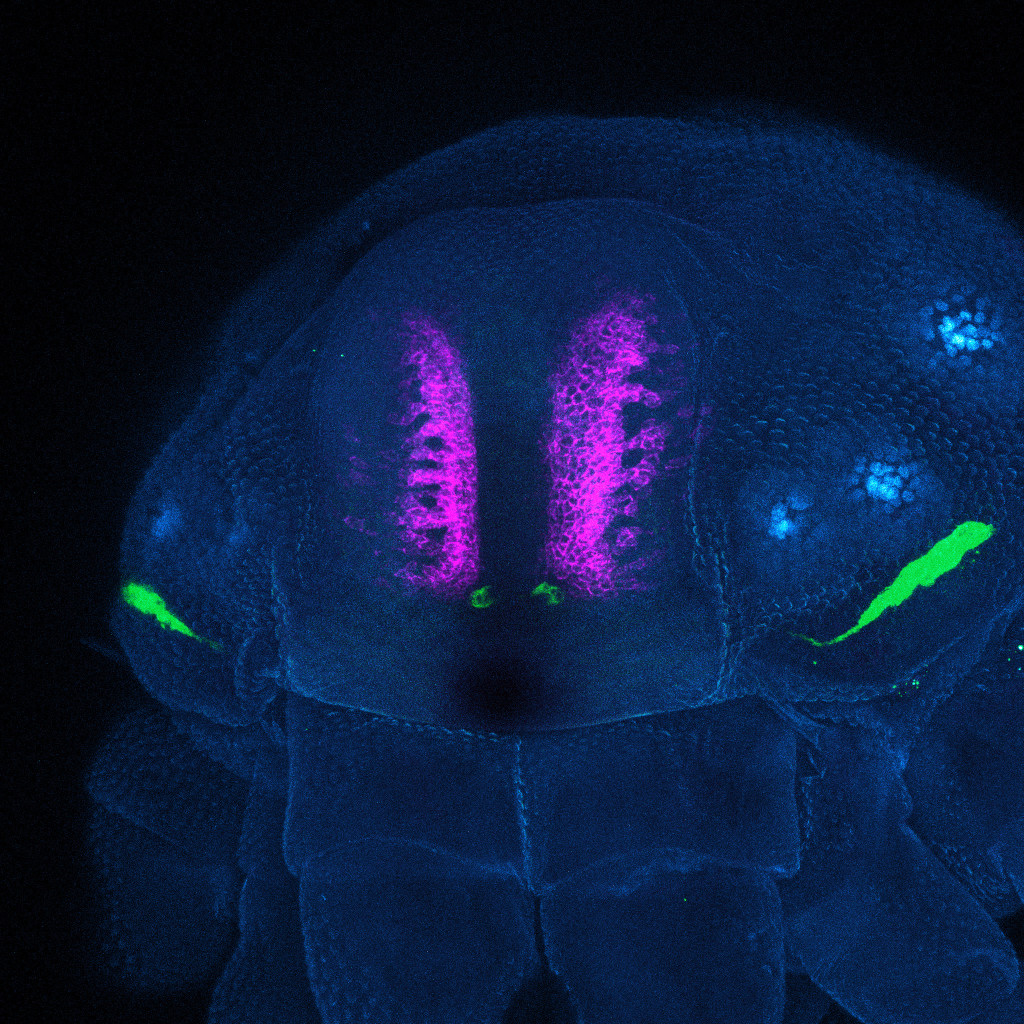
Daddy longlegs, also known as harvestmen, are ancient arachnids with a history dating back over 400 million years. Scientists recently discovered that these creatures have two additional pairs of vestigial eyes, in addition to their two median eyes. These vestigial eyes, found in embryos, suggest an evolutionary link to past arachnid species. The study sheds light on the genetic mechanisms behind eye development and evolution, providing insights into the diversity of eyes in arthropods.

biology1 year ago

"Daddy Longlegs Embryos Possess Extra Underdeveloped Eyes"

Researchers have discovered that a living species of daddy longlegs has two additional sets of underdeveloped eyes as embryos, indicating that the species diversified earlier in the evolutionary tree than previously believed. The finding suggests that the arachnid's ancestor lost two pairs of eyes, and the study provides important insights into the genetic and developmental conditions that give rise to different kinds of eyes, shedding light on the process of evolution.

science1 year ago

"Evolutionary Insights: The Role of Eyes in Daddy Longlegs"

Researchers studying a living species of daddy longlegs have discovered vestigial eyes in the embryos, indicating that the species diversified earlier in the evolutionary tree than previously believed. These underdeveloped eyes, containing visual proteins called opsins, suggest the presence of two additional sets of eyes in the species' evolutionary past. By studying the genetic and developmental conditions that give rise to different kinds of eyes, the researchers were able to provide evidence that the vestigial organs were likely eyes, shedding light on the evolutionary process.

science-and-environment2 years ago

"Record-Breaking Venomous Spider Found in Australia"

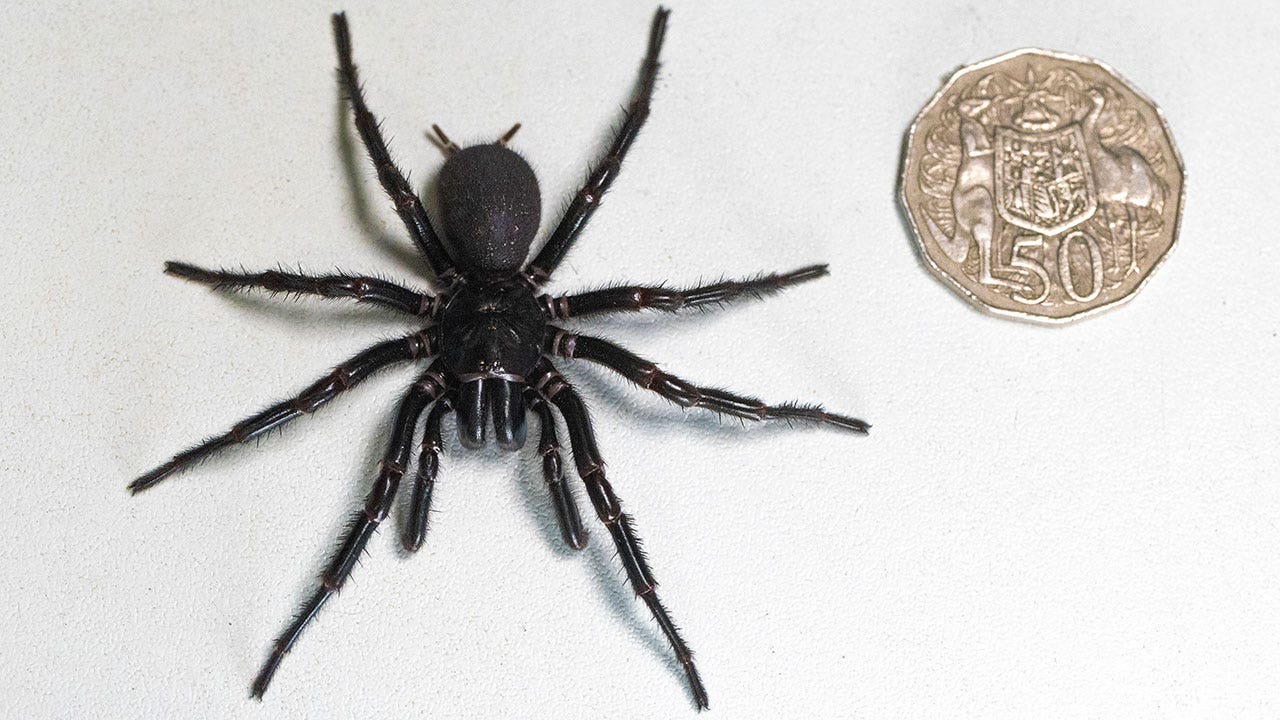
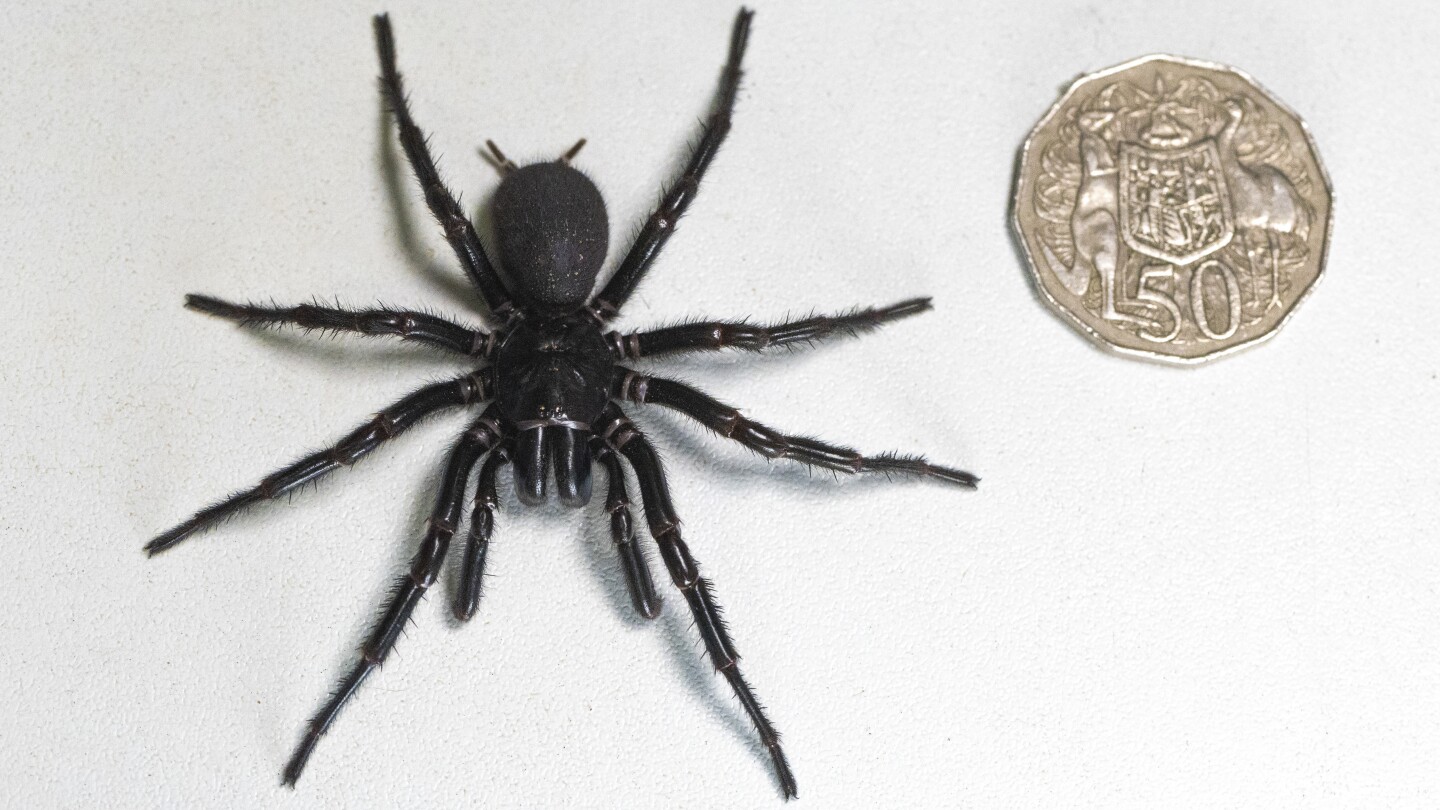
The Australian Reptile Park has acquired the largest male Sydney funnel-web spider ever found, measuring 3.1 inches across. Named "Hercules," this spider will play a crucial role in the park's antivenom program, where its venom will be extracted for life-saving treatments. The recent wet and humid weather in Australia has been conducive to the proliferation of these highly venomous spiders. Since the antivenom program's start in 1981, there have been no fatalities from funnel-web spider bites in the country.

science-and-environment2 years ago

"Record-Breaking Venomous Spider Discovered Down Under"

The Australian Reptile Park has received the largest male Sydney funnel-web spider ever found, measuring 7.9 cm across. Named "Hercules," this spider will contribute to the park's antivenom program, which has prevented any fatalities from funnel-web bites since its inception in 1981. The recent weather conditions in Australia have been ideal for these spiders, which are known for their potent venom, especially in males.