Tag

Dna Barcoding

All articles tagged with #dna barcoding

science-and-technology1 year ago

"Revolutionary Method for Identifying Earth's Millions of Species Unveiled After Supermarket Epiphany"

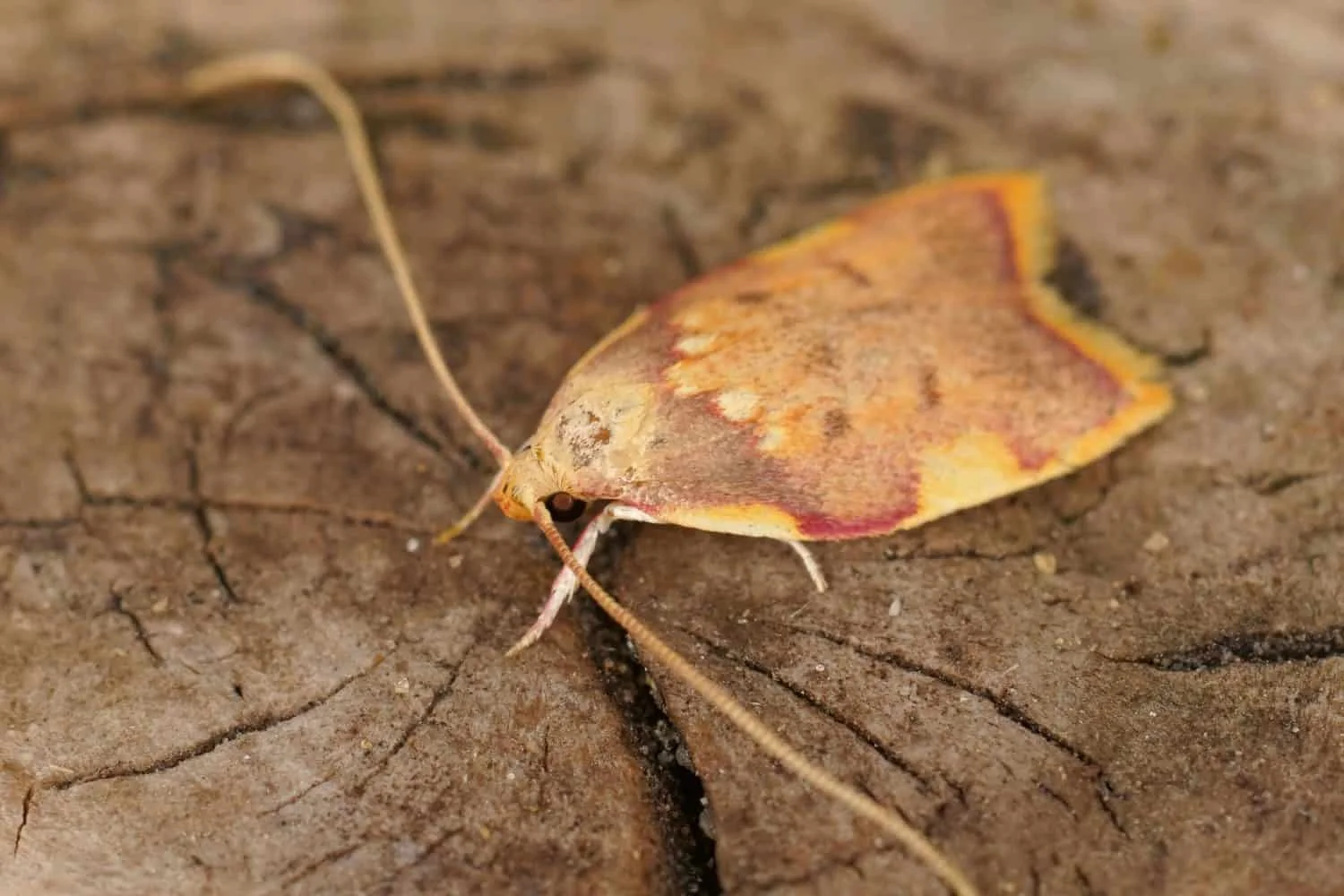
Paul Hebert, a biologist, struggled to identify the millions of species of moths and butterflies until he had a lightbulb moment in a supermarket, leading to the development of DNA barcoding. This technique uses a segment of DNA to differentiate between species and has since been proven successful for identifying a vast majority of animal life. DNA barcoding has revolutionized species identification, providing a reliable, inexpensive, and accessible solution that has implications for conservation, combating wildlife crime, and monitoring biodiversity.

science2 years ago

Cracking the Culinary Code of the Whitespotted Eagle Ray through DNA Analysis

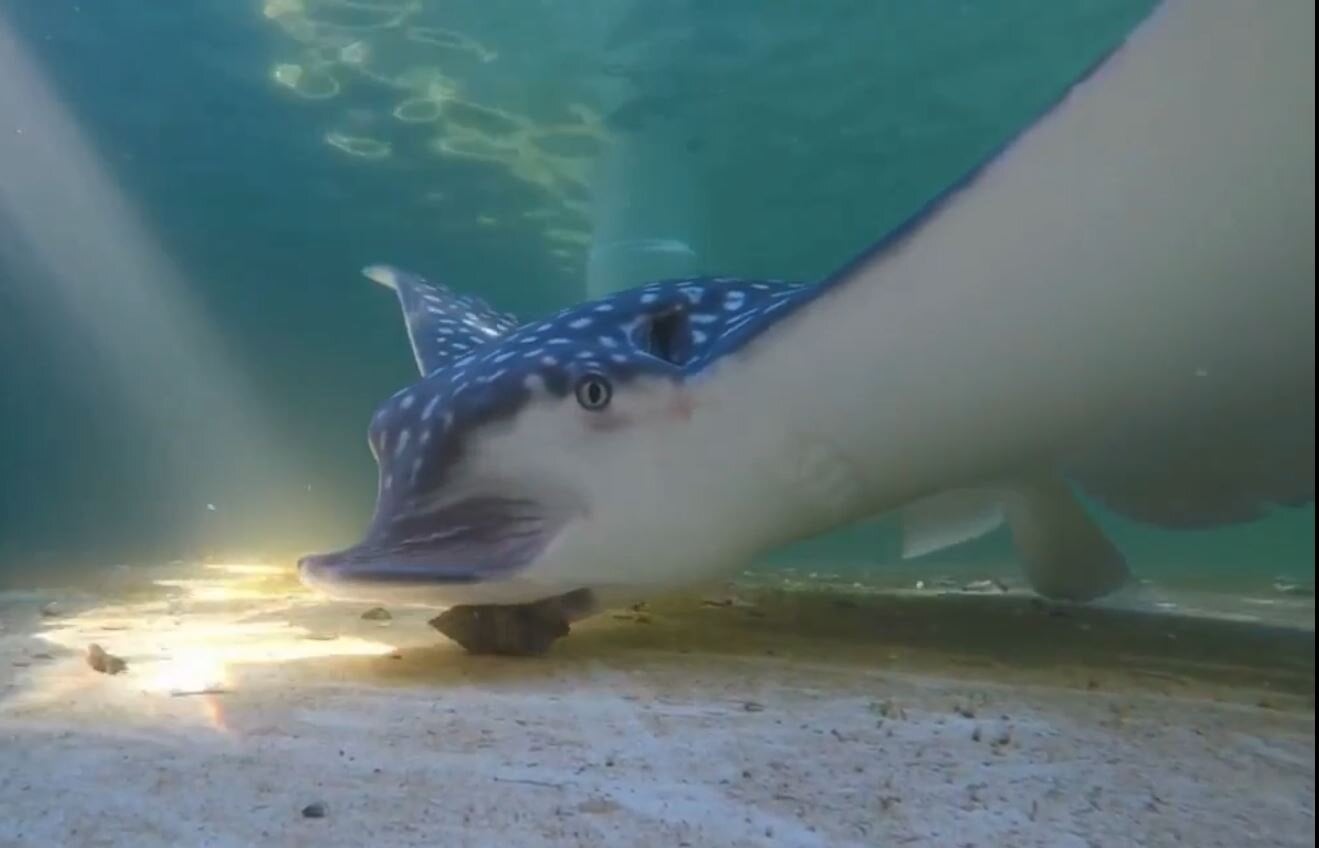
Researchers at Florida Atlantic University's Harbor Branch Oceanographic Institute, in collaboration with Mote Marine Laboratory & Aquarium, have used a combination of visual-based gut content analysis and DNA barcoding to uncover the diet of the whitespotted eagle ray in U.S. coastal waters. The study reveals that the ray has a broader diet than previously described, with highly variable preferences across different regions of Florida. While they did not find commercially important bivalves in their diet, they did find high proportions of cockles and wedge shells, as well as predatory conchs. The findings have implications for shellfish enhancement activities and species management, suggesting that the rays can play a role in reducing predation threats to bivalve shellfish operations.

science-and-technology2 years ago

Unveiling Dietary Habits through DNA Barcoding

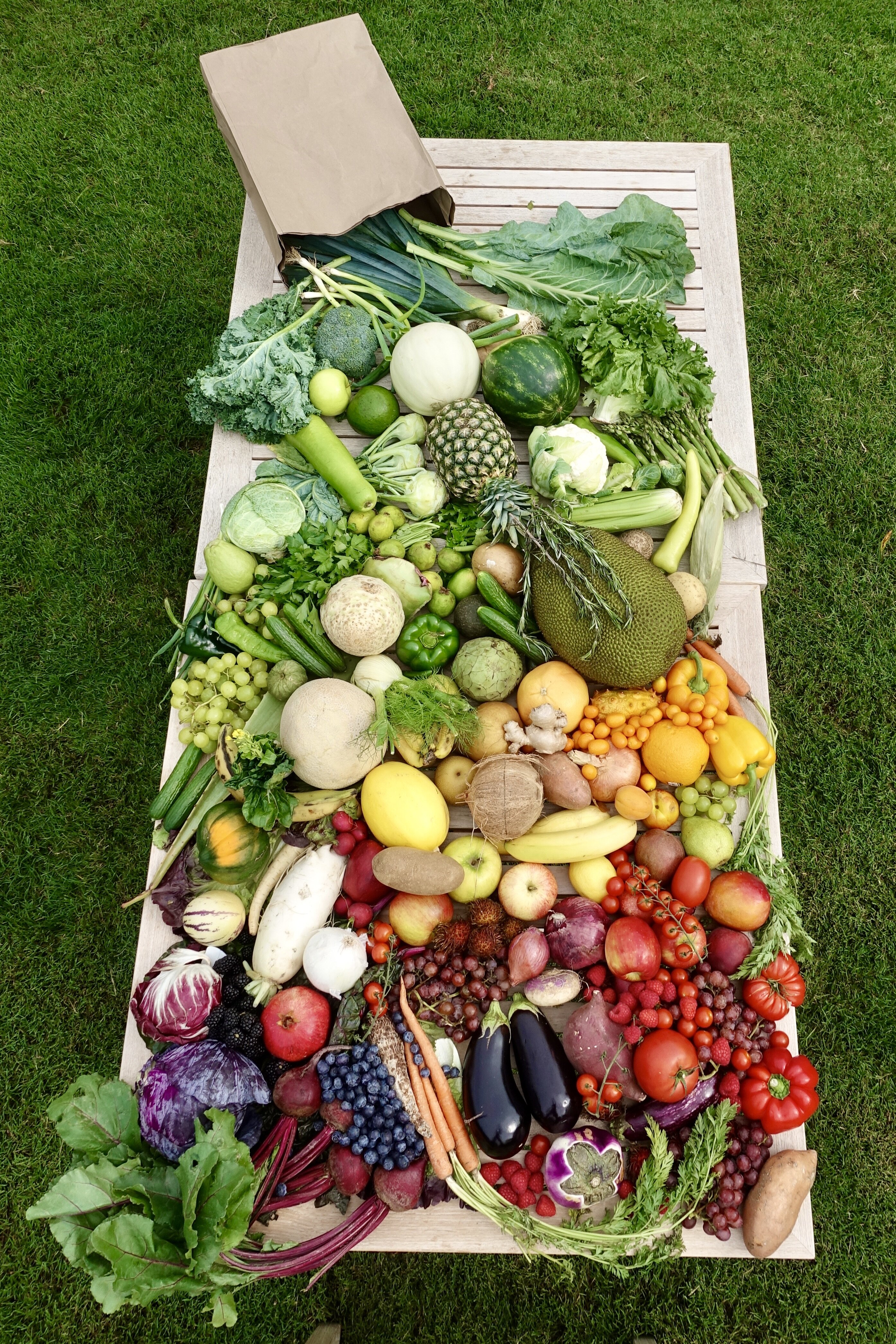
Researchers have developed a technique using DNA barcoding to identify the plant matter in human feces, allowing for the detection of what foods were consumed and the relative amounts. The genetic marker, called trnL-P6, can indicate dietary diversity, age, and household income. The technique has potential applications in clinical trials, nutrition studies, and understanding health and lifestyle patterns. The researchers are working on expanding the database to include more plant species and plan to apply the method to studies of disease and food biodiversity.