A study published in Nature Cardiovascular Research found that women gain significant heart health benefits from less exercise compared to men, due to biological factors like hormones and muscle composition, with women needing about half the exercise duration to achieve similar risk reduction.

Women are nearly twice as likely as men to develop Alzheimer's disease, a disparity linked to biological factors such as X chromosome-linked genes and hormonal changes like menopause. Research suggests that genetic and hormonal differences influence brain vulnerability, and timing of hormone therapy may impact disease progression. Understanding these sex-based differences could lead to more personalized treatments for Alzheimer's.
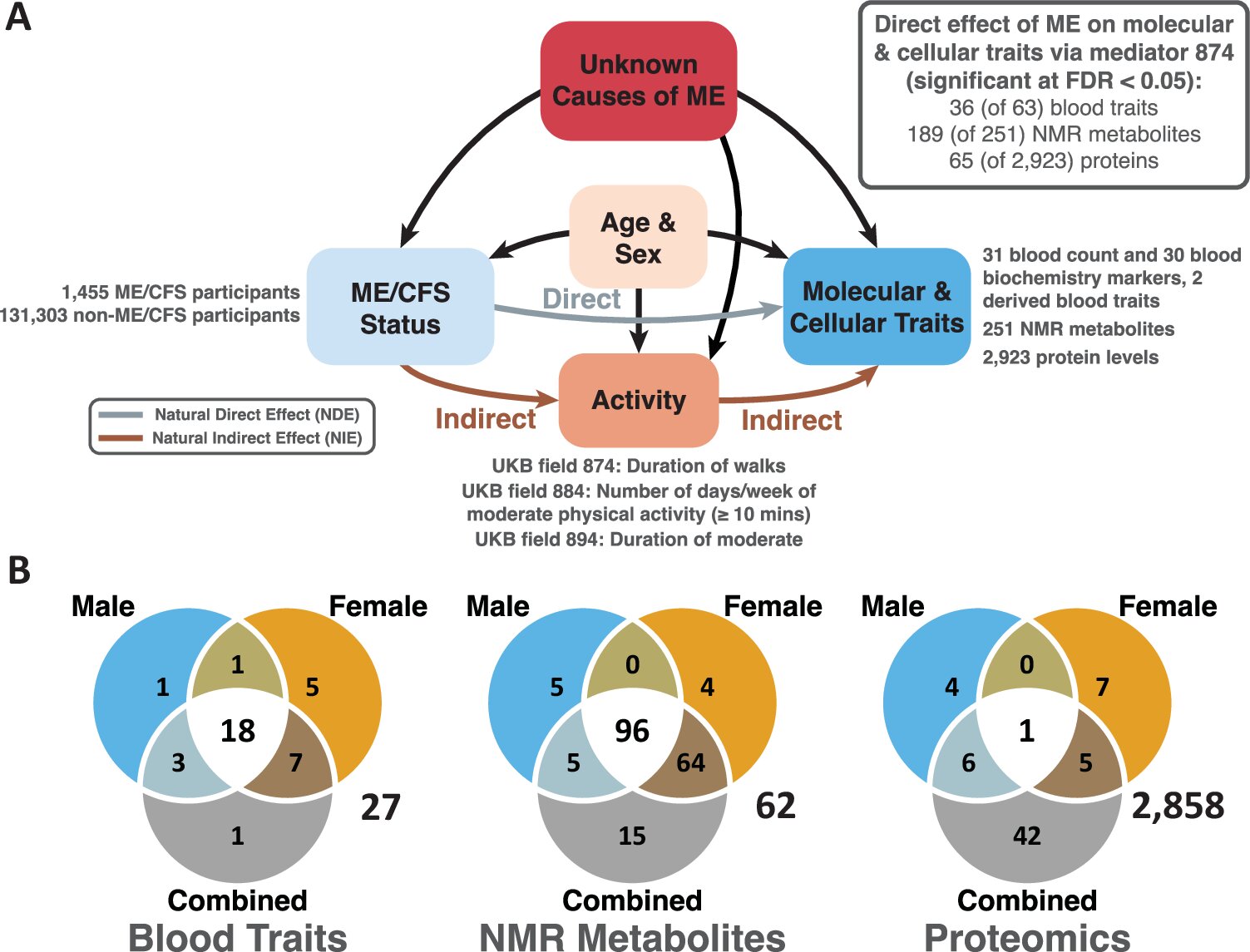
A large-scale study has identified consistent blood differences in ME/CFS patients compared to healthy individuals, highlighting potential biomarkers for diagnosis and dispelling misconceptions that the illness is purely psychological or due to deconditioning.
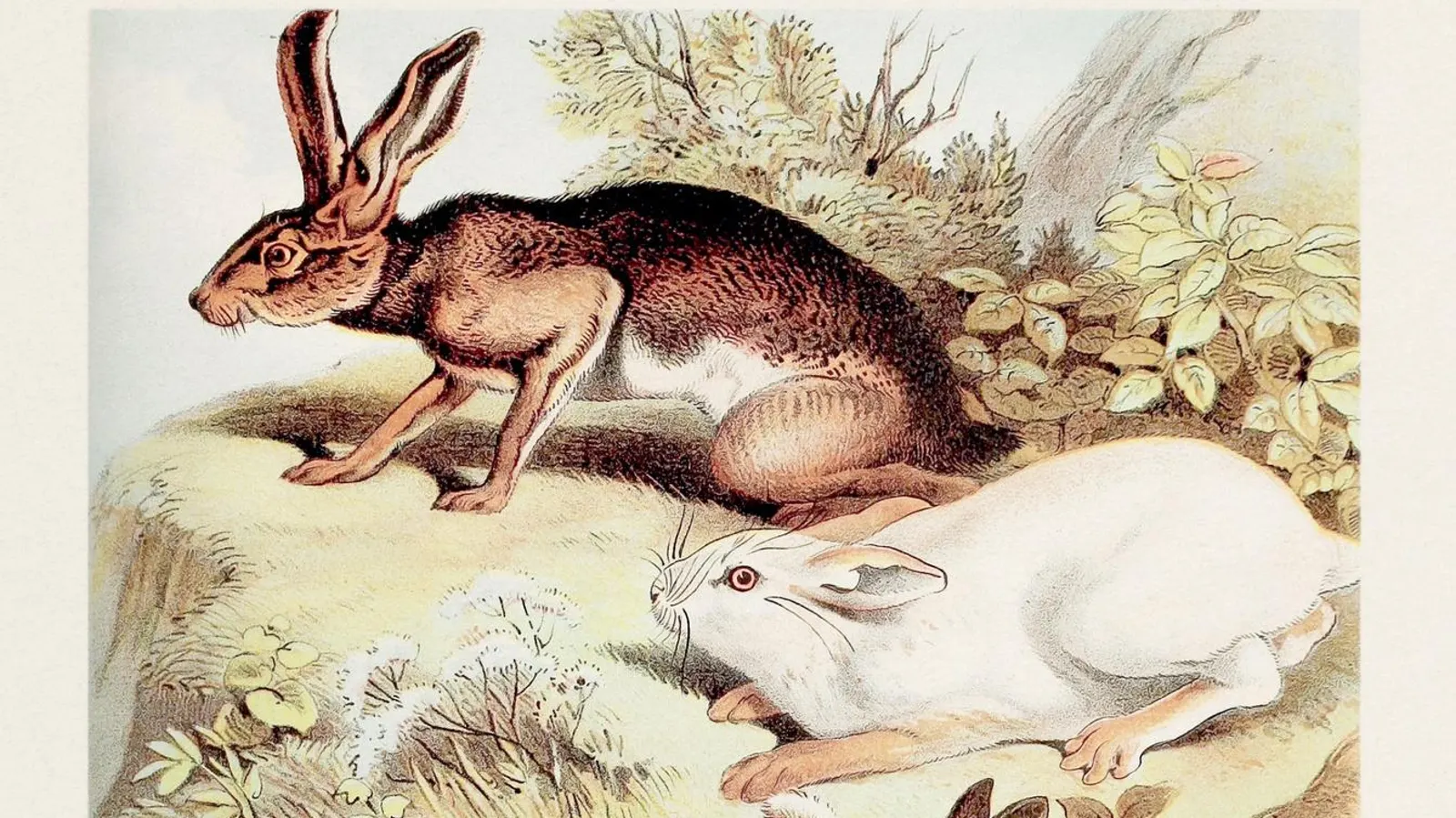
The article explains the importance of accurately distinguishing closely related animal species, such as hares vs. rabbits, bison vs. buffalo, dolphins vs. porpoises, and crows vs. ravens, highlighting their physical and behavioral differences that reflect their unique evolutionary paths and ecological niches.