Tag

Circular Rna

All articles tagged with #circular rna

Lilly bets on in vivo CAR-T with $2.4B Orna Therapeutics deal
biotech18 days ago

Lilly bets on in vivo CAR-T with $2.4B Orna Therapeutics deal

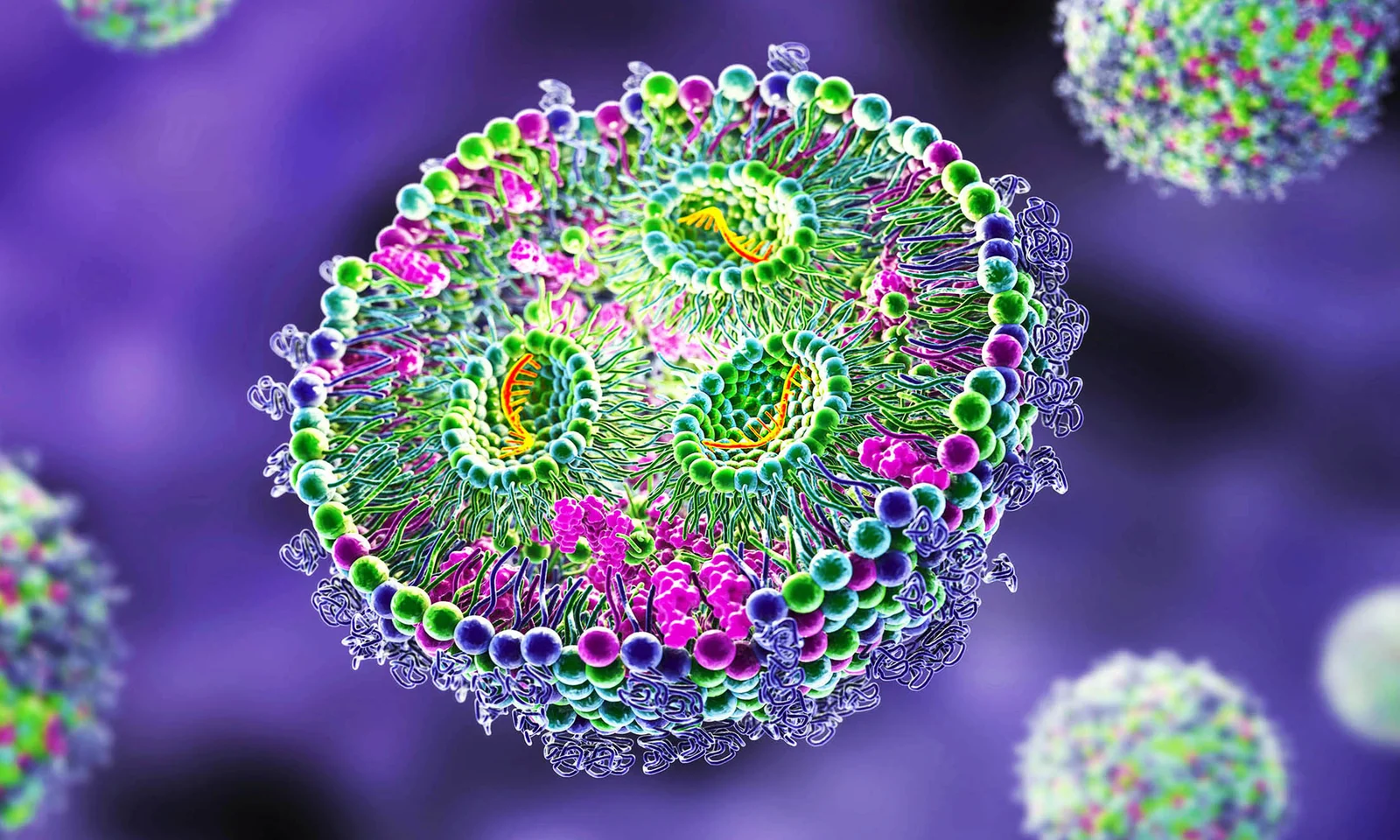
Eli Lilly agreed to acquire Orna Therapeutics for up to $2.4 billion to gain an in vivo CAR-T platform using engineered circular RNA delivered by lipid nanoparticles, led by ORN-252 targeting CD19 for autoimmune diseases; terms include upfront and milestone-based payments. The deal follows a wave of pharma acquisitions in this space as Lilly expands its genetic medicines pipeline and Orna has drawn funding and collaborations since its 2021 launch.

Lilly to Acquire Orna Therapeutics to Accelerate In Vivo CAR-T
biotech-healthcare18 days ago

Lilly to Acquire Orna Therapeutics to Accelerate In Vivo CAR-T

Eli Lilly will acquire Orna Therapeutics in a deal worth up to $2.4 billion in cash, expanding Lilly’s genetic-medicine platform with Orna’s circular-RNA–based in vivo CAR-T technology (ORN-252) designed to treat B cell–driven autoimmune diseases, leveraging lipid nanoparticle delivery for potentially more durable therapeutic protein expression and broader in vivo cell-therapy options.

business19 days ago

Lilly to acquire Orna, betting on in vivo CAR-T and circular RNA medicines

Eli Lilly will acquire Orna Therapeutics in a deal potentially worth up to $2.4 billion to accelerate in vivo CAR-T therapies using circular RNA and lipid nanoparticle delivery, led by ORN-252 targeting CD19 for B cell–driven autoimmune diseases and offering potentially more durable protein expression than current RNA or ex vivo approaches.

RNA Obelisks in Humans Blur the Line Between Living and Nonliving
science1 month ago

RNA Obelisks in Humans Blur the Line Between Living and Nonliving

Researchers report thousands of circular, non-coding RNA structures, dubbed obelisks, found across human saliva and gut microbiomes. They behave like replicators but do not resemble viruses, plasmids, or other known genetic elements, lacking protein-coding capacity and a protective shell. Their replication mechanism remains unknown, and they defy existing biological classifications, suggesting a possible new life-like class within the microbiome. There is no evidence of harm to humans yet, but their ubiquity hints at ecological or evolutionary significance and a need for new taxonomic frameworks.