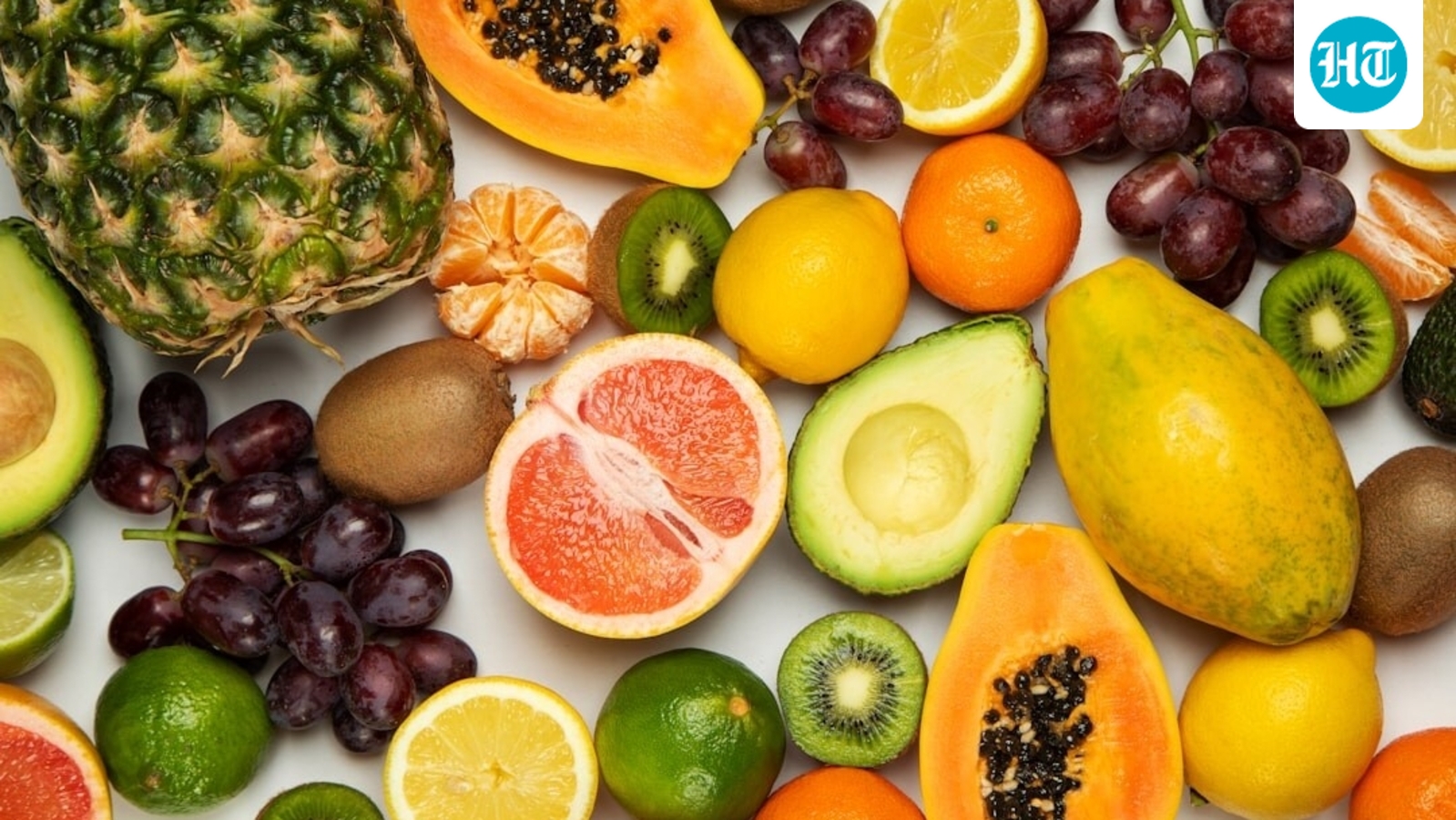
Nutritionist Khushi Chhabra suggests cost-effective alternatives to expensive fruits like avocado, pineapple, cherries, kiwi, and dragonfruit, such as pumpkin seeds, papaya, dried plums, guava, and pomegranate, which offer similar health benefits including improved immunity, heart health, and digestion.
The article highlights five nutrient-rich foods—mustard greens, gond (edible gum), Indian gooseberries, sesame, and fresh turmeric—that can help boost immunity and protect against winter illnesses, according to top nutritionist Suman Agarwal.
Dr. Dawn Mussallem, a stage 4 breast cancer survivor and physician, shares five foods—berries, purple sweet potatoes, cruciferous vegetables, beans, and soy—that may help fight cancer and promote long-term wellness, emphasizing the importance of a nutrient-rich diet for disease prevention and recovery.
The article discusses the health benefits of three Ayurvedic superfoods—ashwagandha, amla, and moringa—highlighting their roles in boosting immunity, reducing stress, and supporting overall well-being, supported by modern scientific research. It also explains how to incorporate these nutraceuticals into daily diets for optimal health benefits.
Eating a diet rich in antioxidants, low in sodium, phosphorus, and potassium, and including foods like blueberries, cauliflower, garlic, red bell peppers, olive oil, apples, grapes, salmon, and white rice can support kidney health and help prevent kidney disease. A balanced, kidney-friendly diet emphasizes whole, minimally processed foods and mindful protein intake to reduce organ strain and promote overall wellness.
Eating a diet rich in antioxidants, low in sodium, phosphorus, and potassium, and including foods like blueberries, cauliflower, garlic, red bell peppers, olive oil, apples, grapes, salmon, and white rice can support kidney health and help prevent kidney disease. These foods provide essential nutrients, anti-inflammatory compounds, and are gentle on the kidneys, making them ideal choices for maintaining kidney function and overall wellness.
The article discusses four plant-based superfoods—moringa, blueberries, chia seeds, and cinnamon—that can help manage diabetes naturally by improving insulin sensitivity, reducing inflammation, and stabilizing blood glucose levels, supported by scientific research.
The article highlights seven powerful foods, including green tea and turmeric, that are believed to enhance memory and mental clarity, promoting better cognitive health.
Eating a diet rich in familiar plant-based foods like leafy greens, berries, legumes, nuts, whole grains, cruciferous vegetables, dark chocolate, tomatoes, mushrooms, and sweet potatoes can support healthy aging by reducing disease risk, boosting brain and heart health, and maintaining overall vitality, emphasizing that simple, accessible foods are key to long-term wellness.
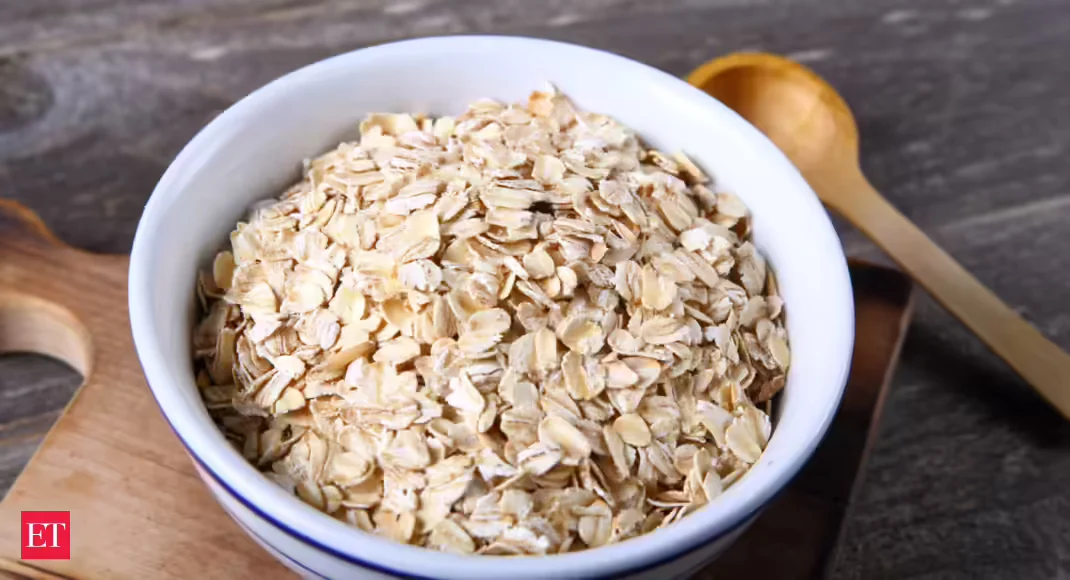
Starting your day with superfoods like oats, green tea, Greek yogurt, eggs, chia seeds, and berries can boost metabolism, promote fat burning, and help reduce belly fat.
Researchers have decoded the structure of protein crystals produced by the cockroach Diploptera punctata, which are highly nutritious and could serve as a compact, long-lasting food source for space travel and emergency nutrition. Instead of milking insects, scientists are working on replicating these proteins in microbial systems for large-scale production. While not suitable for everyday consumption due to high caloric density, cockroach milk has potential in specialized applications like space missions and nutritional therapy.
The article discusses nine superfoods that can help boost the immune system, providing essential nutrients and health benefits to enhance overall wellness.
The article discusses which berry offers the most health benefits, with insights from dietitians, highlighting the nutritional value of various berries as superfoods.
Research suggests that consuming superfoods rich in magnesium and chromium can help reduce blood sugar levels and insulin resistance, potentially lowering the need for insulin in managing type 2 diabetes. These minerals play vital roles in blood sugar regulation, and foods high in these nutrients include leafy greens, nuts, whole grains, and seafood. Lifestyle changes such as increasing fiber intake, staying hydrated, exercising regularly, and managing stress are also effective in controlling blood sugar levels. However, it's important to consult healthcare professionals before starting supplements, as evidence is still emerging.
Originally Published 6 months ago — by MindBodyGreen
Dr. Amy Shah highlights practical, research-backed superfoods like kiwi, blueberries, citrus, and cocoa that support cognition, mood, sleep, and gut health, emphasizing simple dietary changes for long-term well-being.