Tag

Sugar Substitute

All articles tagged with #sugar substitute

health1 year ago

"Xylitol Sweetener Linked to Higher Heart Attack and Stroke Risk"

A study by the Cleveland Clinic, published in the European Heart Journal, links the sugar substitute xylitol to an increased risk of heart attack, stroke, and cardiovascular-related deaths. Researchers found that high levels of naturally occurring xylitol in the blood doubled the risk of these conditions. The study suggests that xylitol activates platelets, increasing the likelihood of blood clots. While the study is observational and has limitations, experts recommend limiting the intake of artificial sweeteners and opting for natural sugars instead.

health-and-nutrition1 year ago

"The Health Benefits of Dates: Debunking the Myths of Natural Sugar Alternatives"

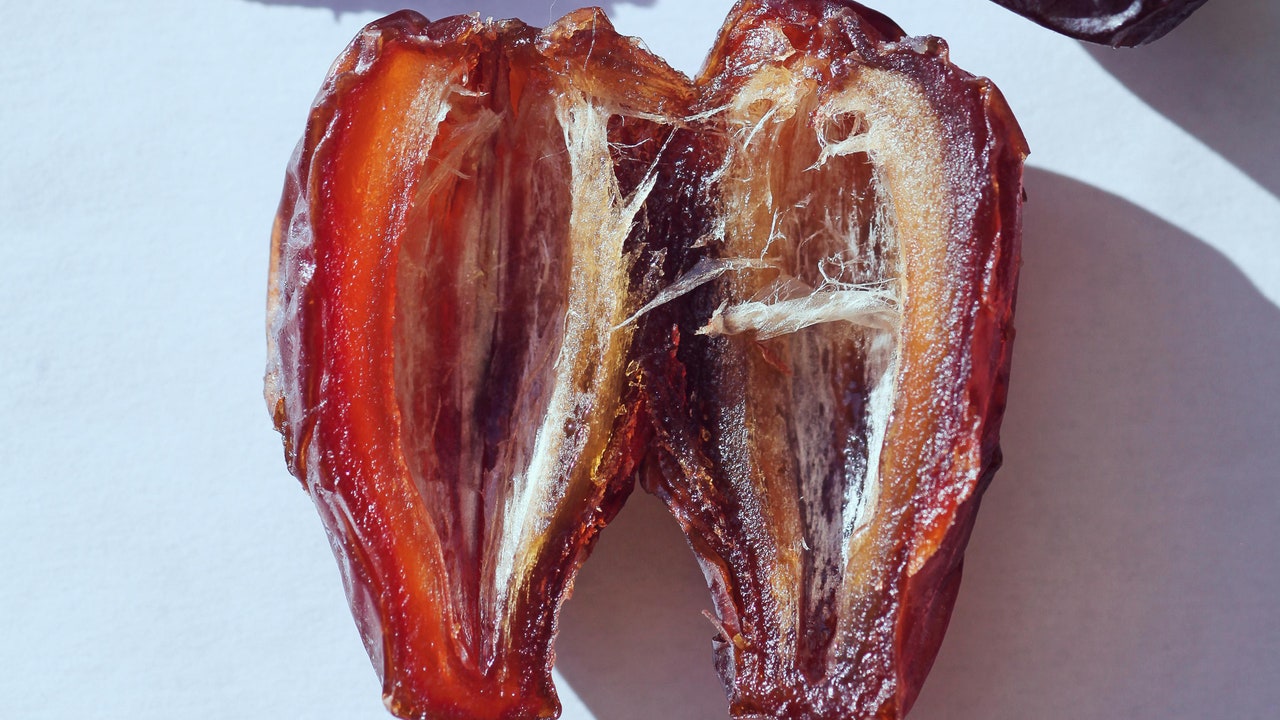
Dates are a staple in Middle Eastern and North African cuisine and are increasingly popular as a healthy sugar substitute. They are high in minerals, fiber, and antioxidants, making them beneficial for gut health, disease prevention, and brain health. However, due to their high sugar content, it's best to consume them in moderation, with experts recommending no more than six dates per day. Dried dates are widely available in the United States, but it's important to drink plenty of water when consuming them to avoid constipation. There are various ways to enjoy dates, such as in smoothies, dips, or softened and paired with peanut butter on bread.

health2 years ago

The Gut Health Battle: Sucralose vs. Sugar

A study conducted by researchers from the University of Vienna found that consuming the artificial sweetener sucralose did not cause an increase in bacterial endotoxin levels in the body, compared to consuming sugar. Previous research has shown that some artificial sweeteners can potentially cause health issues such as increased risk for cardiovascular disease, modifications to the gut microbiome, and depression. While more research is needed, this study suggests that sucralose may be a safer alternative to consuming sugar. However, experts emphasize the importance of considering individual factors and making informed decisions when choosing sugar substitutes.

health-and-wellness2 years ago

The Lowdown on Allulose: Benefits, Risks, and Uses

Allulose is a natural sugar substitute that closely resembles the taste of table sugar without the bitter aftertaste. It has no impact on blood sugar levels and is low in calories, making it a suitable option for those with diabetes and individuals looking to lose weight. Studies suggest that allulose may help lower blood sugar levels, reduce body fat, and improve overall health by replacing high-calorie sweeteners. It is considered safe for consumption, but high doses may cause gastrointestinal side effects. Allulose can be used in various recipes as a 1:1 replacement for sugar, making it a versatile option for baking and cooking.

health-and-wellness2 years ago

The Sweet Secret of Monk Fruit

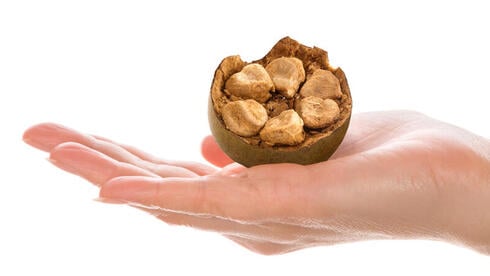
Monk fruit is a natural, calorie-free sugar substitute that has been approved by the FDA and is safe for consumption by everyone. It has numerous health benefits, including anti-inflammatory and anti-cancer properties, and is beneficial for diabetics. Monk fruit is also 100-250 times sweeter than sugar and can be used in cooking and baking. Try out some sweet summer recipes using monk fruit powder, such as a creamy vanilla shake and indulgent halva truffles.

health2 years ago

Study finds common sweetener may damage DNA.

Sucralose, a common sugar substitute, has been found to be "genotoxic" and can break up DNA, according to a new study. The research also found that sucralose can affect gut health and cause leaky gut. The study suggests that the trace amounts of sucralose-6-acetate in a single, daily sucralose-sweetened drink in the US exceed the threshold of toxicology that is part of the restrictions imposed by the European Food Safety Authority.

health2 years ago

Study finds common sweetener may harm DNA

Sucralose, a common sugar substitute, has been found to be "genotoxic" and can break up DNA, according to a new study. The research also found that sucralose can affect gut health and cause leaky gut. The study suggests that the trace amounts of sucralose-6-acetate in a single, daily sucralose-sweetened drink in the US exceed the threshold of toxicology that is part of the restrictions imposed by the European Food Safety Authority.

health2 years ago

Sucralose: A Sweetener That Suppresses the Immune System in High Doses.

High doses of sucralose, a calorie-free sugar substitute, reduce immune responses in mice, according to a study. The researchers did not investigate the sweetener’s effects in humans, and say that it is unlikely that normal consumption of sucralose is harmful. The study suggests that the sweetener has a clear biological effect beyond stimulating taste. The authors call for more research to better understand any impacts of the molecule on people’s health, but also suggest that it could be used to tamp down conditions that cause a hyperactive immune system.