A study published in the Journal of the American College of Cardiology found that the Palisades and Eaton fires in Los Angeles caused a significant increase in heart attacks, respiratory illnesses, and abnormal blood test results over 90 days, likely due to the toxic mix of materials burned and prolonged smoke exposure, leading to long-term health impacts beyond immediate injuries.

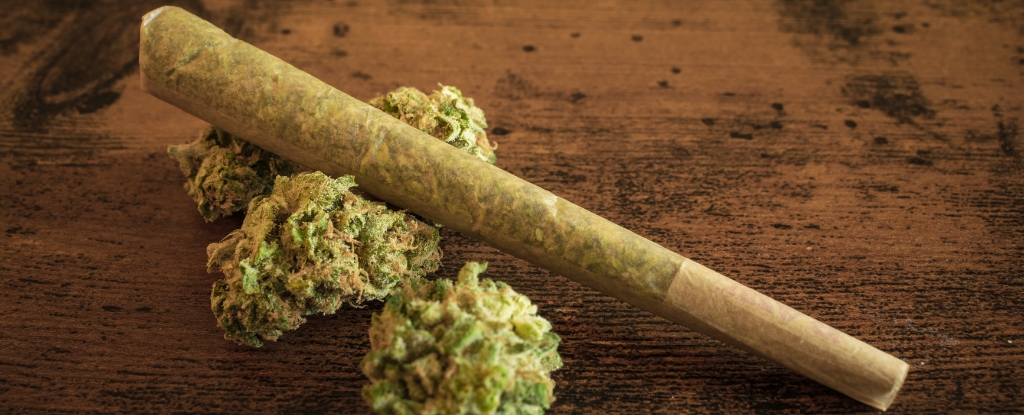
A 2023 study found that cannabis use is associated with epigenetic changes, specifically DNA methylation, which can influence gene expression and potentially impact health, with some markers linked to neurological and other health conditions. The research highlights the lasting biological fingerprints of cannabis but does not establish direct causation.
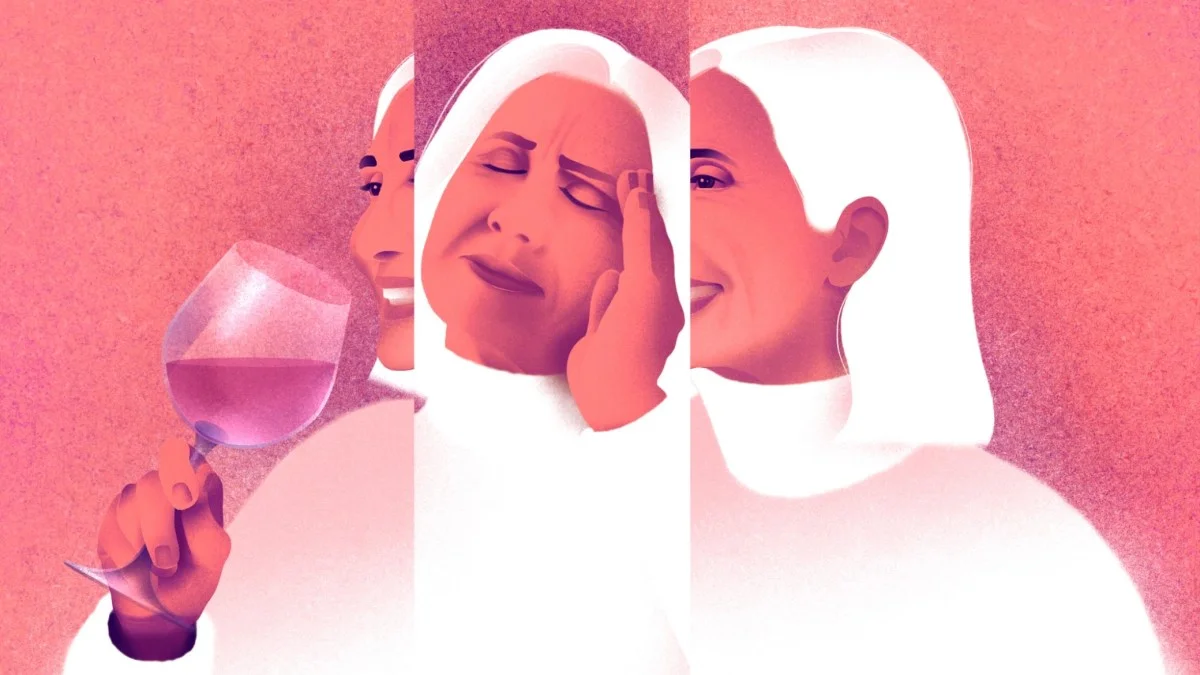
Alcohol's impact on health varies across different ages, with increased sensitivity and long-term risks such as cognitive decline, hormonal imbalances, and cancer as we age. Reducing alcohol intake and taking breaks can significantly benefit health at any age.
A former cannabis user shares his positive experience after quitting, highlighting improvements in productivity, sleep, and mental health over six months. The article explains how cannabis affects the body, the duration of its effects, potential withdrawal symptoms, and risks like cannabis hyperemesis syndrome, emphasizing the importance of understanding its impact and seeking help if needed.
A man who drank up to 4.5 liters of Dr Pepper daily for over 10 years experienced severe health issues including poor sleep, weight gain, dental decay, and fatigue. He quit with hypnotherapy, leading to significant health improvements and financial savings.
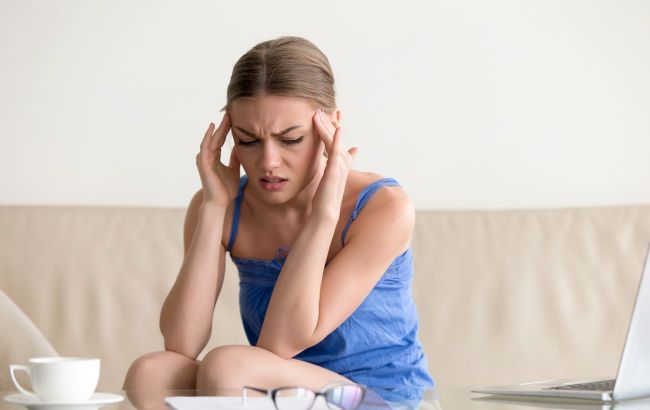
A series of magnetic storms are expected between September 15-20, 2025, caused by solar activity, which may impact weather-sensitive individuals, especially those with cardiovascular issues, causing symptoms like headaches, blood pressure fluctuations, and fatigue. Experts recommend staying hydrated, avoiding heavy foods and alcohol, and monitoring health during this period.
Kate Gosselin shared the lasting physical effects of her sextuplet pregnancies, including bladder issues and complications from retained placenta, while also discussing her estranged children and past challenges.
Peeing in pools is common but can lead to the formation of harmful chemicals called chloramines, which cause irritation and reduce disinfectant effectiveness. While it generally isn't a health risk for most people in well-chlorinated pools, it contributes to poor air quality and irritation, especially in smaller pools or poorly ventilated areas. Experts recommend avoiding it for hygiene and social reasons.
Peeing in pools is common but problematic because it reacts with chlorine to form harmful disinfection byproducts like chloramines, which can cause irritation and respiratory issues, especially in poorly ventilated areas. While a single pee in a large pool may have minimal impact, overall, it's considered bad behavior and best avoided for health and hygiene reasons.
A six-month study found that eating minimally processed whole foods leads to better health outcomes, including weight loss and improved biomedical markers, compared to ultraprocessed foods, which are linked to adverse health effects and are increasingly prevalent globally.
A new report warns that chemical pollution poses a threat comparable to climate change, with over 100 million synthetic chemicals in use and widespread contamination affecting human health and the environment, highlighting the need for increased awareness, better testing methods, and consumer-driven solutions.
A study of over 1,000 adults suggests that cannabis use may cause epigenetic changes, specifically in DNA methylation patterns, which could influence gene expression related to health and disease, though causality has not been established.
Thick smoke from wildfires in Manitoba, Canada, is drifting into the U.S. Midwest and Northern Plains, causing air quality alerts and health concerns, as the wildfires continue to devastate Canadian wildlands and impact neighboring regions.
A recent study suggests that perfume and lotion may interfere with the body's natural chemical defenses, called the human oxidation field, by reducing hydroxyl radicals that neutralize airborne toxins, especially in indoor environments, raising concerns about potential health impacts.