Tag

Erythritol

All articles tagged with #erythritol

health17 days ago

Scientists Link Common Sweetener to Higher Heart Attack and Stroke Risk

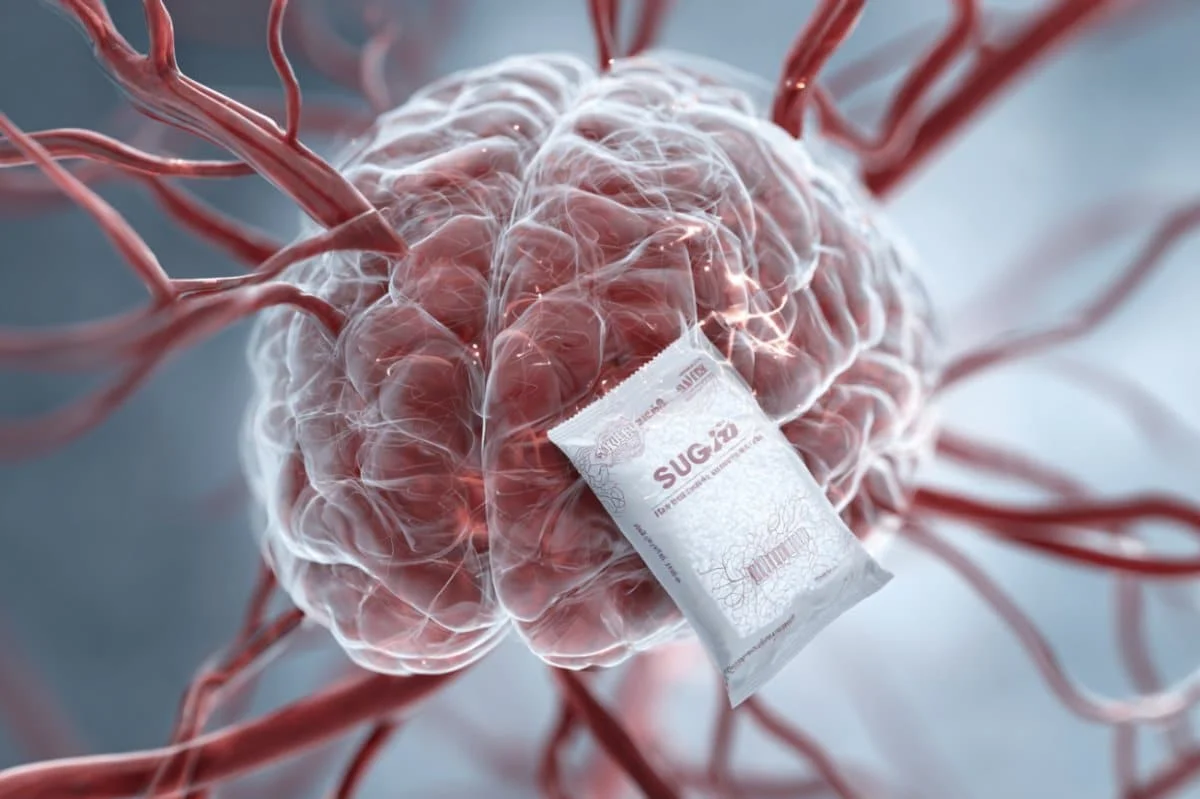
Recent studies suggest that erythritol, a common artificial sweetener, may increase oxidative stress, disrupt vascular signaling, and impair clot regulation in brain blood vessel cells, potentially raising the risk of stroke and heart attack, especially with high consumption. While approved and widely used, its long-term effects remain uncertain, prompting further research into its safety.

health-and-halacha5 months ago

Health Risks of Popular Artificial Sweeteners and Natural Alternatives

A halachic analysis highlights health concerns from erythritol in certain Splenda products, linking them to increased stroke risk based on recent scientific studies. It recommends avoiding purple and brown packaged Splenda containing erythritol, while continuing to use yellow-packaged products deemed safe, emphasizing the importance of protecting health through halachic obligations.

health5 months ago

Health Risks of Popular Artificial Sweeteners: Brain Damage, Stroke, and Heart Concerns

Recent research suggests that erythritol, a common artificial sweetener found in products like Truvia and Splenda, may pose health risks by damaging brain cells and increasing the risk of stroke and heart attack, prompting experts to recommend natural alternatives such as honey, maple syrup, and monk fruit. The study highlights the potential dangers of erythritol, especially for individuals consuming multiple sugar-free drinks daily, and emphasizes the importance of reading food labels and considering natural sweeteners for safer consumption.

health6 months ago

Zero-Calorie Sweetener May Harm Brain Blood Vessel Cells, Study Finds

A lab study suggests that erythritol, a common zero-calorie sweetener found in many sugar-free products, may impair brain blood vessel cell function by increasing oxidative stress and disrupting protective pathways, potentially raising stroke risk. However, the research was conducted in cells over a short period and does not prove causation in humans, highlighting the need for further studies.