Tag

Sugar

All articles tagged with #sugar

Belief Overrides Sweetness: Expectations Rewrite the Brain's Sweet Reward
science5 hours ago

Belief Overrides Sweetness: Expectations Rewrite the Brain's Sweet Reward

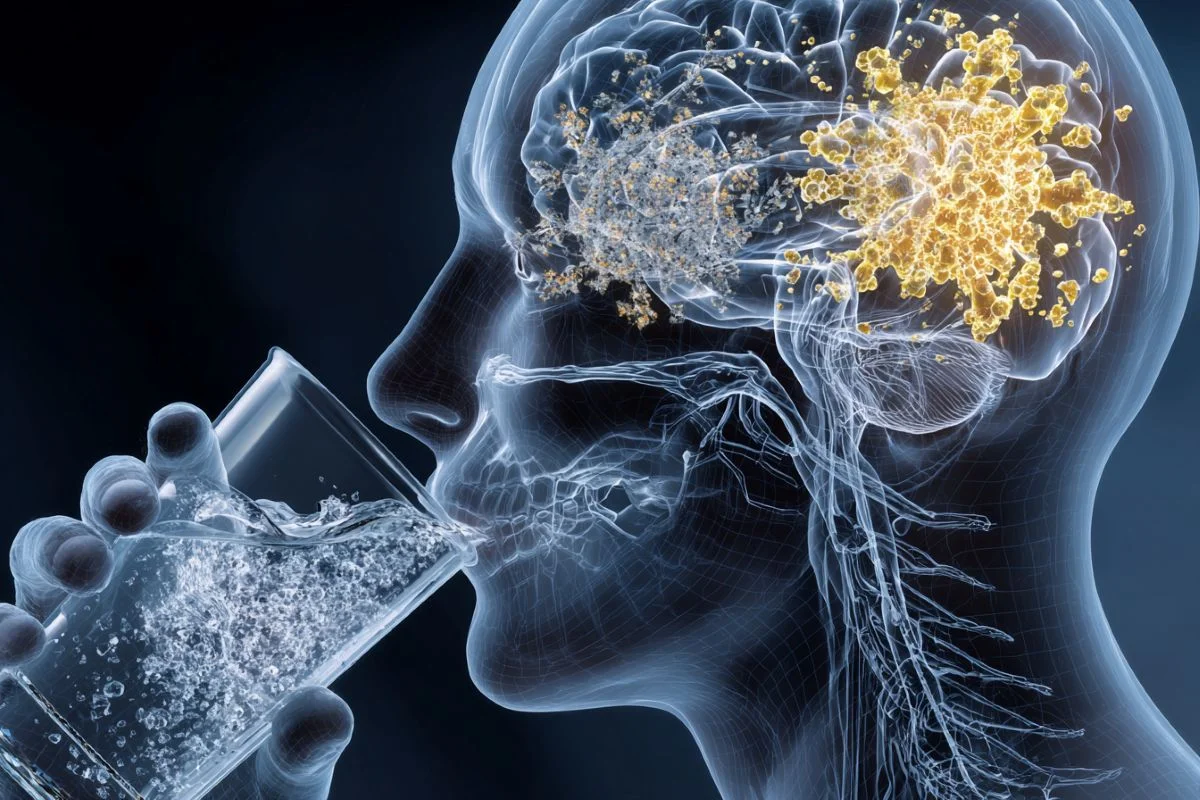
A neuroscience study using fMRI with 99 healthy adults shows that what people expect about a beverage’s sugar content can dramatically change how the brain’s reward system processes sweetness: thinking a drink contains sugar boosts the reward response to artificial sweeteners, while thinking it’s diet makes real sugar less pleasant. The dopaminergic midbrain was identified as key in this effect, highlighting how labeling and expectations can influence food choices and may inform dietary messaging.
Sugar in moderation: a nuanced path beyond zero sugar
health4 days ago

Sugar in moderation: a nuanced path beyond zero sugar

The article argues that while added sugars are linked to diabetes, hypertension, and heart disease, naturally occurring sugars in fruit and whole foods come with fiber and nutrients and are not worrisome. Dietary guidelines aim to limit added sugars, especially in drinks, rather than abolish sugar entirely. The piece also cautions against extreme zero-sugar diets and highlights metabolic flexibility—the ability to adapt to different energy sources—as a reason to avoid strict elimination. The takeaway is to keep added sugar on the low side, enjoy fruits and whole grains, limit sugary beverages, and avoid food anxiety or orthorexia while allowing occasional treats at celebrations.

Sugar-Free Lent: What Cutting Sweets Does to Your Brain
health13 days ago

Sugar-Free Lent: What Cutting Sweets Does to Your Brain

Giving up sugar for Lent can reveal how sugar acts on the brain’s reward system—driving dopamine signaling in the mesolimbic pathway, altering D1/D2 receptor balance and dopamine transport—similar to drugs of abuse; rodent studies show bingeing, withdrawal, and impulsivity; in humans, about 40 days off sugar may reset some neural sensitivity and reduce cravings, though effects vary by person.

Sweet Tooth, Stable Taste: Science Says Cut the Fear, Not the Sugar
health27 days ago

Sweet Tooth, Stable Taste: Science Says Cut the Fear, Not the Sugar

A 2025 randomized trial (The Sweet Tooth Trial) found that six months of low-, regular-, or high-sweetness exposure did not change participants’ preference for sweetness or health markers. Cravings aren’t eliminated by restriction; explanations include sensory adaptation, blood sugar stabilization, and psychological factors. The takeaway is to stop trying to biohack away your sweetness and instead adopt a balanced approach: ensure adequate protein and fiber, avoid treating sugar as forbidden, and enjoy sweets in moderation as part of a nourishing diet.

Protein bars: convenient, not a substitute for real food, say nutrition experts
health1 month ago

Protein bars: convenient, not a substitute for real food, say nutrition experts

Experts say protein bars can be convenient when a meal isn’t possible, but they aren’t a health shortcut: many contain artificial ingredients and sugar alcohols, so choose bars with simple, recognizable ingredients and limit intake; for most people, meeting protein and fiber needs through whole foods is preferable to relying on bars.

Sugar smart: timing, type, and balance to avoid energy slumps
health-and-wellbeing1 month ago

Sugar smart: timing, type, and balance to avoid energy slumps

Sugar activates the brain’s reward system and comes as glucose or fructose, which are processed differently: glucose prompts insulin release and energy storage, while fructose is sent to the liver and can be converted to fat. In excess, both raise triglycerides and may raise heart- and liver-related risks; repeated insulin spikes can fuel inflammation. The so-called 'sugar rush' is largely a myth, and when a sugar-induced dip occurs, people tend to eat more later. Timing matters: morning glucose responses are usually more favorable, and having sugar as part of a balanced meal with fiber, healthy fats, and protein helps blunt spikes. Moderation is best; avoid late-day sugar and be cautious with sugar substitutes, which may impact the gut/oral microbiome and can, in some cases, convert to fructose. Given that many people regularly eat sugary snacks (about 84% daily, with 79% up to three), reducing intake is sensible rather than demonizing it.

Leading Doctor Warns Against Brain-Damaging Foods
health1 month ago

Leading Doctor Warns Against Brain-Damaging Foods

Consuming liquid sugar, especially through sugary drinks like soda and sweetened beverages, can cause long-term brain damage by inducing inflammation, insulin resistance, and cognitive decline, with particularly harmful effects on children and young adults. Artificial sweeteners may also accelerate mental decline, and reducing sugar intake by choosing healthier alternatives can help protect brain health.

Leading Doctor Warns of Brain-Damaging Food to Avoid
health2 months ago

Leading Doctor Warns of Brain-Damaging Food to Avoid

Consuming liquid sugar, especially in sugary drinks like soda and sweetened beverages, can cause long-term brain damage by leading to insulin resistance, inflammation, and oxidative stress, which impair memory, focus, and increase dementia risk. Early exposure in children is linked to attention problems and ADHD, and artificial sweeteners may also accelerate cognitive decline. Reducing intake and replacing sugary drinks with water or unsweetened beverages can help protect brain health.

health3 months ago

What Happens to Your Body When You Drink a Can of Coke

Drinking Coke regularly can pose health risks such as fatty liver, heart disease, and diabetes due to its high sugar content, though Coca-Cola is working to reduce sugar levels and offers alternative products with cane sugar. Consuming even one can daily can significantly increase health risks, and the effects of sugar and caffeine in Coke can lead to various health issues over time.

Nutritionist Weighs In: Sugar, Honey, or Monk Fruit — Which Is Healthier?
health4 months ago

Nutritionist Weighs In: Sugar, Honey, or Monk Fruit — Which Is Healthier?

Nutritionist Suman Agarwal explains that while natural sweeteners like jaggery, honey, and dates have some benefits, they are not calorie-free and can have high glycemic indexes, making moderation important. Zero-calorie options like stevia and monk fruit are safer alternatives, but overall, limiting all added sugars is recommended for long-term health, following WHO guidelines and recent studies linking high sugar intake to increased cardiovascular risk.

Research Reveals Ultra-Processed Food Addiction Risks Outweigh Traditional Substances
health4 months ago

Research Reveals Ultra-Processed Food Addiction Risks Outweigh Traditional Substances

Research suggests that certain highly processed, sugary foods can affect the brain similarly to addictive substances like nicotine, leading to cravings, withdrawal, and difficulty controlling intake, which supports the idea that food addiction is a real phenomenon. However, treatment approaches are still evolving, especially considering the necessity of food for survival and the complexity of eating disorders.

Top Gut Habits to Avoid for Better Digestive Health
health4 months ago

Top Gut Habits to Avoid for Better Digestive Health

Poor gut habits such as consuming processed foods, excessive sugar, insufficient vegetables, late-night snacking, and overusing antibiotics can significantly harm gut health, leading to inflammation, digestive issues, and broader health problems. Improving diet by eating whole foods, fiber-rich vegetables, and using antibiotics responsibly can help maintain a healthy gut microbiome.