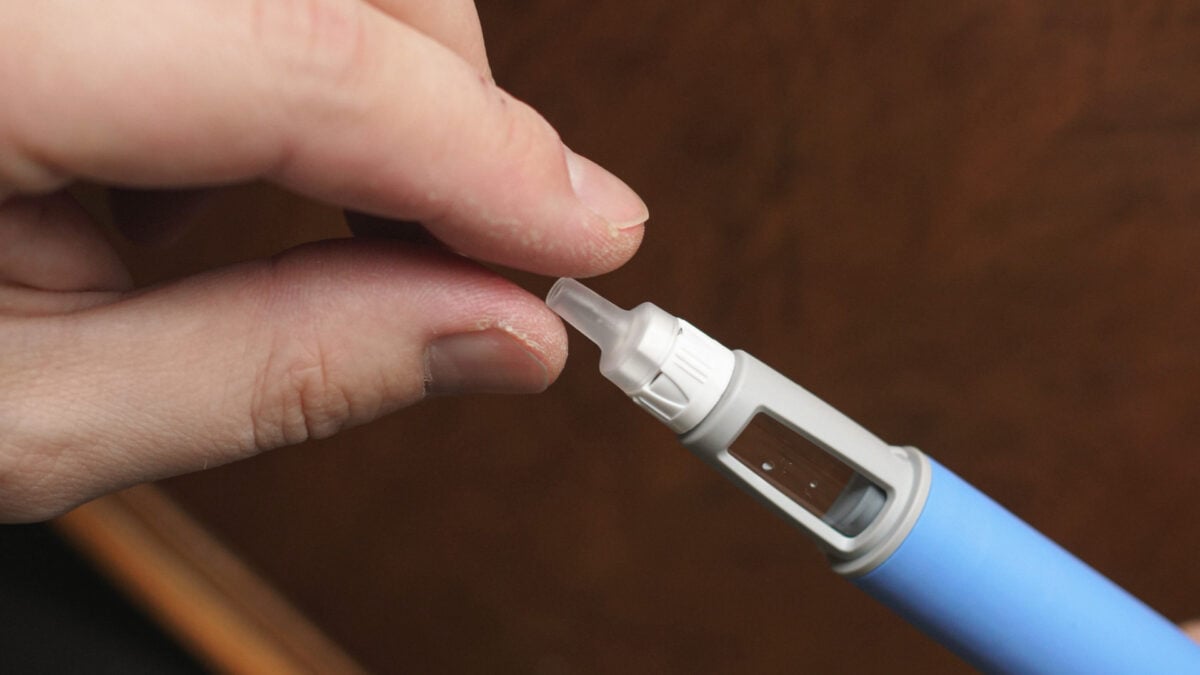
Research suggests that GLP-1 drugs like Ozempic may slow alcohol absorption and reduce intoxication and cravings, potentially offering new treatment avenues for alcohol use disorder, though further studies are needed.
Cravings and appetite changes are not reliable indicators of cancer, despite popular stories; they can be caused by various factors, and only specific signs like ice chewing linked to iron deficiency should prompt medical testing. For cancer detection, rely on established symptoms and screening rather than single food cravings.
A simulation from GrowFit Health illustrates the effects of abstaining from sugar for two weeks, showing initial blood sugar stabilization, cravings, and withdrawal symptoms in the first week, followed by taste bud sensitivity and increased energy levels in the second week, emphasizing gradual reduction and balanced nutrition.
Nutrition coach Luisana Carrero highlights seven foods—such as eggs, berries, avocados, Greek yogurt, sweet potatoes, oats, and high-fiber vegetables—that naturally boost satiety, regulate blood sugar, and reduce cravings, making fat loss easier. These foods support weight management by promoting fullness and stabilizing hunger hormones.
A dietitian suggests that enjoying treats like dessert in moderation can aid weight loss by preventing deprivation and reducing cravings, emphasizing a flexible diet approach for long-term success.
Urge surfing is a mindfulness technique that helps manage cravings by visualizing them as waves that rise, crest, and fall. By recognizing, observing, visualizing, and returning to the present, individuals can regain control over their responses to temptation, promoting resilience and healthier coping mechanisms. While urge surfing can be integrated into daily life, it should not replace professional care for severe withdrawal symptoms or medical emergencies related to addiction.
A study conducted by Marco Leyton, PhD, at McGill University in Canada, involving cocaine and a special protein shake, revealed that a lack of phenylalanine in the shake decreased participants' craving for cocaine without affecting the drug's euphoric effects. This sheds light on the brain's wanting system and the distinction between liking and wanting. GLP-1 drugs, primarily used for diabetes and weight loss, are showing potential in reducing cravings for substances like alcohol, nicotine, and opioids by tapping into the brain's reward system. These drugs seem to quiet the wanting mind while leaving liking intact, offering hope for addressing addiction and overeating.
Cutting back on sugar in your diet is important for overall health, as excessive sugar consumption can lead to various health issues. To reduce sugar intake, it's recommended to train your palate to enjoy less sweetness, refrain from adding sugar to tea and coffee, avoid "low-fat" foods that are often high in added sugars, reduce sugar from processed foods by checking nutrition labels, and be cautious of "healthy" snack foods that may contain high sugar levels. Additionally, incorporating fiber-rich snacks like peanut butter dates, Greek yogurt with berries, dark chocolate with peanuts, sweet and salty popcorn, and wholegrain toast with mashed banana and cinnamon can help satisfy sugar cravings without causing a significant blood sugar spike.
Psychiatrist and neuroscientist Judson Brewer suggests using mindful eating to break the cycle of binge eating and curb cravings. Mindful eating involves focusing on the present moment and understanding the reasons behind food cravings. Brewer recommends mapping out eating patterns, changing the brain's perception of food rewards, and finding healthier alternatives to break the habit loop. By reconnecting with the body and listening to its cues, individuals can conquer cravings and end unhealthy eating habits.
Psychiatrist and neuroscientist Judson Brewer offers a 21-day strategy to conquer habitual eating by asking questions to differentiate between hunger and cravings, emphasizing the role of mindfulness in changing eating habits. He suggests using curiosity and mindfulness to cope with food cravings and change the reward value of food, ultimately disrupting unhealthy patterns. Brewer's approach involves recognizing, accepting, investigating, and noting cravings, and embracing a growth mindset to learn from experiences. While acknowledging the potential benefits of weight loss drugs, he advocates for understanding how our brains work and learning to work with them, emphasizing the importance of mindfulness in conjunction with medication if needed.
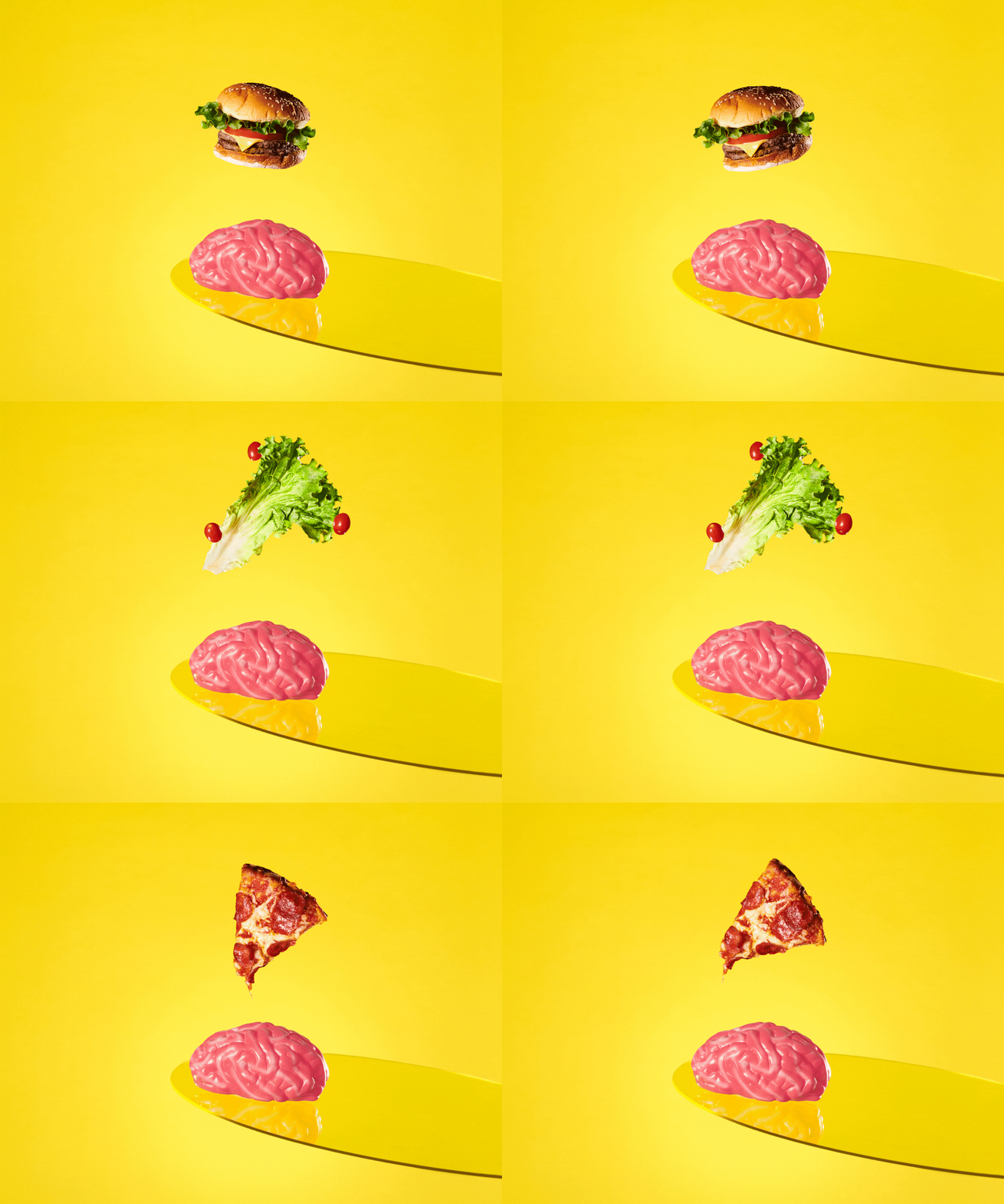
Researchers have discovered distinct neural pathways in the gut-brain network for fat and sugar cravings, revealing that separate circuits in the vagus nerve communicate information about consumed fats and sugars to the brain, triggering dopamine release in the brain’s reward center. Activating both fat and sugar circuits simultaneously leads to an amplified dopamine release and overeating in mice. This discovery provides insights into why high-fat, high-sugar foods are irresistible and why dieting can be challenging, offering potential for developing anti-obesity strategies by targeting these gut-brain reward circuits.
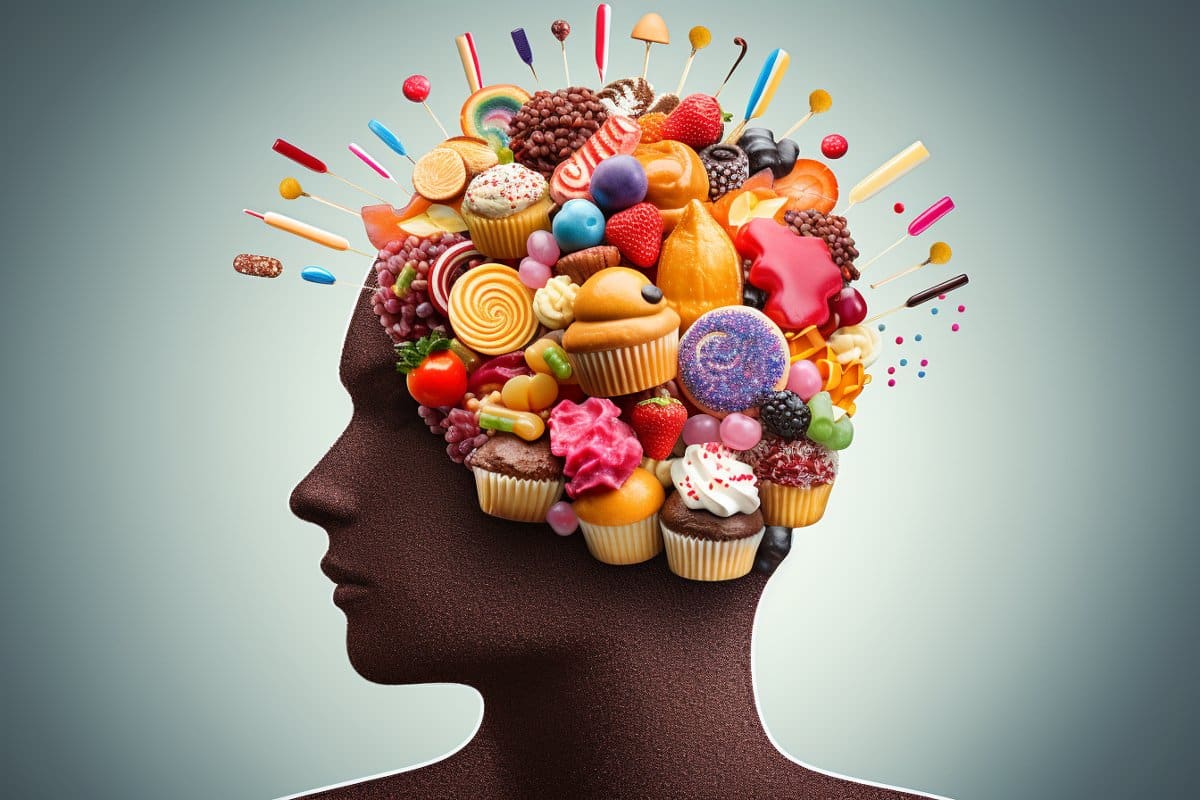
Comfort foods, often high in carbohydrates and sugar, are commonly turned to during times of stress or sadness due to their ability to trigger the brain's pleasure centers and release feel-good hormones like dopamine. These foods provide a short-term mood boost, but their long-term effects on physical and mental health are generally negative. While indulging in comfort foods occasionally is okay, a steady intake is associated with health risks such as heart disease, diabetes, and obesity. It's important to strike a balance and not shame oneself over food choices, but rather focus on course correcting and maintaining a generally healthy diet.
Consuming excessive amounts of sugar can lead to various health complications, including chronic inflammation, increased risk of heart disease and type 2 diabetes, negative effects on the gut microbiome, and dental problems. Signs that you may be eating too much sugar include constant cravings, fluctuating energy levels, dental issues, weight gain, chronic pain, feeling constantly hungry, and high blood pressure. It's important to be mindful of your sugar intake and make informed choices to maintain a balanced and healthy diet.
Certain foods, such as sugary pastries, bagels, croissants, yogurt with high sugar content, salty snacks, alcohol, granola bars low in protein, white rice, white bread, sugar-sweetened cereals, white pasta, and fruit juice, can spike your appetite and make you hungrier due to their high refined carbs, low fiber, and protein content. These foods can mess with your blood sugar levels, leading to insatiable cravings and a lack of satiety. Opt for healthier alternatives with more protein, fiber, and complex carbs to keep you feeling full for longer.
Craving sweet foods after dinner can be attributed to various factors such as nutritional deficiencies, imbalanced diets, stress, and brain chemicals. Diets like keto that limit carbohydrates may lead to cravings for carb-heavy sweets. Deficiencies in vitamins like zinc, iron, calcium, and magnesium can also contribute to dessert cravings. Sensory-specific satiety and the release of feel-good chemicals like serotonin and dopamine further reinforce the desire for sweets. Over time, the brain builds a tolerance, requiring more sugar for the same pleasure response. Stress and emotional distress can also trigger dessert cravings. To beat the urge, experts recommend incorporating a balanced dinner with protein, fiber, and healthy fats, and opting for sweet fruits mixed with Greek yogurt or almond butter as healthier alternatives.