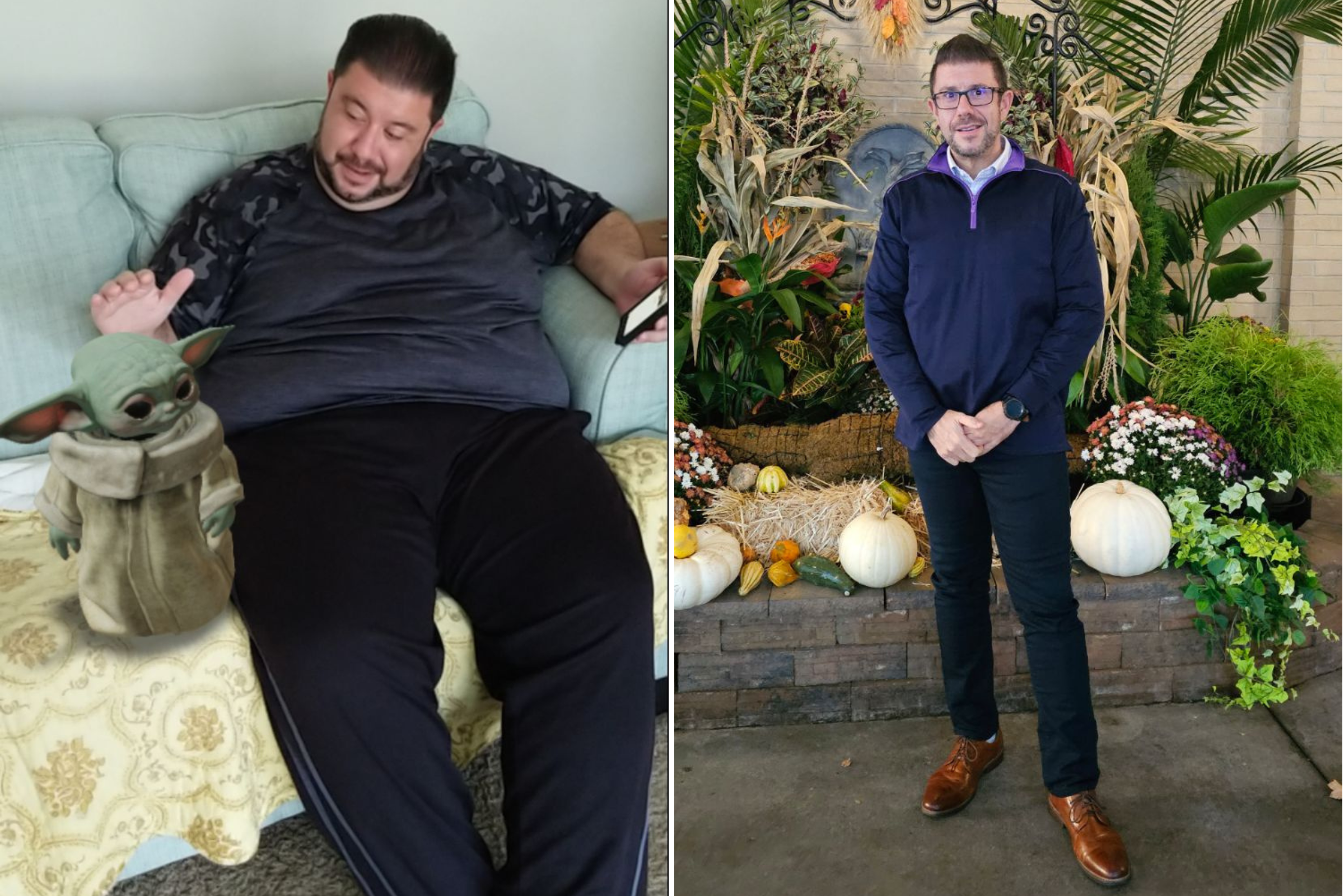
Jelly Roll, a prominent country singer, has lost 275 pounds and opened up about his weight loss journey in Men's Health, highlighting his struggles with food addiction and his dedication to exercise and self-improvement.
Jelly Roll, the singer formerly weighing 550 lbs., has lost nearly 200 lbs. since 2022 through lifestyle changes and overcoming food addiction, arriving in Sydney for his first Australian tour and aiming to be on the cover of Men's Health by 2026.
Research suggests that certain highly processed, sugary foods can affect the brain similarly to addictive substances like nicotine, leading to cravings, withdrawal, and difficulty controlling intake, which supports the idea that food addiction is a real phenomenon. However, treatment approaches are still evolving, especially considering the necessity of food for survival and the complexity of eating disorders.
Al Roker, the Today show host, has opened up about his battle with food addiction and his views on weight loss drugs like Ozempic. Having undergone gastric bypass surgery in 2002, Roker emphasizes the importance of understanding portion control and not judging others' weight loss methods. Promoting his new cookbook, he discusses the challenges of maintaining a healthy relationship with food, especially in the age of social media, and shares personal insights on family and food habits.
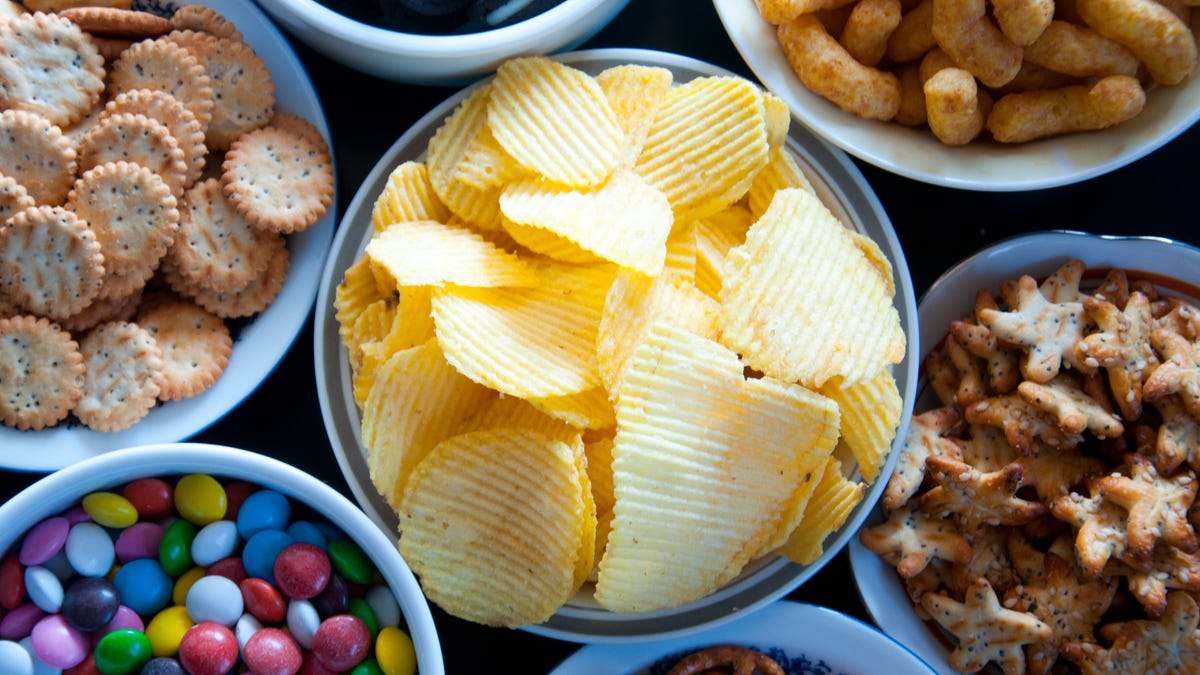
Michael Pollan, known for his investigations into the food industry, admits to a weakness for potato chips but tries not to buy them to curb his cravings. In his new documentary, "Food, Inc. 2," he explores America's addiction to ultra-processed foods and suggests opting for less addictive snacks like nuts, kale chips, seaweed snacks, or roasted chickpeas. Pollan's secret to eating fewer potato chips is to keep mediocre snack foods around, like walnuts, which are nutritious and not as addictive as chips.
Experts are recognizing signs of "ultra-processed food use disorder," characterized by intense cravings, difficulty cutting down consumption, and withdrawal symptoms. Studies suggest that ultra-processed foods can impact mental health, contributing to mood disorders, learning impairments, and cognitive decline. The addictive nature of these foods is linked to their impact on the brain's reward system, similar to addictive drugs. While some argue not all ultra-processed foods are harmful, research indicates a connection between these foods and increased risk of depression, anxiety, and sleep problems.
Instead of focusing on calories or macronutrients, experts suggest considering the level of food processing when making dietary choices. Ultra-processed foods, which make up a significant portion of the American diet, lack fiber, contain high amounts of added sugar, salt, and fat, and have a long list of unrecognizable ingredients on their nutrition labels. Consuming a diet high in ultra-processed foods has been linked to health issues such as diabetes, cancer, and all-cause mortality. These foods also have addictive qualities and can lead to intense cravings, loss of control, withdrawal symptoms, and continued use despite negative consequences. Identifying which foods are most addictive and finding ways to change the modern food environment are ongoing challenges.
Gregory Galanis, a man from North Carolina, lost over 200 pounds in one year without exercise, medication, or surgery. He achieved this remarkable weight loss by battling his food addiction and making significant diet changes. Galanis focused on learning about calorie consumption, metabolic rate, and foods that kept him full longer. He became a pescatarian, cut out alcohol, and cooked vegetables with various spices. Galanis emphasized the importance of daily commitment and using technology to track his progress. He acknowledged that overcoming food addiction is a lifelong challenge but encouraged others to tackle it head-on.
High sugar, fat, and salt foods can contribute to stress, anxiety, and other mental health issues by triggering a dopamine rush in the brain similar to substance use. Psychiatrist Michelle DiBlasi advises individuals to listen to their body cues and eat based on physiological needs rather than emotions. While identifying trigger foods is recommended, complete elimination is discouraged. Instead, individuals should be mindful of their relationship with such foods and practice strategies like mindful eating to make conscious choices for their well-being.
Country music star Wynonna Judd's weight loss journey is a testament to her triumph over food addiction and depression. Judd's battle with obesity, binge-eating, and body dysmorphia led her to seek comfort in food, creating a vicious cycle. Food addiction, similar to drug addiction, triggers the release of feel-good brain chemicals and can lead to eating disorders and weight issues. Overeating comfort food can increase the risk of depression, diabetes, obesity, heart disease, strokes, and gastrointestinal cancers. Judd used brain state conditioning and banished unhealthy foods from her house to overcome her addiction. Other strategies include regulating hunger hormones, water therapy, physical activity, and maintaining a diary.
A new study published in the British Medical Journal suggests that ultra-processed foods (UPFs) such as ice cream, chips, and candy can be just as addictive as cigarettes or heroin. The combination of refined carbohydrates and fats in UPFs has a supra-additive effect on brain reward systems, increasing their addictive potential. Using the same guidelines for measuring substance abuse, the study found that 14% of adults and 12% of children were addicted to UPFs. These foods have been linked to various health issues, including an increased risk of diabetes, cardiovascular disease, cancer, and depression. While food addiction is not classified as a mental illness, acknowledging the addictive properties of certain processed foods may help improve global health.
A new analysis of 281 studies across 36 countries has found that ultra-processed foods (UPFs) are as addictive as nicotine, cocaine, or heroin, with 14% of adults being hooked on these foods. UPFs, such as sausage, ice cream, biscuits, soft drinks, and sugary cereals, have been linked to cognitive decline, cancer, psychological distress, and early death. The combination of refined carbohydrates and fats in UPFs seems to have a supra-additive effect on brain reward systems, increasing their addictive potential. While the exact reasons for the addictive qualities of UPFs remain unclear, the disproportionate levels of both carbohydrates and fats in these foods may play a role. Health-conscious scientists are calling for tobacco-style advisories on UPFs, but moderation and minimizing intake are recommended to reduce the risks associated with these addictive foods.
About 1 in 8 Americans over 50 struggle with an unhealthy relationship with highly processed food that goes well beyond the occasional binge or midnight snack, according to a recent poll. Known as food addiction, the condition isn't limited to older adults. The symptoms resemble typical signs of addiction: intense cravings, inability to cut down on highly processed foods despite negative consequences, signs of withdrawal, and loss of control over intake. Despite its apparent prevalence, food addiction hasn't been officially recognized as a real addiction, disorder or diagnosis in the American Psychiatric Association's Diagnostic and Statistical Manual of Mental Disorders.
Food addiction, characterized by intense cravings, inability to cut down on highly processed foods, signs of withdrawal, and loss of control over intake, affects about 1 in 8 Americans over 50, according to a recent poll. Despite its prevalence, food addiction hasn’t been officially recognized as a real addiction, disorder or diagnosis in the American Psychiatric Association’s Diagnostic and Statistical Manual of Mental Disorders. The underlying neurology of food addiction and binge eating disorder aren’t the same, and the type of treatment that would be offered for food addiction would be very different.
About 1 in 8 Americans over 50 struggle with food addiction, an unhealthy relationship with highly processed food that goes beyond occasional binges, according to a recent poll. The symptoms resemble typical signs of addiction: intense cravings, inability to cut down on junk food despite negative consequences, signs of withdrawal, and loss of control over intake. Food addiction hasn’t been officially recognized as a real addiction, disorder or diagnosis, but some medical professionals and nutritionists have come to acknowledge the condition and the need to address it. Recovery could be difficult because in the US, the food system “is essentially setting us up for failure,” but it’s possible to get help and navigate this food environment in a way that people can be happy and healthy.