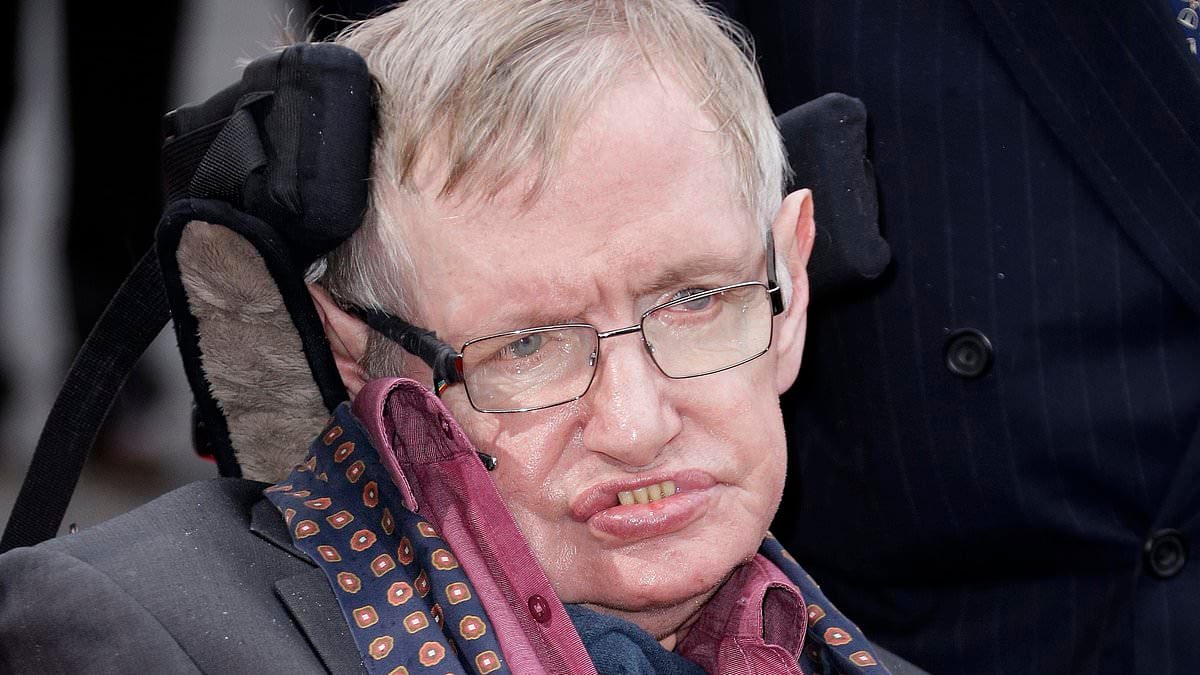
Cambridge University Library is working to rescue valuable historical data stored on old floppy disks, including materials from Stephen Hawking, amid concerns that digital data from the past 50 years could be lost due to degradation and obsolete technology, risking a 'digital dark age.'
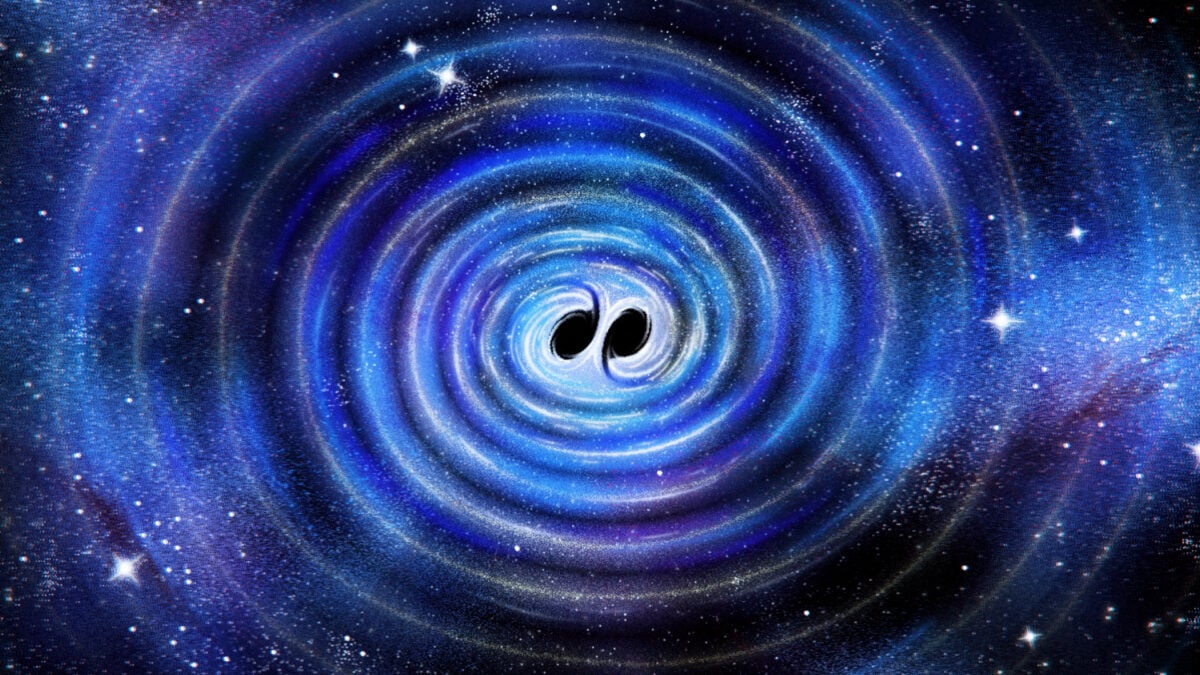
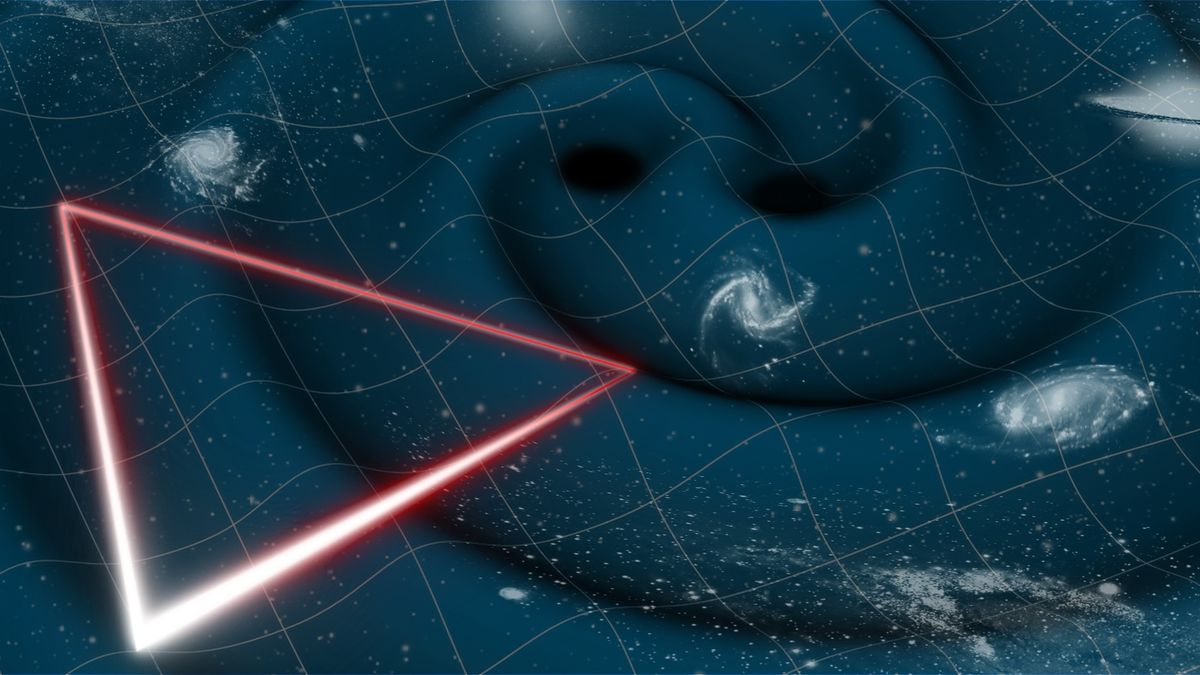
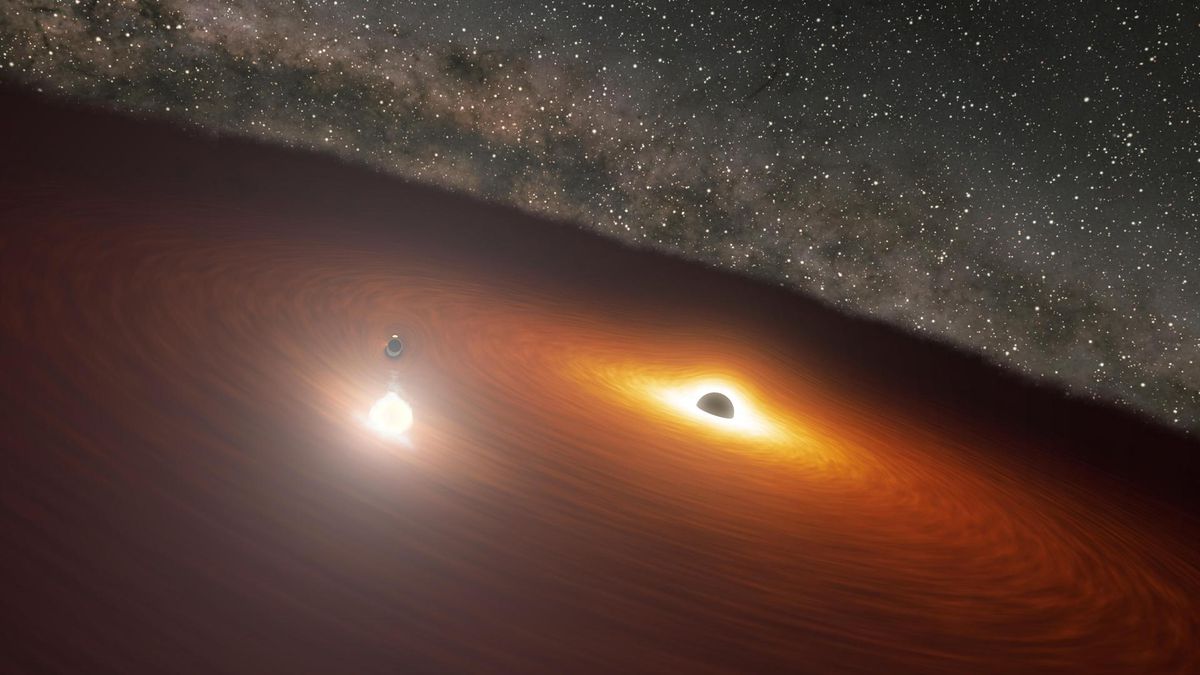
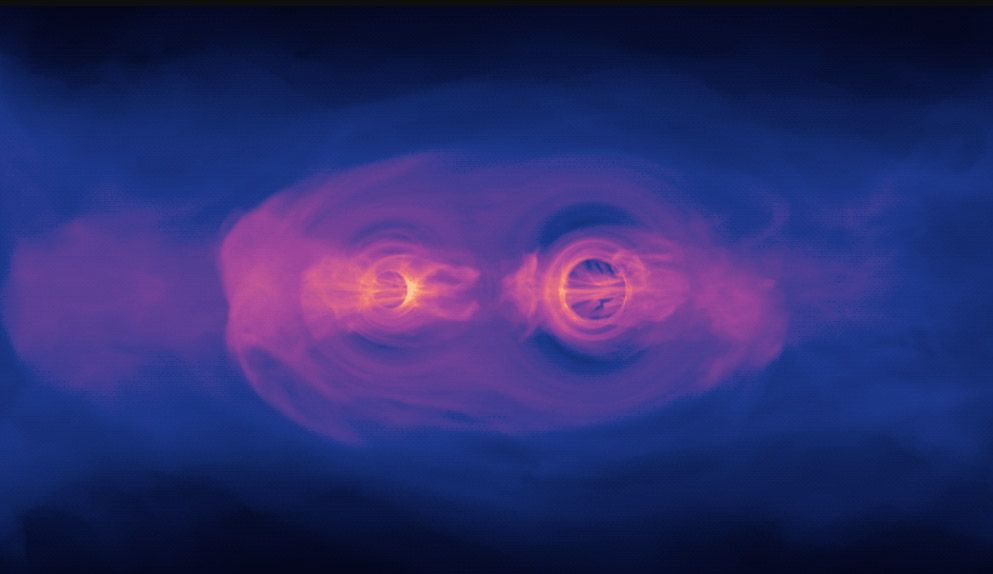
LIGO's latest detection of a gravitational wave from a black hole merger confirms key predictions by Stephen Hawking, including the size and description of black holes using mass and spin, marking a significant milestone in astrophysics and the study of strong-field general relativity.
Most cosmologists agree the universe had a beginning, but the details remain mysterious. Stephen Hawking and Thomas Hertog proposed that physical laws evolved with the universe, rejecting multiverse theories and suggesting a natural selection-like process for the universe's properties, emphasizing the role of observers and the limits of scientific knowledge about the universe's origin.
Stephen Hawking's 1995 predictions for 2025 about technology, space exploration, and AI largely hit the mark, with accurate forecasts on global internet, AI integration, and private space ventures, though some, like asteroid mining and microchip implants, remain unfulfilled or in development. His foresight highlights the unpredictable nature of technological progress and his enduring legacy as a visionary thinker.
A new study suggests a potential solution to the black hole information paradox, a problem that has puzzled scientists since Stephen Hawking's discovery of Hawking radiation. The research proposes that black holes may leak information through nonviolent nonlocality, where quantum connections between the inside and outside of a black hole create subtle signatures in gravitational waves. While current detectors lack the sensitivity to confirm this hypothesis, future instruments might be able to test it, potentially resolving the paradox.
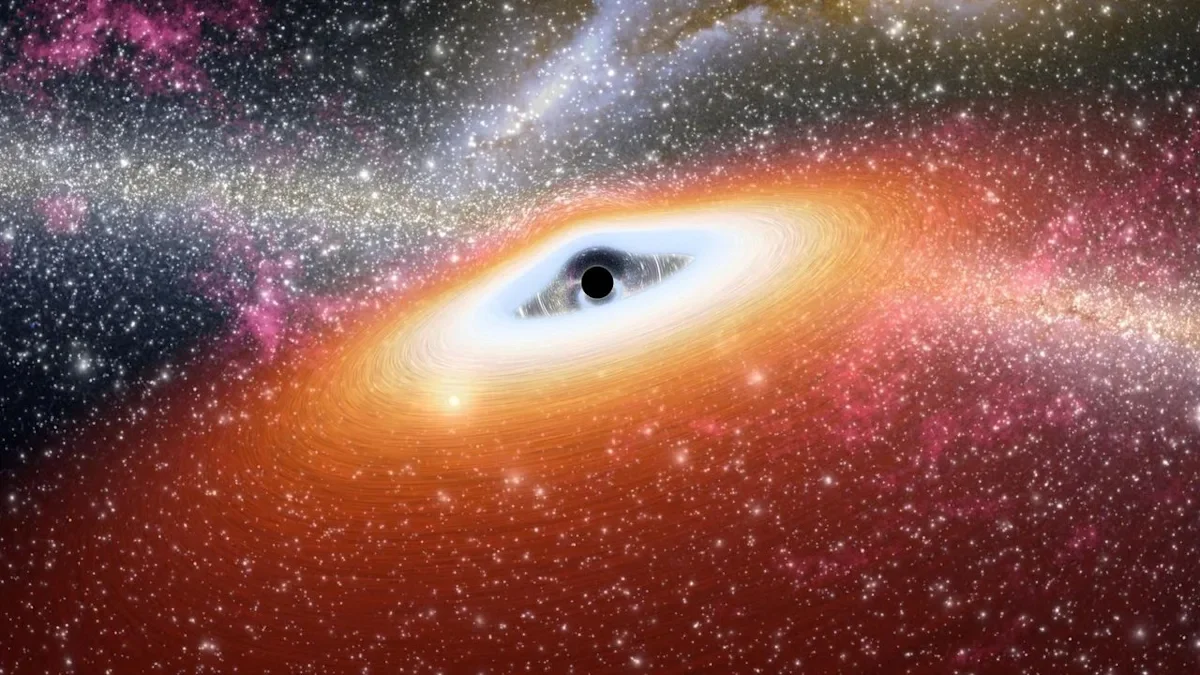
Astronomers have been puzzled by the existence of supermassive black holes in the early universe, as observed by the James Webb Space Telescope. A new hypothesis suggests these black holes may have originated as primordial 'seeds' formed directly from matter and energy fluctuations shortly after the Big Bang, rather than from the collapse of stars. This idea, initially proposed by Stephen Hawking, posits that even a small fraction of these primordial black holes could have grown rapidly in dense matter regions, reaching supermassive sizes alongside the first stars and galaxies. Researchers aim to test this hypothesis through simulations to better understand early cosmic development.
NASA has echoed Stephen Hawking's 2016 prediction about potential global threats leading to Earth's demise, including nuclear war, global warming, and genetically-engineered viruses. While NASA cannot confirm Hawking's suggested timeline of 2600, they share concerns about human-caused global warming, which is already having irreversible effects. Both Hawking and NASA emphasize the importance of recognizing and controlling these dangers, with NASA highlighting the potential to mitigate severe climate change impacts through reduced emissions.
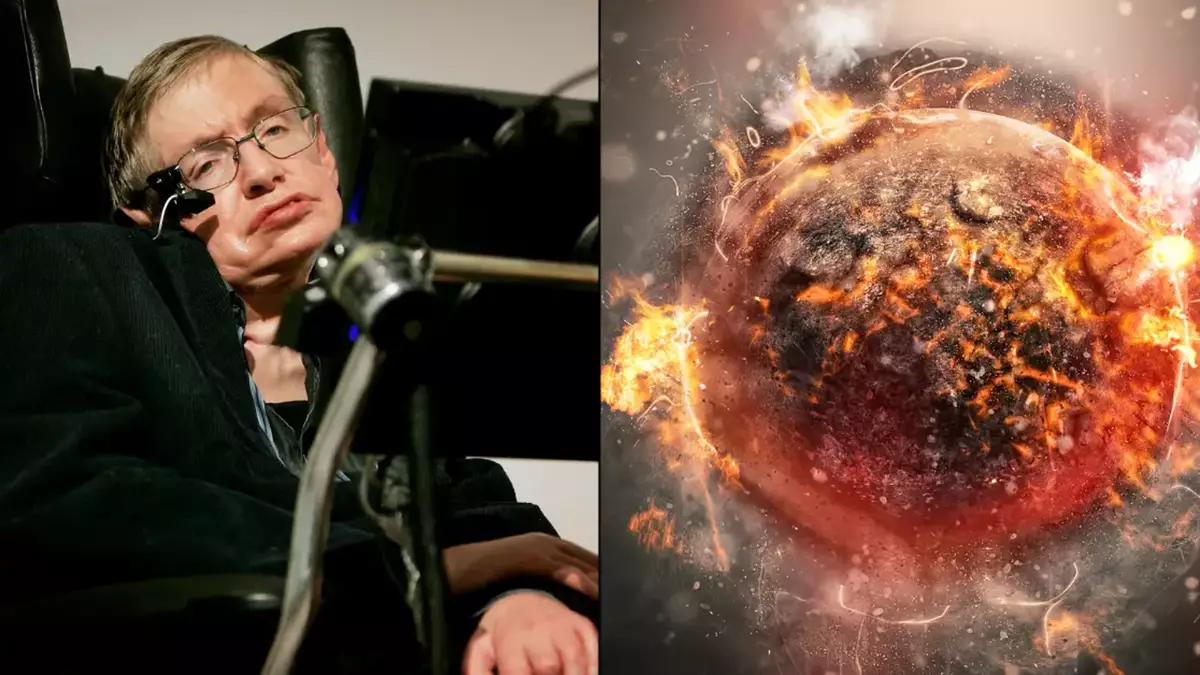
Stephen Hawking predicted that if current trends in population growth and energy consumption continue, Earth could become uninhabitable by 2600, turning into a 'giant ball of fire.' He highlighted global warming, climate change, nuclear war, artificial intelligence, and pandemics as existential threats. Although NASA has not confirmed Hawking's specific claims, they acknowledge the importance of studying global threats. Hawking emphasized the need for change to prevent these dire outcomes.
Scientists may be close to proving Stephen Hawking's theory that black holes emit thermal radiation, known as Hawking radiation. Researchers propose that tiny black holes, formed during the collision of larger black holes, could evaporate and explode in a detectable manner, providing evidence for Hawking's hypothesis. These "morsel" black holes, or "Bocconcini di Buchi Neri," could emit high-energy gamma-ray bursts, offering a unique signature for their existence. The team plans further research to confirm these findings and validate Hawking radiation.
Scientists may be close to proving Stephen Hawking's theory that black holes emit thermal radiation, known as Hawking radiation. Researchers propose that tiny black holes, formed during the merger of larger black holes, could evaporate and explode in a detectable manner, providing evidence for Hawking's hypothesis. These "morsel" black holes, or "Bocconcini di Buchi Neri," could emit high-energy gamma-ray bursts, offering a unique signature to confirm their existence and validate Hawking radiation.
Storing chemicals, such as gasoline, weed killer, pesticides, paint, and woodworking supplies, in a garage connected to the home may be linked to an increased risk of developing amyotrophic lateral sclerosis (ALS), a muscle-wasting condition. A study by the University of Michigan found that the more chemicals stored in the garage, the higher the risk of ALS. Gasoline, kerosene, gasoline-powered equipment, and lawn care products were identified as top risk factors. ALS, also known as motor neuron disease, has no known cause and affects thousands of people in the US and UK. The study suggests that the flow of air and airborne pollutants from attached garages to living spaces may contribute to the increased risk.
Physicist Leonard Susskind discusses the "Black Hole War" with Stephen Hawking over the information loss paradox, where Hawking radiation seems to contradict general relativity by allowing particles to escape black holes. Susskind's concept of complementarity and the holographic principle led to the resolution of the paradox, suggesting that all information falling into a black hole is encoded on its surface, leading to Hawking's concession. This idea extends to the entire universe, implying that the world is a hologram.
Stephen Hawking's iconic computer-generated voice, used for the last three decades of his life, was a reproduction of the real-life voice of pioneering scientist Dennis Klatt, who developed state-of-the-art computer systems for speech synthesis. Klatt's speech synthesizers, including the popular Perfect Paul, marked a turning point in speech synthesis by using a mathematical model to represent the human vocal tract and produce highly intelligible speech. This approach revolutionized speech synthesis technology and laid the foundation for modern AI-driven speech systems like Siri and Alexa.
Before his death, physicist Stephen Hawking issued a chilling warning about the potential dangers of artificial intelligence, cautioning that the development of full AI could lead to the end of the human race. He foresaw a future where AI surpasses human intelligence, potentially resulting in machines that exceed human capabilities by a significant margin. Hawking, along with other experts, expressed concerns about unmonitored AI development and emphasized the need for caution in harnessing this technology.
Before his death, physicist Stephen Hawking issued a chilling warning about the potential dangers of artificial intelligence, cautioning that the development of full AI could lead to the end of the human race. He foresaw a scenario where AI surpasses human intelligence, leading to humans being superseded. Hawking, along with other experts, expressed concerns about unmonitored AI development and the possibility of AI replacing humans altogether. In his posthumously released book, he elaborated on the threat, emphasizing the need to take the potential of highly intelligent machines seriously.