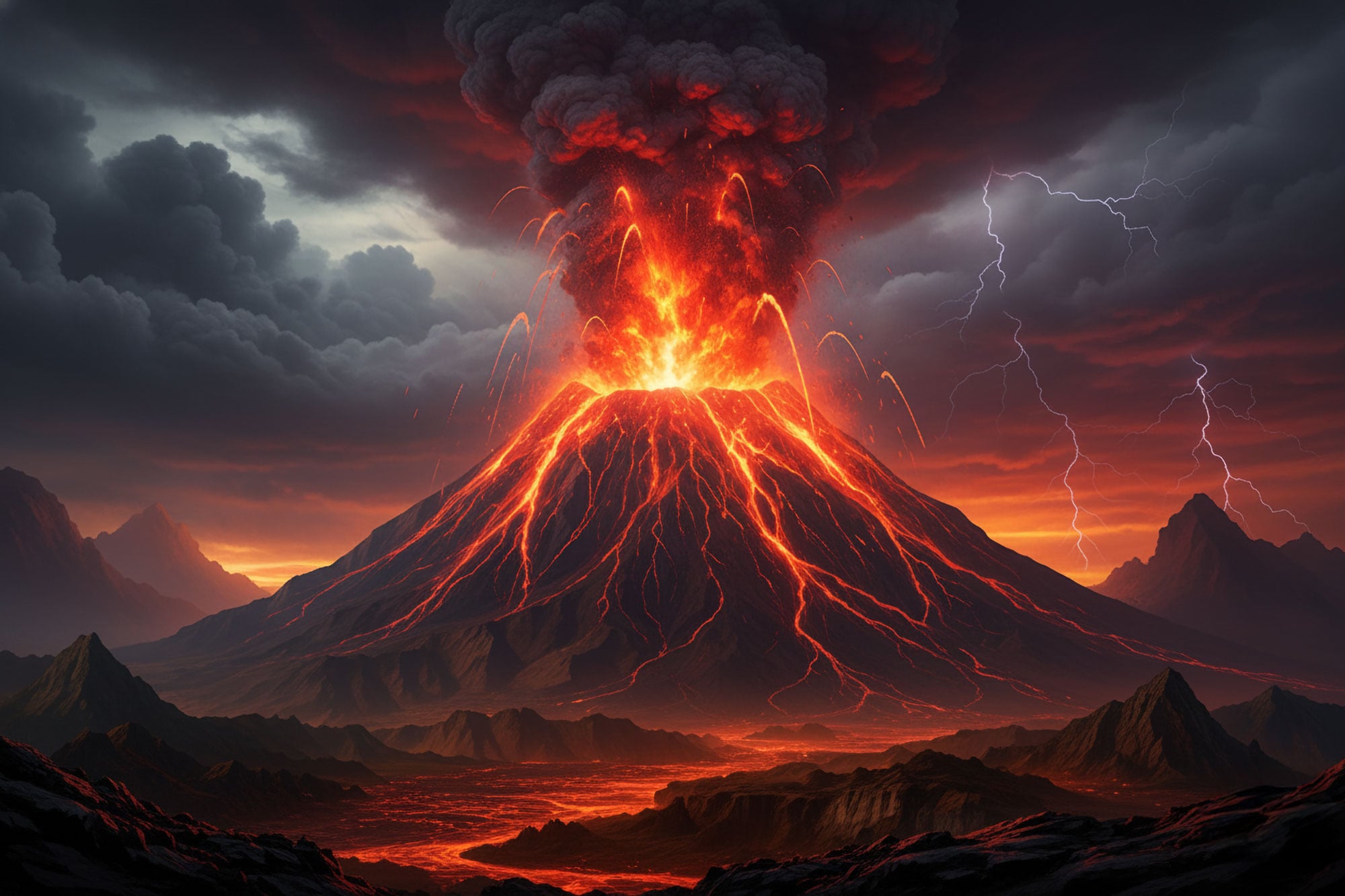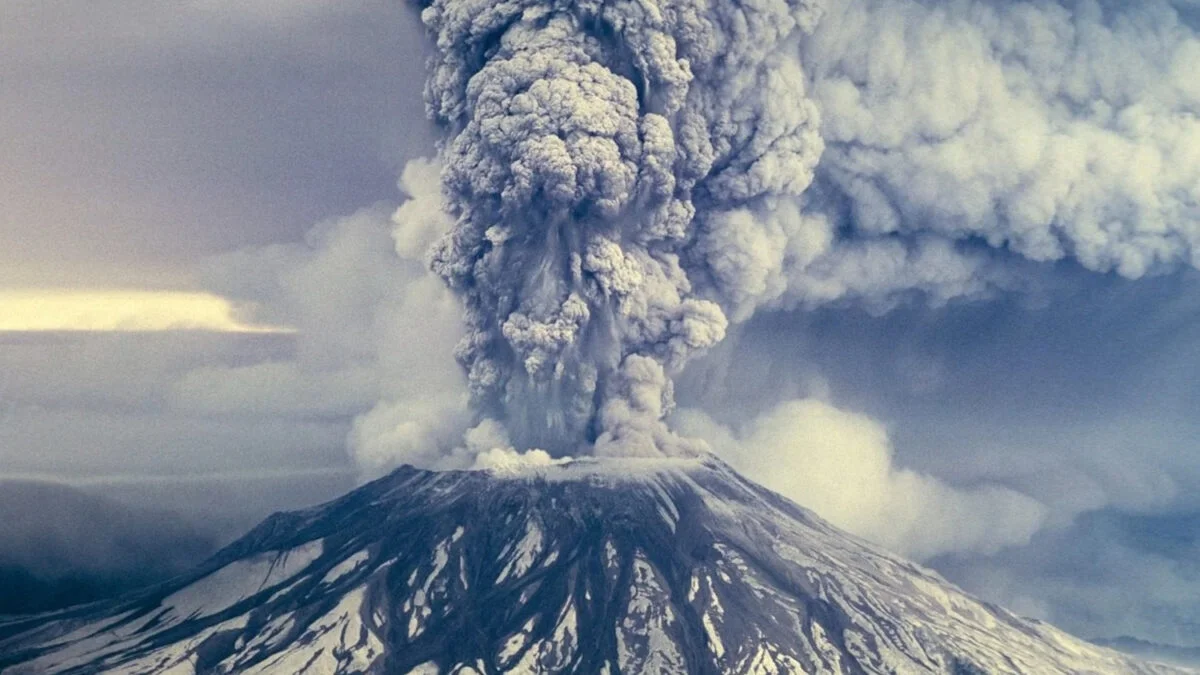
Despite the catastrophic Toba supereruption 74,000 years ago, humans survived and even thrived, as archaeological evidence shows adaptive behaviors and technological innovations post-eruption, challenging earlier theories that it caused a severe population bottleneck.
The article discusses the 74,000-year-old Toba supereruption in Indonesia, its global impact, and how archaeological evidence shows that humans survived and adapted to the catastrophic event, challenging earlier theories that it caused a severe population bottleneck.
Despite the massive Toba supereruption 74,000 years ago, evidence from archaeological sites shows that humans not only survived but also adapted and thrived afterward, challenging the idea that the eruption caused a severe population bottleneck. The study of volcanic ash layers and archaeological remains reveals human resilience and behavioral flexibility in the face of catastrophic events, offering insights into our capacity to adapt to future disasters.
The 74,000-year-old Toba supereruption was a massive volcanic event that affected the entire planet, but archaeological evidence shows that humans survived and adapted through technological innovations and behavioral changes, challenging earlier theories that it caused a severe population bottleneck.
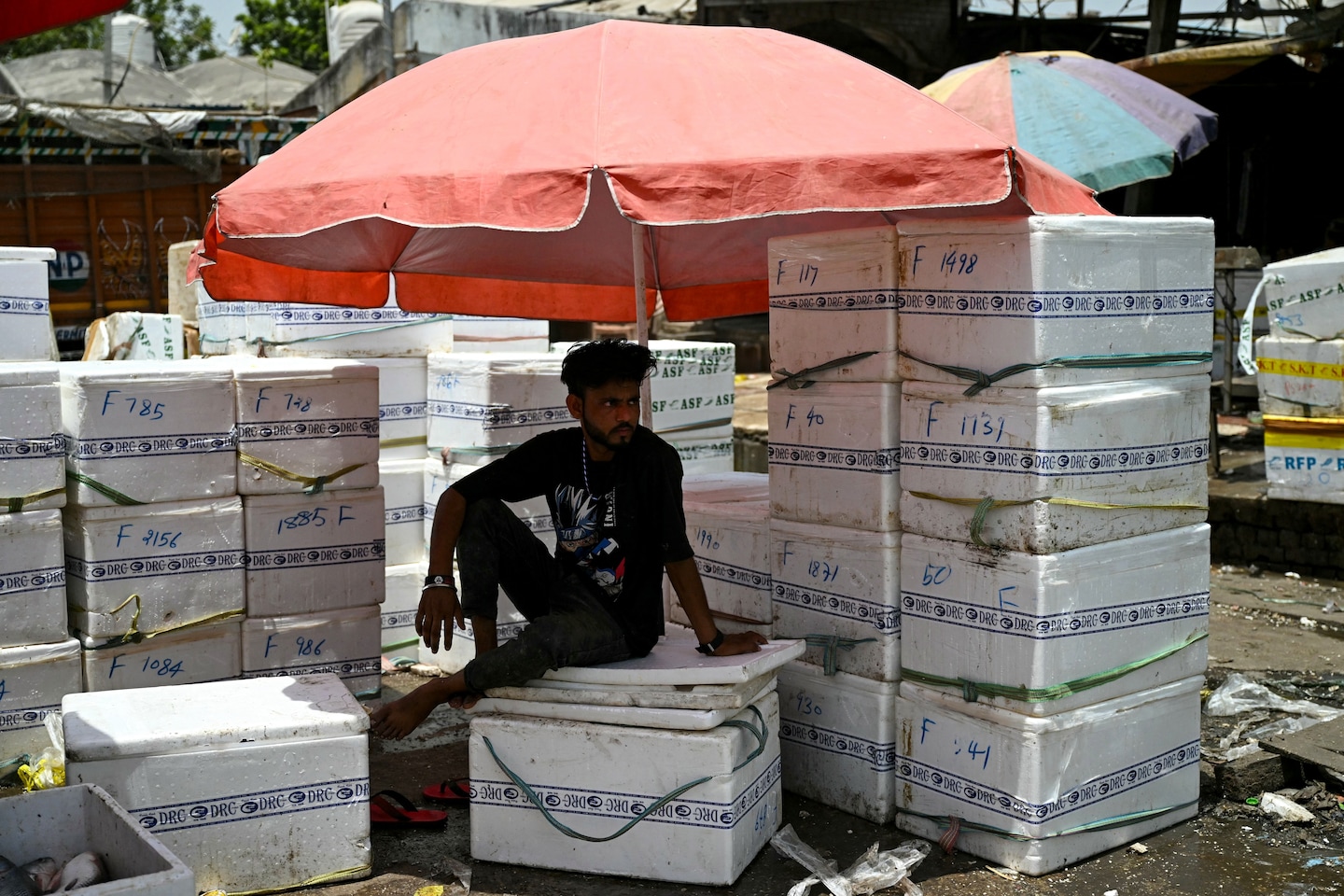
Delhi is experiencing record-breaking heat, with temperatures nearing 50 degrees Celsius, causing school closures, endangering outdoor workers, and stressing water supplies. The extreme heat is part of a broader heat wave across Southeast Asia, exacerbated by climate change. The wet-bulb globe temperature, which measures heat stress on the human body, has reached dangerous levels, making outdoor work unbearable and leading to increased heat-related health issues. Temporary relief from thunderstorms is expected, but the heat wave highlights the severe impact of global warming.
Royal Astronomer Lord Rees of Ludlow criticizes Elon Musk's plan to colonize Mars, calling it a "dangerous illusion" and emphasizing the impracticality and risks involved. He argues that human space exploration should be privately funded, with public funding directed towards less risky robotic exploration. Lord Rees highlights the challenges of Mars colonization, including the lack of a breathable atmosphere, protective magnetosphere, and the difficulties of transporting resources. He suggests that addressing Earth's problems should take precedence over ambitious Mars colonization plans.
Recent studies and NASA research provide evidence that even in the event of a super-eruption from a supervolcano, humanity would not face global catastrophe. A new study in Ethiopia shows that early humans survived and adapted after the Toba supervolcano eruption 74,000 years ago, suggesting that such events wouldn't wipe out humanity. Additionally, NASA research indicates that the cooling effect from a super-eruption would be temporary and moderate, rather than causing a deep, cold volcanic winter. The evidence suggests that supervolcanoes are unlikely to pose a significant threat to humanity.
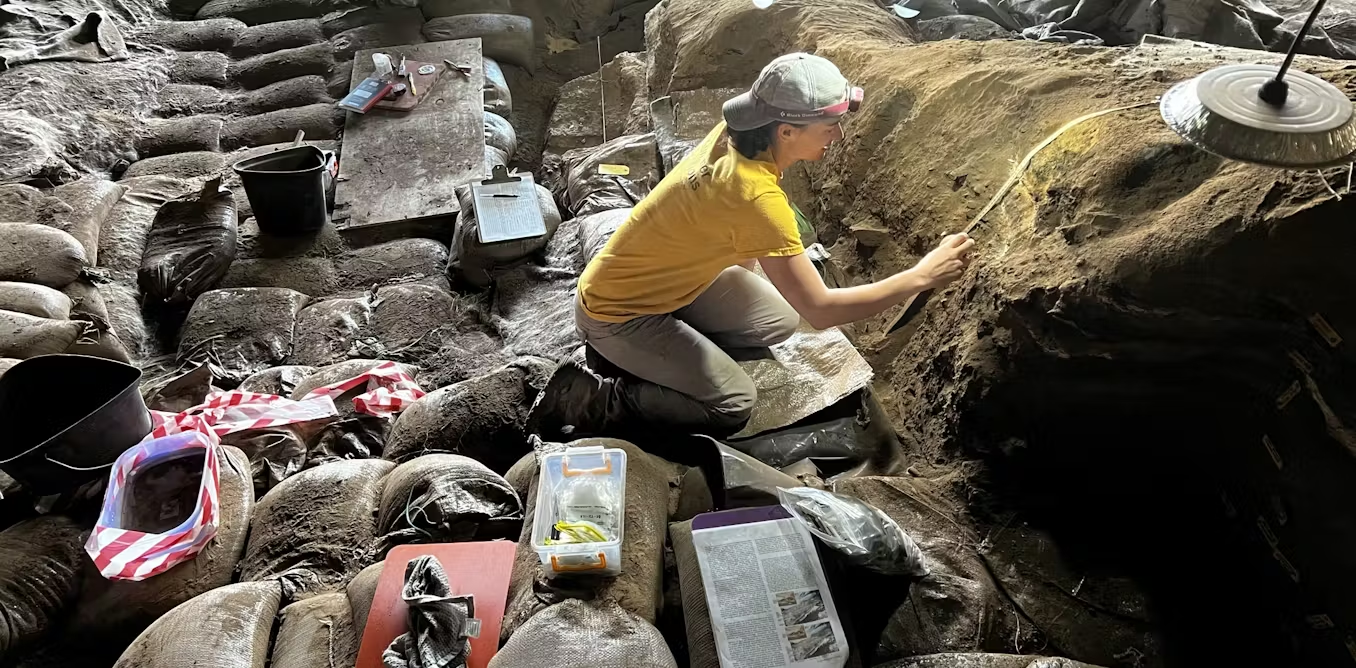
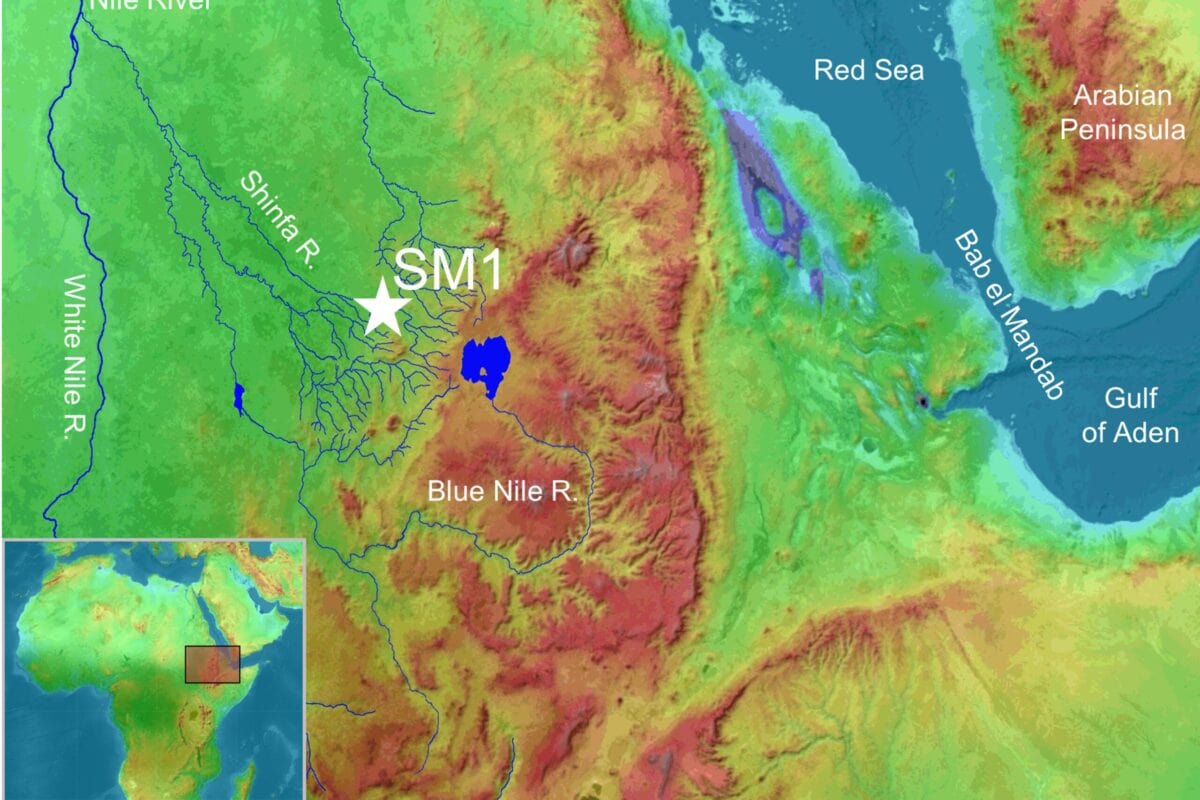
Researchers in Ethiopia have discovered evidence at the Shinfa-Metema 1 site showing that a human population survived the Toba supervolcano eruption 74,000 years ago. The findings suggest that humans may have dispersed during arid intervals along "blue highways" created by seasonal rivers, challenging previous hypotheses about human migration. The discovery of stone tools also indicates the oldest evidence of archery. The study's implications include the ability to correlate archaeological sites across Africa with a time resolution of weeks, shedding new light on the impact of the Toba eruption on early human populations.
A recent study published in the Philosophical Transactions of the Royal Society B has identified 14 potential evolutionary traps that could lead to the extinction of humanity. These traps include growth for the sake of growth, overshoot, contagion, infrastructure lock-in, and social capital loss. Many of these traps are already in an advanced state and require urgent action. The study highlights the need for humanity to become aware of these traps and collectively work towards designing a sustainable future.
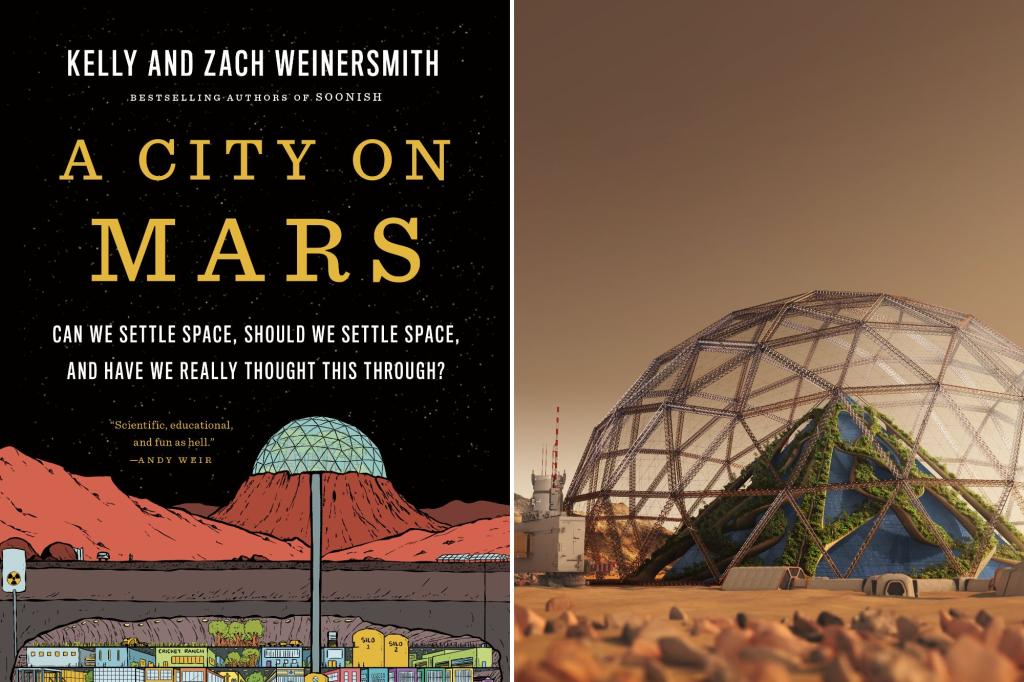
In their new book, "A City on Mars: Can We Settle Space, Should We Settle Space, and Have We Really Thought This Through?", authors Kelly and Zach Weinersmith debunk the myths surrounding the idea of colonizing Mars. They highlight the lack of knowledge about the long-term effects of space on the human body, the challenges of transporting food and supplies, the potential for territorial conflicts, and the inhospitable conditions on Mars. While they acknowledge the potential of Mars as a second home for humanity, they argue for a cautious and long-term approach, waiting for significant advancements in science, technology, and international law before sending large numbers of settlers.
New research suggests that as the Earth warms, certain regions could become "unlivable" due to extreme heat and humidity. Lahore, Pakistan, and Al Hudaydah, Yemen, are projected to experience oppressive conditions for weeks or even months each year. The study highlights the limit to how much heat and humidity the human body can withstand, which is lower than previously thought. Exposure to such conditions is expected to increase dramatically in the coming decades. The research emphasizes the need to limit global warming to prevent mass casualties and underscores the disproportionate impact of climate change on underdeveloped regions.
Generation ships in science fiction face numerous challenges that can lead to their failure. These challenges include civil disorder, cultural amnesia, inbreeding, lightspeed leapfrog, and mission drift. Stories of mutinies, civil wars, and conflicts over limited resources are common in generation ship narratives. Additionally, the isolation and passage of time can result in communities forgetting their history and purpose. Inbreeding due to small gene pools can hinder the survival of passengers upon reaching their destination. Furthermore, advancements in propulsion technology may render the long journeys of generation ships obsolete. Lastly, the cultural transformation that occurs during interstellar travel can lead to divisions and differing goals among the ship's inhabitants.
Elon Musk, the visionary entrepreneur behind SpaceX and Tesla, has expressed his desire to die on Mars, but not on impact, reflecting his determination to push the boundaries of human exploration and make life multi-planetary. Musk's commitment to the colonization of Mars led to the creation of SpaceX, which aims to establish a self-sustaining colony on the Red Planet. To achieve this, SpaceX is developing the Starship spacecraft, capable of carrying passengers and cargo to Mars. Musk envisions sending the first humans to Mars in the 2020s and ultimately creating a self-sustaining civilization on the planet. However, his vision has faced skepticism and criticism, with concerns about the challenges of Mars colonization and the prioritization of space exploration over pressing issues on Earth. Nonetheless, Musk's ambition and determination have already made a profound impact on space exploration.
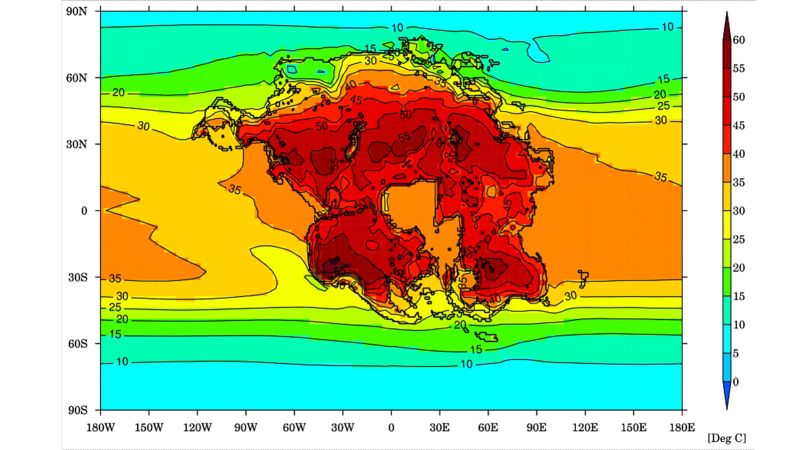
Scientists from the University of Bristol have predicted that the formation of a new "supercontinent," Pangea Ultima, in approximately 250 million years could lead to extreme heat, making Earth virtually uninhabitable for humans and mammals. The merging of continents would intensify climate extremes, resulting in high temperatures, volcanic eruptions, increased carbon dioxide levels, and a brighter sun. The combination of these factors would create an environment without food or water sources for mammals, leading to their extinction. While uncertainties exist in long-term predictions, the researchers emphasize the importance of addressing the current climate crisis and reducing greenhouse gas emissions to avoid catastrophic changes in the future.
Scientists have determined that the maximum mix of heat and humidity a human body can survive is around 35 degrees Celsius (95 Fahrenheit) with 100 percent humidity, known as the "wet bulb temperature." At this point, sweat no longer evaporates off the skin, leading to heatstroke and organ failure. While this limit has been breached only a few times, extreme heat at lower levels can still be deadly. As global temperatures rise, dangerous wet bulb events are expected to become more common. Vulnerable populations, such as children, the elderly, and outdoor workers, are at higher risk. Climate change is a significant factor in the increase of wet bulb temperatures.