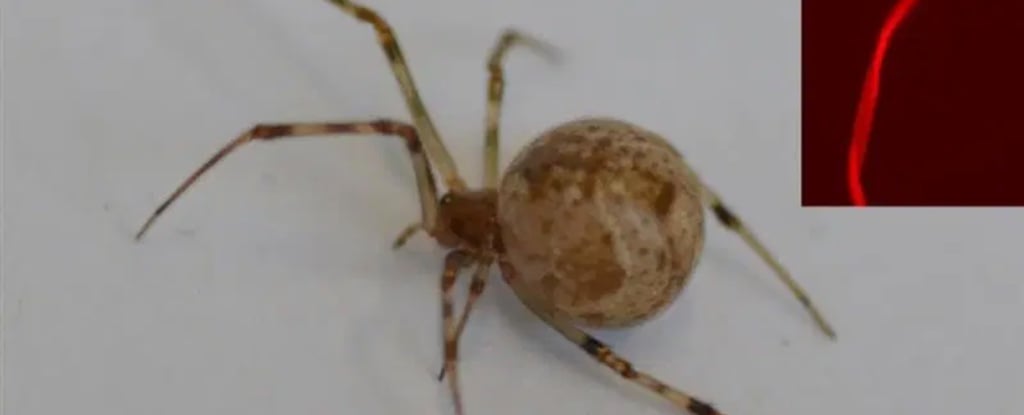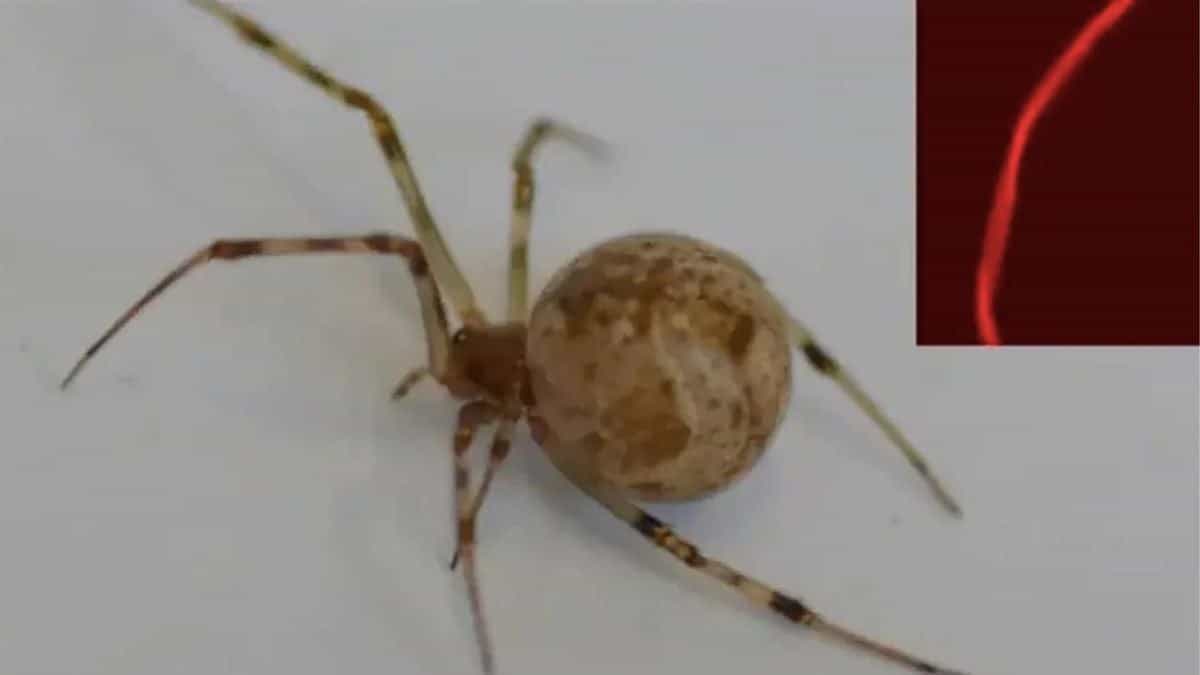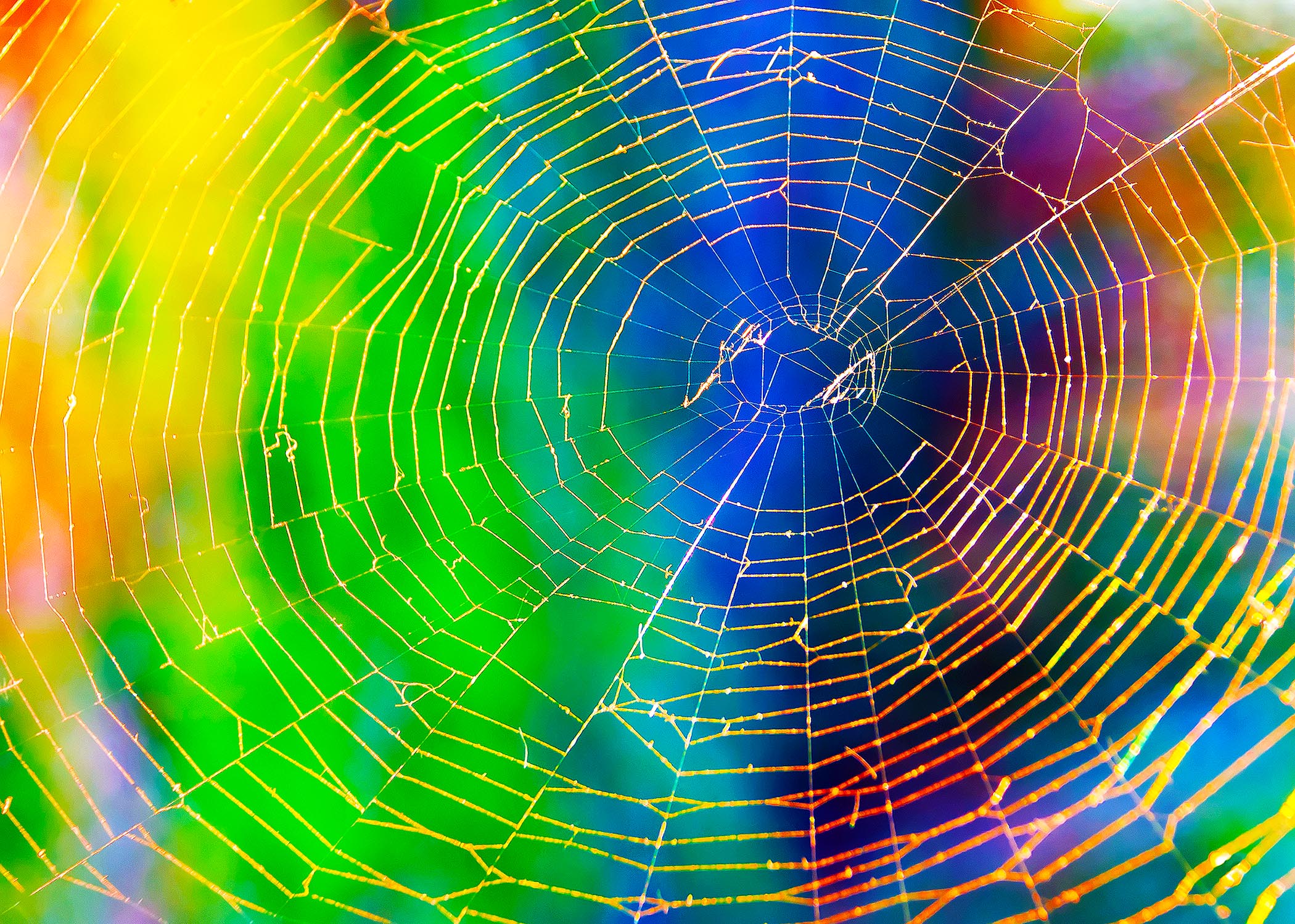
Scientists used CRISPR to modify house spiders to produce bright-red fluorescent silk, opening possibilities for new supermaterials with applications ranging from body armor to lightweight footwear, while also exploring gene functions related to spider eye development.
Researchers in Germany used CRISPR-Cas9 to genetically modify house spiders, creating the first instance of spiders producing fluorescent red silk, demonstrating potential for advanced materials science applications.
Researchers in Germany have successfully used CRISPR-Cas9 to create the world's first genetically modified spider that produces fluorescent red silk, opening new possibilities for advanced materials and biomedical applications, despite the challenges of working with arachnids.
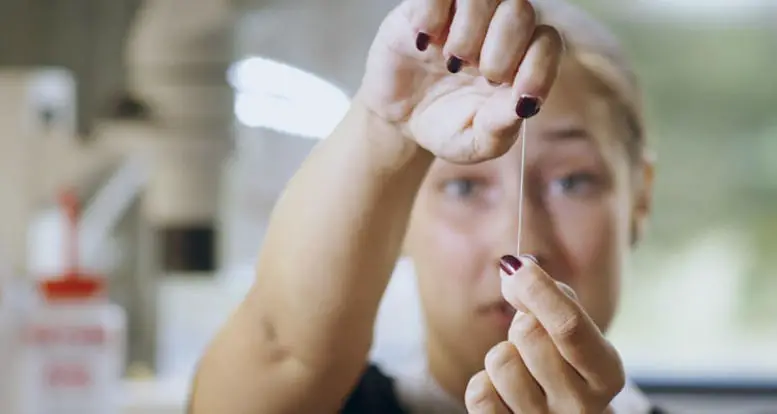
Researchers at Rensselaer Polytechnic Institute have engineered bacteria that can convert polyethylene plastic into a biodegradable spider silk with various applications, such as textiles, cosmetics, and medicine. The bacteria, Pseudomonas aeruginosa, naturally consume polyethylene as a food source and were engineered to produce a high-value protein product resembling spider silk. This innovation could help "upcycle" plastic waste and contribute to a future with renewable resources and reduced plastic pollution.
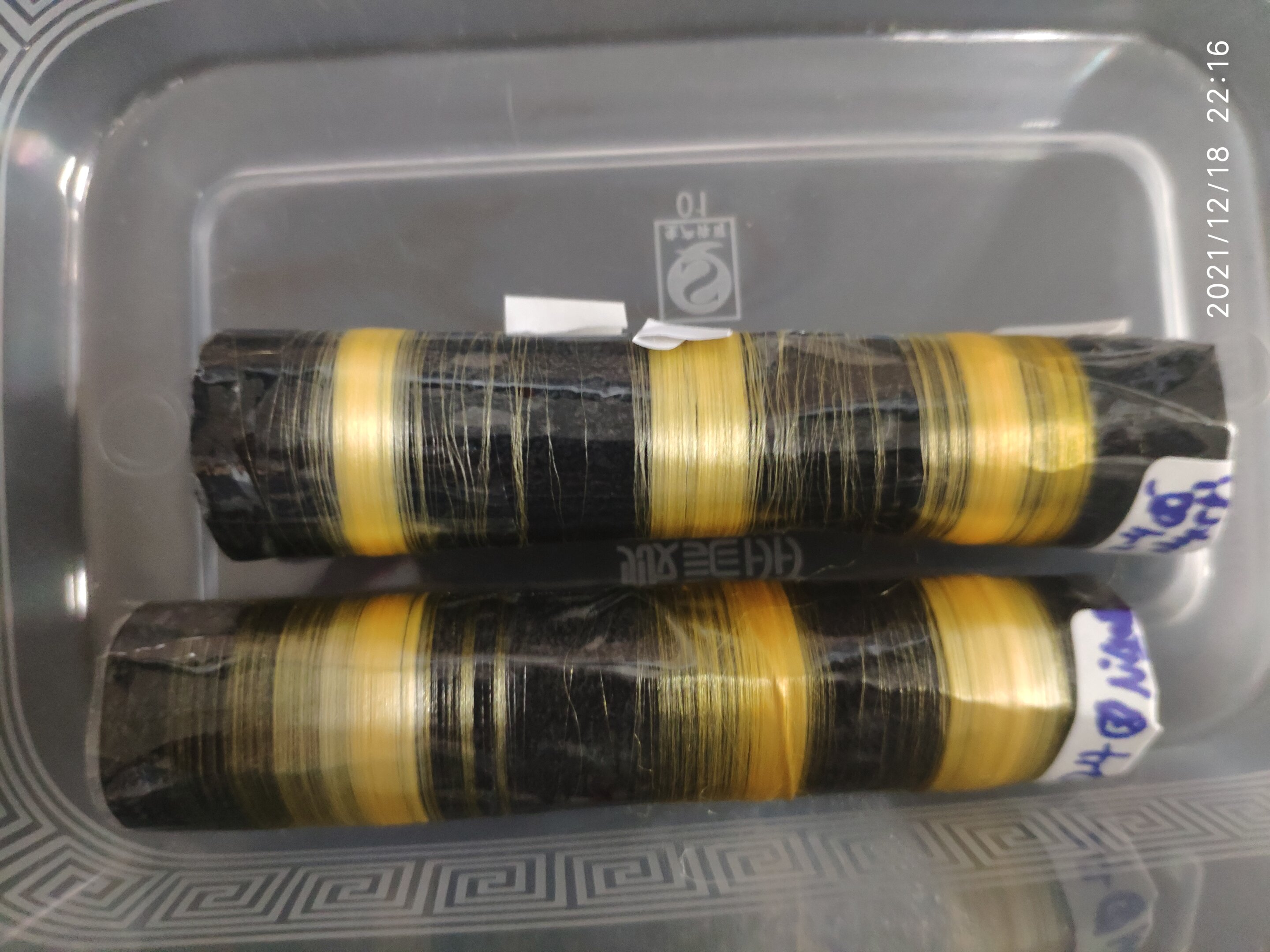
Chinese scientists have successfully synthesized spider silk from genetically modified silkworms, producing fibers six times tougher than Kevlar. This breakthrough study offers a sustainable alternative to synthetic fibers and has implications in various industries, including surgical sutures, military applications, aerospace technology, and biomedical engineering. The researchers used CRISPR-Cas9 gene editing technology and microinjections to introduce spider silk protein genes into silkworms, overcoming challenges in the process. The study paves the way for large-scale commercialization of spider silk fibers.
Scientists in China have successfully synthesized spider silk from genetically modified silkworms, producing fibers that are six times tougher than Kevlar. This breakthrough offers a green alternative to synthetic fibers like nylon and has potential applications in various industries, including textiles, military, aerospace, and biomedical engineering. The use of genetically modified silkworms allows for the production of spider silk fibers on a large scale, utilizing the well-established rearing techniques of silkworms. This development addresses the need for sustainable materials and could lead to the commercialization of spider silk as a strategic resource.
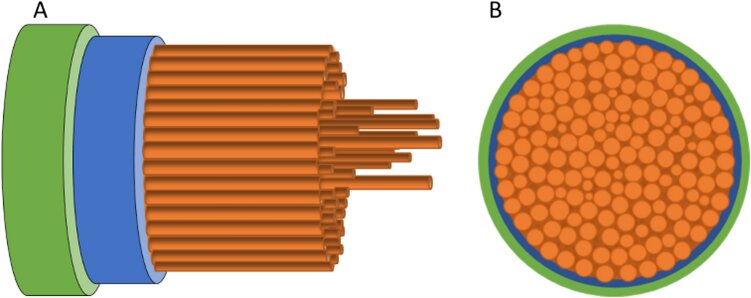
Scientists at the University of Southern Denmark have made progress in understanding the structure of spider silk, which is stronger than steel and tougher than Kevlar. Using advanced microscopy techniques, they discovered that spider silk consists of two outer layers of lipids and tightly packed fibrils inside the fiber. The findings suggest that there is no need to twist the fibrils when attempting to create synthetic spider silk. Understanding the structure of spider silk could lead to the development of lightweight and flexible materials that could replace Kevlar, polyester, and carbon fiber in various industries.
Biophysicists at MIT have made a breakthrough in their investigation of spider silk, discovering that the fibers consist of at least two outer lipid layers and tightly packed fibrils in a linear arrangement. The researchers used advanced microscopy techniques to examine the silk without damaging it. Spider silk is renowned for its strength, resilience, and elasticity, and if scientists can crack the code to synthetic spider silk, it could revolutionize industries from bulletproof vests to construction materials.
Researchers have used advanced microscopy techniques to study the internal parts of spider silk without cutting or opening the silk in any way. The spider's silk fiber consists of at least two outer layers of lipids, behind which there are numerous fibrils running in a straight, tightly packed side-by-side arrangement. The fibrils have a diameter ranging between 100 and 150 nanometers and are made up of proteins. Understanding how spiders create such strong fibers is important, but the fibers are also challenging to produce. Researchers are working on producing artificial spider silk using computational methods.
Scientists have been trying to unravel the secrets of spider silk for decades. If we could understand and recreate the spinning process, we could produce artificial spider silk for a range of medical applications. Researchers have discovered that the same mechanism that causes neurodegeneration in humans could help the spider to convert liquid spidroins into rigid silk fibers. The surprising parallel between spider silk spinning and fibers toxic to humans could one day lead to new clues about how to fight neurodegenerative disorders.