Tag

Biodegradable

All articles tagged with #biodegradable

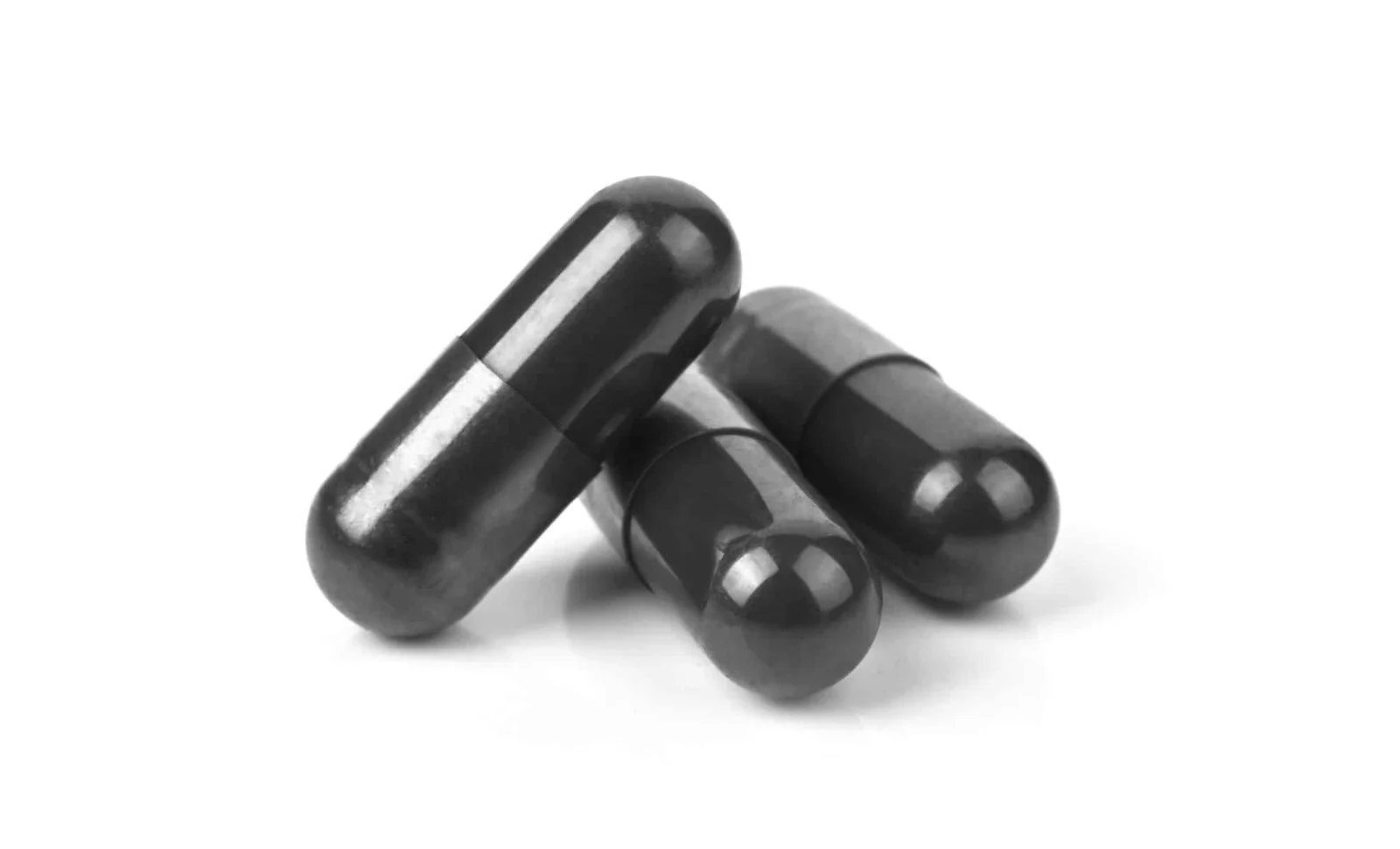
MIT’s Biodegradable Capsule Confirms Medication Ingestion in Real Time

Originally Published 1 day ago — by Indian Defence Review

Featured image for MIT’s Biodegradable Capsule Confirms Medication Ingestion in Real Time
Source: Indian Defence Review

MIT engineers have developed a biodegradable ingestible capsule with a zinc-cellulose antenna and a micro-RFID chip that emits a real-time signal confirming a pill has been swallowed. The capsule dissolves in the stomach while the RFID component is excreted, enabling noninvasive adherence monitoring for critical therapies (e.g., transplant immunosuppression) and potential integration with health records. The SAFARI project uses safe, eco-friendly materials and aims for human trials, offering a pathway to real-time feedback without bulky wearables.

Fungi and Mycelium: The Future of Sustainable Construction and Climate Solutions

Originally Published 28 days ago — by The Conversation

Featured image for Fungi and Mycelium: The Future of Sustainable Construction and Climate Solutions
Source: The Conversation

Mycelium, the underground network of fungi, shows promise as a sustainable, biodegradable material for construction and packaging, with ongoing research focused on improving its durability and strength for real-world applications, potentially revolutionizing eco-friendly building practices.

Scientists Uncover the Engineering Marvels of Fungi

Originally Published 1 month ago — by The Guardian

Featured image for Scientists Uncover the Engineering Marvels of Fungi
Source: The Guardian

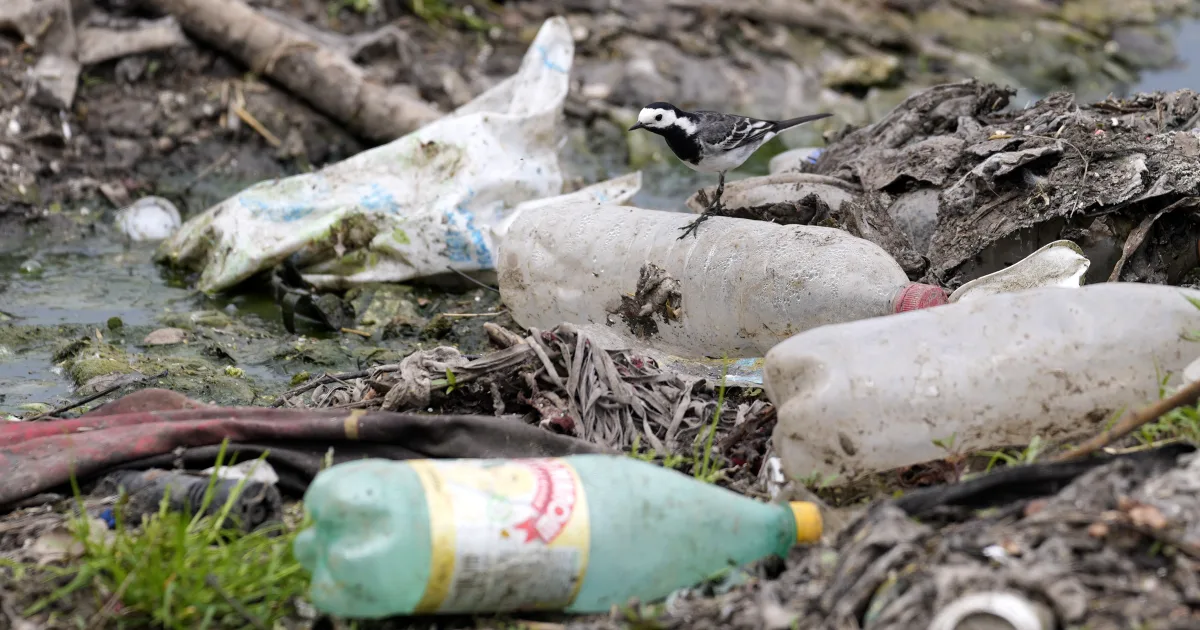
Scientists are exploring the potential of fungi, particularly mycelium, to address environmental challenges such as plastic waste and pollution, with innovations like fungi-activated diapers that could decompose plastics within a year and fungi-based materials for packaging, insulation, and chemical production, highlighting fungi's versatility as nature's original engineers.

New Sustainable Material Poised to Revolutionize Medical Devices

Originally Published 1 year ago — by SciTechDaily

Featured image for New Sustainable Material Poised to Revolutionize Medical Devices
Source: SciTechDaily

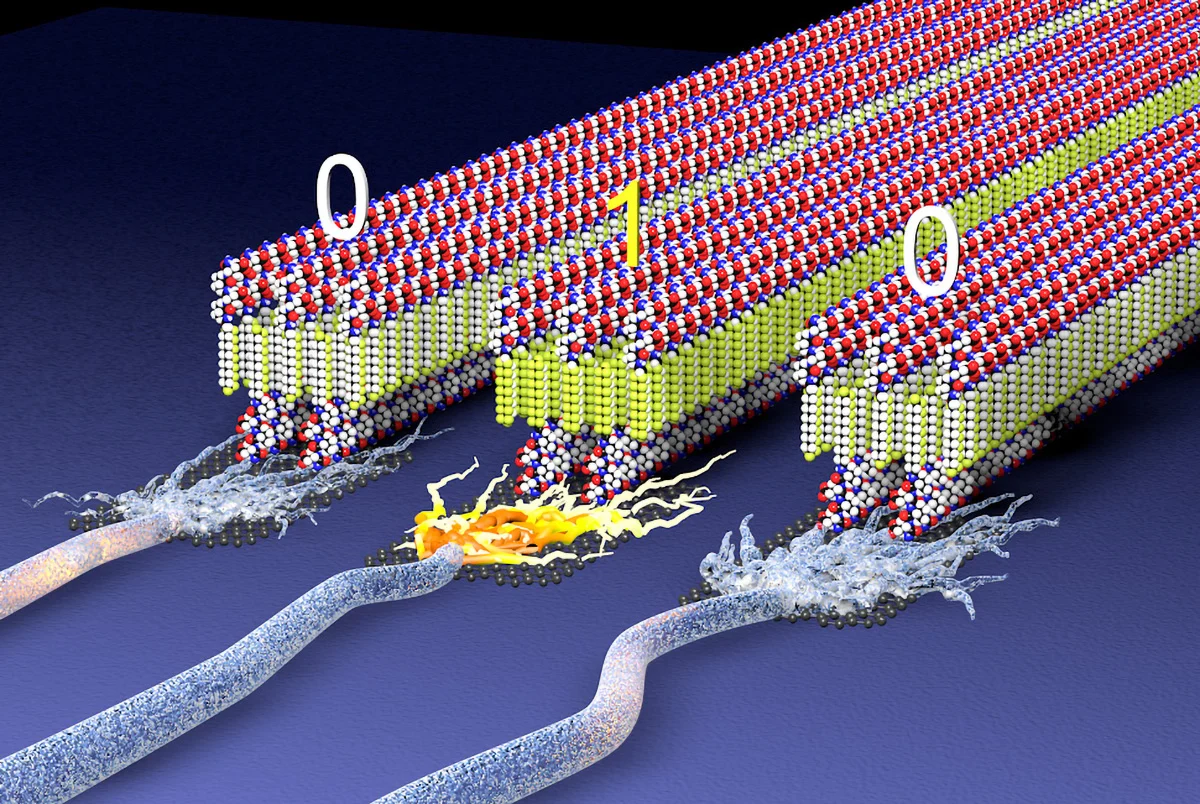
Northwestern University researchers have developed a new soft, sustainable electroactive material using peptides and plastic molecules, which could revolutionize medical devices, wearable technology, and human-computer interfaces. These materials, made from nano-sized ribbons, are energy-efficient, biocompatible, and biodegradable, offering potential for low-power electronics and smart fabrics. The study, published in Nature, highlights the material's ability to store energy and digital information, with applications in biomedical devices and renewable energy processes.

"Breakthrough Biodegradable Plastic Eliminates Microplastic Pollution"

Originally Published 1 year ago — by University of California San Diego

Featured image for "Breakthrough Biodegradable Plastic Eliminates Microplastic Pollution"
Source: University of California San Diego

Researchers at the University of California San Diego and Algenesis have developed plant-based polymers that biodegrade within seven months, offering a potential solution to the long-lasting environmental impact of microplastics. The study, published in Nature Scientific Reports, demonstrates the biodegradability of these polymers at the microplastic level through various measurement tools. The eco-friendly alternative to petroleum-based plastics has the potential to reduce pollution and health risks associated with microplastics, and efforts are underway to integrate the new material into existing manufacturing processes.

"Bioengineered Bacteria Produce Multipurpose Spider Silk from Plastic"

Originally Published 1 year ago — by Phys.org

Featured image for "Bioengineered Bacteria Produce Multipurpose Spider Silk from Plastic"
Source: Phys.org

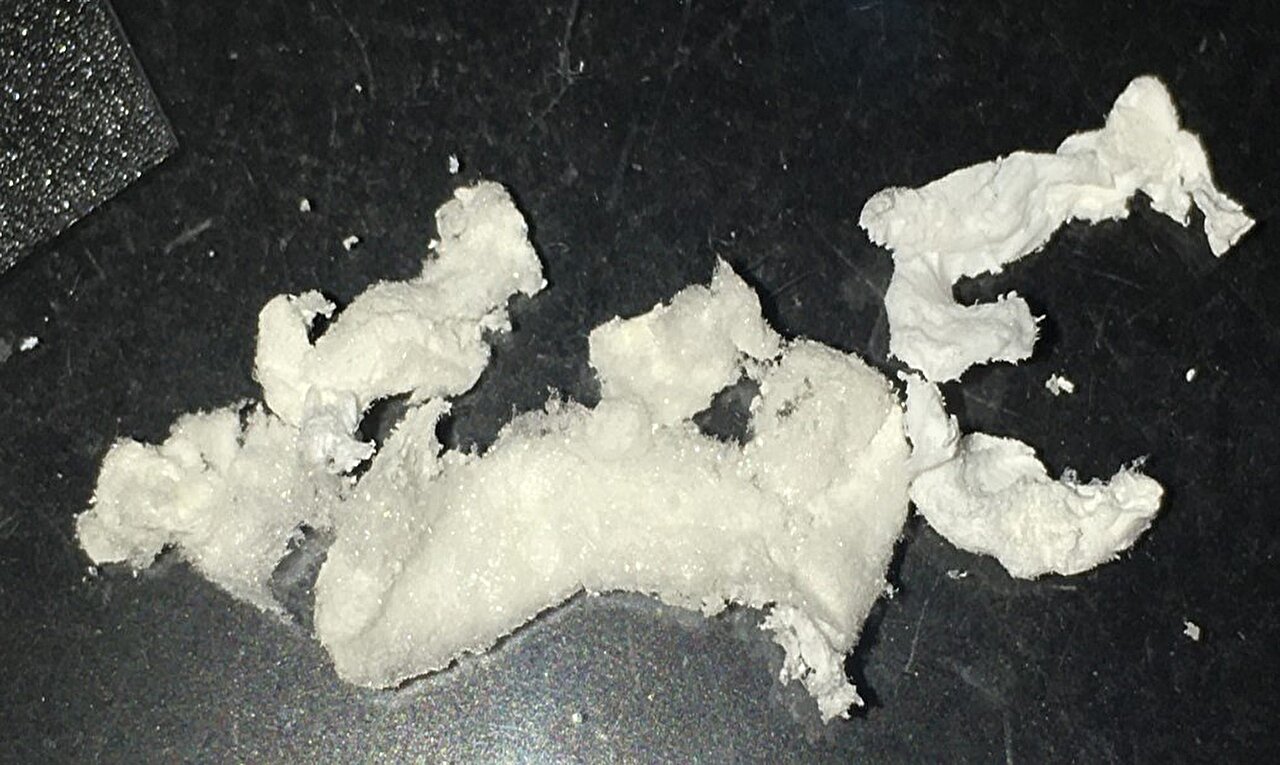
Researchers at Rensselaer Polytechnic Institute have engineered bacteria that can convert polyethylene plastic into a biodegradable spider silk with various applications, such as textiles, cosmetics, and medicine. The bacteria, Pseudomonas aeruginosa, naturally consume polyethylene as a food source and were engineered to produce a high-value protein product resembling spider silk. This innovation could help "upcycle" plastic waste and contribute to a future with renewable resources and reduced plastic pollution.

"Revolutionary Wireless Charger Implanted Inside Humans Developed by Chinese Scientists"

Originally Published 2 years ago — by South China Morning Post

Featured image for "Revolutionary Wireless Charger Implanted Inside Humans Developed by Chinese Scientists"
Source: South China Morning Post

Chinese scientists have developed a biodegradable wireless energy receiving and storage device that can power bioelectronic implants, such as drug delivery systems. The device consists of a magnesium coil that charges when an external transmitting coil is placed on the skin above the implant. Power passes through a circuit and enters an energy storage module made of zinc-ion hybrid supercapacitors. The prototype device, contained in a flexible biodegradable chip-like implant, integrates energy harvesting and storage. Tests on rats showed that the device can function effectively for up to 10 days and fully dissolves within two months. The researchers believe this development is a significant step forward in advancing transient implantable bioelectronic devices.

"Scientists Propose Fungal Coating to Neutralize Killer Robots"

Originally Published 2 years ago — by Futurism

Featured image for "Scientists Propose Fungal Coating to Neutralize Killer Robots"
Source: Futurism

Researchers have developed a living skin made of fungus, inspired by "The Terminator," which could act as a biodegradable and multifunctional sensor for electronics. The fungus, Ganoderma sessile, was grown on a seven-inch "Terminator" model, turning it into a "bio-cybernetic entity." While currently a proof of concept, the researchers hope their research could pave the way for living skins that could regulate building temperatures.

Arctic microbes offer solution to plastic pollution.

Originally Published 2 years ago — by Engadget

Featured image for Arctic microbes offer solution to plastic pollution.
Source: Engadget

Scientists have discovered microbes from the Alps and the Arctic that can break down plastic without requiring high temperatures, according to a study by the Swiss Federal Institute WSL. Although the microbes failed to break down non-biodegradable polyethylene, they digested biodegradable polyester-polyurethane and commercially available biodegradable mixtures of polybutylene adipate terephthalate and polylactic acid. The researchers warn that identifying the plastic-degrading enzymes produced by the microbial strains and optimising the process to obtain large amounts of proteins will be the next big challenge.

Cold-loving microbes found to break down plastics

Originally Published 2 years ago — by The Guardian

Featured image for Cold-loving microbes found to break down plastics
Source: The Guardian

Scientists have discovered microbes that can digest plastics at low temperatures, which could be a valuable tool in recycling. The microbes were found in the Alps and the Arctic and can work at 15C, making them more cost-effective and carbon-neutral than other plastic-digesting microbes that require higher temperatures. The researchers tested 19 strains of bacteria and 15 of fungi and found that 56% of them could digest biodegradable polyester-polyurethane and biodegradable mixtures of polybutylene adipate terephthalate and polylactic acid. The next step is to identify the plastic-degrading enzymes produced by the microbes and optimize the process to obtain large amounts of proteins.

Revolutionizing Beauty: Sustainable Hair Braiding Brand

Originally Published 2 years ago — by HuffPost

Featured image for Revolutionizing Beauty: Sustainable Hair Braiding Brand
Source: HuffPost

Ciara Imani May, founder of Rebundle, has created a sustainable, plant-based hair extension brand that uses repurposed biopolymers and naturally extracted banana fiber for its hair, making its strands thicker than the alternative. The brand also created a plastic synthetic hair recycling program for people to send in their old hair. Rebundle claims to be the first plant-based hair extension company in the United States. May hopes to change the hair extensions industry at the consumer and legislative levels and wants to see cleaner, safer, and more sustainable options for Black hair care.

Compostable 'Artificial Muscles' Designed by Grad Student.

Originally Published 2 years ago — by Tech Xplore

Featured image for Compostable 'Artificial Muscles' Designed by Grad Student.
Source: Tech Xplore

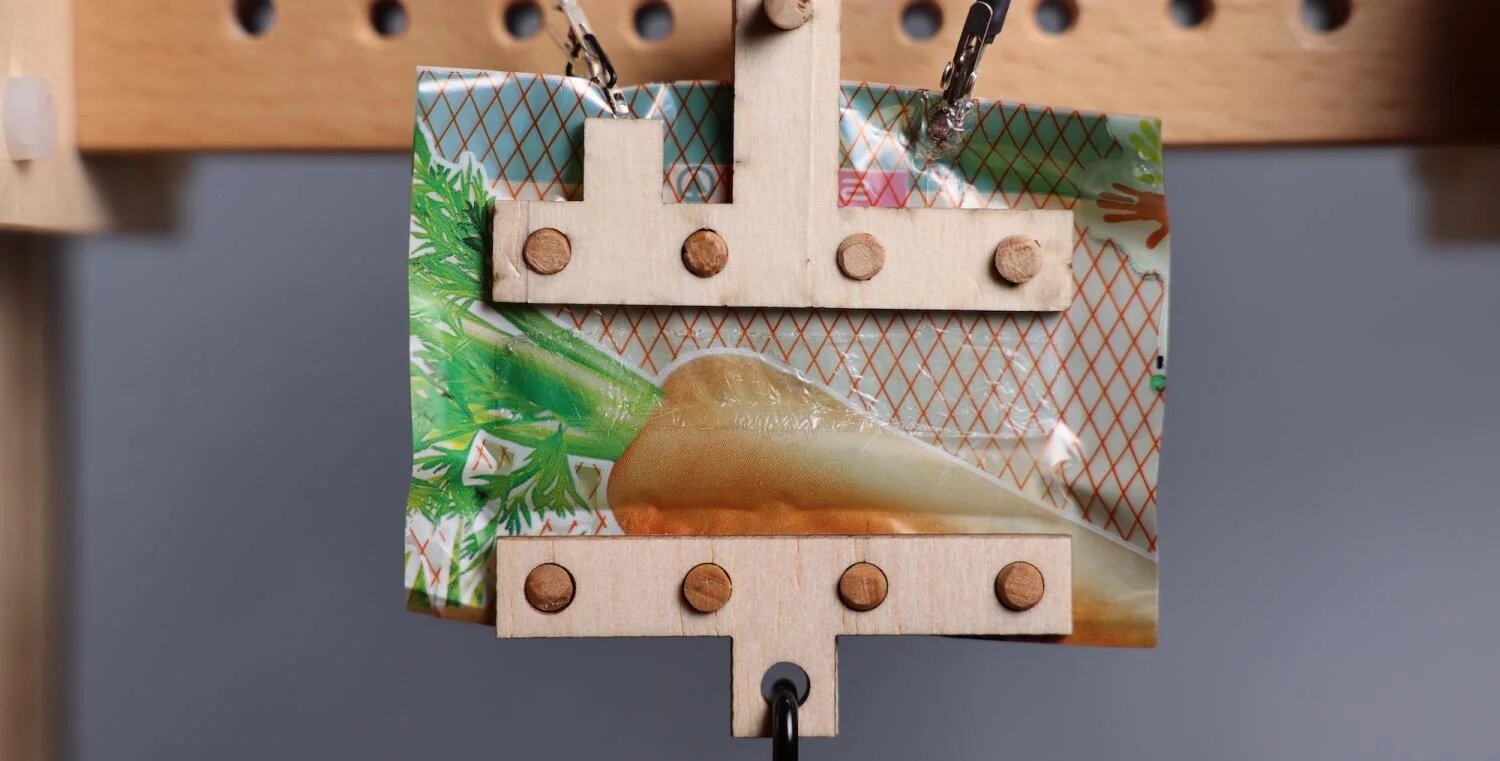
A team of engineers, including a graduate student from CU Boulder, has designed a new kind of robotic actuator, or "artificial muscle," made entirely of sustainable ingredients that can dissolve naturally in soil over a few months. The muscles are versatile and can power robotic arms and legs with life-like movements. The team tested various biodegradable candidates for replacing the plastic pouches in their actuators and found a biodegradable polyester blend, commonly used in shopping bags, to be a good option. The new materials system now opens up interesting avenues for applications that require components designed for single- or short-term use, such as in the area of food handling or medical applications.

"Revolutionary Origami-Inspired Technique Creates Biodegradable 3D-Printable Glass Shapes"

Originally Published 2 years ago — by Nature.com

Featured image for "Revolutionary Origami-Inspired Technique Creates Biodegradable 3D-Printable Glass Shapes"
Source: Nature.com

Researchers have developed a transparent glass made from modified amino acids and peptides, which can be 3D printed and cast in moulds. The biomolecular glass can biodegrade quickly, making it a sustainable alternative to traditional glass. However, it is not suitable for use in humid or wet environments and is less rigid than standard glass due to weaker organic chemical bonds. The glass is still in the experimental stage but opens up new possibilities for materials research.