ASU researchers discovered that the protein SerpinB3, previously linked to cancer, also plays a crucial role in natural wound healing by activating skin cells and guiding tissue repair, opening new possibilities for treating hard-to-heal wounds and understanding its role in diseases.
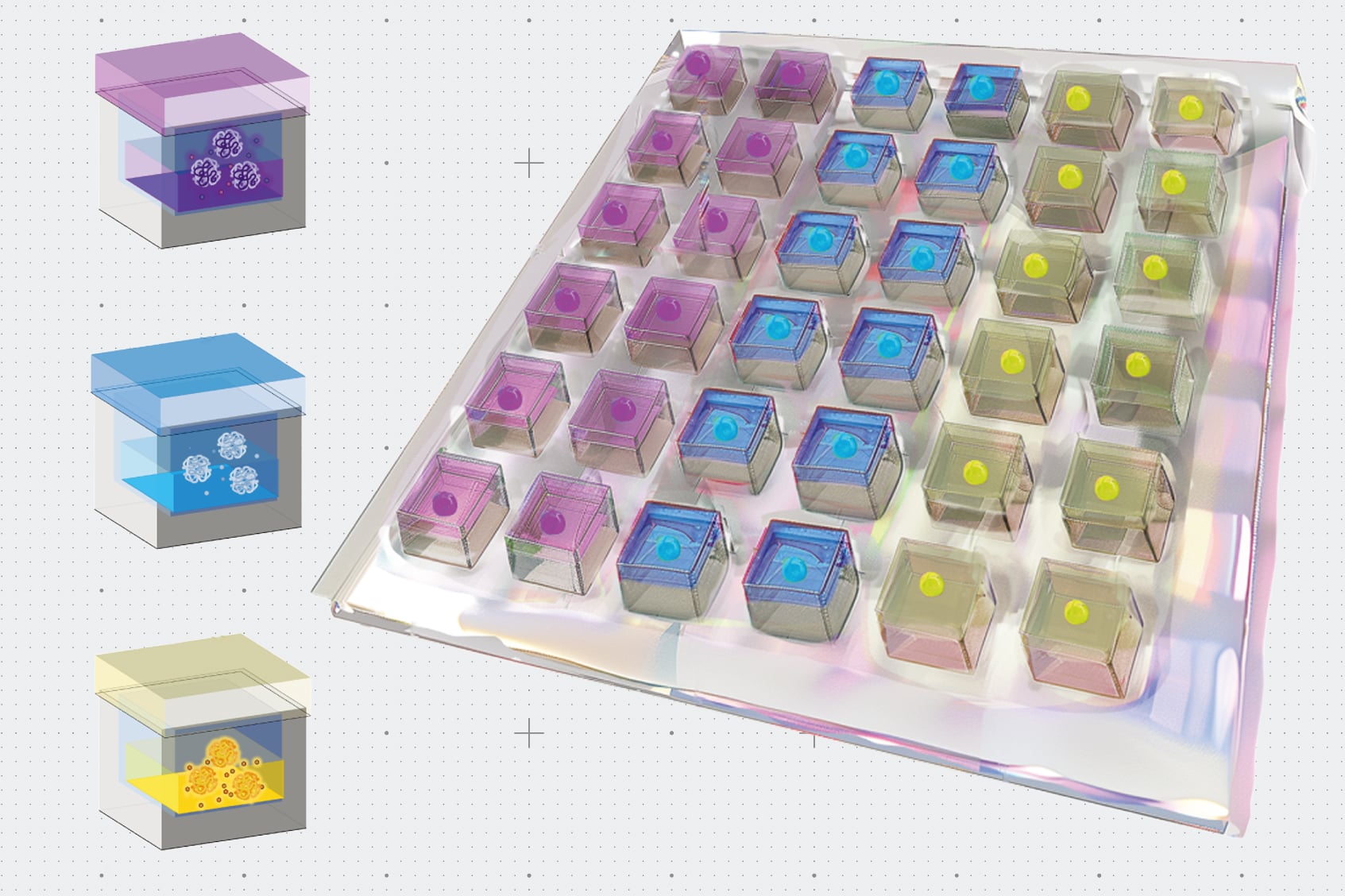
MIT engineers have developed a flexible, programmable drug-delivery patch that can be applied to the heart after a heart attack to promote tissue healing and regeneration, showing promising results in rat studies by reducing damaged tissue and improving heart function. If approved for humans, it could significantly enhance recovery outcomes for heart attack patients.
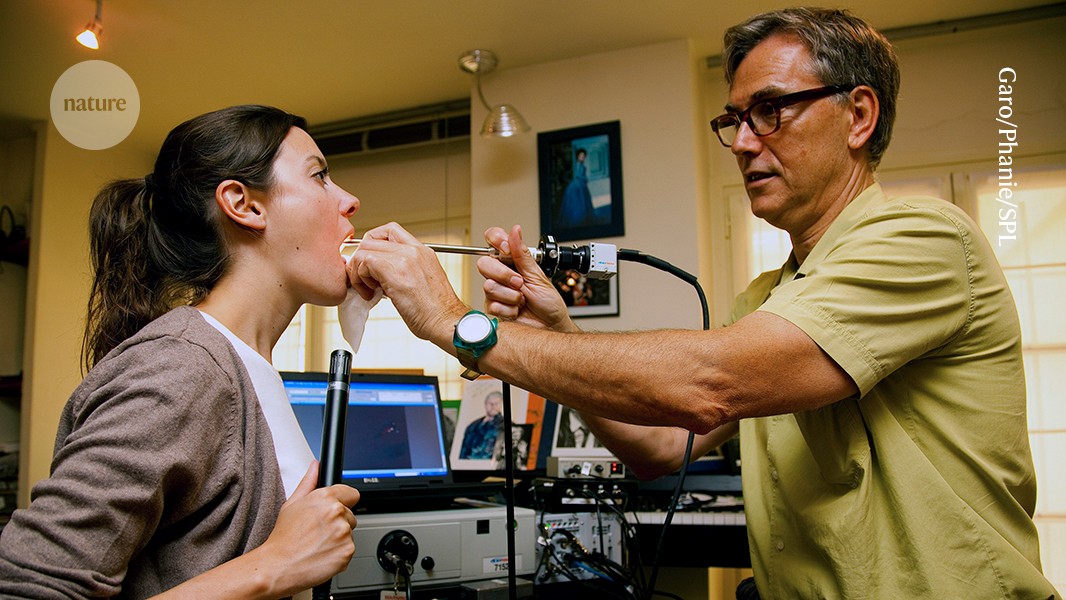
Researchers have developed the world's smallest 3D bioprinter, inspired by an elephant's trunk, capable of delivering healing hydrogels through a surgical scope to aid in vocal cord repair, potentially improving outcomes for patients post-surgery.
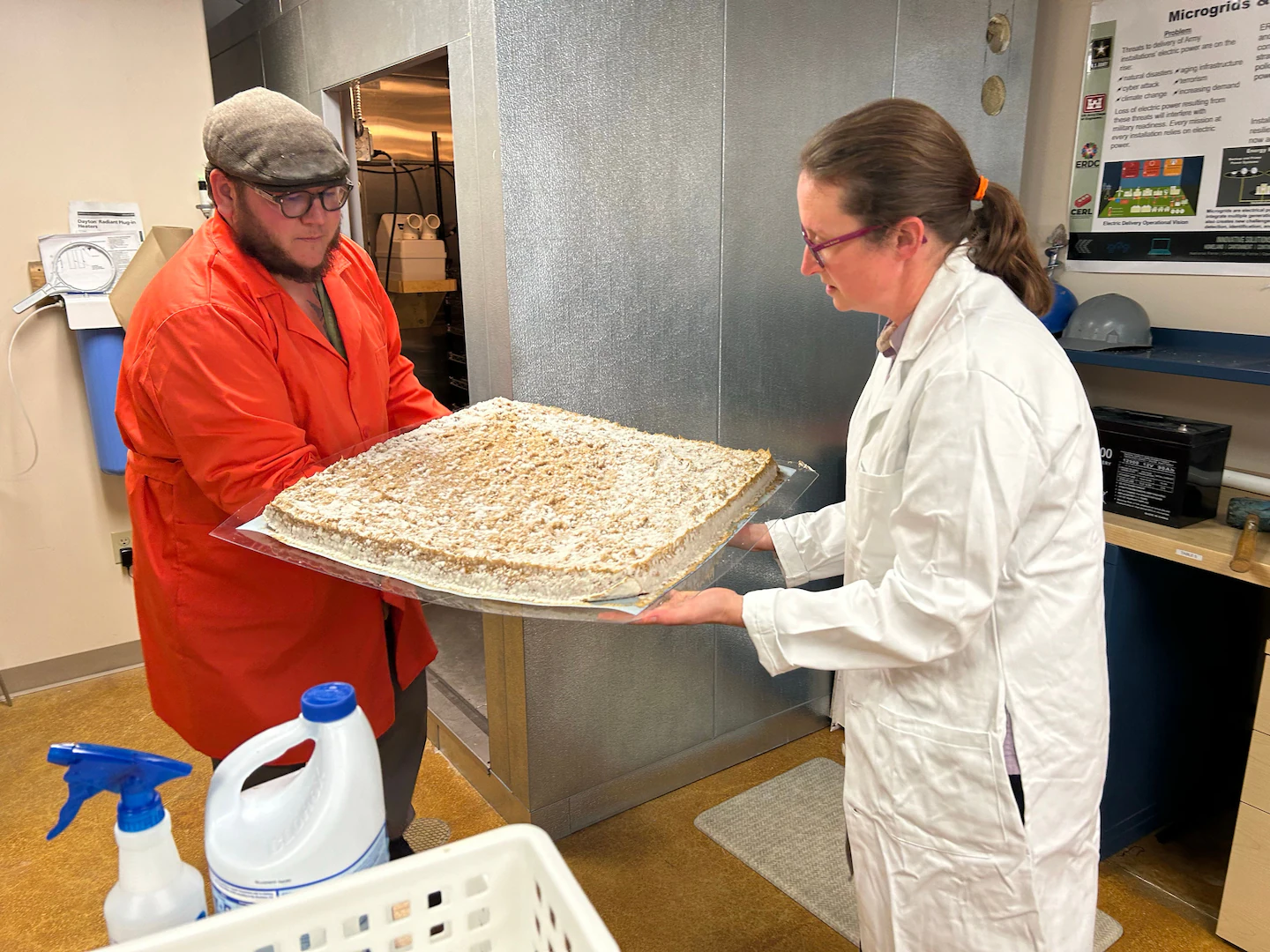
Scientists in Alaska are developing a new insulation material made from mycelium, the fungal network beneath mushrooms, to provide a sustainable, biodegradable alternative to plastic foam for housing in extreme climates, addressing environmental concerns and housing needs in the face of climate change.
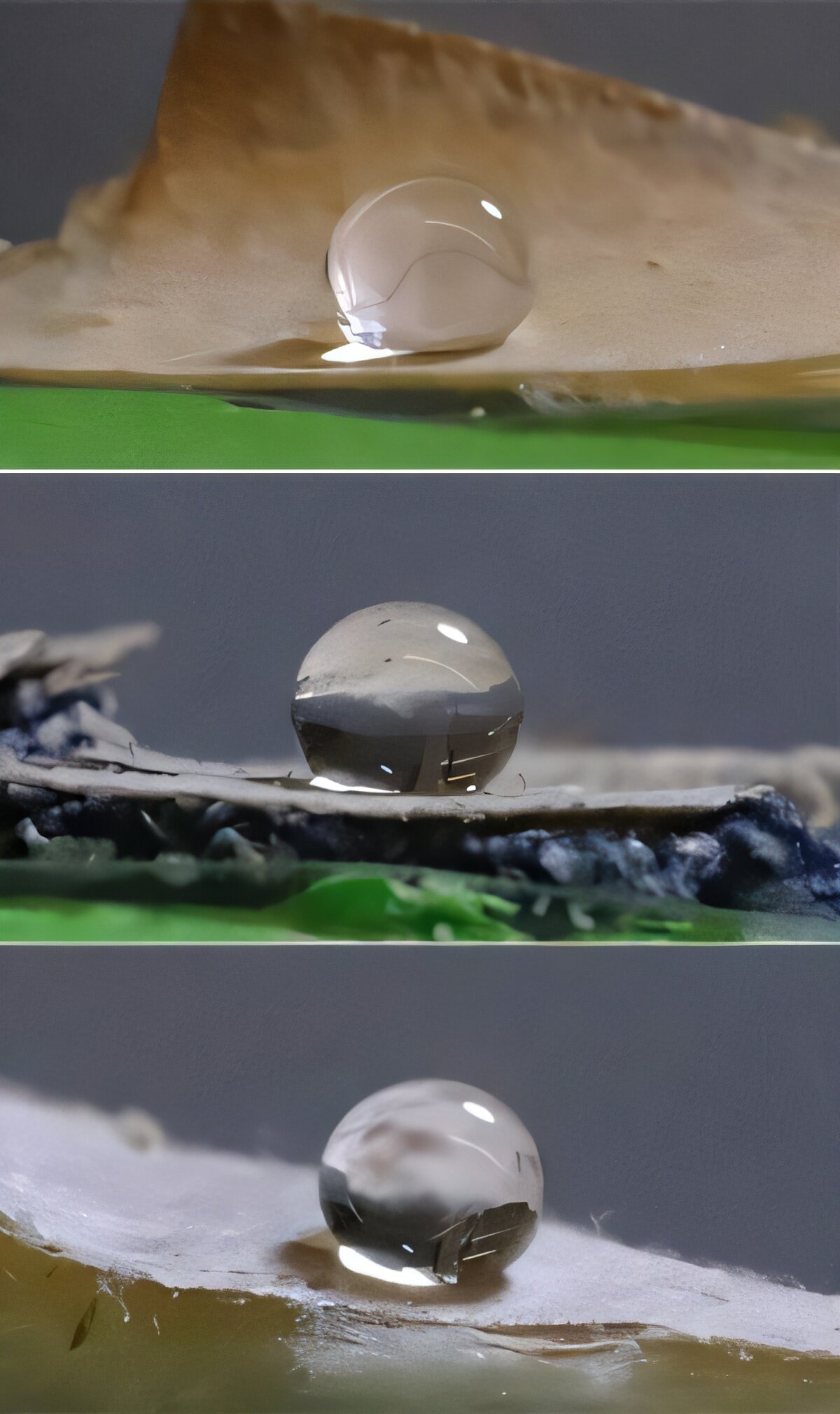
Researchers have developed a natural, edible fungal coating using Trametes versicolor that can make paper, fabric, and wood water-, oil-, and grease-resistant, offering a sustainable alternative to plastic coatings and reducing environmental waste.
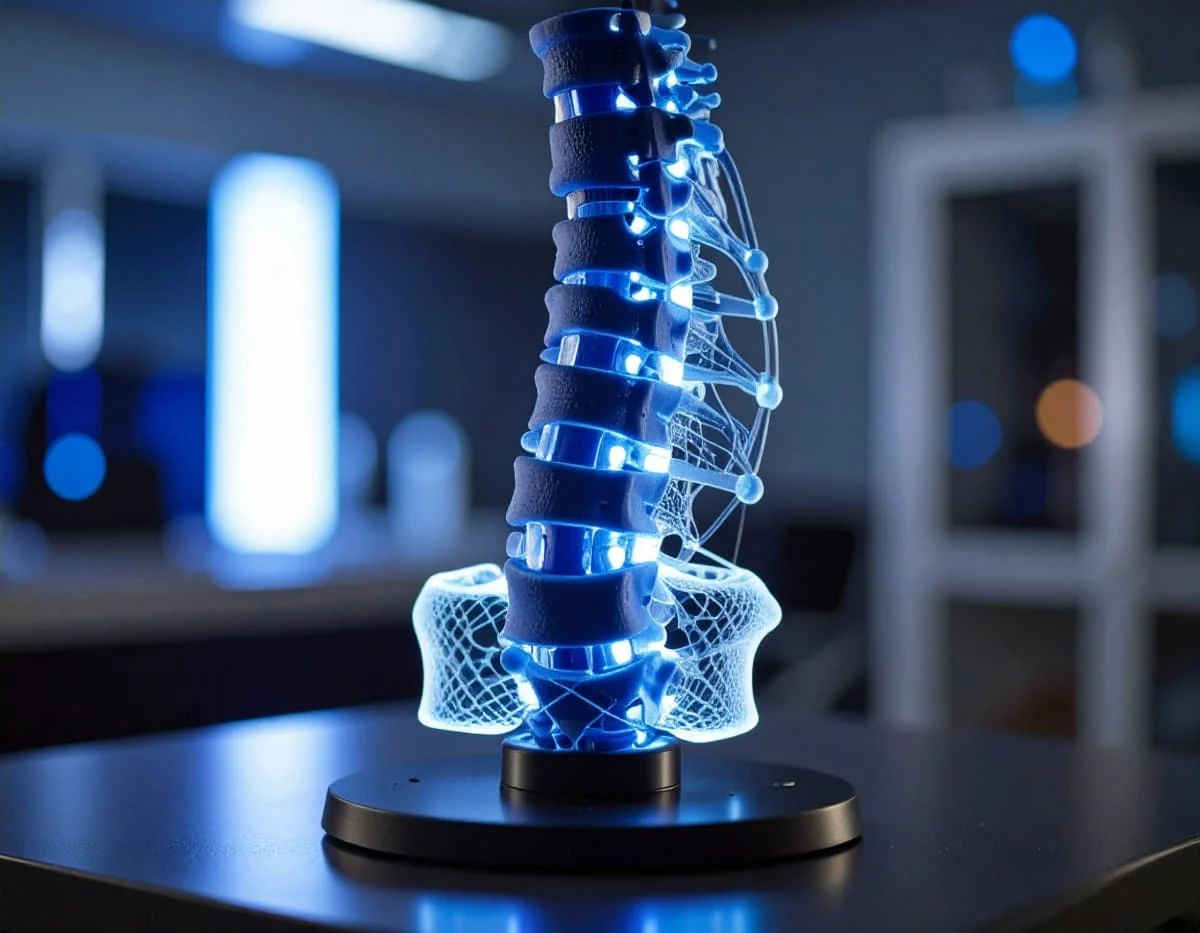
Scientists have developed a 3D-printed, electrically conductive implant that mimics the spinal cord's structure to promote nerve regeneration, showing promise for treating spinal injuries and potentially other neurological conditions.
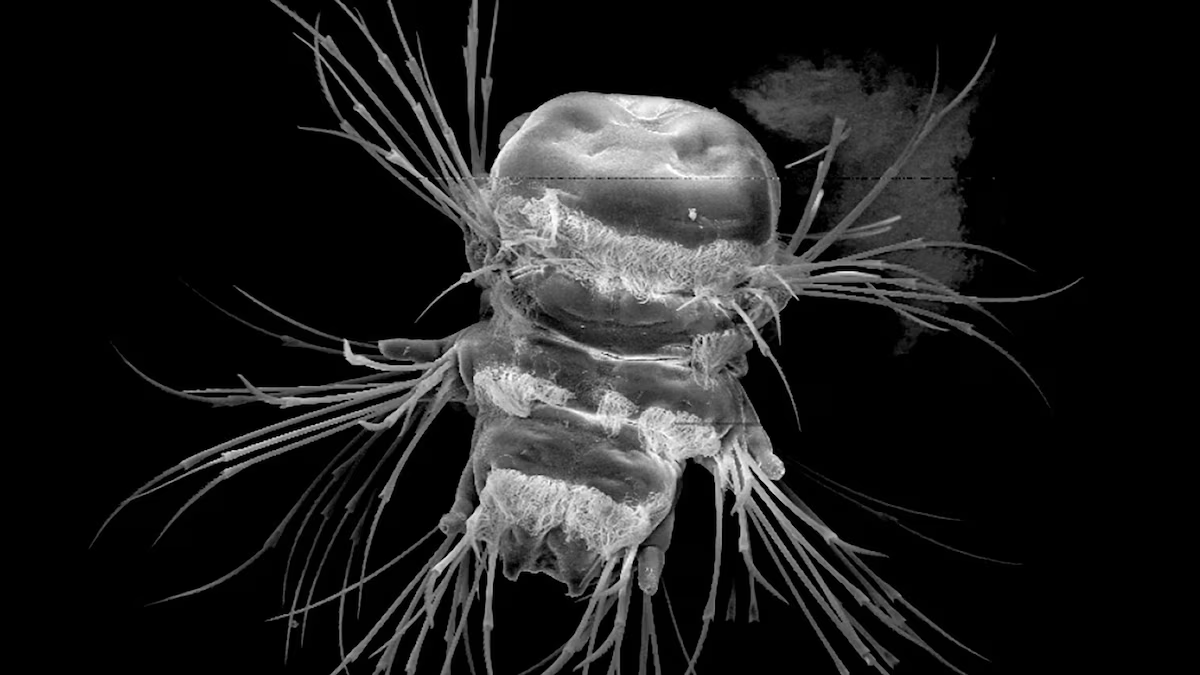
A study reveals that bristle worms can produce their body parts through a process similar to 3D printing, with their cells acting like tiny printers depositing chitin to form structures like bristles and teeth, which could inspire new medical materials and regenerative therapies.
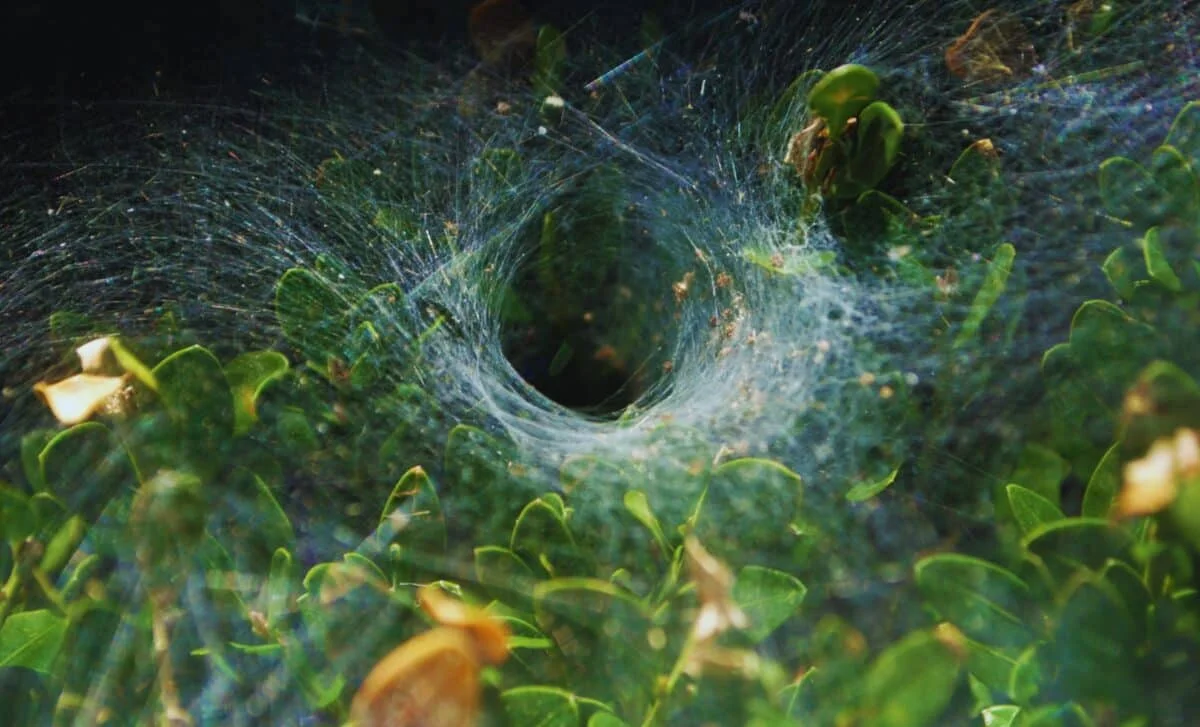
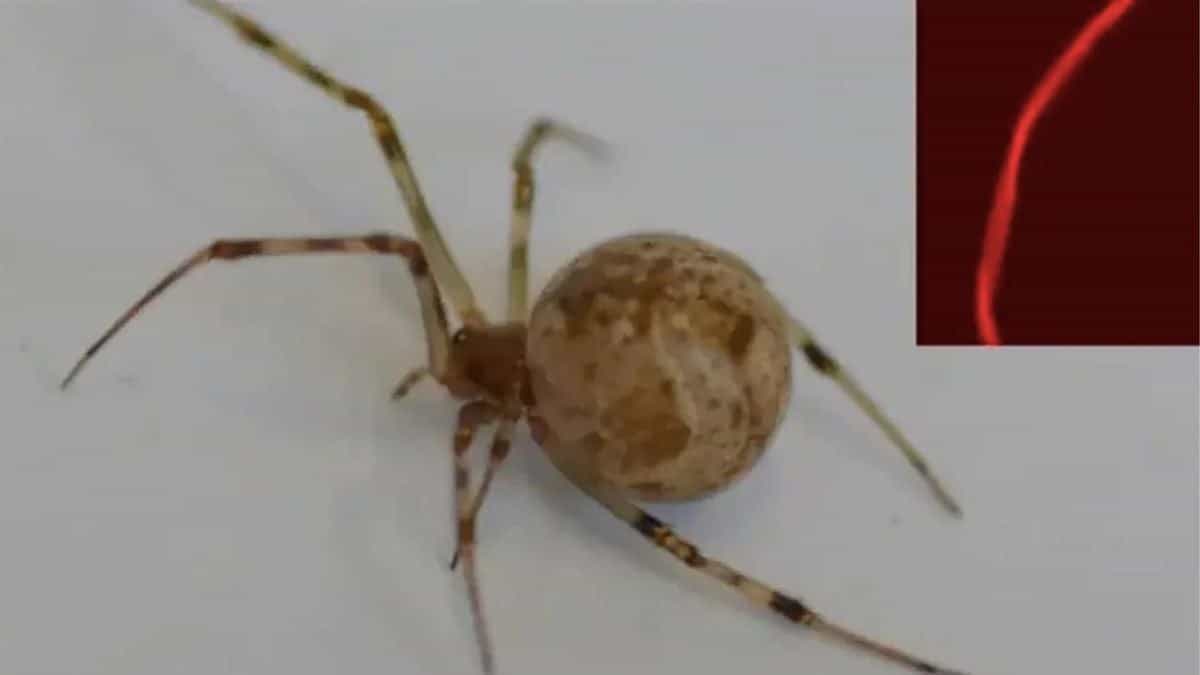
Scientists in Germany used CRISPR-Cas9 to genetically modify a common house spider to produce red fluorescent silk, marking the first successful application of gene editing in spiders and opening new possibilities for custom biomaterials.
Researchers in Germany have successfully used CRISPR-Cas9 to create the world's first genetically modified spider that produces fluorescent red silk, opening new possibilities for advanced materials and biomedical applications, despite the challenges of working with arachnids.
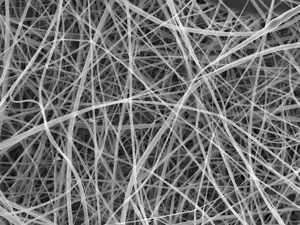
A research team led by UCL has created the world's thinnest spaghetti, measuring just 372 nanometers across, using a technique called electrospinning. This 'nanopasta' is not intended for consumption but has potential applications in medicine and industry, such as wound healing and drug delivery, due to its porous nature. The process uses starch-rich flour, offering a more sustainable method than traditional starch extraction. The study highlights the potential of starch nanofibers as biodegradable and renewable materials.
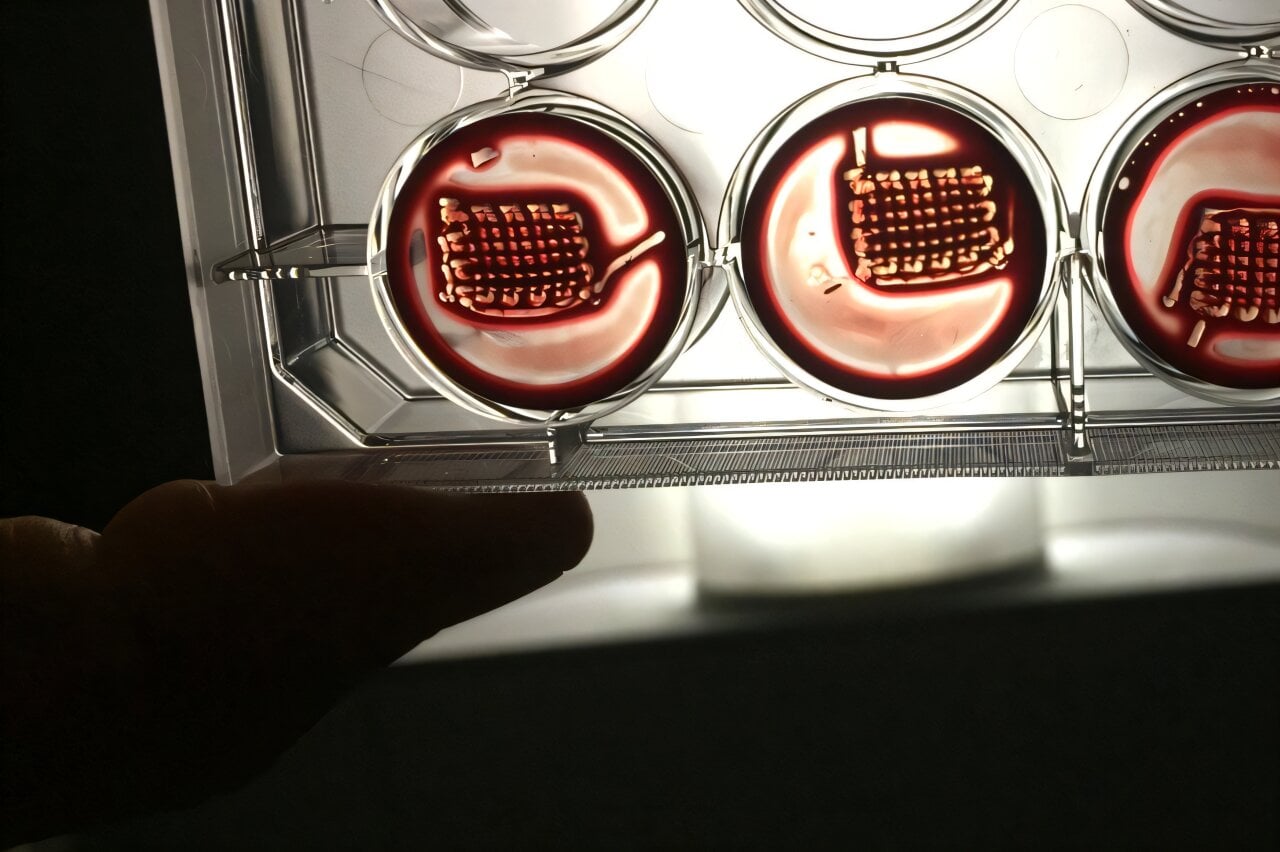
Researchers at the University of Nottingham have developed a 'biocooperative' material using blood and peptide molecules to enhance tissue regeneration, potentially leading to personalized, 3D-printed implants. This innovative approach leverages the natural healing processes of blood to create regenerative materials that can repair bones and other tissues. The method involves mixing synthetic peptides with a patient's blood to form a material that mimics and enhances the natural regenerative hematoma, offering a promising new avenue for regenerative medicine.
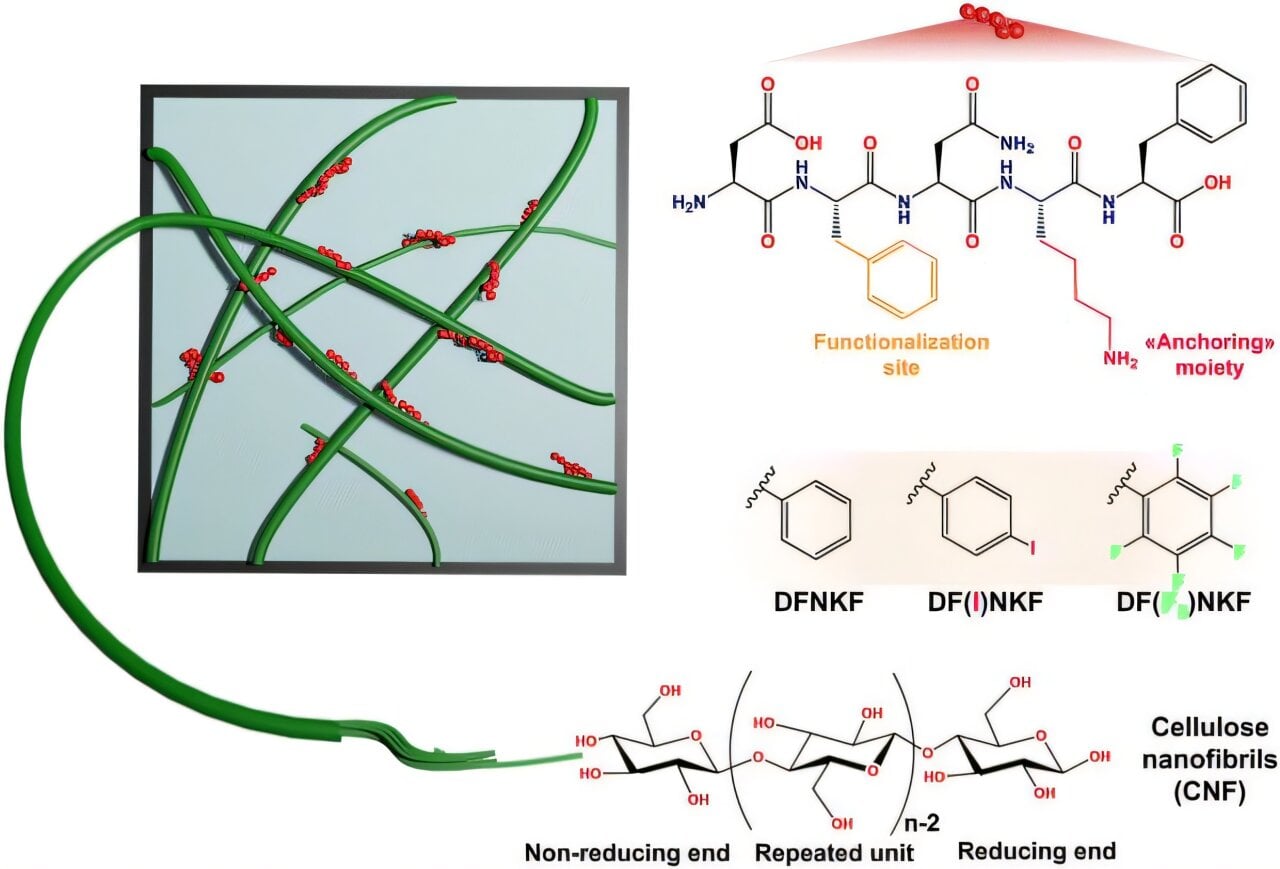
Researchers have developed a sustainable hydrophobic paper using cellulose nanofibers and peptide sequences, offering a potential alternative to petroleum-based products. This innovative material, created through a supramolecular approach, enhances mechanical strength and water resistance without chemically altering the cellulose. The study, conducted by a team from Politecnico di Milano and collaborators, highlights the material's suitability for packaging and biomedical applications due to its biocompatibility and environmental benefits.
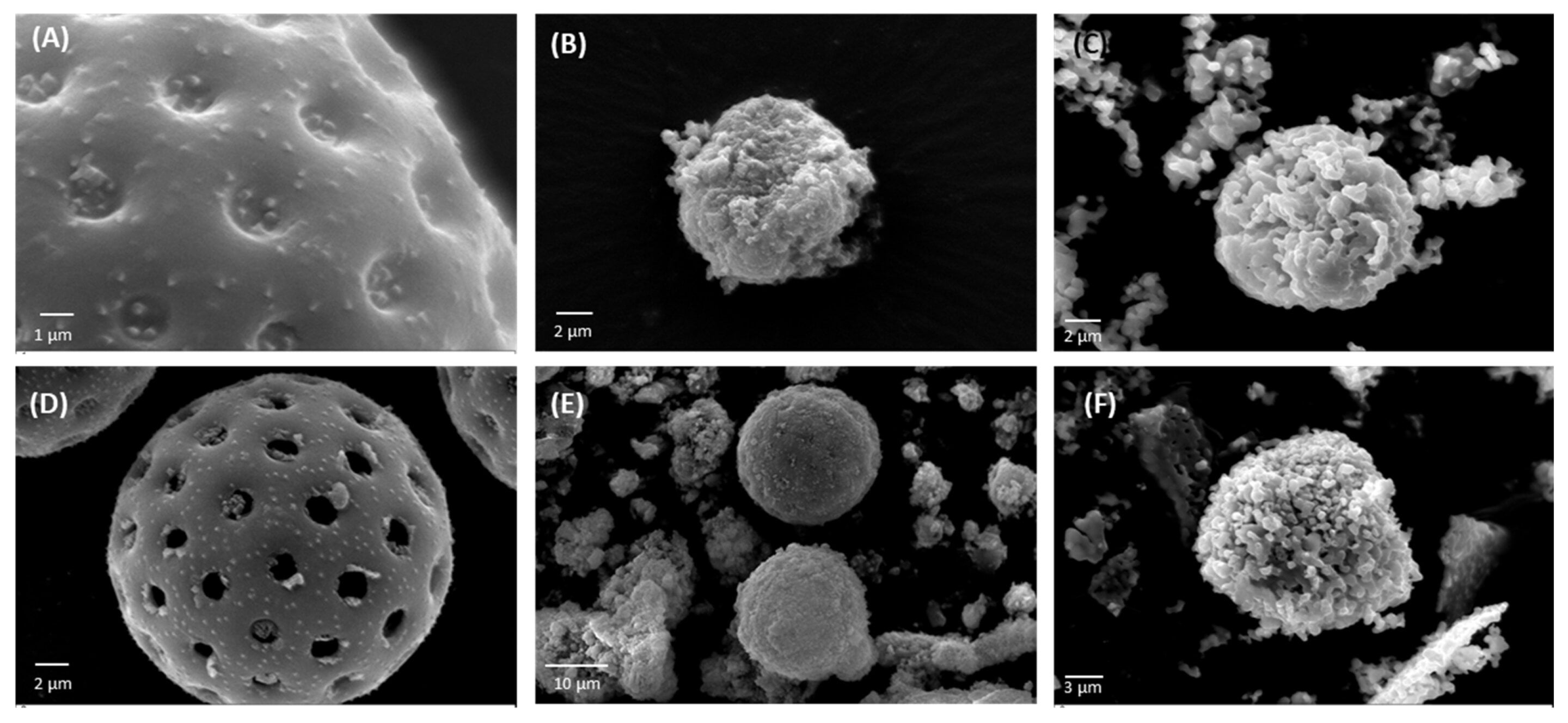
A study has demonstrated the potential of using pollen grains as green templates for producing biomaterials, particularly hydroxyapatite (HAp) and β-tricalcium phosphate (TCP), which are used for bone repair. The study explored the feasibility of using pollen grains as bio-templates for growing calcium phosphate minerals in the lab, resulting in well-defined spherical hollow capsules derived from pollen. These hollow structures have potential in drug delivery and bone regeneration applications, and further experiments are needed to explore their use in enhancing bone integration and regeneration around implants.
Scientists at the Wyss Institute for Biologically Inspired Engineering at Harvard University and Harvard John A. Paulson School of Engineering and Applied Sciences have developed a simple and versatile method to bond hydrogels and other polymeric materials using a thin film of chitosan, derived from shellfish. This new approach allows for rapid and strong bonding of hydrogels, opening up numerous potential applications in regenerative medicine and surgical care, such as tissue cooling, wound care, and prevention of surgical adhesions. The method could lead to the creation of devices for various medical challenges and offers elegant solutions for urgent unmet problems in regenerative and surgical medicine.
Locusts exposed to simulated high gravity conditions in a custom-designed centrifuge showed increased strength in their exoskeletons and legs, but only up to a certain point. As the gravity simulation intensified, the locusts grew weaker and had higher mortality rates. This research sheds light on how insect exoskeletons can adapt to different conditions and provides insights for the development of biomaterials. The study also suggests that the ability to adapt to mechanical load may be a fundamental concept in skeletal biomaterials across various organisms, including insects and arthropods.