Tag

Crispr Cas9

All articles tagged with #crispr cas9

science1 year ago

"Jailed Chinese Scientist Resumes Genome-Editing Research Despite Controversy"

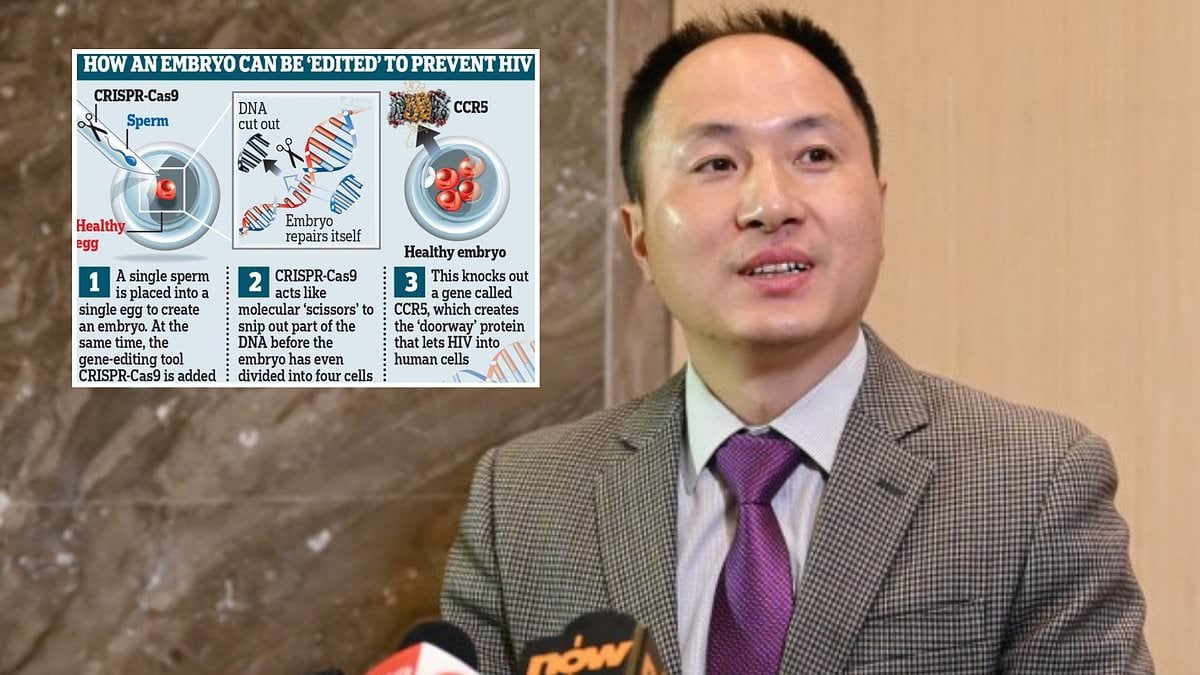
Disgraced Chinese scientist He Jiankui, who was jailed in 2019 for genetically editing human babies, has returned to genetic research and opened three new labs to continue experiments on human embryos. He claims to focus on developing gene editing techniques for treating rare diseases and insists that his work will comply with domestic and international rules. Despite fierce criticism, he remains proud of his past work and believes society will eventually accept it. He had previously announced the creation of the first genome-edited babies using CRISPR-Cas9, leading to his arrest and trial for illegal gene-editing intended for reproduction.

science-and-technology1 year ago

"Unlocking the Potential of Junk DNA in Birds for Gene Therapy"

A new gene therapy technique called Precise RNA-mediated INsertion of Transgenes (PRINT) leverages retrotransposons found in birds to safely insert genes into a "safe harbor" in the human genome, avoiding disruption of essential genes or potential cancer risks. This approach complements CRISPR-Cas9 gene editing by providing a method to insert whole genes into the genome, offering promise for treating hereditary diseases caused by various mutations in the same gene. The technique involves using a retroelement protein called R2 to efficiently insert genes into the genome, particularly into the ribosomal RNA encoding region, providing a safe and effective method for gene supplementation.

health-medicine1 year ago

"CRISPR Gene Therapy Shows Promise in Treating Hereditary Angioedema"

Gene therapy using Crispr-Cas9 has shown promising results in treating hereditary angiodema, a genetic disorder causing painful and unpredictable swelling attacks. Patients treated with a single dose of the therapy showed little sign of further symptoms, with one patient experiencing only minor symptoms. The treatment has the potential to provide a permanent cure for this debilitating condition and could also be used to treat other genetic disorders. Larger trials and long-term monitoring are planned to assess the therapy's safety and efficacy.

health-science2 years ago

"Unintended Consequences: CRISPR's Impact on Cancer Gene Therapy"

A study has revealed that CRISPR-Cas9 gene editing can cause cancer cells to eliminate important genes, impacting gene regulation and potentially affecting cancer treatment and research. The findings underscore the need for cautious use of gene editing technologies and highlight the importance of understanding and mitigating unintended consequences in cancer therapy.

biotech2 years ago

Vertex CSO David Altshuler discusses non-opioid pain pills, AI, and the potential for a groundbreaking drug

David Altshuler, Chief Scientific Officer of Vertex Pharmaceuticals, implemented a unique R&D strategy that focused on targeting specific diseases such as sickle cell and type 1 diabetes and utilizing various tools and platforms, including CRISPR-Cas9 and cell therapy, to develop treatments. The company's CRISPR therapy for sickle cell is awaiting approval and could potentially be the first of its kind on the market.

science-and-technology2 years ago

Breakthrough Gene Editing Tool and Technique Developed by Weill Cornell Researchers for Investigating Cancer Mutations and Abnormal RNA Splicing

Researchers at Weill Cornell have developed a new gene editing tool that utilizes CRISPR-Cas9 technology to study cancer mutations in preclinical mouse models. The tool combines Cas9 and guide RNA with APOBEC, an enzyme that creates single base mutations in DNA. The team faced challenges with unwanted mutations and varying gene expression, but overcame them by integrating a single gene copy controlled by doxycycline. The tool has the potential to understand the effects of genetic changes on tumors, develop effective therapies, and study other disorders beyond cancer.

science-and-technology2 years ago

"Revolutionizing Metabolic Engineering with a CRISPR-Cas9 DNA Assembly Kit"

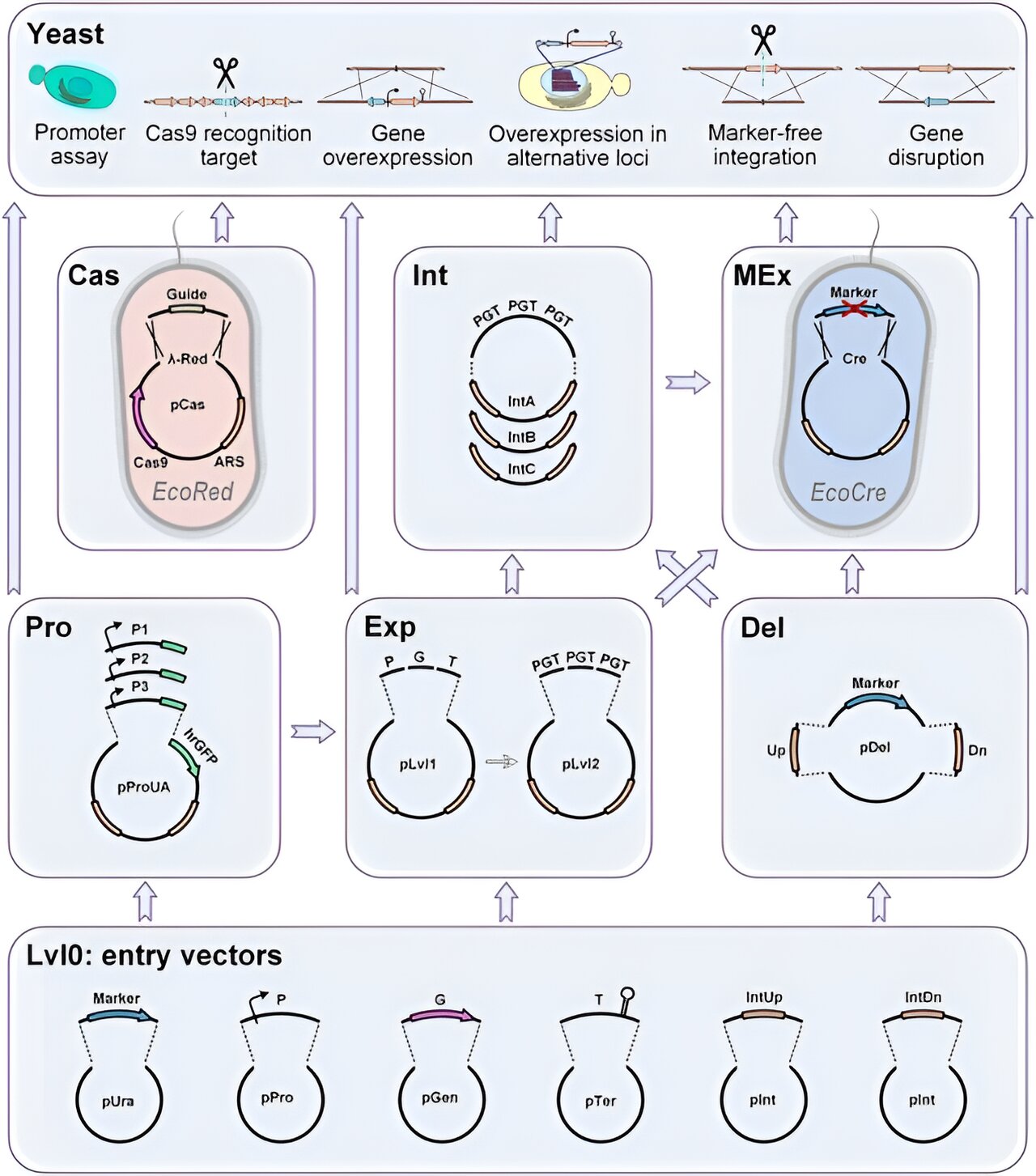
Researchers have developed a comprehensive DNA assembly toolkit to unlock the potential of CRISPR-Cas9 for metabolic engineering. The toolkit consists of seven modules that enable quick and easy assembly of integrative constructs and Cas9-helper plasmids. It includes methods for marker-free integration, donor DNA re-direction, and cloning of guide RNAs. The researchers demonstrated the functionality of the toolkit by engineering yeast to produce homogentisic acid, a precursor for pyomelanin, a constituent of natural sunscreens and cosmetics. The toolkit has broad applications in strain engineering and is expected to facilitate advancements in metabolic engineering and other fields of biological engineering.

science-and-technology2 years ago

"Breakthrough Discovery: 135 New Melanin Genes Unveiled, Revolutionizing Understanding of Pigmentation"

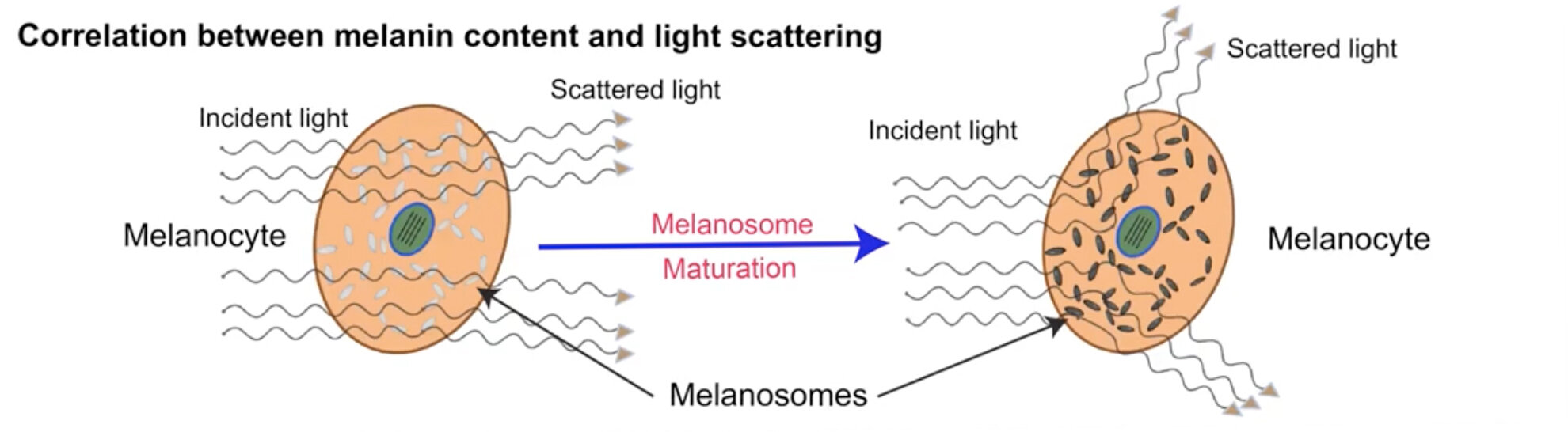
Researchers have identified 135 new genes that are responsible for pigmentation and melanin production in humans. Using CRISPR-Cas9 technology, the scientists systematically removed over 20,000 genes from melanocytes and observed the impact on melanin production. By separating cells with more or less melanin using a novel method, they identified both new and previously known genes that play important roles in regulating melanin production. The findings could help protect lighter-skinned individuals from skin cancer and lead to the development of melanin-modifying drugs for pigmentation diseases. The research could also be applied to identify genes that regulate melanin production in fungi and bacteria, potentially enabling the development of interventions against microbial diseases.

science-and-technology2 years ago

Efficient and Consistent Fetal Hemoglobin Boost through Base Editing

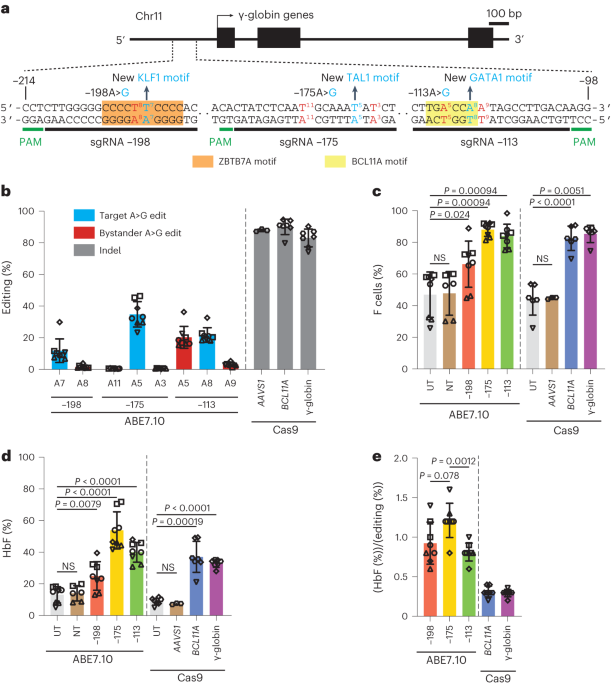
Researchers have developed a base editing technique that efficiently induces the production of fetal hemoglobin (HbF), which has therapeutic potential for treating genetic blood disorders such as sickle cell disease and beta-thalassemia. The study demonstrates the successful use of base editors to precisely modify specific DNA sequences associated with HbF regulation, resulting in potent and uniform HbF induction. The findings provide valuable insights into the development of genetic therapies for blood disorders and highlight the potential of base editing as a precise and effective tool for therapeutic gene editing.

science2 years ago

Transparent Squid Reveals Cephalopod Nervous System

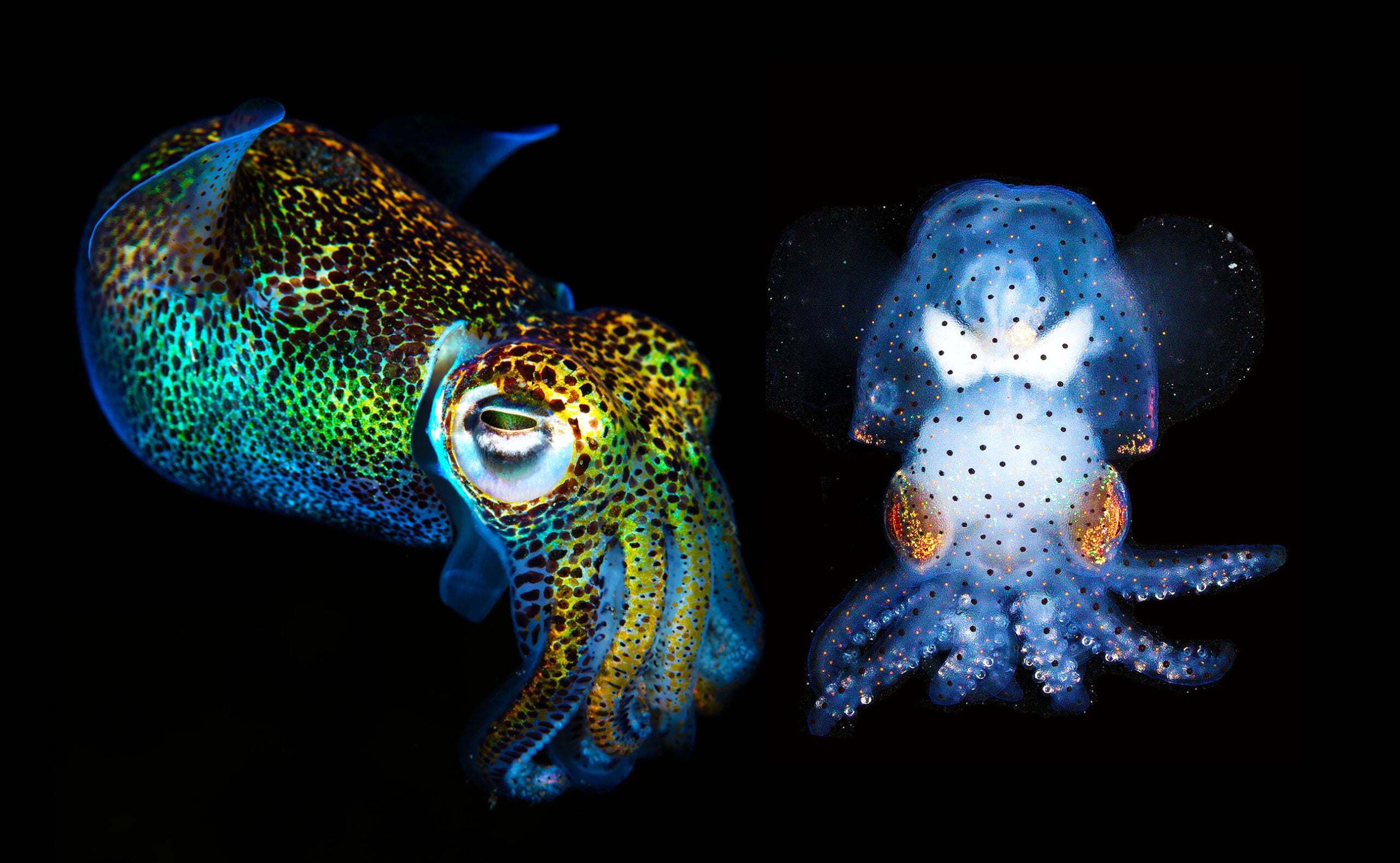
Scientists have genetically engineered an albino transparent squid, Euprymna berryi, in the lab using CRISPR-Cas9 genome editing. This is the first time scientists have been able to breed a genetically modified cephalopod over multiple generations. The transparent squid will enable researchers to study these intriguing marine animals in ways we’ve never been able to before, particularly in the field of neurobiology. The creation of this genetically engineered transparent squid is a significant leap forward in our understanding of cephalopods and will stimulate further study and provoke thought-provoking questions.

science2 years ago

Insights into Antioxidant and Metabolic Enzymes for DNA Repair

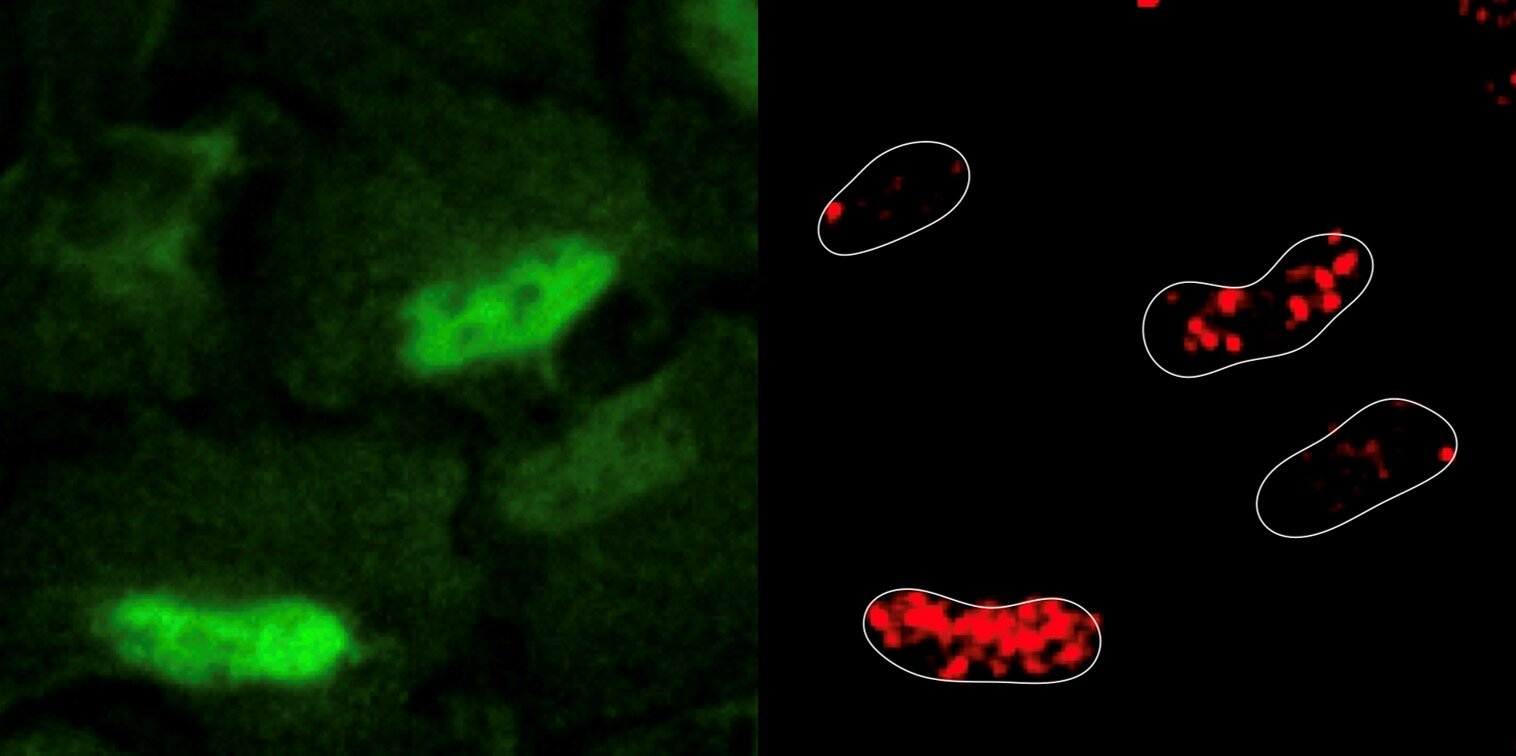
Researchers have discovered that the nucleus is metabolically active and that metabolic enzymes are present in the nucleus to repair DNA damage. The researchers used CRISPR-Cas9 to identify metabolic genes that were important for cell survival in this scenario. They found that cells order the enzyme PRDX1, an antioxidant enzyme also normally found in mitochondria, to travel to the nucleus and scavenge reactive oxygen species present to prevent further damage. The findings can guide future lines of cancer research.

health2 years ago

"Unlocking Personalized Cancer Treatments through Gene Editing and Ancestry Analysis"

Researchers have developed a new method using CRISPR-Cas9 to model liver cancer tumor subtypes caused by mutations in the same genes. By targeting a single section of the mouse gene, Ctnnb1, researchers were able to produce two distinct tumor subtypes, enhancing protein activity to promote tumor growth, which could allow for the development of new therapeutic interventions in the future. This method allows researchers to investigate the phenomenon of exon skipping in living mice cells using CRISPR, which could someday help researchers develop new therapeutic interventions.

health2 years ago

Revolutionary Bacterial Syringe Delivers Programmable Protein and Gene Therapy to Human Cells.

Researchers have developed a technique that uses a molecular 'syringe' to deliver potentially therapeutic proteins into human cells grown in the laboratory. The technique could offer a new way to administer protein-based drugs and could also be useful for delivering the components needed for CRISPR-Cas9 genome editing. The system was unable to transport the mRNA guide needed for CRISPR-Cas9 genome editing, but the team is developing ways to do this. The molecular syringe is used by some bacteria to infect their hosts and transport proteins through the perforation and into the cell.