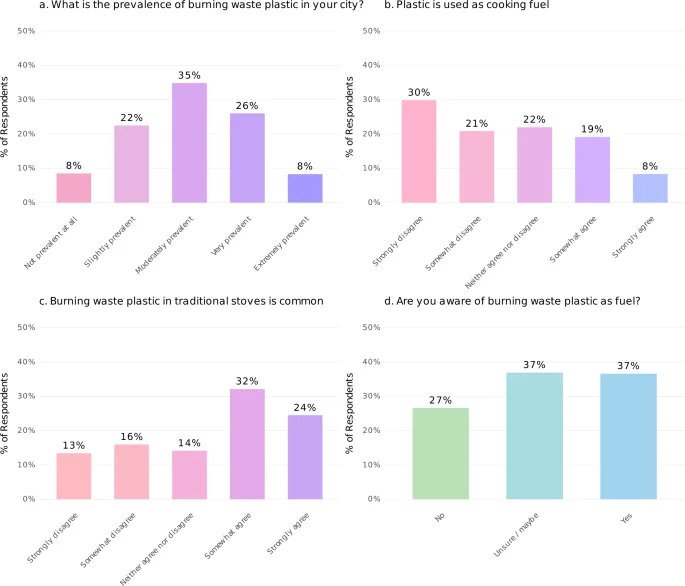
The article investigates the widespread practice of burning plastic waste as household fuel in low-income urban communities across the Global South, highlighting its prevalence, drivers such as inadequate waste management and energy poverty, and associated health and environmental risks, while emphasizing the need for improved waste systems and clean energy access to mitigate this issue.
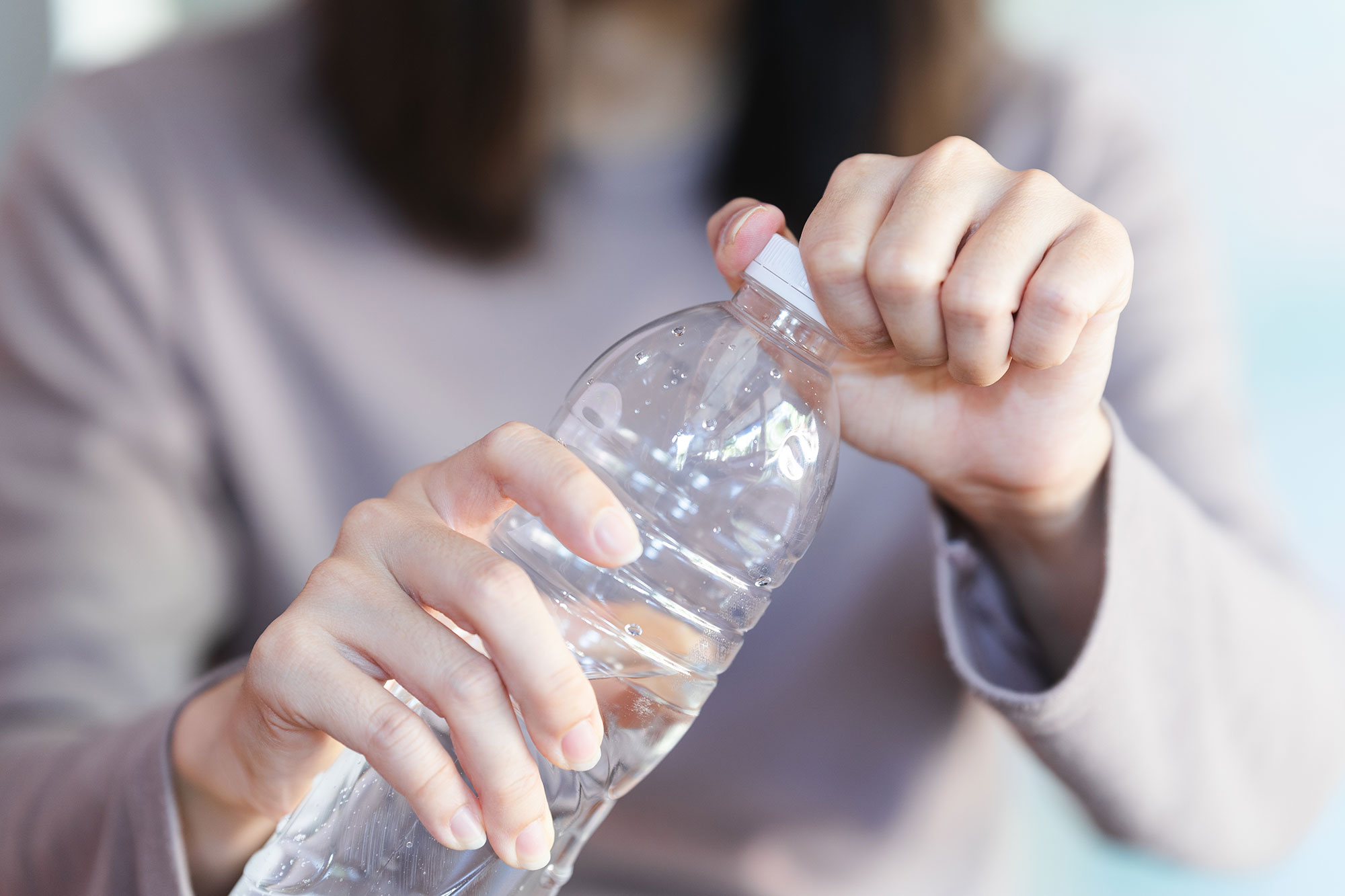
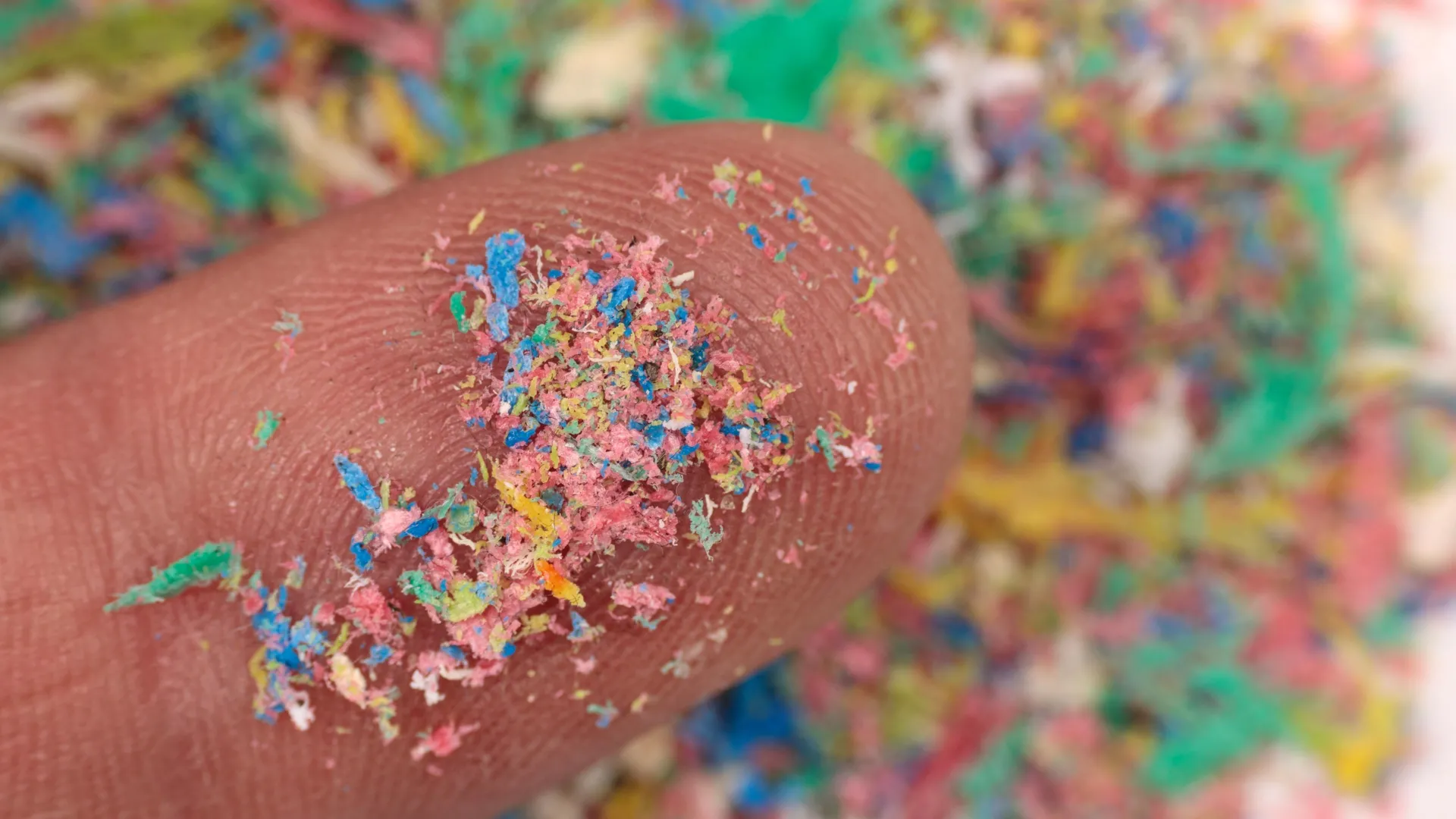
A scientist warns that daily consumption of bottled water introduces tens of thousands of micro- and nanoplastics into the body, which may cause chronic health issues such as inflammation, hormone disruption, and neurological damage, though long-term effects are still not fully understood. Education and awareness are crucial to mitigate these risks.
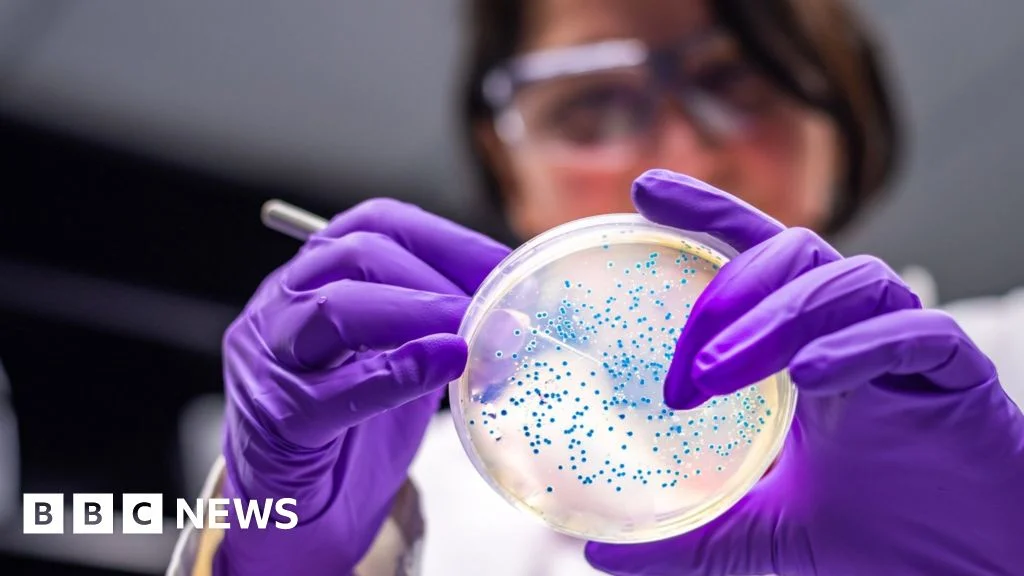
Scientists have genetically engineered E. coli bacteria to convert waste plastic into painkillers like paracetamol, building on its long history as a versatile tool in biotechnology for producing pharmaceuticals and chemicals. While E. coli remains the dominant organism due to its robustness and extensive research background, there is growing interest in exploring other microbes like Vibrio natriegens for more sustainable and efficient biotechnological applications.
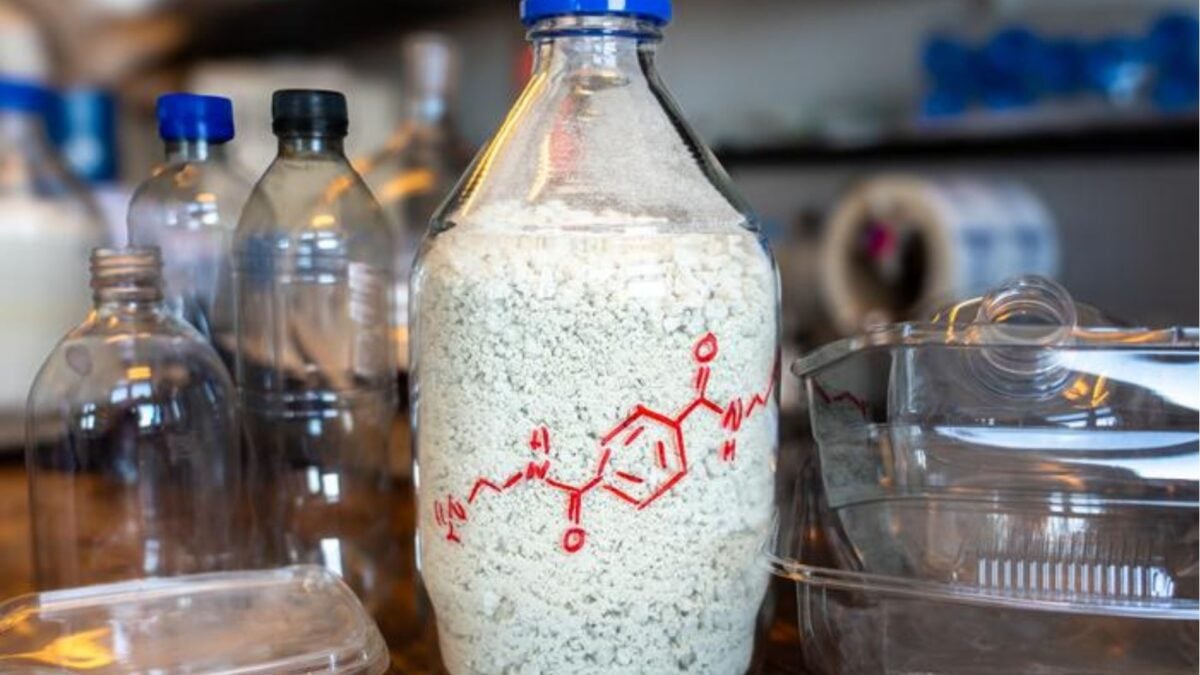
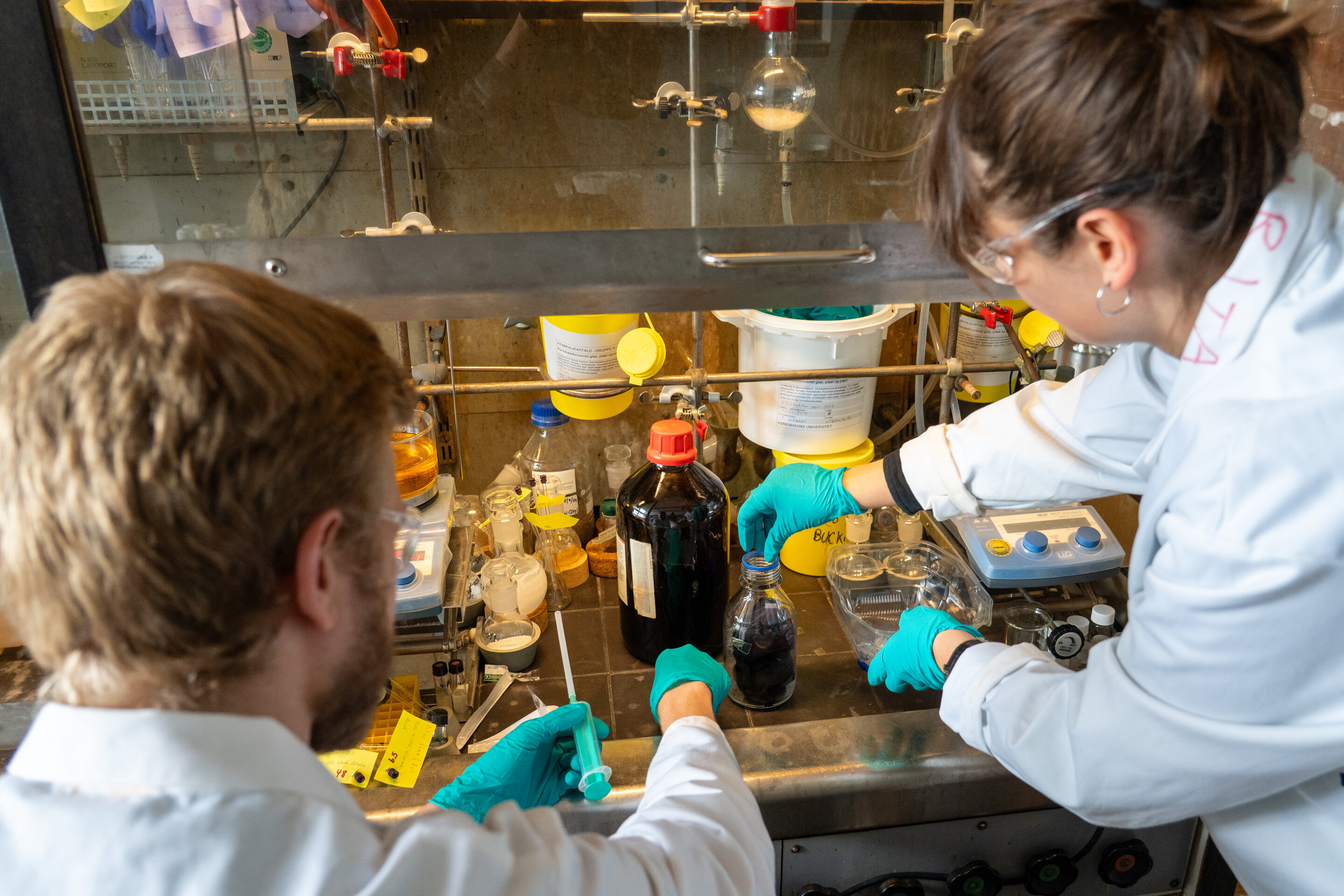
A Danish research team has developed a method to convert decomposed PET plastic waste into a material called BAETA that efficiently captures CO2, offering a dual solution to plastic pollution and climate change by turning waste into a resource for reducing greenhouse gases.
Scientists at the University of Copenhagen have developed a method to convert PET plastic waste into a material called BAETA that efficiently captures CO2, addressing both plastic pollution and climate change by turning waste into a useful resource for industrial carbon capture.
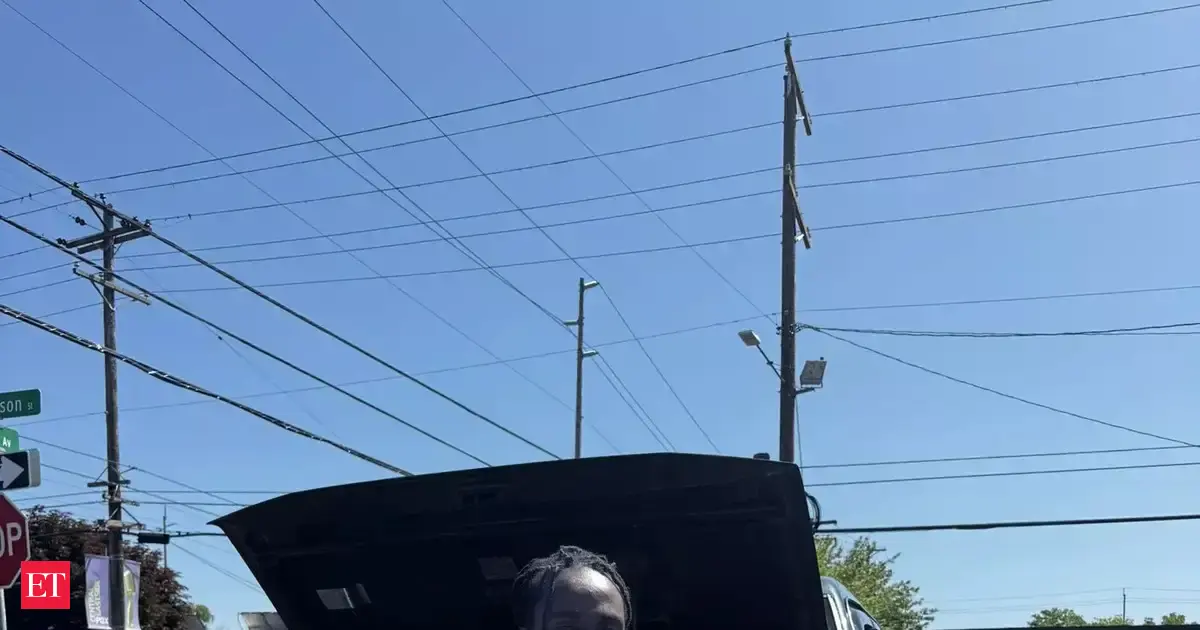
Julian Brown, a young Atlanta inventor known for creating Plastoline, a machine that converts plastic waste into fuel, has been missing for two weeks following cryptic social media posts indicating he felt threatened and was being followed. His disappearance has sparked online concern and speculation that he may have been targeted due to his innovative work disrupting traditional industries.
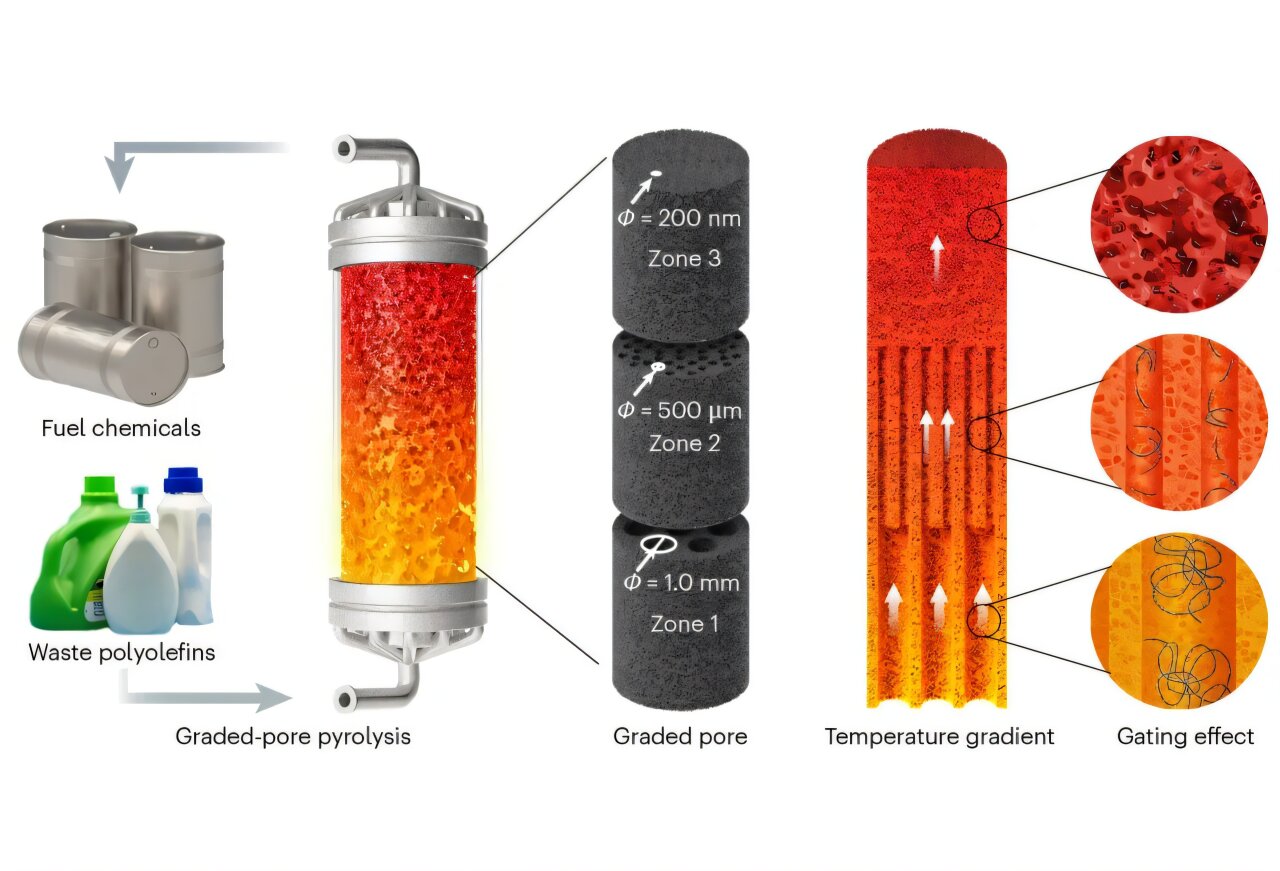
Yale researchers have developed a catalyst-free pyrolysis device using a 3D-printed, hierarchical porous carbon reactor that efficiently converts plastic waste into fuels, achieving a record-high 66% conversion rate, offering a promising solution for plastic waste management.
Scientists have estimated that approximately 27 million tons of nanoplastics are present in the North Atlantic Ocean, revealing a vast amount of tiny plastic particles that are difficult to clean up and pose potential risks to marine life and human health. The study highlights the importance of preventing further plastic pollution rather than attempting to remove existing nanoplastics.
Scientists have developed a method using genetically modified E. coli bacteria to convert plastic waste into the painkiller paracetamol, offering a sustainable way to produce drugs while cleaning up environmental plastic pollution.
New research published in Nature Communications reveals that satellites, even those not specifically designed for the task, can effectively track ocean garbage from space. By analyzing images from the Copernicus Sentinel-2 mission, researchers identified litter windrows in the Mediterranean Sea, highlighting pollution hotspots and seasonal variations. This breakthrough could enhance future satellite missions and improve environmental monitoring, ship navigation, and search-and-rescue operations.
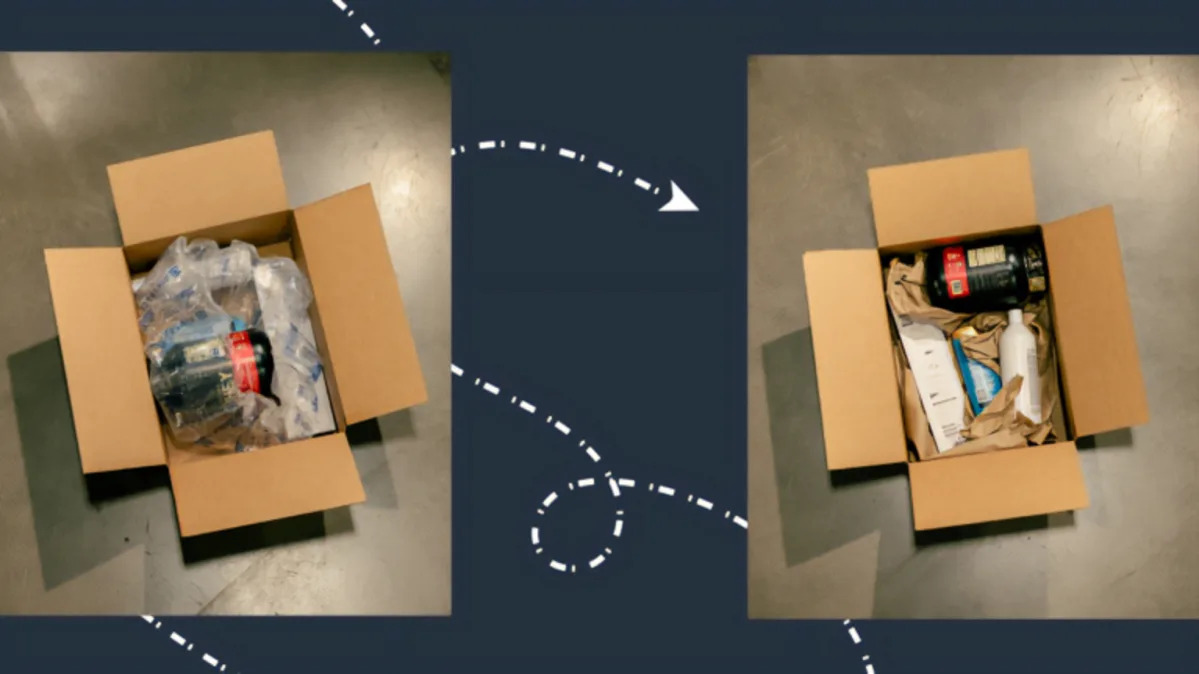
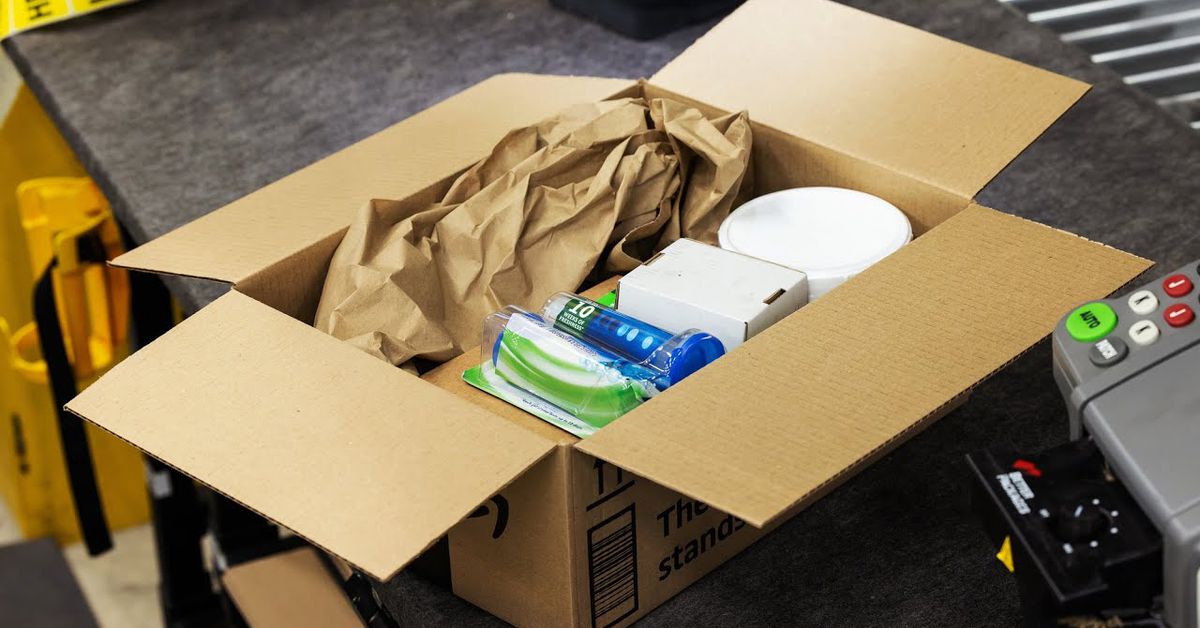
Amazon has announced a significant reduction in the use of plastic air pillows in its packaging, cutting down by 95% and planning to eliminate them entirely by the end of the year. The company is switching to crumbled paper filler to reduce plastic waste and focus on recycled materials, aiming to use paper filler for nearly all deliveries on Prime Day. This move addresses concerns about plastic pollution, which has surged with Amazon's growth, especially during the COVID pandemic.
Amazon is set to eliminate plastic air pillows from its North American delivery packaging by the end of the year, replacing them with 100% recycled paper filler. This change will remove nearly 15 billion plastic air pillows annually. Despite progress in other regions, Amazon has been slower to transition to paper packaging in the US. Conservation group Oceana acknowledges the improvement but urges Amazon to further reduce single-use plastic packaging globally.
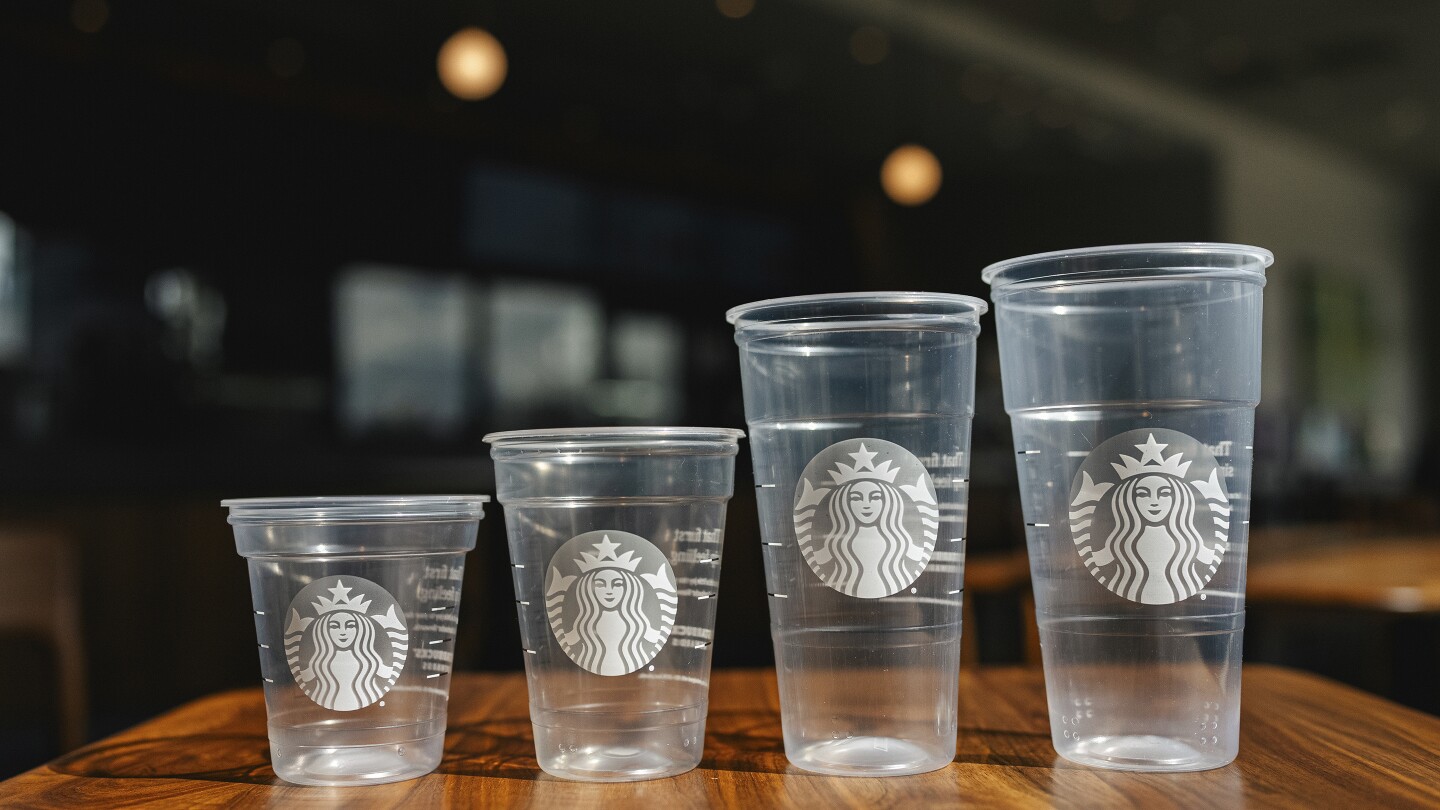
Starbucks plans to introduce new disposable cups made with up to 20% less plastic to address the growing plastic waste from its popular cold drinks, aiming to keep over 13.5 million pounds of plastic out of landfills annually. The company also made other changes, including raised dots for baristas to identify cup sizes and a reusable cup program in Europe, the Middle East, and Africa. Starbucks aims to make all its packaging reusable, recyclable, or compostable by 2030, but advocacy groups urge further reduction in single-use plastic and incentives for customers who bring their own cups.
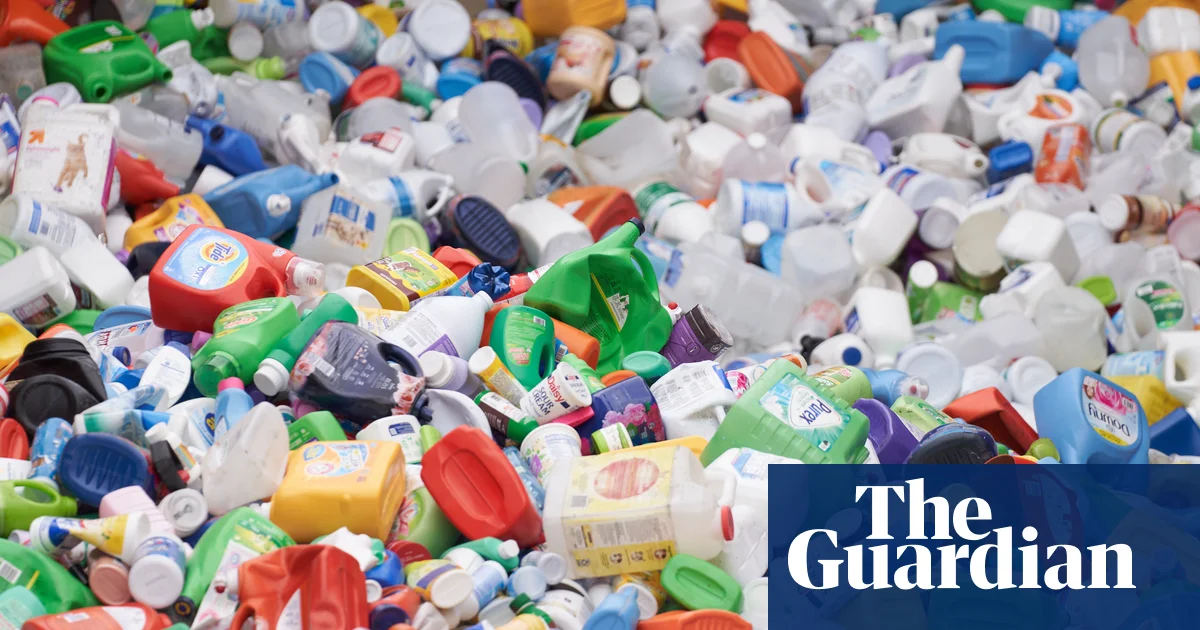
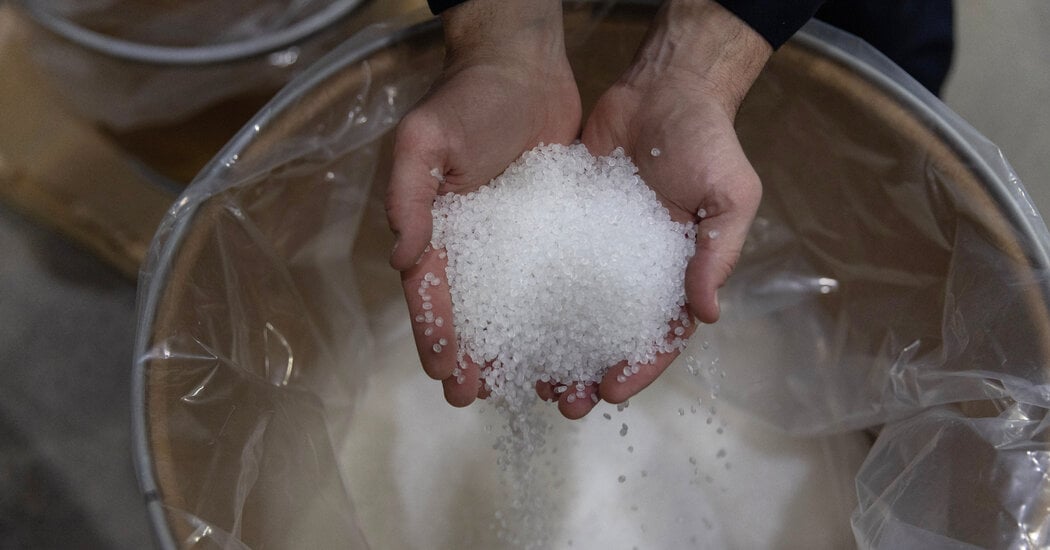
Big companies like Procter & Gamble and Nestlé are banking on a new generation of recycling plants, known as "advanced" or "chemical" recycling, to help them meet their environmental goals, promising to recycle a wider range of products than current methods allow. However, the technology is struggling to deliver on its promise, despite being hailed by the plastics industry as a solution to the global waste problem.
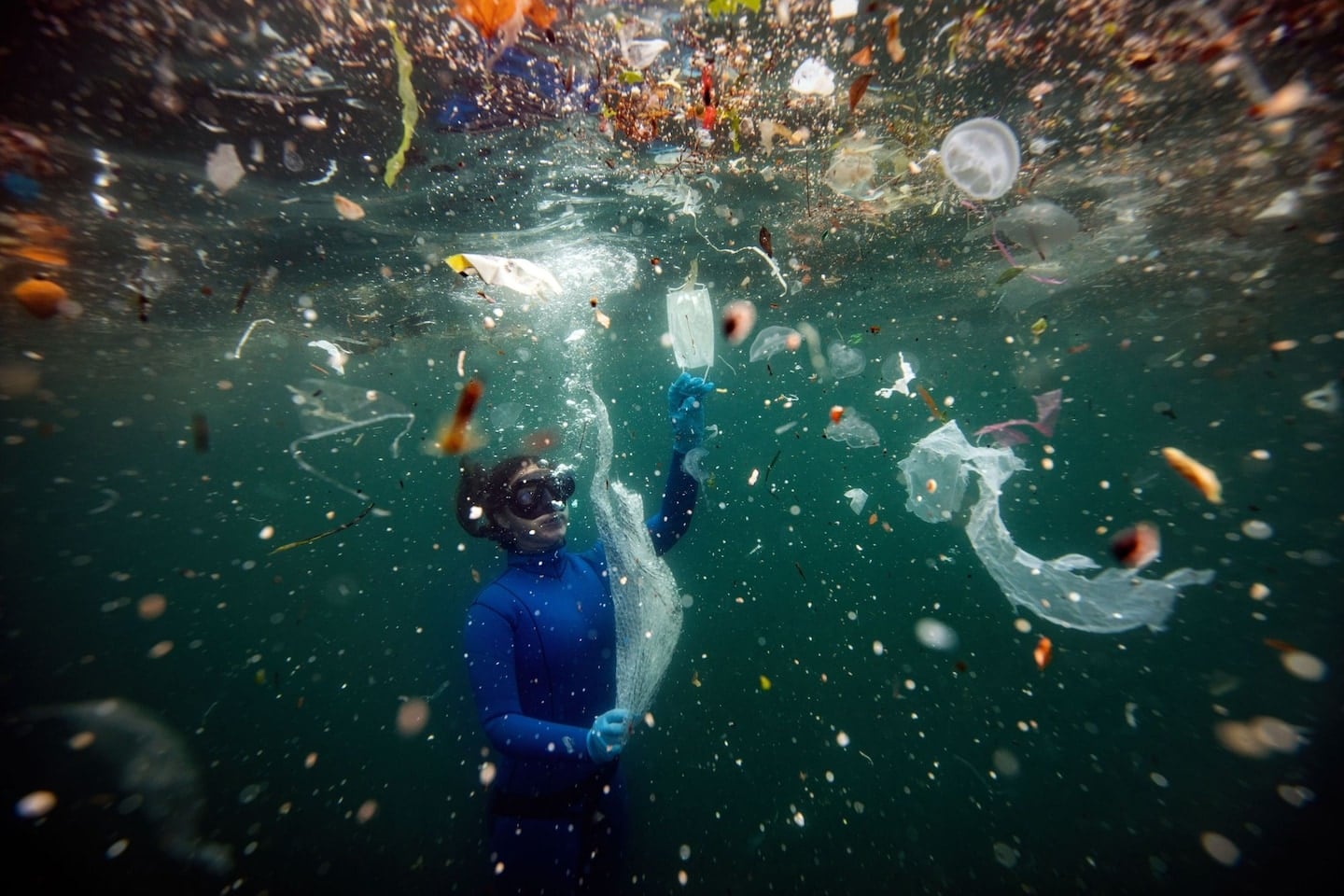
A new study published in Environmental Science & Technology reveals that plastic pollution is more widespread in the Pacific Ocean than previously thought, with significant amounts of plastic waste and microplastics found in remote marine protected areas. Researchers from the Helmholtz Centre for Environmental Research and the Alfred Wegener Institute conducted a five-week expedition and discovered that plastic pollution is not only concentrated in well-known areas like the Great Pacific Garbage Patch, but also present across the entire ocean ecosystem. The study highlights the serious threat posed by ocean plastics to marine life and the potential risks to human health through the consumption of seafood contaminated with microplastics.