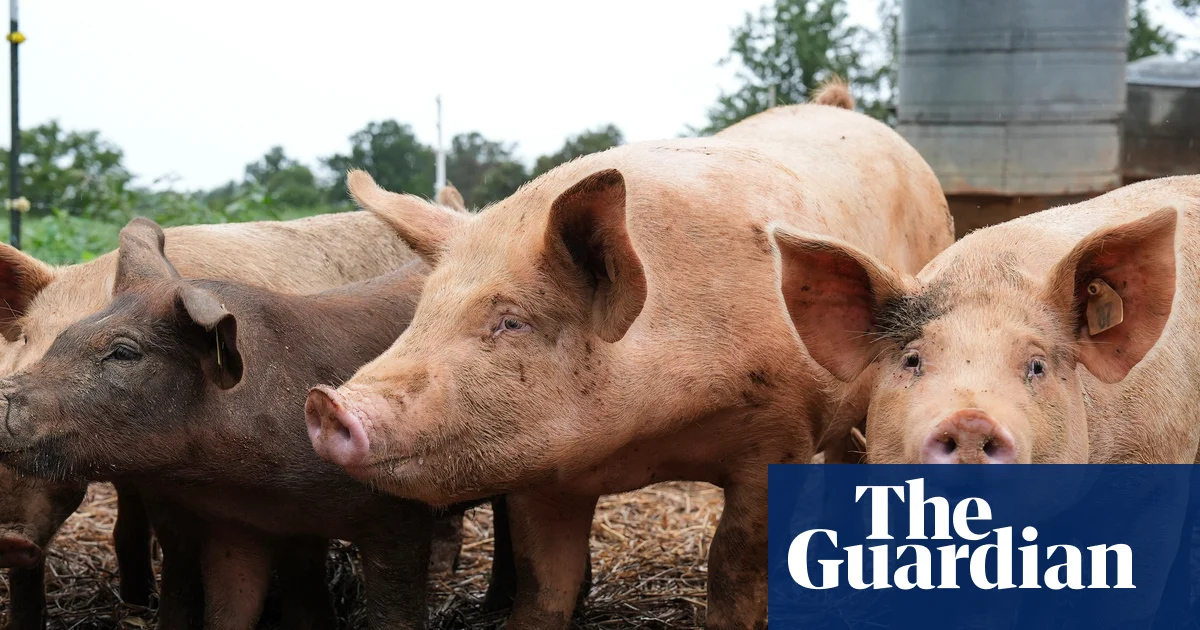
A 71-year-old man in China received the first successful genetically modified pig liver transplant, marking a significant milestone in xenotransplantation. Although the patient passed away after 171 days due to complications, the procedure demonstrated the potential of animal organs in human medicine, highlighting both progress and ongoing challenges in the field.
Scientists successfully transplanted a genetically modified pig lung into a brain-dead human, marking a significant step in xenotransplantation, though the organ was rejected after nine days, highlighting both progress and challenges in developing animal-to-human organ transplants.
Chinese surgeons successfully transplanted a genetically modified pig lung into a brain-dead human, with the lung functioning for nine days without rejection or infection, marking a significant step in xenotransplantation despite ongoing challenges.
Doctors in China performed the first-ever pig-to-human lung transplant on a brain-dead patient using genetically modified pig lungs to study immune response and organ viability, with the lung functioning for nine days before signs of rejection appeared, marking a significant step in xenotransplantation research.
Surgeons successfully transplanted a genetically modified pig lung into a brain dead human, functioning for nine days, marking a significant but preliminary step in xenotransplantation to address organ shortages, with ongoing challenges in immune response and long-term viability.
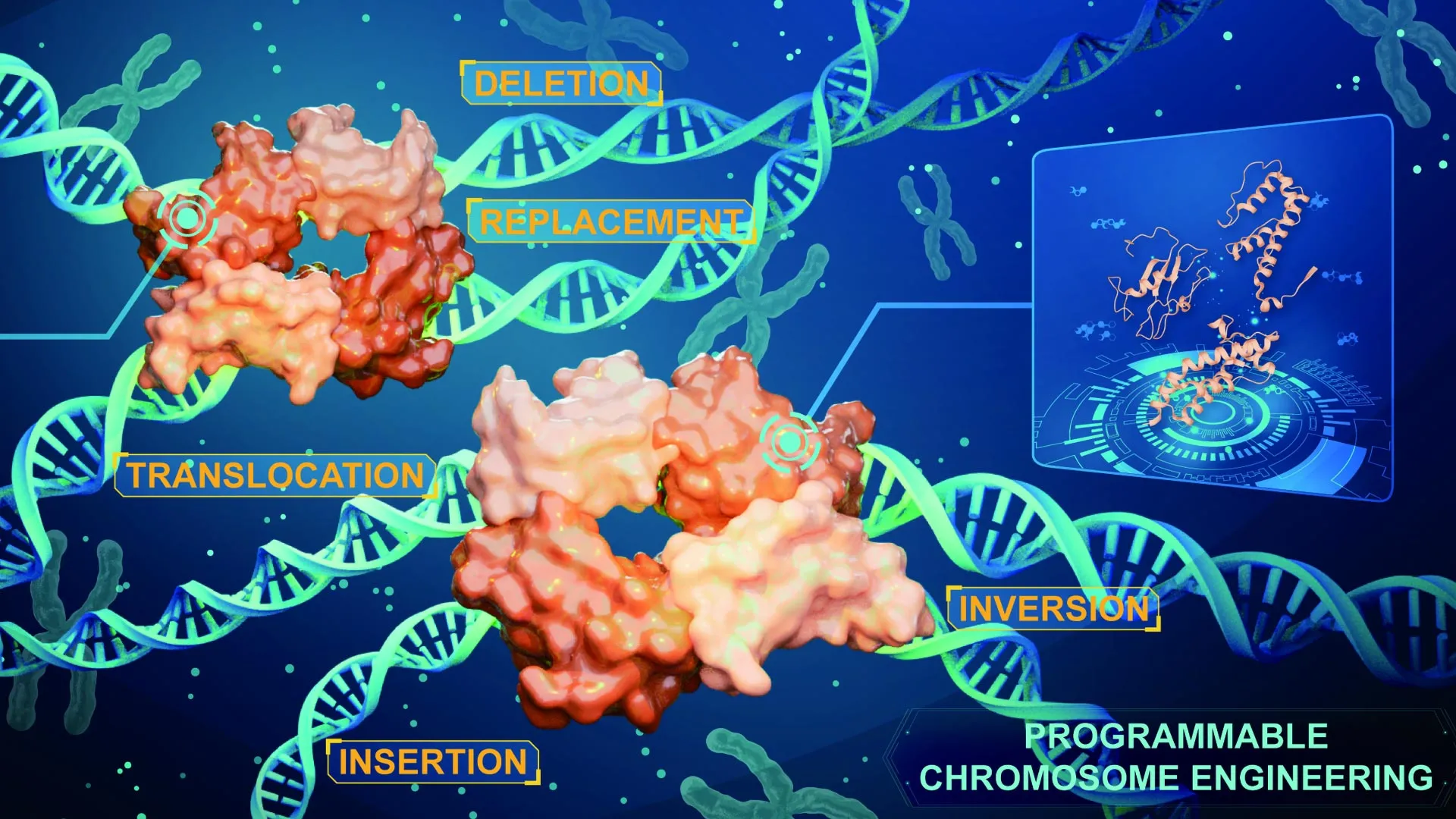
Chinese researchers have developed advanced genome editing technologies called Programmable Chromosome Engineering (PCE) systems, enabling precise, scarless manipulation of entire chromosomes in plants and animals, demonstrated by creating herbicide-resistant rice with a 315-kb inversion, overcoming previous limitations of the Cre-Lox system.
Researchers at McGill University have successfully used CRISPR-Cas9 technology to genetically modify oats, making them more resilient to climate change and potentially transforming the $900 million Canadian oat industry by enabling faster breeding of crops that can better withstand environmental stresses.
Researchers at Stanford have genetically modified gut bacteria to break down oxalate, a substance linked to kidney stones, showing promising results in rats and early human trials, though challenges like bacterial mutation remain to be addressed.
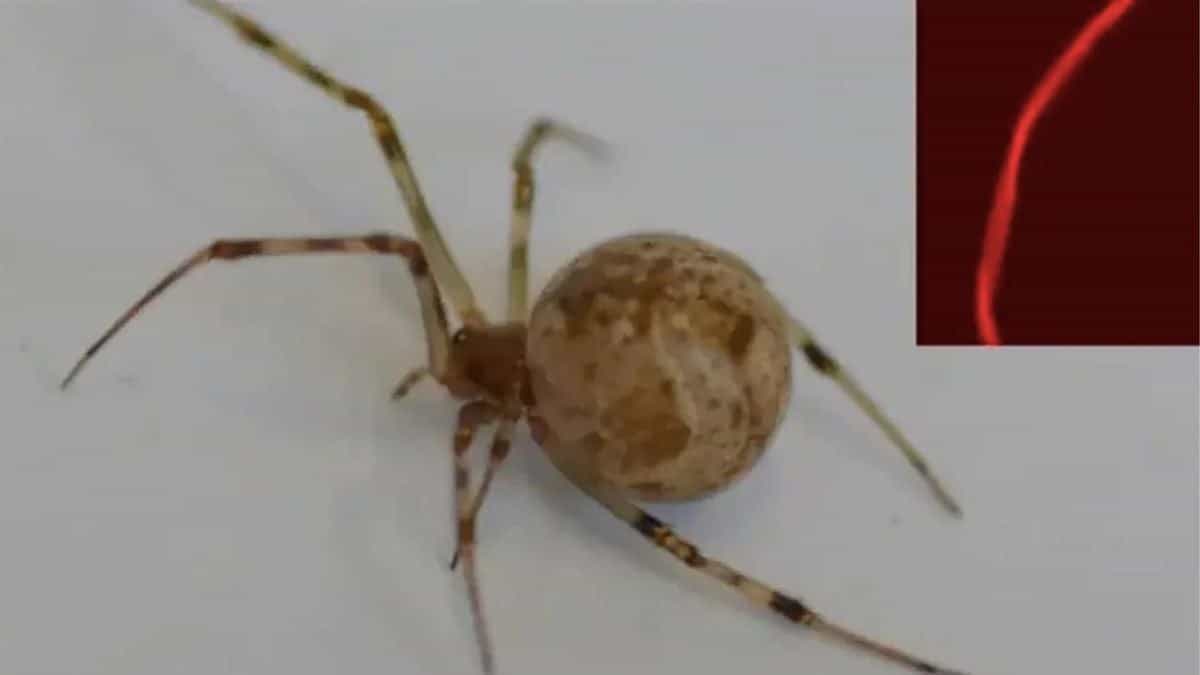
Scientists in Germany used CRISPR-Cas9 to genetically modify a common house spider to produce red fluorescent silk, marking the first successful application of gene editing in spiders and opening new possibilities for custom biomaterials.
Researchers have successfully used CRISPR-Cas9 gene editing to treat an infant with a severe CPS1 deficiency, a genetic disorder affecting ammonia breakdown, marking a significant step in personalized in vivo gene therapy for genetic disorders.
Researchers in Germany have successfully used CRISPR-Cas9 to create the world's first genetically modified spider that produces fluorescent red silk, opening new possibilities for advanced materials and biomedical applications, despite the challenges of working with arachnids.
Scientists at UC San Diego's Scripps Institution of Oceanography have successfully created the first transgenic sea urchins, which glow under fluorescent light due to the insertion of jellyfish DNA. This breakthrough allows for easier genetic modification and study of sea urchins, potentially transforming them into a widely accessible model organism for research in neurobiology, developmental biology, and toxicology. The goal is to make these genetically modified urchins available to researchers globally, similar to how transgenic mice and fruit flies are used in labs.
In response to the biodiversity crisis in Australia, scientists are considering "assisted evolution" as a means of protecting vulnerable wildlife by altering their genomes through techniques such as crossbreeding and gene editing. With habitat degradation, invasive species, infectious diseases, and climate change threatening native animals, some experts believe that traditional conservation methods may no longer be sufficient to safeguard Australia's unique creatures.
Light Bio, a biotechnology firm, has developed genetically modified petunias that exhibit bioluminescence by inserting genes from a bioluminescent mushroom into the plant, allowing it to produce enzymes that emit sustained greenish light. The petunias, approved by the Department of Agriculture, are now being shipped to the first gardeners in the US and are expected to glow brighter with proper care. The company chose non-invasive petunias to minimize the risk of modified genes spreading into native plants, and the technology is also used for scientific research and decorative purposes.
Genetic modification has led to the creation of a new bioluminescent petunia called the Firefly Petunia, which glows in the dark due to genes from a bioluminescent mushroom and a fungi. Despite initial challenges, the plant now sustains its own glow without the need for additional chemicals. The U.S. Department of Agriculture approved the plant last fall, and it has recently become available for purchase online. While some may have concerns about genetically modified plants, experts believe that the Firefly Petunia could attract new customers to gardening and bring joy through its magical glow.