Tag

Biophysics

All articles tagged with #biophysics

science1 year ago

Discover the Hidden Clam Cathedrals Around You

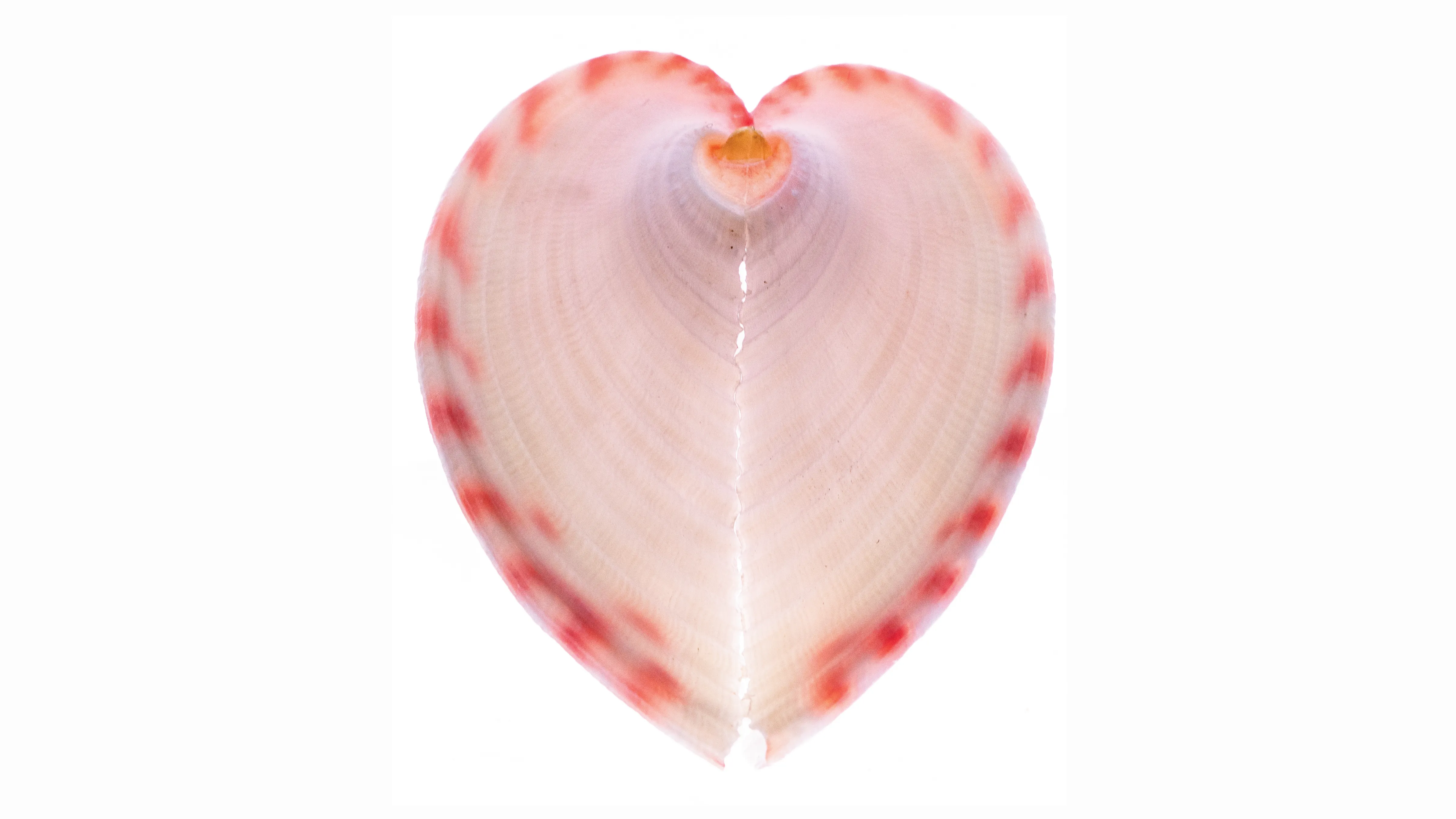
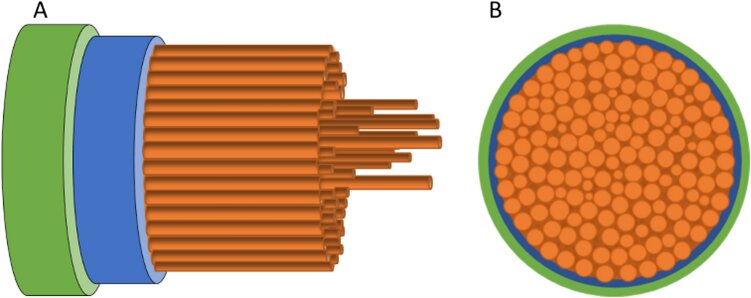
Biophysicist Dakota McCoy and her team have discovered that the heart cockle clam, Corculum cardissa, has shell structures that function like fiber optic cables, allowing beneficial sunlight to penetrate and sustain algae living inside. This natural phenomenon, reminiscent of stained glass windows, was detailed in a recent Nature Communications paper, highlighting the clam's unique adaptation long before human engineering achieved similar results.

science1 year ago

"Unveiling the Origin of Life: Decoding Early Earth's RNA Puzzle"

Biophysicists have discovered that simple heat flows in primordial times could have fostered the first prebiotic reactions, leading to the selective accumulation and up-concentration of prebiotic building blocks in rock fissures. This process could have created a "molecular kitchen" in large geological network systems, providing the necessary conditions for the emergence of life's ingredients. The researchers aim to further investigate the potential of this system in preparing the "dishes" of life as part of the Collaborative Research Centre "Molecular Evolution in Prebiotic Environments."

science2 years ago

"Revealing the Hidden Symmetries of Living Tissue: Biophysicists' Groundbreaking Discovery"

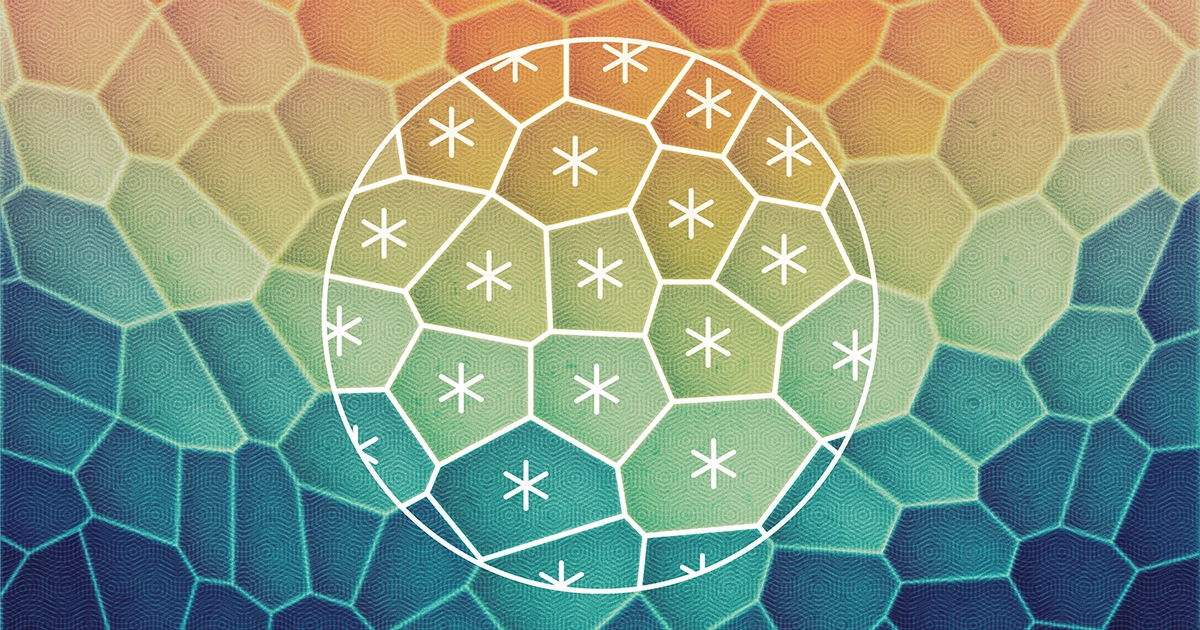
Biophysicists at Leiden University have discovered that sheets of epithelial tissue, which make up skin and internal organs, exhibit two distinct symmetries that coexist at different scales, similar to liquid crystals. By using mathematical tools and experimental data, the researchers were able to demonstrate the presence of both sixfold and twofold rotational symmetries in the tissue. This finding could allow for the application of fluid dynamical simulations to predict the movement and deformation of living tissues, potentially aiding in understanding processes such as wound healing and cancer metastasis.

science2 years ago

"Revealing the Hidden Symmetries of Living Tissue: Biophysicists' Groundbreaking Discovery"

Biophysicists have discovered that living tissues exhibit both sixfold and twofold symmetries simultaneously, resolving a long-standing contradiction between experimental and theoretical observations. By studying thin layers of epithelial tissue, researchers were able to distinguish the nested symmetries using a mathematical object called a shape tensor. The findings have implications for understanding the behavior of tissues and could help shed light on processes such as cancer metastasis and embryogenesis. The study highlights the importance of structure in determining the forces and functions of tissues, offering new insights into the complex world of biology.

science-and-technology2 years ago

Unraveling the Secrets of the World's Strongest Spider Silk

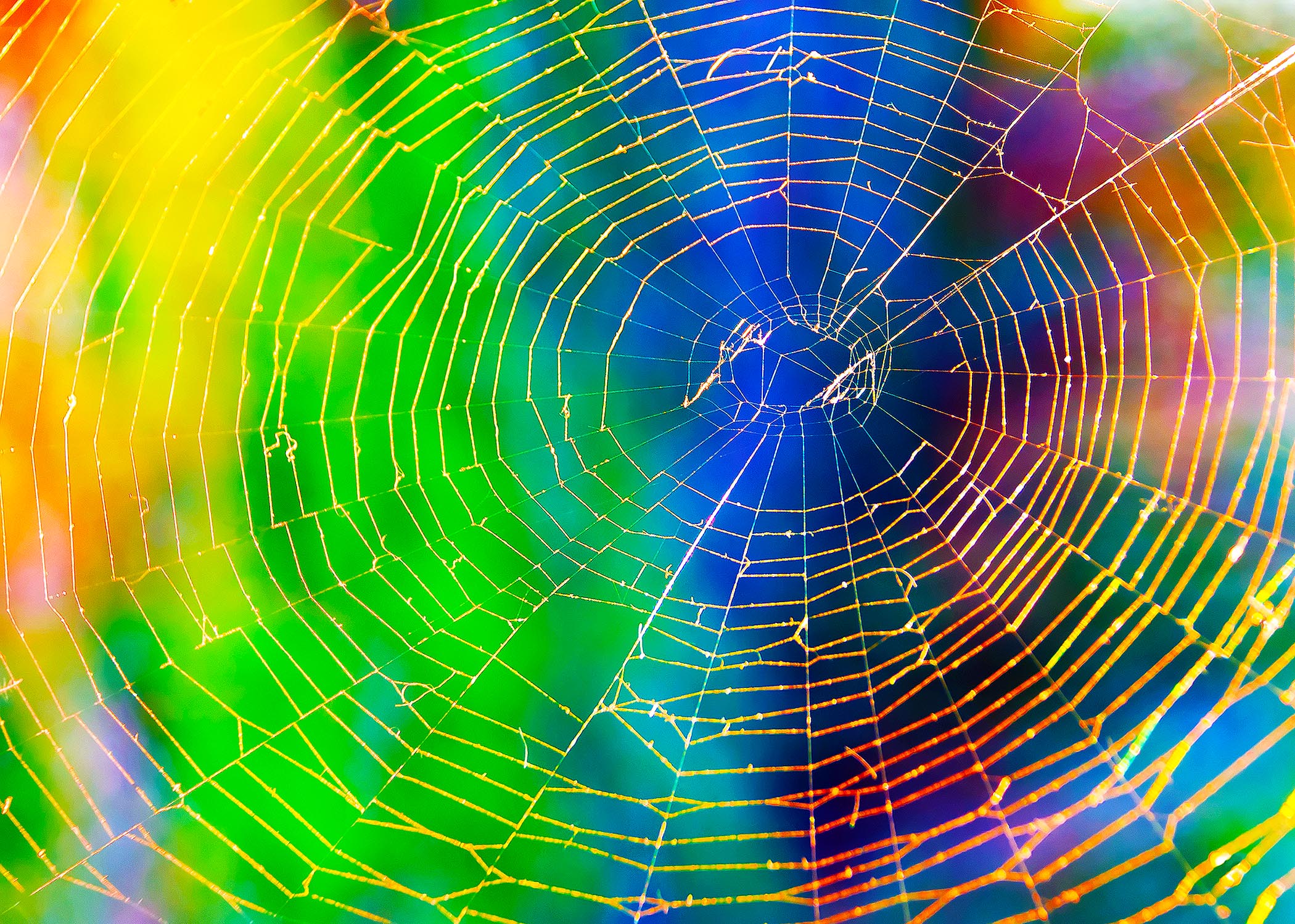
Scientists at the University of Southern Denmark have made progress in understanding the structure of spider silk, which is stronger than steel and tougher than Kevlar. Using advanced microscopy techniques, they discovered that spider silk consists of two outer layers of lipids and tightly packed fibrils inside the fiber. The findings suggest that there is no need to twist the fibrils when attempting to create synthetic spider silk. Understanding the structure of spider silk could lead to the development of lightweight and flexible materials that could replace Kevlar, polyester, and carbon fiber in various industries.

science-and-technology2 years ago

Unleashing Biophysics Discovery: The Power of Exascale Supercomputers

The fusion of high-performance computing and biophysical research is driving revolutionary discoveries in biology, with next-generation supercomputers and AI tools playing crucial roles. The integration of computational modeling and experimental biophysics is enabling biophysicists to challenge assumptions, illuminate intricate details, and even design novel molecular circuits. The advent of exascale supercomputers, such as Frontier, coupled with the proliferation of AI tools tailored for biophysics, is bridging the gap between simulation and observation, paving the way for unprecedented discoveries and reshaping our understanding of the biological world.

science-and-technology2 years ago

Unleashing a Biophysics Discovery Era: The Exascale Revolution

The next generation of supercomputers is revolutionizing the field of biophysics, allowing computational biophysicists to simulate complex biological processes with unprecedented detail. This fusion of computational modeling and experimental biophysics is reshaping the landscape of biophysics research, enabling scientists to challenge assumptions, illuminate intricate details, and even design new proteins or molecular circuits. The integration of advanced high-performance computing and artificial intelligence tools tailored for biophysics is expected to redefine the frontiers of knowledge and lead to groundbreaking discoveries in the biological world.

science-and-technology2 years ago

Cracking the Code of the World's Strongest Spider Silk

Biophysicists at MIT have made a breakthrough in their investigation of spider silk, discovering that the fibers consist of at least two outer lipid layers and tightly packed fibrils in a linear arrangement. The researchers used advanced microscopy techniques to examine the silk without damaging it. Spider silk is renowned for its strength, resilience, and elasticity, and if scientists can crack the code to synthetic spider silk, it could revolutionize industries from bulletproof vests to construction materials.

science2 years ago

Unveiling the secrets of the world's strongest spider silk.

Researchers have used advanced microscopy techniques to study the internal parts of spider silk without cutting or opening the silk in any way. The spider's silk fiber consists of at least two outer layers of lipids, behind which there are numerous fibrils running in a straight, tightly packed side-by-side arrangement. The fibrils have a diameter ranging between 100 and 150 nanometers and are made up of proteins. Understanding how spiders create such strong fibers is important, but the fibers are also challenging to produce. Researchers are working on producing artificial spider silk using computational methods.

science2 years ago

New Class of Molecular Motors Discovered by Scientists

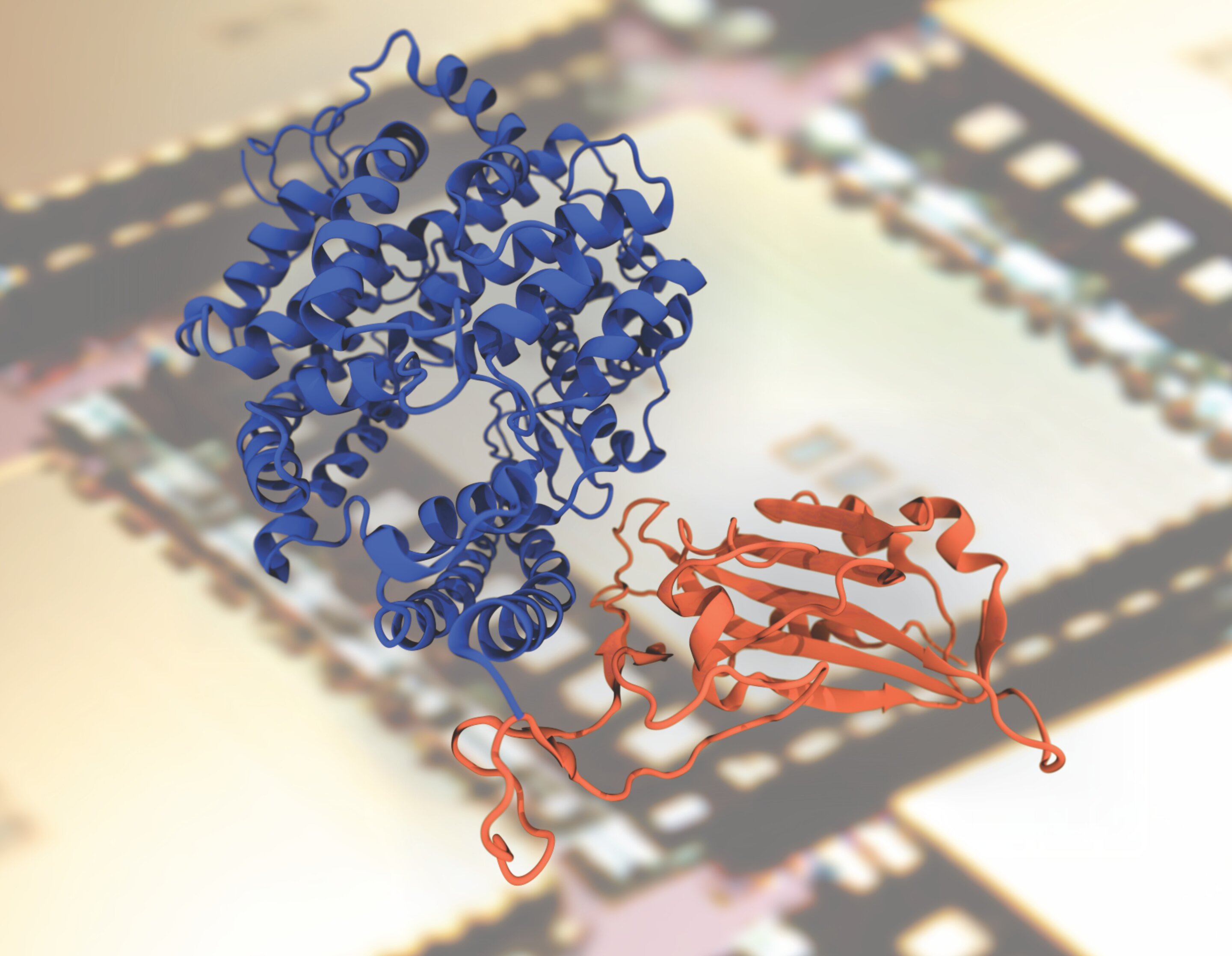
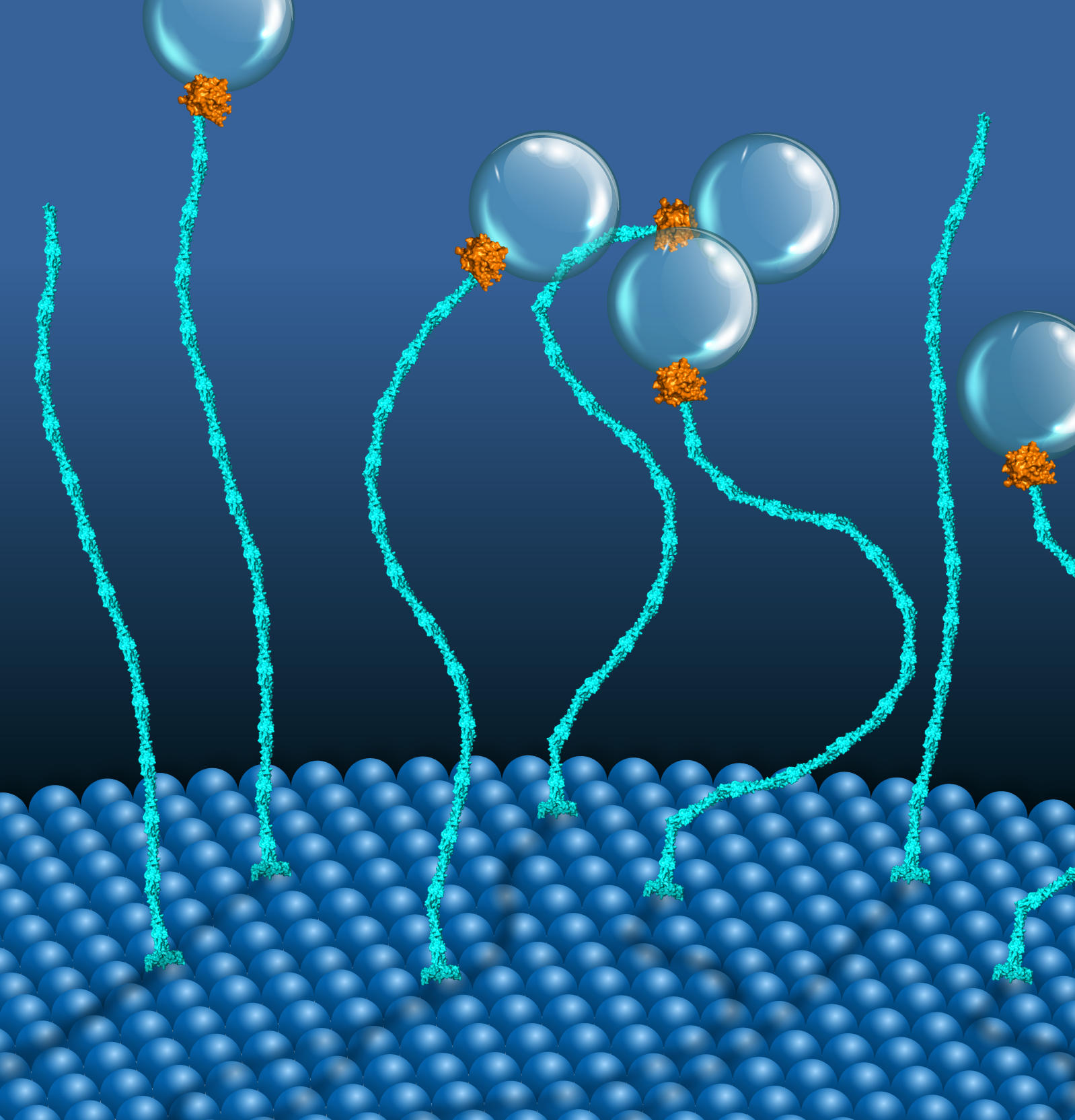
Researchers from the Max Planck Institute of Molecular Cell Biology and Genetics, the Cluster of Excellence Physics of Life, the Biotechnology Center of TU Dresden, and the National Centre for Biological Sciences in India have discovered a new molecular motor system that uses GTP instead of ATP and features a new mechanism for executing mechanical tasks. The motor, composed of two proteins, EEA1 and Rab5, can transfer chemical energy into mechanical work and play active mechanical roles in membrane trafficking. The team hopes that this new interdisciplinary study could open new research avenues in both molecular cell biology and biophysics.

evolutionary-biology2 years ago

The Emergence of Multicellularity: A De Novo Evolution.

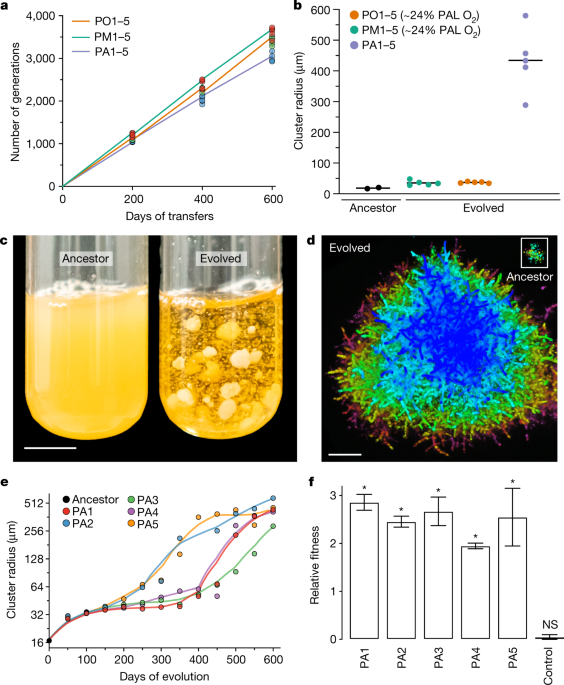
Researchers have demonstrated the de novo evolution of macroscopic multicellularity in yeast populations under laboratory conditions. The study shows that the evolution of multicellularity can occur through simple biophysical mechanisms, such as mechanical stress and cell adhesion, without the need for genetic changes. The findings shed light on the origins of multicellularity and have implications for understanding the evolution of complex life forms.