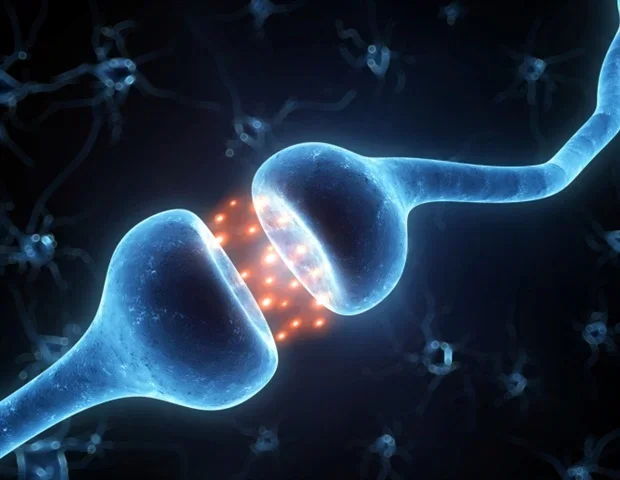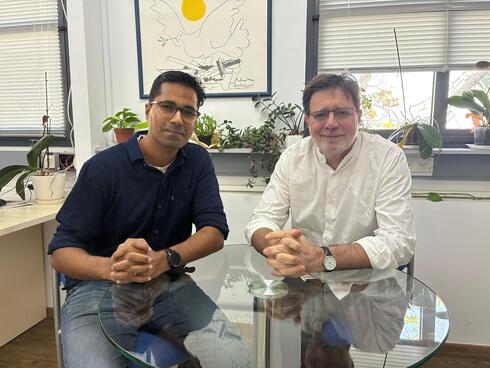
Israeli scientists discovered that brain cells may spread toxic proteins linked to Alzheimer's by expelling them into surrounding tissue, potentially accelerating disease progression, with implications for early diagnosis and targeted treatments.
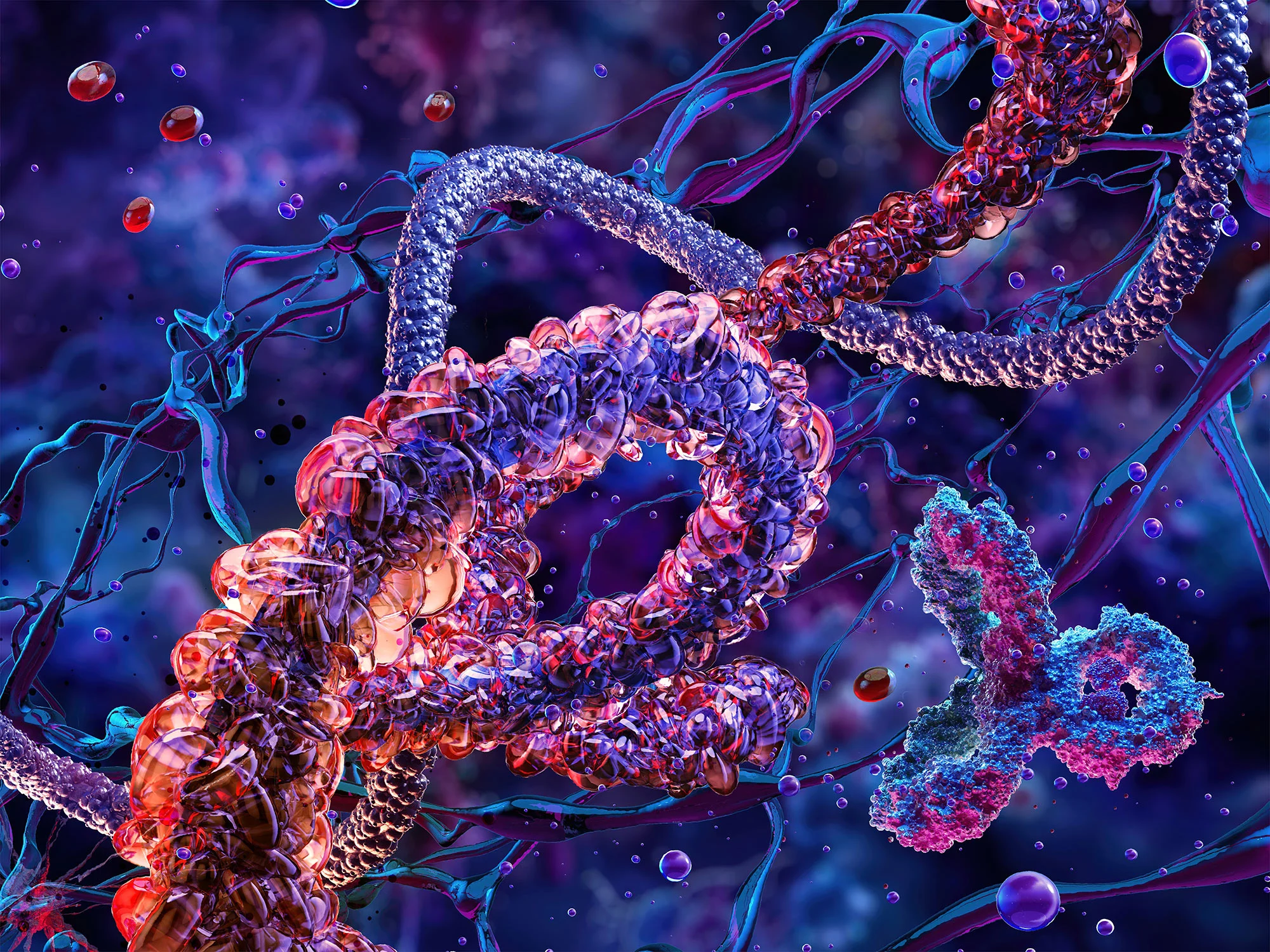
A study on fruit flies reveals that essential proteins involved in protecting chromosome ends are constantly evolving through an internal arms race, with key proteins like HipHop and HOAP adapting rapidly to counteract genetic threats while maintaining their core function of telomere protection.
A study shows that hormone therapy in trans women causes significant changes in blood proteins, aligning them more closely with cisgender women, which could impact health risks and treatment approaches.
Research from Melbourne shows that gender-affirming hormone therapy can significantly alter body proteins in transgender women to resemble those of cisgender women, potentially impacting health risks and highlighting the need for personalized healthcare approaches.
Scientists are studying 'death fold' proteins that regulate cell self-destruction to develop treatments for diseases like Alzheimer's and cancer, aiming to control when cells die or survive.
A study led by Ben-Gurion University, in collaboration with Harvard and Leipzig, found that green and Mediterranean diets can slow brain aging by reducing proteins linked to neurodegenerative diseases, suggesting diet's direct impact on brain health.
A large study links loneliness to changes in blood proteins that influence immune response, inflammation, and metabolic pathways, which are associated with increased risks of heart disease, stroke, diabetes, and early death, highlighting loneliness as a significant public health concern.
A new study suggests that simple chemical processes may explain how proteins, essential for life, first formed on Earth, shedding light on the origin of life.
Scientists have discovered that young blood serum, when combined with bone marrow cells, can activate anti-aging signals in human skin cells, potentially reversing signs of aging by promoting cell renewal and collagen production. This research, conducted using a 3D human skin model, highlights the role of specific proteins in this process and suggests promising avenues for future anti-aging therapies, although further testing in humans is needed.
A large study published in Cell reveals that human aging accelerates around age 50, with significant changes in protein patterns across various organs, especially blood vessels, pancreas, and spleen. The research highlights a decline in protein quality control and an increase in disease-related proteins, providing insights into the biological processes of aging and potential targets for interventions.
A new study reveals that human organs and tissues experience a rapid acceleration in aging around age 50, driven by changes in protein expressions linked to diseases like cardiovascular and liver conditions, highlighting a critical biological transition in the aging process.
A new study indicates that cellular aging accelerates between ages 45 and 55, with some organs showing signs of aging as early as age 30, highlighting the importance of lifestyle choices in extending healthy lifespan.
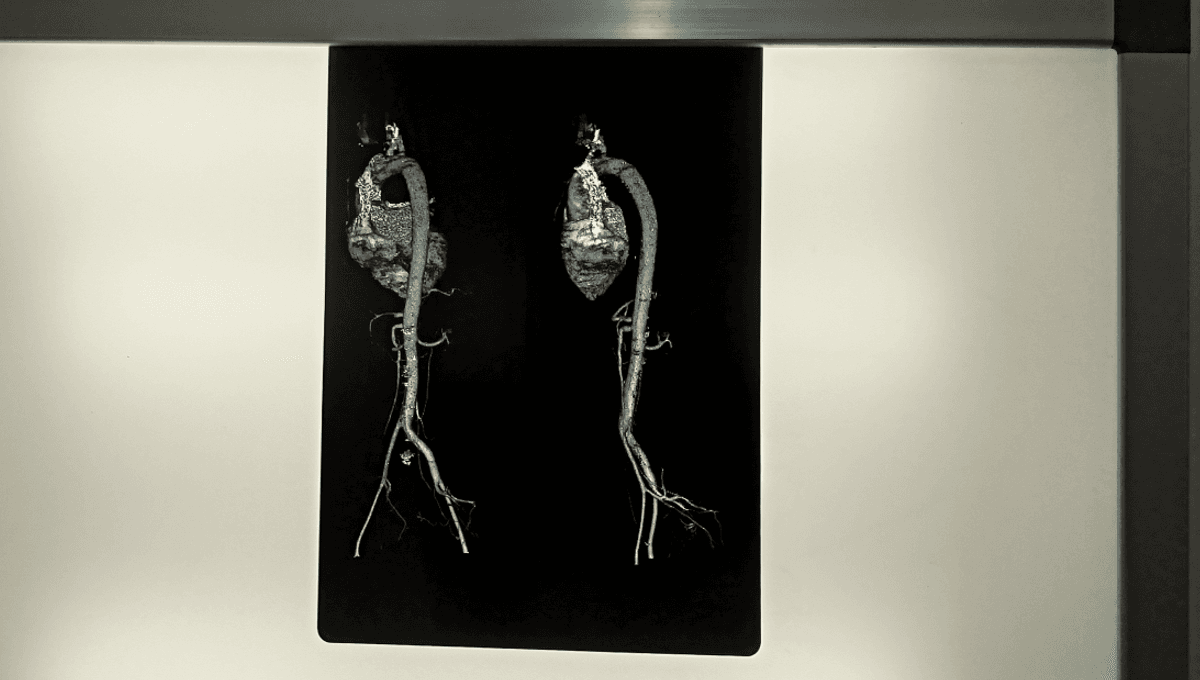
New research reveals that different organs age at varying rates, with the aorta aging the fastest and acting as an early sensor and broadcaster of aging signals through secreted proteins, opening new avenues for targeted aging interventions.
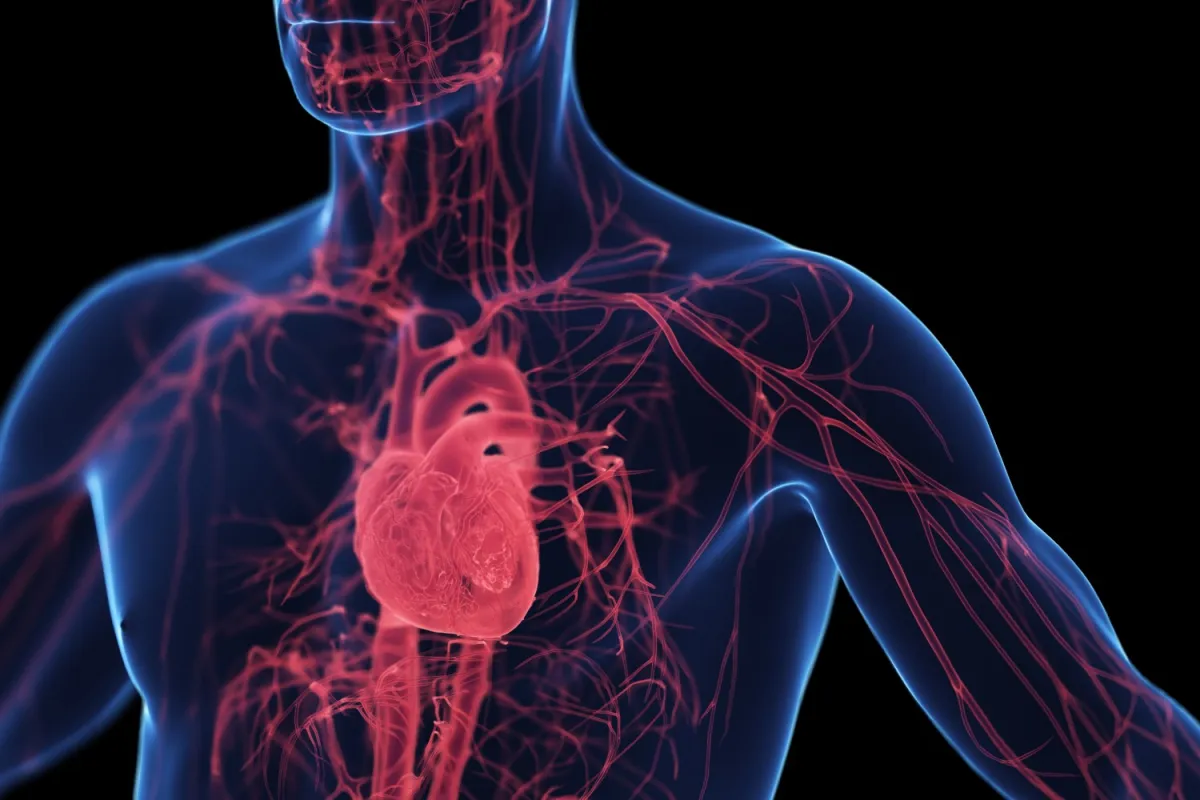
A recent study published in Cell reveals that different organs age at varying rates, with blood vessels being particularly vulnerable after age 50, and the adrenal gland showing early changes around age 30. Research into proteins as markers of biological age is advancing, promising new ways to predict and potentially slow age-related decline.
A study has identified a critical turning point around age 50 when human aging accelerates, with significant changes in tissue proteins, especially in blood vessels, which could inform targeted interventions for age-related diseases.