SpaceX is set to launch NASA's Pandora exoplanet satellite on January 11 from Vandenberg, aiming to study exoplanet atmospheres and star-planet interactions using multiwavelength observations to better understand worlds beyond our solar system.
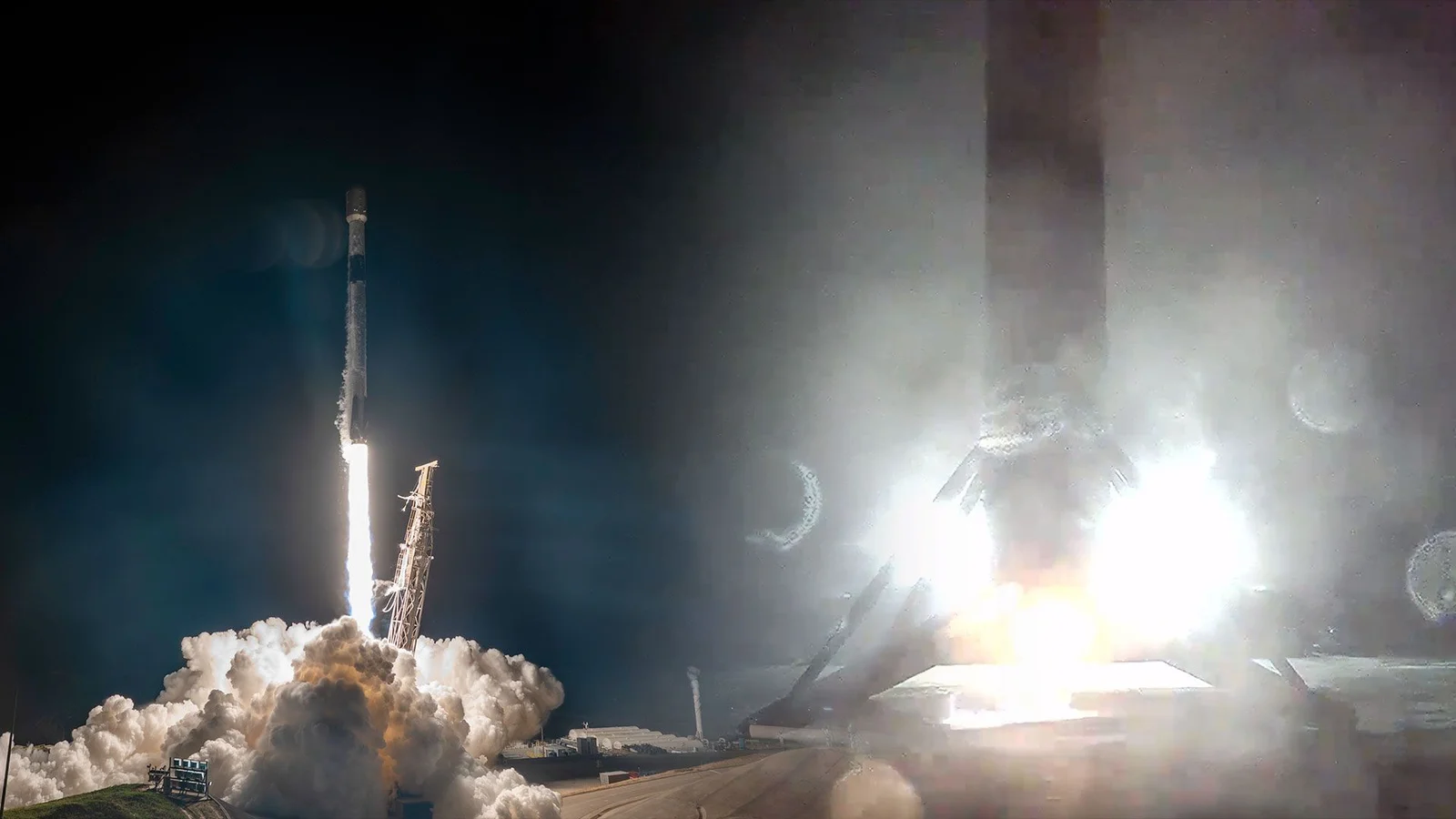
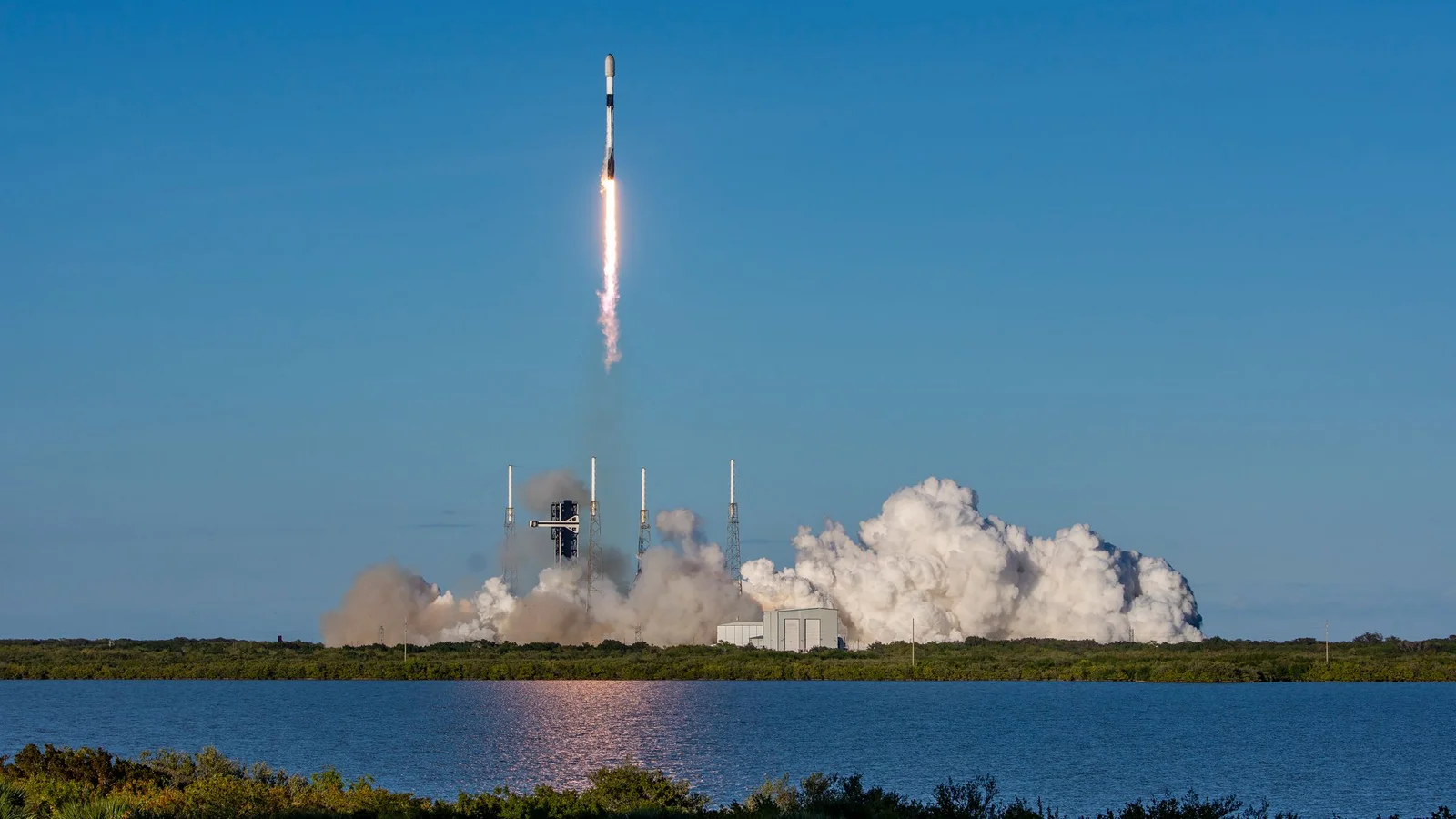
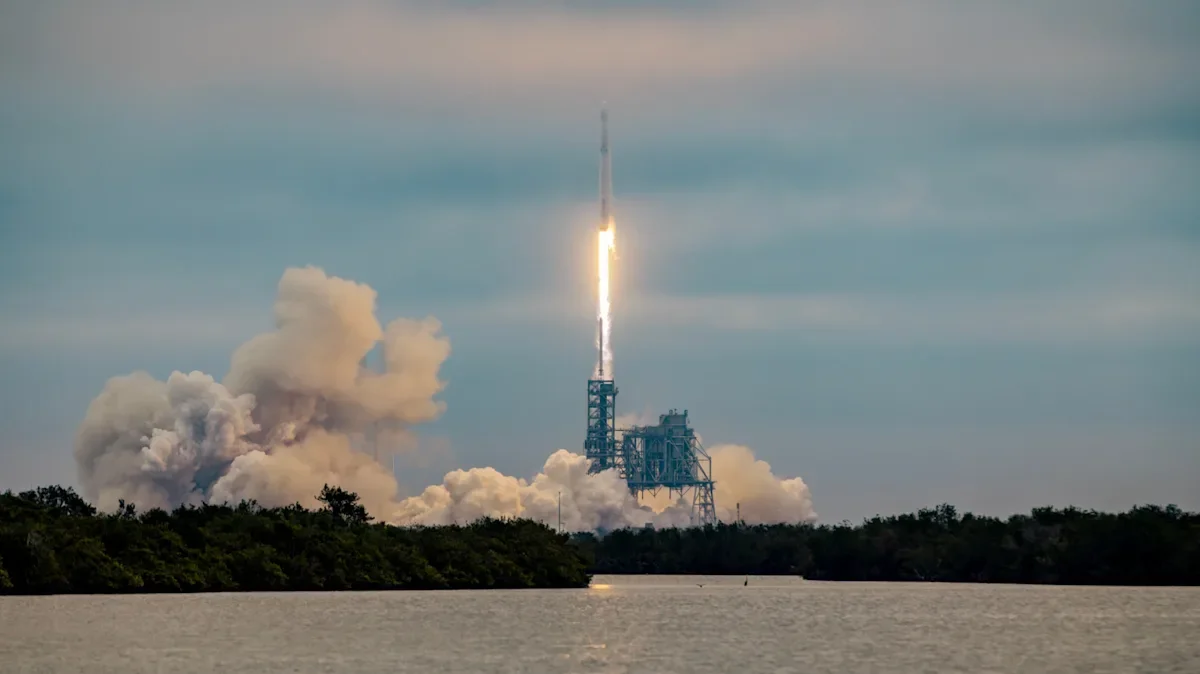
SpaceX is launching a Falcon 9 rocket from Vandenberg Space Force Base to deliver the Twilight mission, which includes multiple small payloads such as satellites from Umbra and NASA's Pandora and SPARCS. The launch is scheduled between 5:19 a.m. and 6:19 a.m. with a backup window on Monday, and residents may hear sonic booms. The first-stage booster will land at Landing Zone 4 after the launch, and the event can be watched live online or in person from various locations near Vandenberg.
SpaceX is preparing for a historic test flight of its upgraded Starship spacecraft, featuring the new Version 3 design and a massive Super Heavy booster, marking a significant step toward its goal of Mars exploration despite recent setbacks and delays.
SpaceX's Starship tests near Texas have repeatedly caused safety concerns due to rocket failures and debris falling over busy airspace, with the FAA allowing continued testing despite risks to commercial flights, raising questions about regulatory oversight and safety measures in private space exploration.
The FCC has approved SpaceX to expand its Starlink satellite constellation to 15,000 satellites, following a recent launch of Starlink V2 Mini satellites from Cape Canaveral, which brings the total in orbit to over 9,400. This expansion aims to enhance satellite broadband capabilities and improve space safety by adjusting satellite orbits.
SpaceX has completed stacking its Super Heavy booster at Starbase in preparation for Starship Flight 12, aiming to test the latest version of its massive rocket, which could pave the way for future Mars missions, despite recent delays caused by booster testing issues.
The market anticipates SpaceX, OpenAI, and Anthropic to go public this year, with valuations of $800 billion, $500 billion, and $350 billion respectively, but there is uncertainty about whether investors will be willing to pay these high prices.
In 2025, global orbital launch attempts reached a record 324, driven mainly by SpaceX and China, with SpaceX conducting 165 Falcon 9 launches and China 92. The growth is expected to slow for Falcon 9 in 2026, as SpaceX shifts focus to Starship, which is anticipated to begin orbital launches in 2026 alongside increased activity from other launch providers. Overall, the trend indicates a significant rise in space launch activity, with the US and China dominating the market.
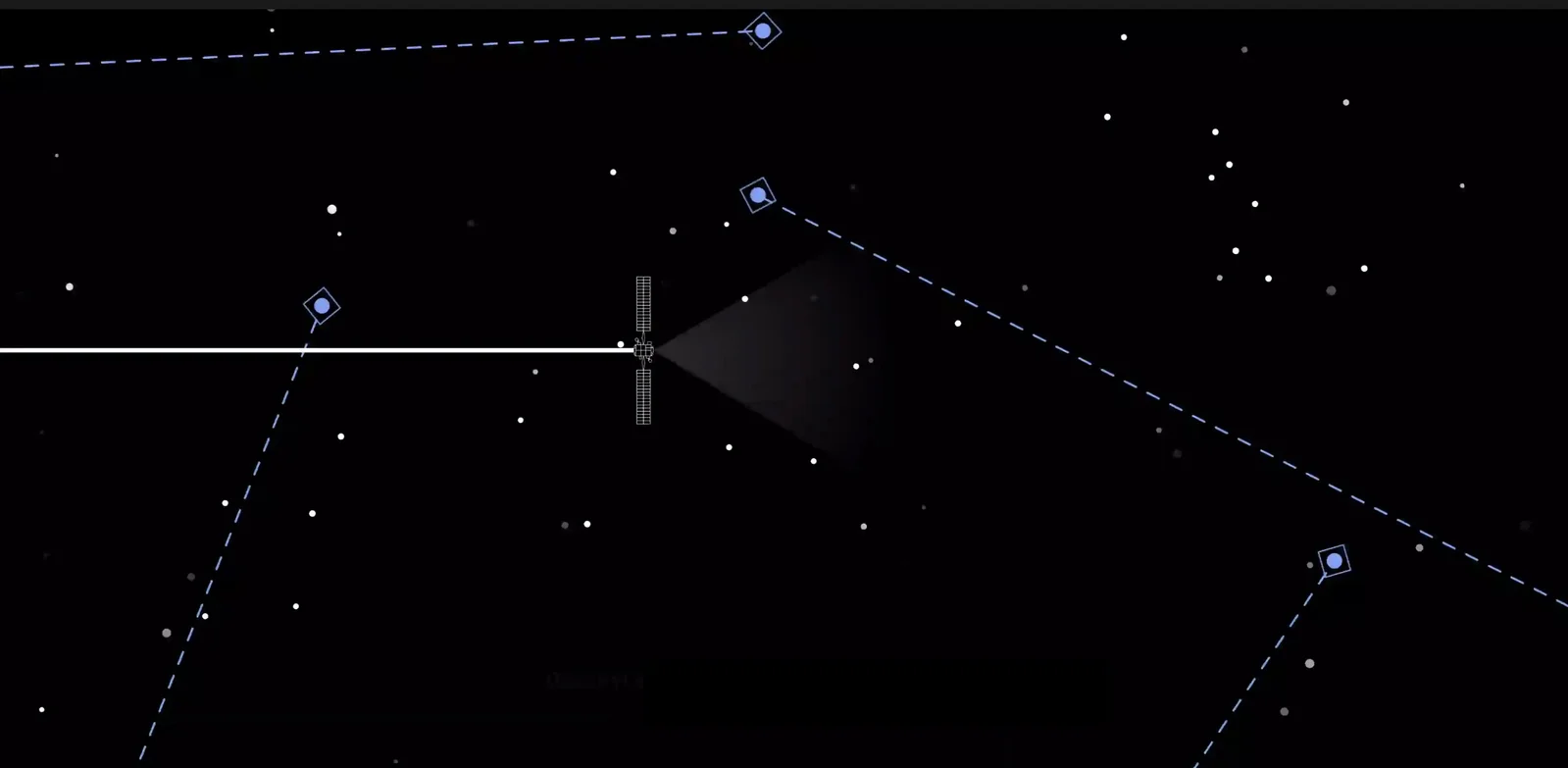
SpaceX plans to lower around 4,400 Starlink satellites from 550 km to 480 km altitude in 2026 to enhance space safety, reduce collision risks, and address recent debris incidents, amid a significant increase in space object traffic and collision mitigation efforts.
SpaceX launched the Cosmo-SkyMed Second Generation Flight Model 3 satellite for Italy on January 2, 2026, using a Falcon 9 rocket from Vandenberg, marking the first Falcon launch in 16 days after previous delays. The satellite, designed for dual civilian and military Earth observation, will operate in a Sun-synchronous orbit and utilize synthetic aperture radar to capture images through clouds and darkness, enhancing Italy's defense and research capabilities.
A bright light trail observed in western Colorado was caused by a SpaceX Falcon 9 rocket launch of the COSMO-SkyMed satellite from California, visible across much of the western US, with sonic booms reported in California.
SpaceX launched its first mission of 2026, deploying an Italian Earth-observing satellite into low Earth orbit using a Falcon 9 rocket from California. The satellite will use synthetic aperture radar to monitor Earth for various applications, marking the start of a busy year for space launches.
SpaceX plans to lower the orbits of approximately 4,400 Starlink satellites from 550 km to 480 km in 2026 to enhance safety and reduce collision risks, especially as solar activity decreases and atmospheric drag lessens, impacting satellite decay times and space debris management.
SpaceX is preparing for a potentially record-breaking IPO in 2026, aiming to raise $30 billion and reach a valuation of $1.5 trillion, driven by its expansion into satellite internet, spaceflight, and Mars projects. Meanwhile, Rocket Lab emerges as a compelling space stock for investors today, with strong growth, a solid launch record, and upcoming developments like the Neutron rocket, despite its high valuation metrics.
SpaceX plans to lower the orbits of about 4,400 Starlink satellites from 550 km to 480 km by 2026 to enhance space safety, reduce collision risks, and improve performance, amid recent satellite anomalies and international concerns over space debris and security.