Tag

Lidar

All articles tagged with #lidar

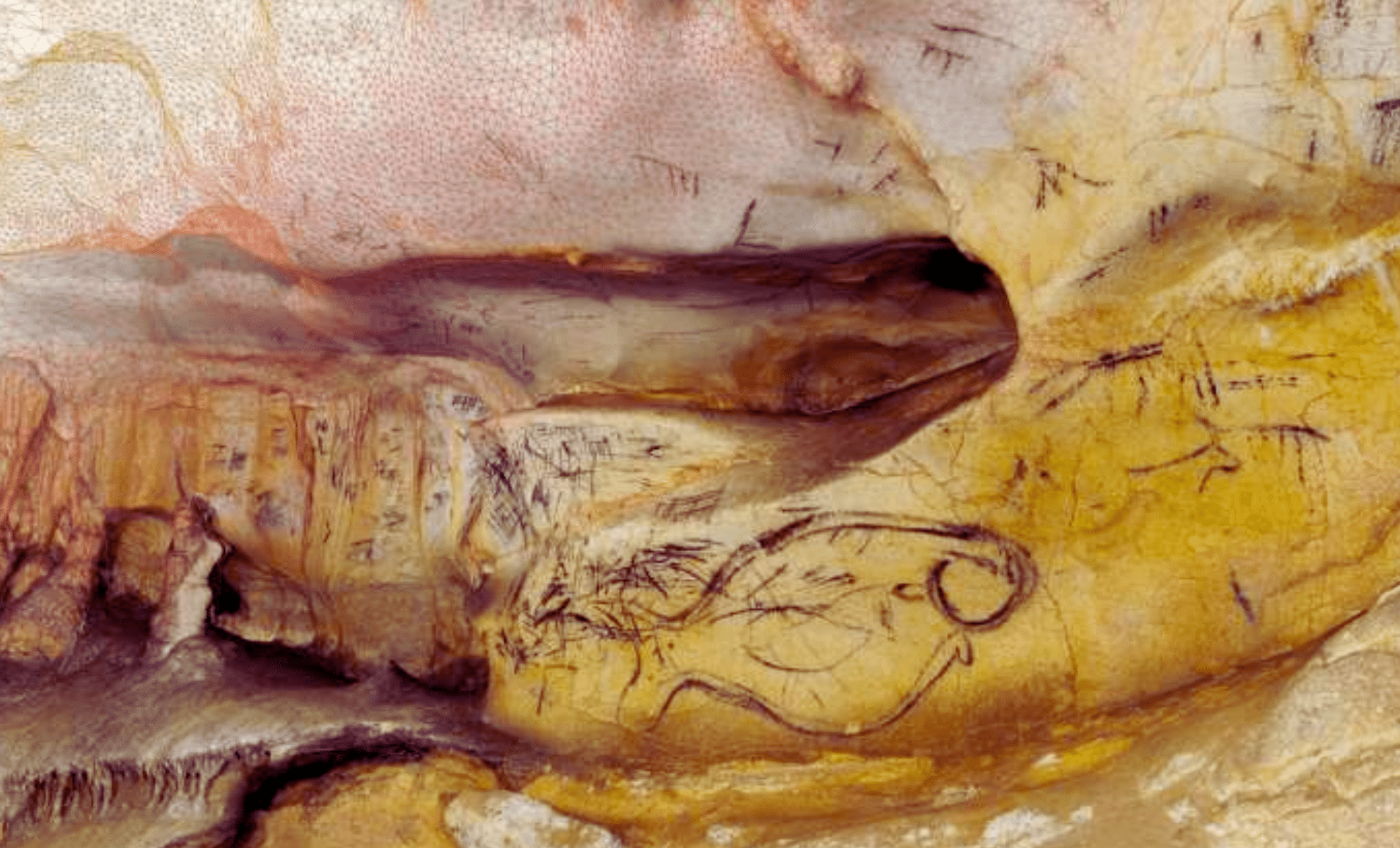
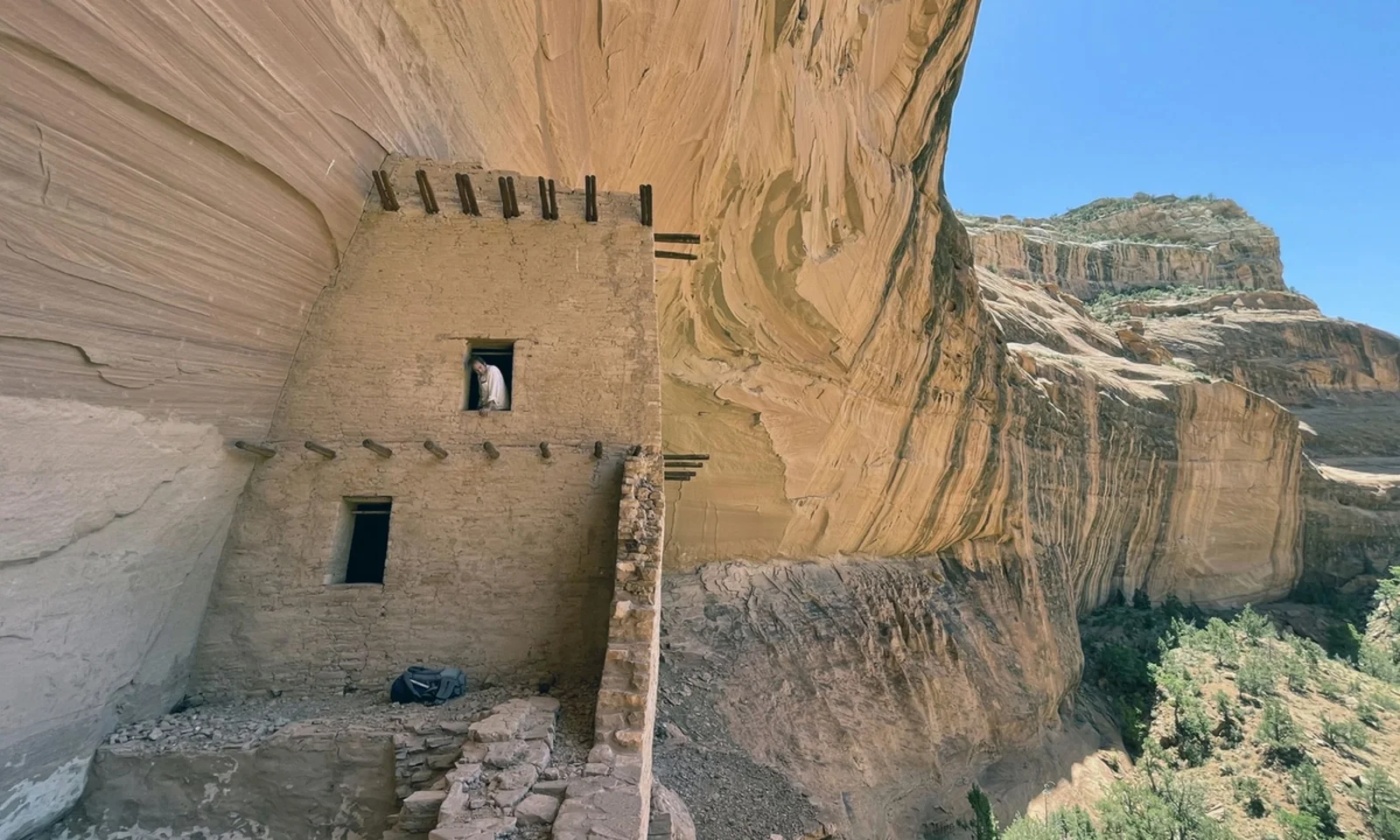
Arizona's Mummy Cave: 1,700-year-old cliff village archived in 3D for preservation
science6 days ago

Arizona's Mummy Cave: 1,700-year-old cliff village archived in 3D for preservation

Laser scanning has captured a 1,700-year-old cliff-dwelling in Tse Yaa Kin (Mummy Cave), Arizona, detailing more than 165 rooms in a precise 3D archive. Researchers using LiDAR have created a digital twin to test stabilization options while preserving plaster and tool marks, as erosion threatens the fragile mud walls. Indigenous communities’ consent guides access and sharing to protect the site, and the project also trains students and plans to continue through 2027 to safeguard the record for future study.

First real-time lidar capture of space debris pollution from a rocket re-entry
space-exploration7 days ago

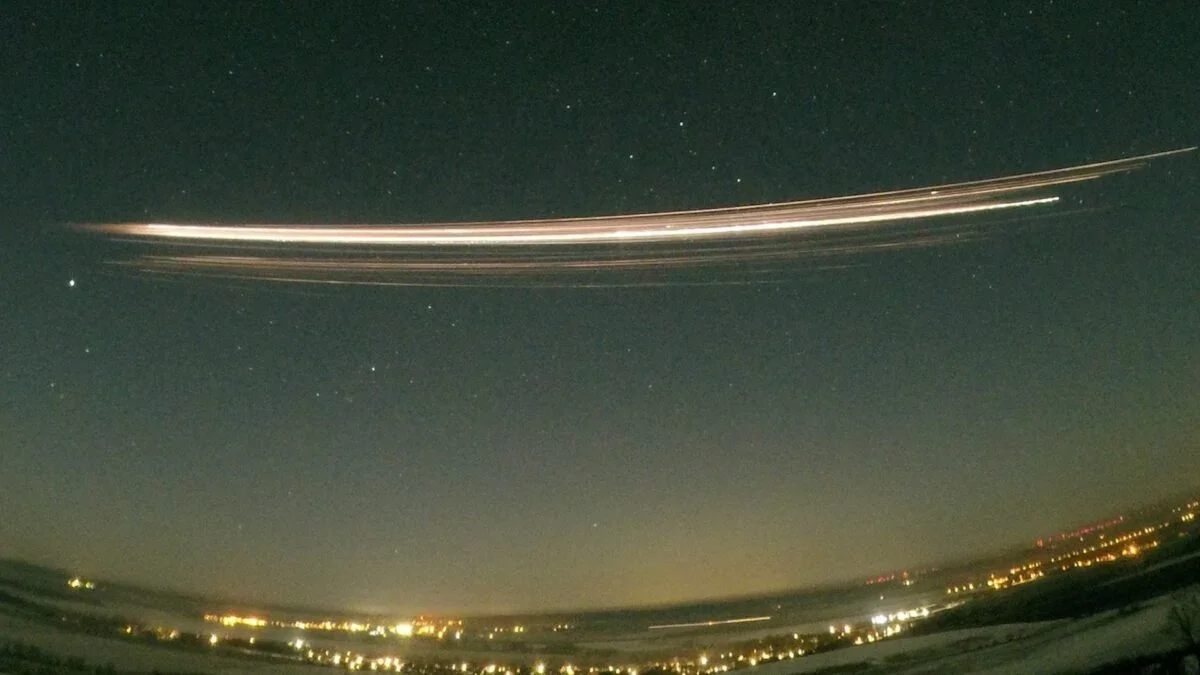
First real-time lidar capture of space debris pollution from a rocket re-entry

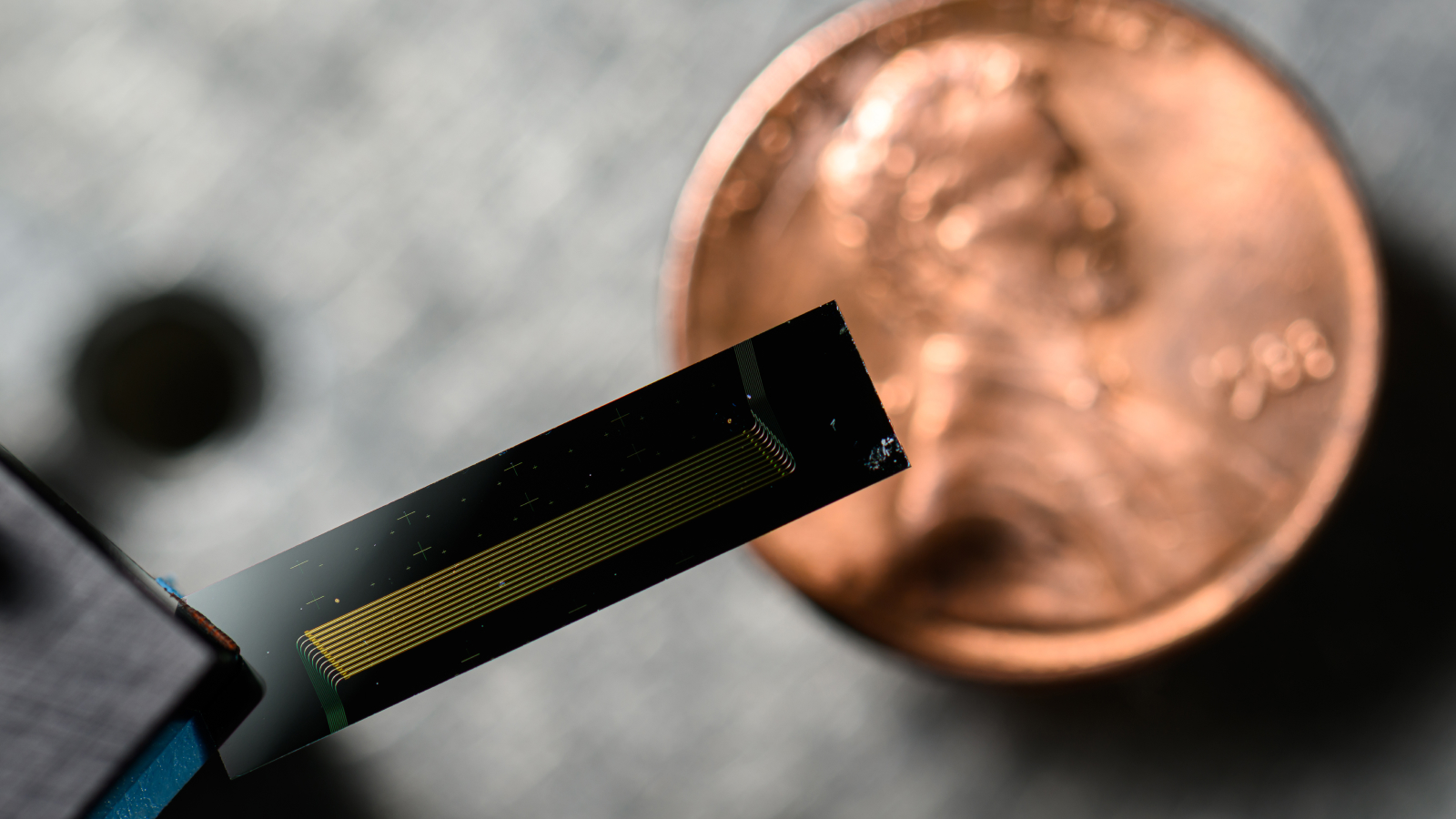
Scientists used a ground-based LiDAR to observe in near real time the air-pollution plume produced when SpaceX Falcon 9 debris burned up on re‑entry. The lithium signal peaked at about 60 miles altitude, and the plume moved across Western Europe (Ireland to Germany) over roughly a day, while the debris crossed from Ireland to Poland in about 2.5 minutes. Lithium is a rare tracer in the atmosphere; the team estimates about 80 grams of lithium enter Earth's atmosphere daily globally, with a Falcon 9 contributing roughly 30 kilograms of aluminum‑lithium hull and batteries per vehicle. Aluminum oxide formation could affect ozone and climate, and researchers plan to measure additional metals in future campaigns; the study was published February 19, 2026 in Communications Earth & Environment.

Uncontrolled Falcon 9 Reentry Deposits Lithium into Upper Atmosphere, Study Finds
science8 days ago

Uncontrolled Falcon 9 Reentry Deposits Lithium into Upper Atmosphere, Study Finds

Researchers using lidar near Saxony, Germany, detected a lithium plume 58–60 miles up about 20 hours after an uncontrolled Falcon 9 reentry, with lithium concentrations roughly tenfold above background; the study, published in Nature, notes that metals from spacecraft (lithium and other alloys) may alter upper-atmosphere chemistry, but the environmental impact remains uncertain and warrants further research.

Lidar vs Vision: Senate scrutiny hits Tesla's FSD push
technology23 days ago

Lidar vs Vision: Senate scrutiny hits Tesla's FSD push

Tesla faced pointed questions at a Senate hearing over its Full Self-Driving system and its camera-only approach, with lawmakers contrasting it with lidar-equipped rivals and pressing for federal safety standards. Tesla argued its nine-camera vision system provides redundancy, while critics highlighted the need for lidar or other sensors. The hearing contributed to a roughly 4% drop in Tesla stock for the day.

NVIDIA-Driven Surge in Autonomous Vehicle Stocks
business7 months ago

NVIDIA-Driven Surge in Autonomous Vehicle Stocks

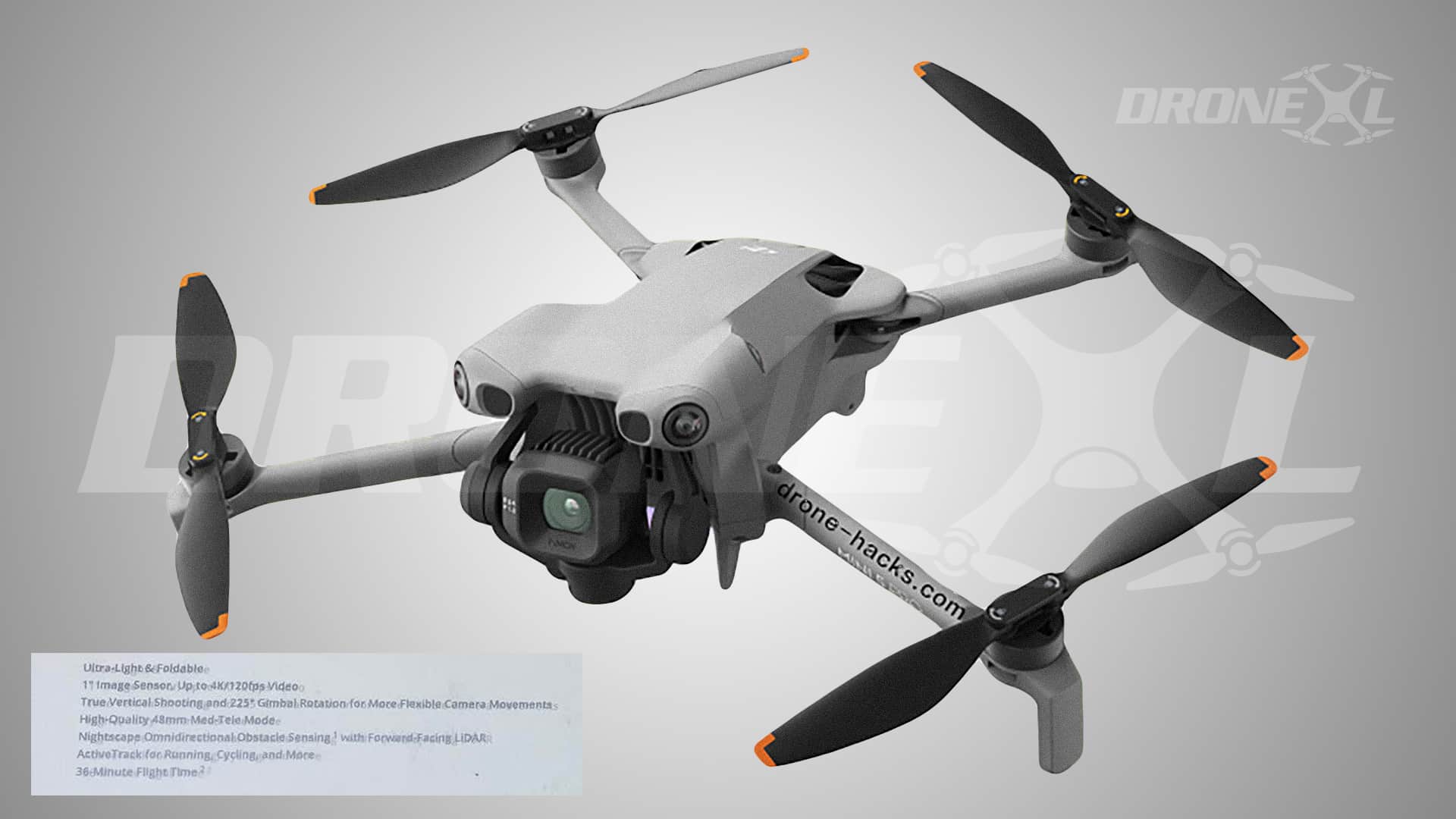
Aeye's stock surged after announcing a major collaboration with Nvidia, integrating Aeye's lidar system into Nvidia's autonomous vehicle platform, which could boost its market position and revenue prospects. However, caution is advised due to its status as a penny stock with high volatility and potential for short-lived gains, compounded by analyst warnings of a possible decline.

Testing the Accuracy of the iPhone Measuring App
technology8 months ago

Testing the Accuracy of the iPhone Measuring App

The iPhone's Measure app, which uses AR and LiDAR technology for measurements, is generally accurate within 3-5% for basic tasks like measuring objects or spaces, but less reliable for precise measurements or in challenging conditions such as poor lighting or complex backgrounds. Its accuracy improves with newer iPhone models equipped with LiDAR, but it should not replace traditional measuring tools for critical measurements.

"Maya Underground Structure Discovered in Mexico"
archaeology1 year ago

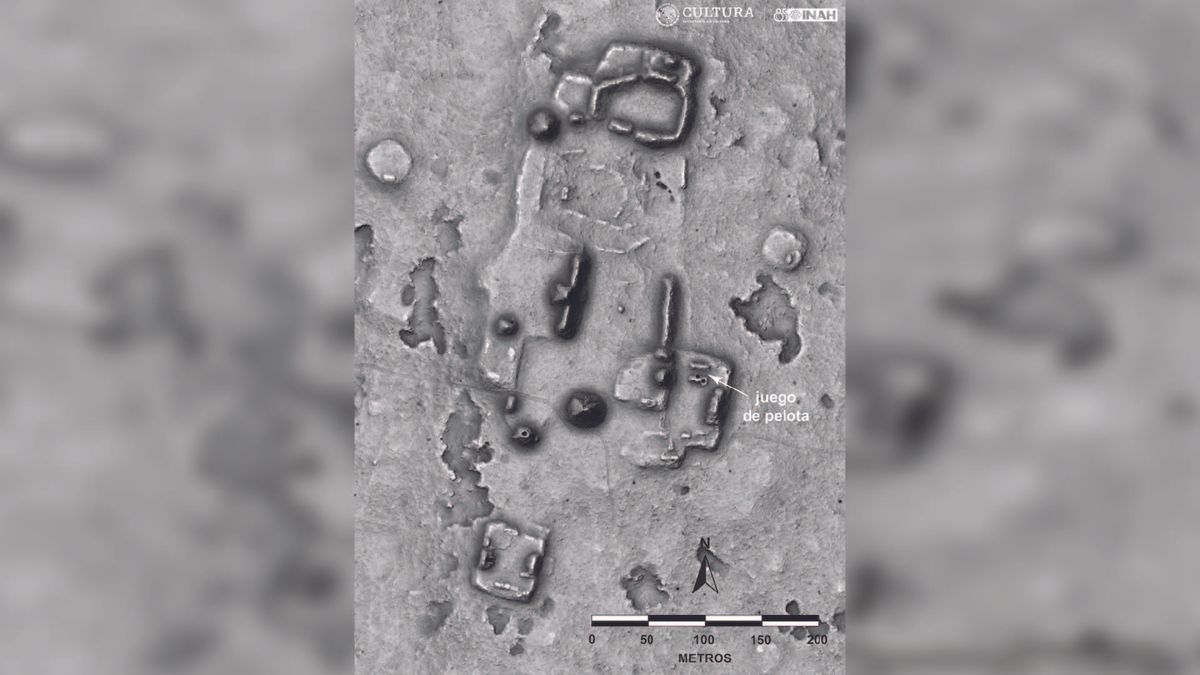
"Maya Underground Structure Discovered in Mexico"

Archaeologists in Mexico have unearthed a mysterious subterranean structure with painted walls beneath a Maya ball court, potentially dating back to the Early Classic period (A.D. 200 to 600). The discovery, made using lidar technology, highlights the significance of the site, which also includes residential buildings, temple pyramids, and other ancient Maya settlements. Further excavations are needed to determine the structure's shape and function.

"Advanced Mapping Technology Locates Microscopic Intruders"
science-and-technology1 year ago

"Advanced Mapping Technology Locates Microscopic Intruders"

Scientists are using lidar technology, traditionally used for archaeological sites, to identify tiny ants in Kenya's acacia trees with over 80% accuracy, significantly reducing the time and effort required for field surveys. This efficient technology has the potential to track tree pests and invasive species, offering a faster and more cost-effective method for biodiversity sampling and conservation efforts.