Tag

Atmospheric Chemistry

All articles tagged with #atmospheric chemistry

science15 days ago

NASA Detects Electric Sparks in Martian Dust Storms, Challenging Atmosphere Theories

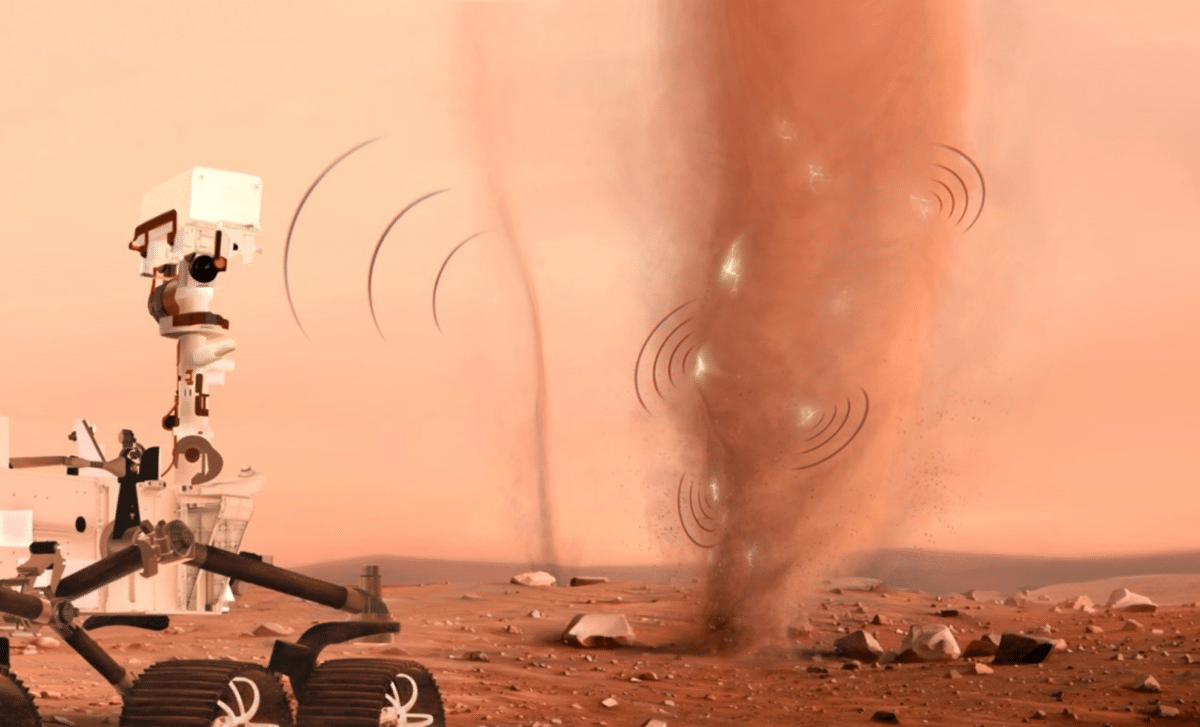
NASA's Perseverance rover detected unexpected electrical activity in Martian dust devils using its microphone, revealing that electrical discharges are common on Mars and may influence atmospheric chemistry, including methane breakdown, with significant implications for future missions and our understanding of the planet.

science3 months ago

NASA Discovers Mysterious Ozone Surge in Mars's Frozen Vortex

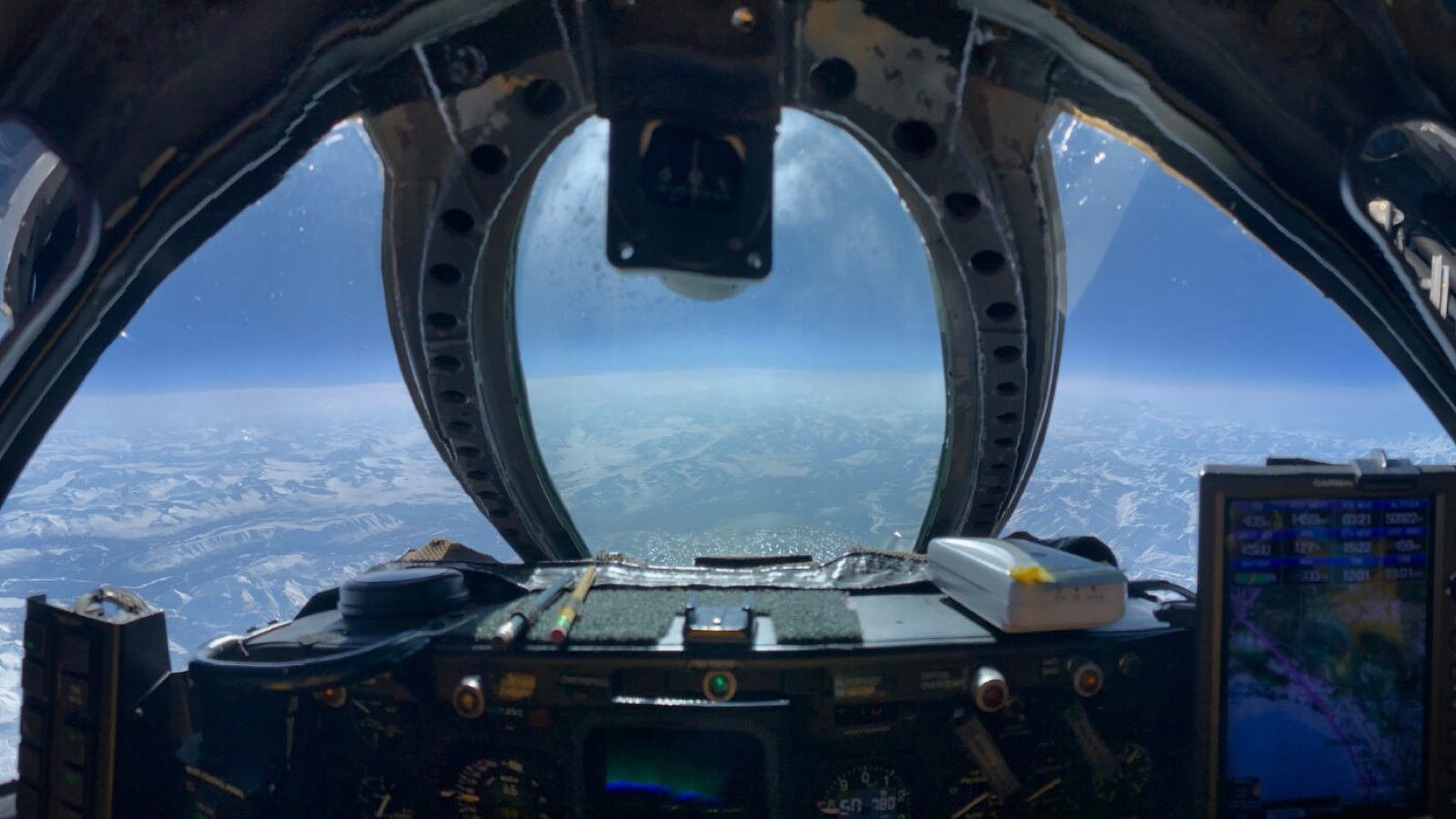
Scientists have discovered a surge in ozone levels within Mars's north polar vortex, which is much colder than surrounding areas and may provide insights into the planet's past atmospheric conditions and potential habitability. This finding is significant for upcoming missions like ExoMars, aiming to explore signs of ancient life, and highlights the unique atmospheric phenomena on Mars that could reshape our understanding of the planet.

science1 year ago

New Research Suggests Venus Never Had Oceans or Earth-like Life

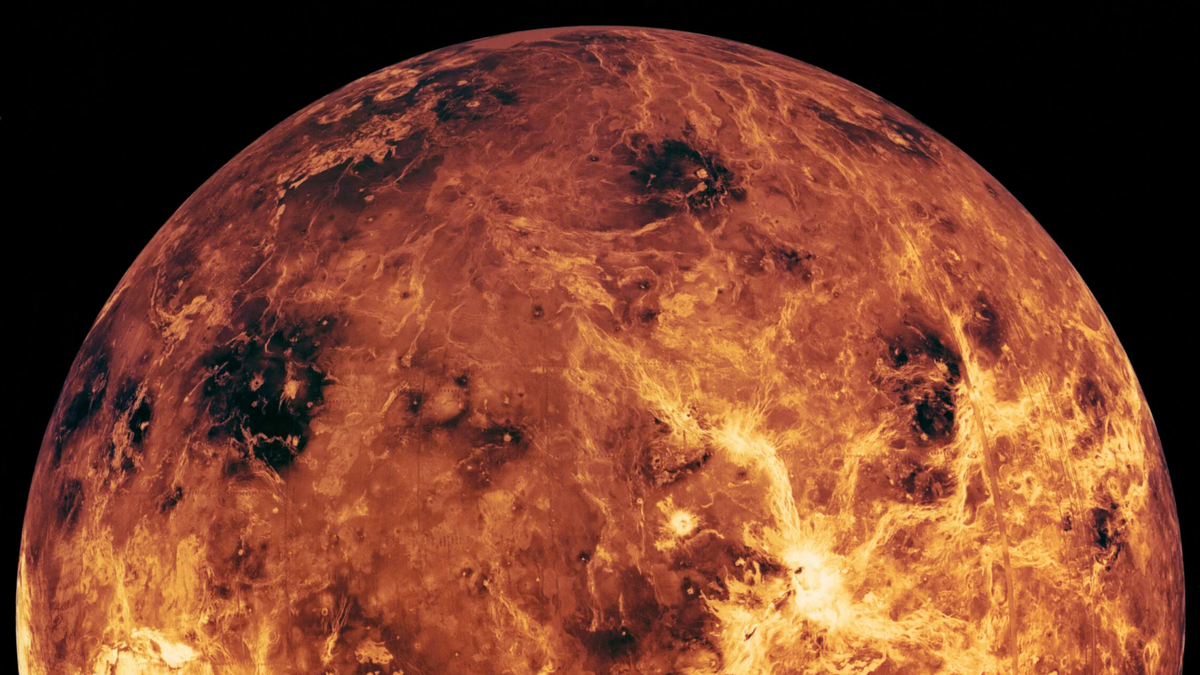
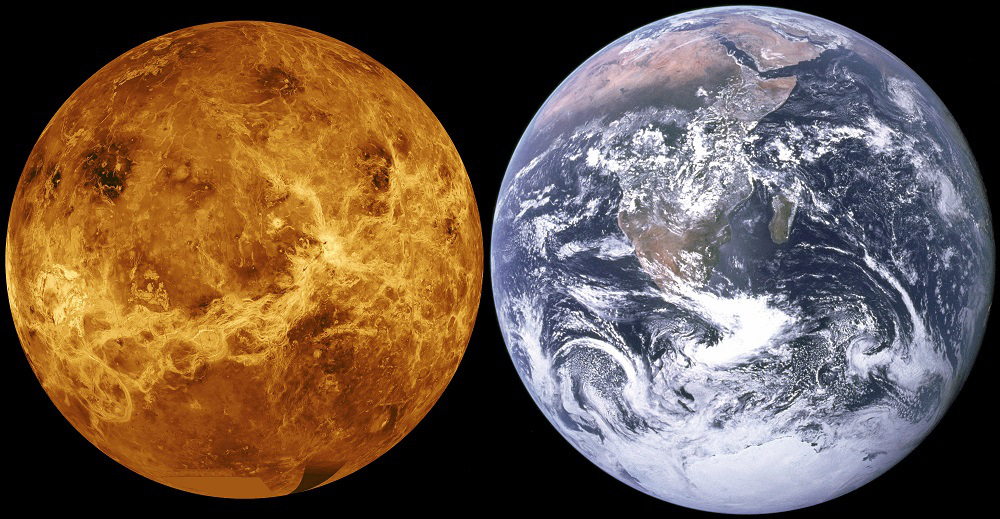
New research from the University of Cambridge suggests that Venus never had oceans and was always a hot, inhospitable planet, challenging the idea that it could have once supported life. By analyzing the chemical composition of Venus's atmosphere, scientists found that its volcanic gases contain minimal steam, indicating a dry interior. This finding has implications for the search for habitable exoplanets, as it suggests Venus-like planets may not be suitable for life. NASA's upcoming DAVINCI mission may provide further insights into Venus's history.

science1 year ago

New Research Suggests Venus Was Always Too Hot for Oceans

A study by University of Cambridge astronomers suggests Venus has never been habitable, challenging the theory that it once had liquid water. By analyzing Venus's atmospheric chemistry, researchers found its interior too dry to have supported oceans, implying it has always been inhospitable. This finding impacts the search for life on exoplanets, suggesting a focus on Earth-like planets rather than Venus-like ones. Future missions, like NASA's DAVINCI, aim to confirm these results, refining the criteria for habitable planets.

science1 year ago

Microplastics Found to Influence Cloud Formation and Weather Patterns

A recent study suggests that microplastics in the atmosphere can influence cloud formation by acting as nuclei for ice crystals, potentially affecting weather and climate. These particles can cause ice to form at warmer temperatures than usual, which may increase precipitation. The study highlights the need for further research to understand the concentration and impact of microplastics compared to other particles like mineral dust and biological materials in cloud formation.

science-and-technology1 year ago

"Exoplanet with Rotten Egg Odor and Glass Rain Discovered"

Scientists using the James Webb Space Telescope have detected hydrogen sulfide, a molecule that smells like rotten eggs, in the atmosphere of the exoplanet HD 189733b. This discovery marks the first time hydrogen sulfide has been found outside our solar system and provides new insights into the atmospheric composition of exoplanets. HD 189733b, a "hot Jupiter" known for its extreme weather, including glass rain and high temperatures, also contains water, carbon dioxide, and carbon monoxide. The findings, published in Nature, enhance our understanding of exoplanet formation and atmospheric chemistry.

science1 year ago

Scientists Discover Exoplanet with Rotten Egg Stench

Scientists using the James Webb Space Telescope have detected hydrogen sulfide, a molecule that smells like rotten eggs, in the atmosphere of the exoplanet HD 189733b, marking the first time this molecule has been found outside our solar system. This discovery, along with the presence of water, carbon dioxide, and carbon monoxide, provides new insights into the atmospheric composition and formation of gas giant exoplanets. HD 189733b, known for its extreme weather and high temperatures, continues to be a key subject in the study of exoplanetary science.

science1 year ago

"Martian Biomolecules: Tracing Origins to Atmospheric Formaldehyde"

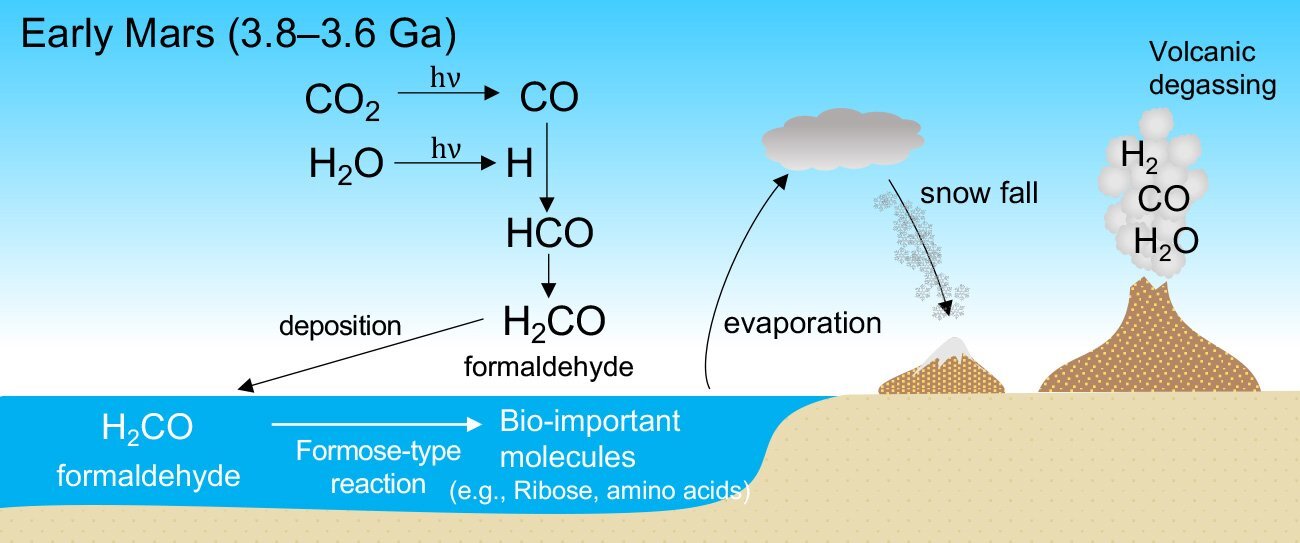
New research suggests that organic materials discovered on Mars may have originated from atmospheric formaldehyde, offering insights into the possibility of past life on the red planet. Scientists from Tohoku University simulated the early Martian atmosphere and found that it could have provided a continuous supply of formaldehyde, potentially leading to the creation of various organic compounds. This study broadens our understanding of Mars' ancient capacity to sustain life and paves the way for further analysis of organic materials present early in the planet's history.

science2 years ago

The Tree-Cloud Connection: Unraveling the Mysteries of Cloud Formation

Researchers at the CLOUD project at CERN have discovered that sesquiterpenes, gaseous hydrocarbons released by plants, play a significant role in cloud formation. This finding could help reduce uncertainties in climate models and improve predictions. Sesquiterpenes, although occurring less frequently than other substances, were found to form ten times more particles than isoprenes and monoterpenes. The study suggests that sesquiterpenes should be included as a separate factor in future climate models to enhance accuracy.

environment2 years ago

"Dust from Africa's Sahara aids in reducing atmospheric methane levels"

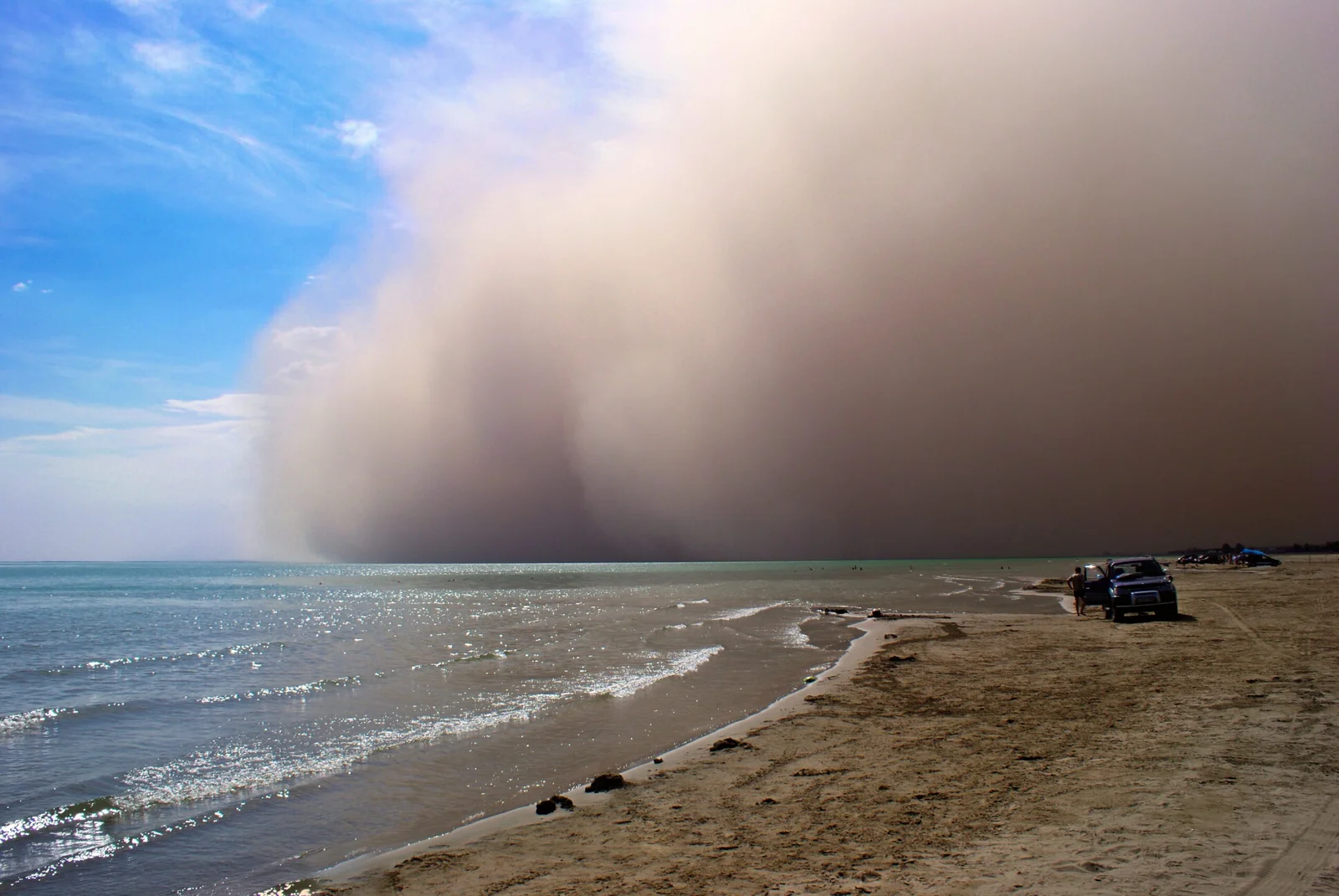
A recent study published in the journal Proceedings of the National Academy of Sciences (PNAS) suggests that a mechanism involving blowing mineral dust and sea spray, known as Mineral Dust-Sea Spray Aerosol (MDSA), may help tackle atmospheric methane. MDSA, which is activated by sunlight, produces an abundance of chlorine atoms that oxidize atmospheric methane and tropospheric ozone through photocatalysis. The researchers found that incorporating increased chlorine from the MDSA mechanism could explain the observed depletion of the stable isotope 13CO in air samples from Barbados. Further research is needed to understand the MDSA mechanism's operation globally and its impact on methane emissions from biological sources.

environment2 years ago

"Dust from Sahara boosts methane removal, study reveals"

A study published in the Proceedings of the National Academy of Sciences reveals that blowing mineral dust from the Sahara Desert mixed with sea salt aerosol forms mineral dust-sea spray aerosol (MDSA), which is activated by sunlight to produce an abundance of chlorine atoms. These chlorine atoms oxidize atmospheric methane and tropospheric ozone, potentially explaining the accelerating increase in atmospheric methane. The study suggests that global atmospheric chlorine concentrations may be roughly 40% higher than previously estimated, which could shift our understanding of methane emissions sources. Further research is needed to understand the MDSA mechanism in other parts of the world.