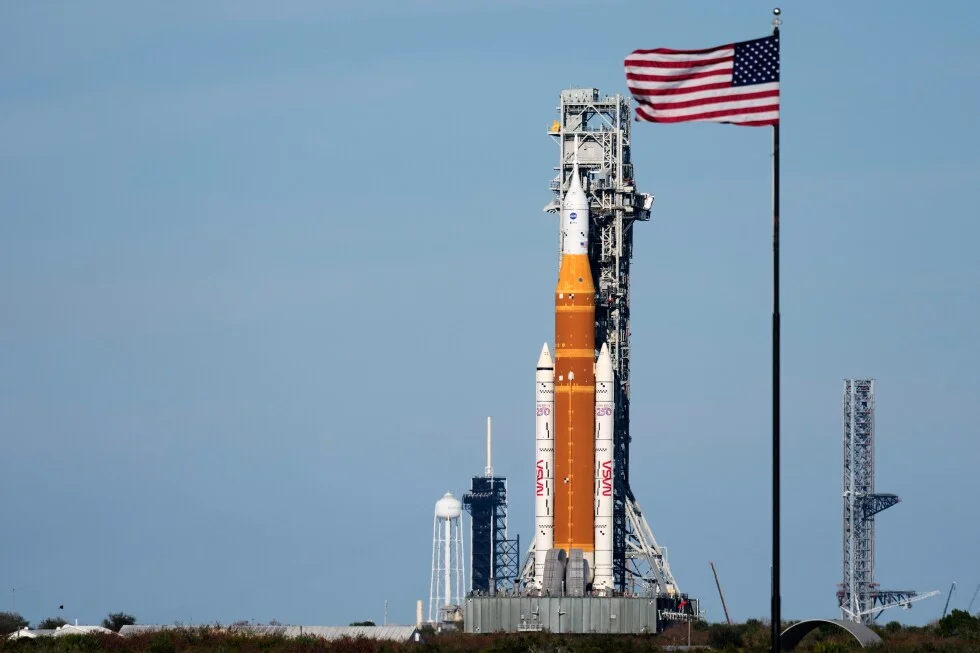
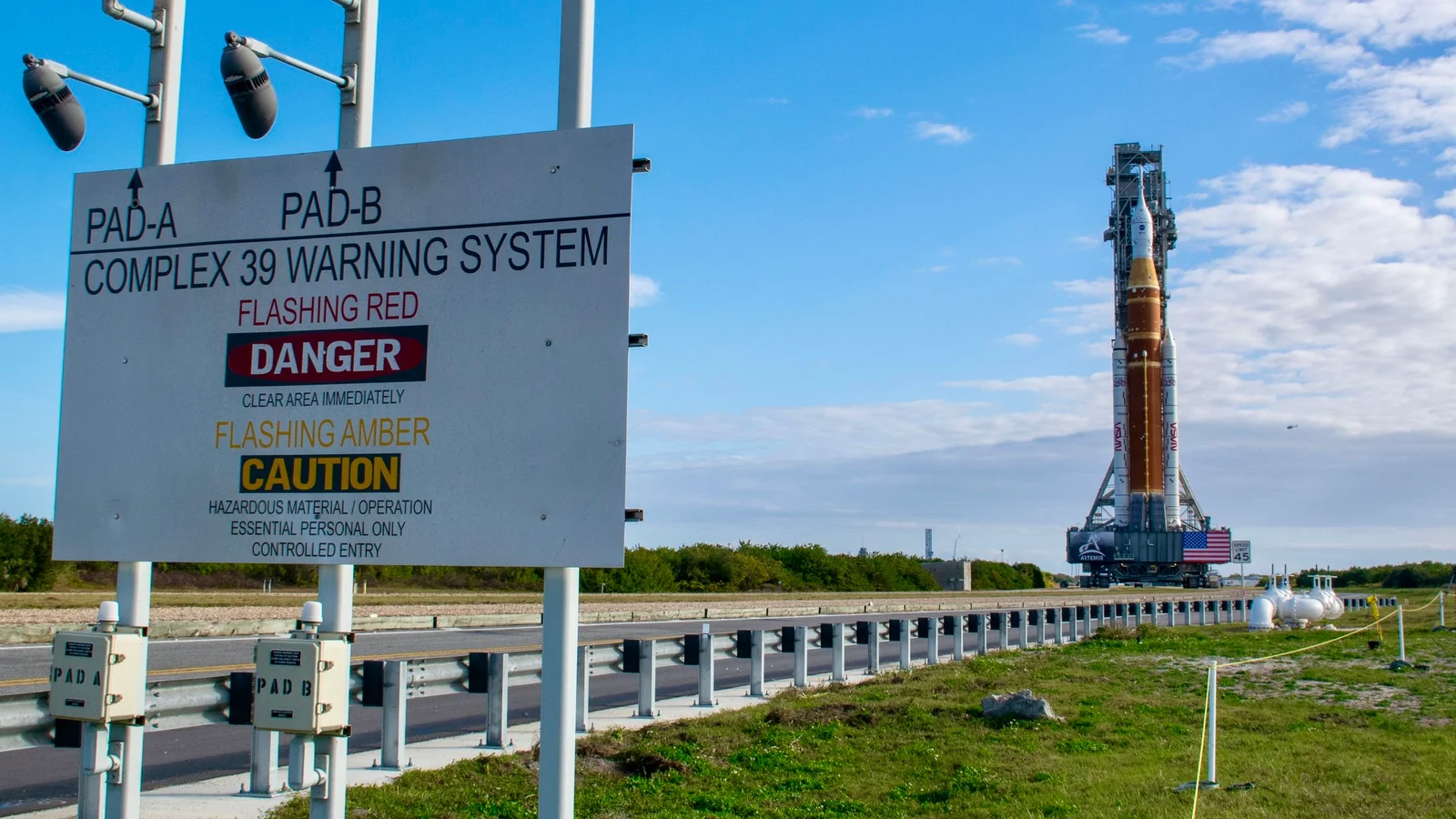
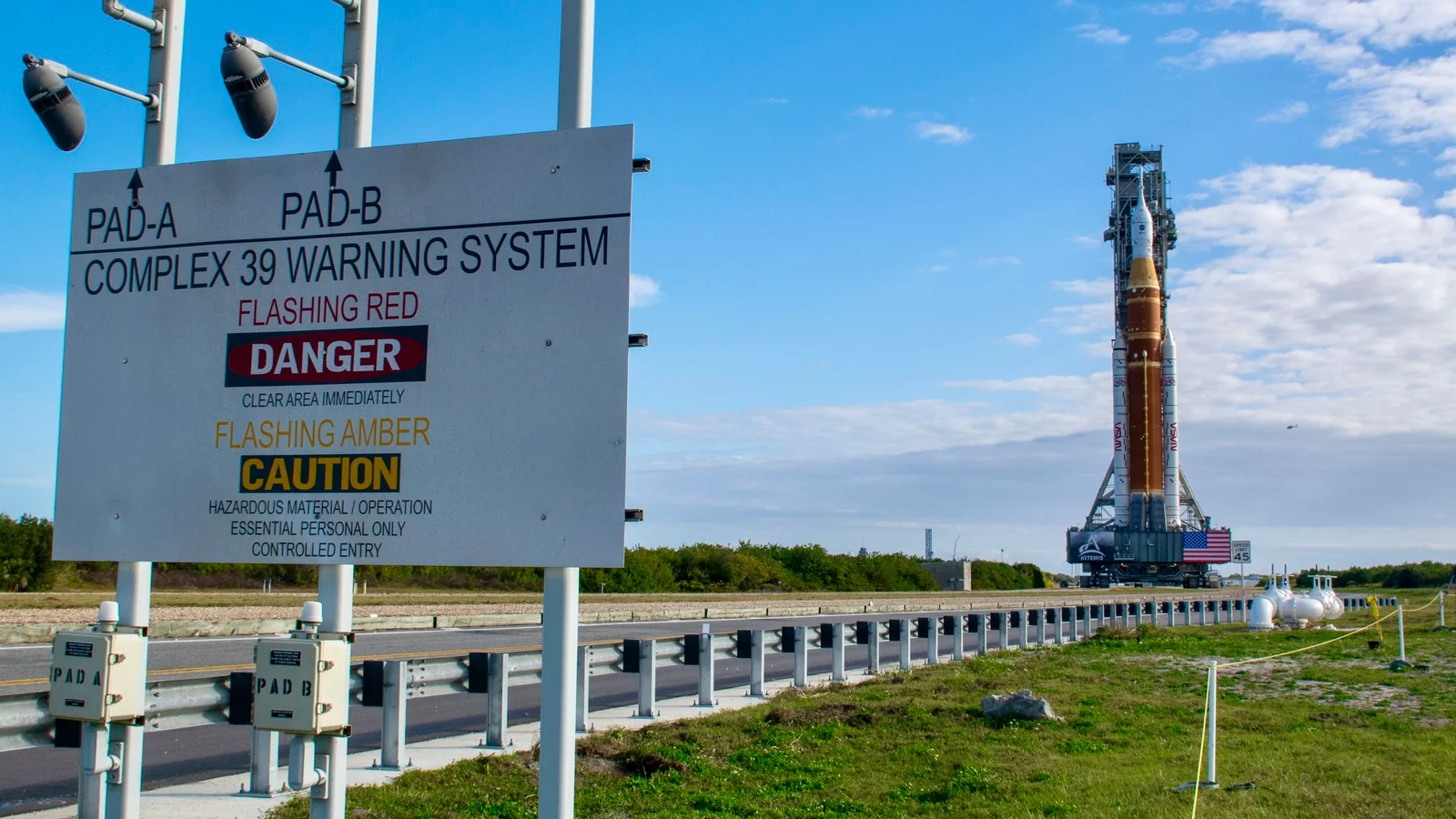
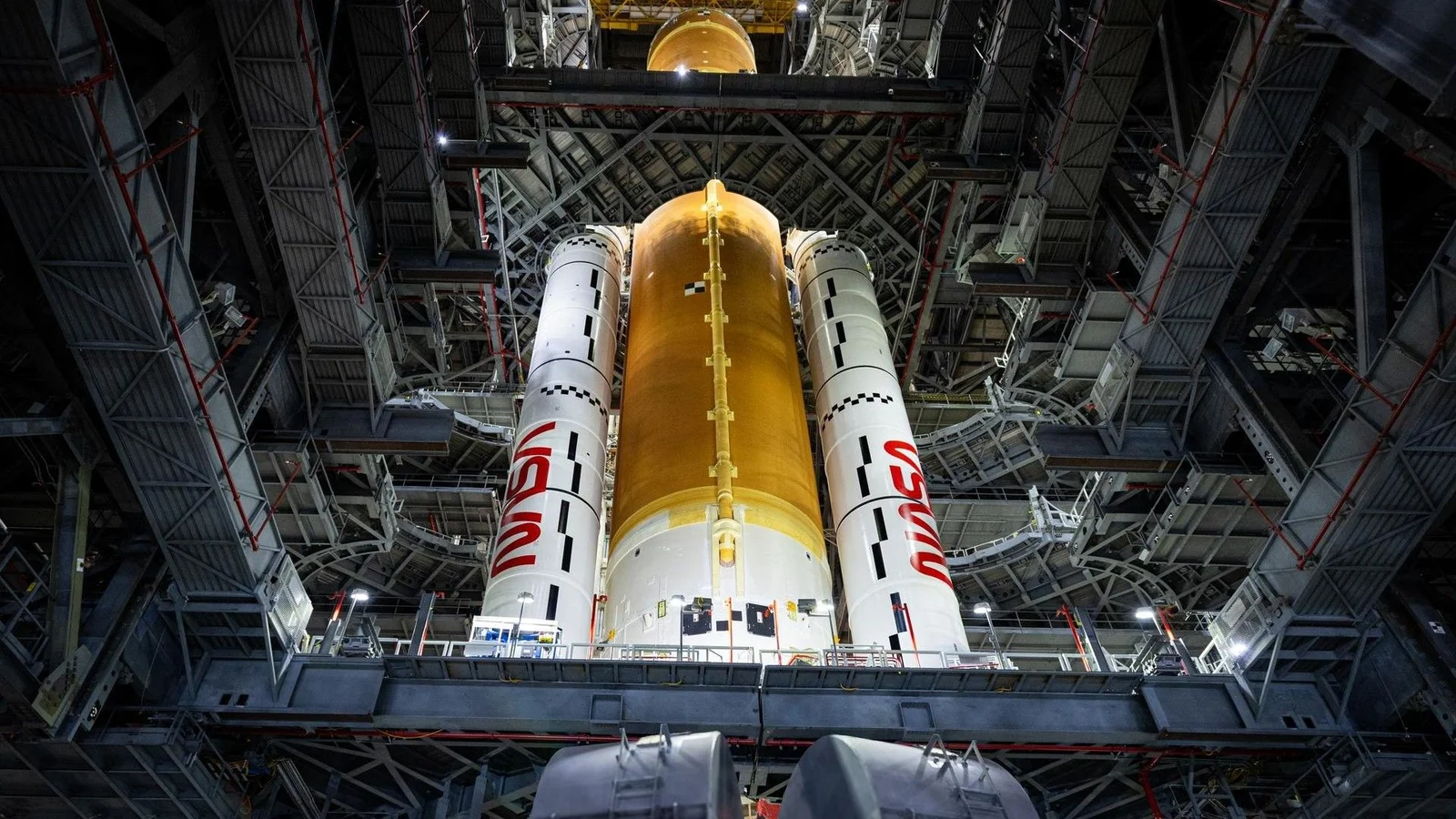
NASA moved the Artemis II SLS rocket off the launch pad at Kennedy Space Center and rolled it back to the Vehicle Assembly Building for additional repairs, delaying readiness ahead of the crewed lunar mission.
NASA is evaluating rolling Artemis II back to the Vehicle Assembly Building at Kennedy Space Center after detecting an interrupted helium flow in the interim cryogenic propulsion stage, a finding that is likely to delay the March launch window for the four-astronaut lunar flyby and affect preparations leading to Artemis III.
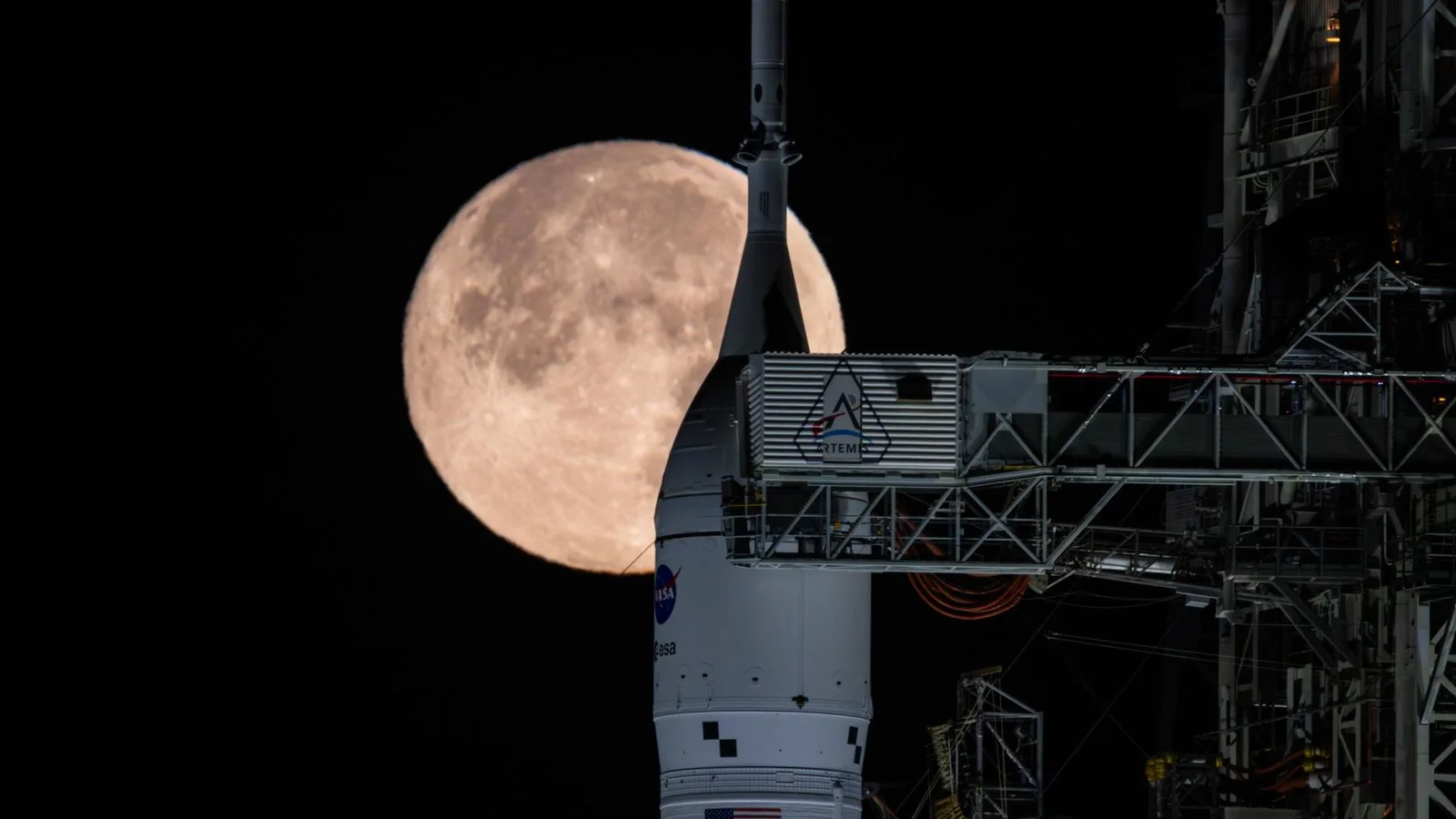
NASA carried out a second fueling test of the Space Launch System rocket for Artemis II at Kennedy Space Center, loading the giant launch vehicle with propellants as Orion sits atop the mobile launcher, marking progress toward the crewed lunar mission.
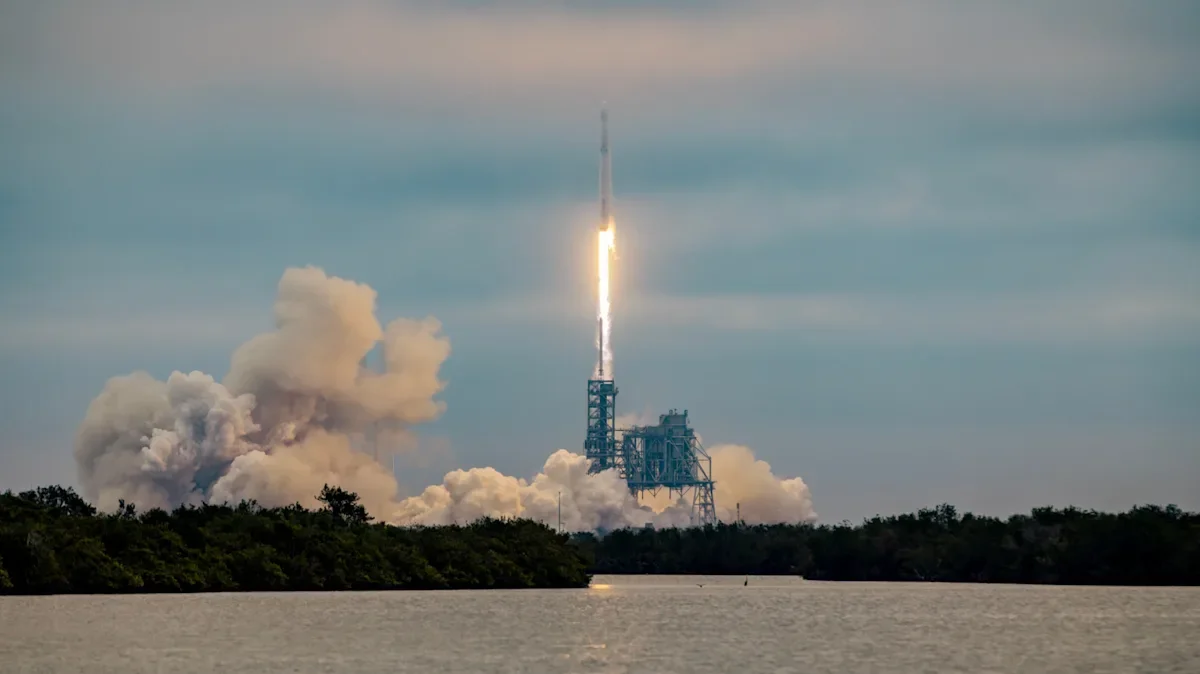
Florida’s Space Coast is booming as rockets from Kennedy Space Center and SpaceX push launches higher, but environmentalists and commercial fishers warn the growth could degrade Merritt Island’s ecosystems and hurt local fisheries through noise, pollution, water chemistry changes, and debris, prompting calls for wastewater recycling, mitigation measures, and even a relief fund as regulators balance progress with environmental safeguarding.
NASA is running Artemis 2’s second wet dress rehearsal for the Space Launch System at Kennedy Space Center, with a nearly 50-hour countdown in progress toward a simulated 8:30 p.m. ET launch on Feb. 19 as teams fuel the rocket with more than 700,000 pounds of LH2 and LOX; after hydrogen leaks disrupted the first test, engineers replaced faulty ground equipment and are using inert nitrogen to reduce fire risk while preparing Orion and the core stage for a crewed Moon mission targeted for early March.
NASA plans a second wet dress rehearsal for Artemis 2's Space Launch System (SLS) on Feb. 19 after the initial fueling test on Feb. 2–3 was halted by a liquid hydrogen leak; teams will again load more than 730,000 gallons of LH2/LOX at Kennedy Space Center's Pad 39B and rehearse the countdown, fueling, and scrubs ahead of a potential March launch for four astronauts around the Moon.
SpaceX is largely moving launches away from Kennedy Space Center's LC-39A, reserving the pad for Falcon Heavy and Starship tests while shifting most Falcon 9 missions to SLC-40 at Cape Canaveral; 39A's next use may be a July 2026 Falcon Heavy mission, pending infrastructure upgrades and licensing.
NASA plans a second wet dress rehearsal for Artemis 2, fueling the Space Launch System with LH2 and LOX on Feb. 19 after fixes for a hydrogen leak seen during the first rehearsal. The leak, traced to an interface at the tail service mast umbilical, prompted seal replacements and a confidence test, with further corrections to ground-support equipment. If all goes well, Artemis 2 could launch as early as March 6 on a 10-day crewed lunar flight, advancing NASA’s Artemis program toward future Moon landings.
NASA is conducting Artemis II’s wet dress rehearsal at Kennedy Space Center, powering up the Space Launch System and loading more than 700,000 gallons of liquid oxygen and liquid hydrogen in a timed countdown to a simulated liftoff; fueling is planned to begin around 11 a.m. EST on Feb. 2, with a simulated T-0 around 9 p.m. EST, as NASA finalizes preparations for the Feb. 8–11 Moon launch window and Space.com provides live coverage.
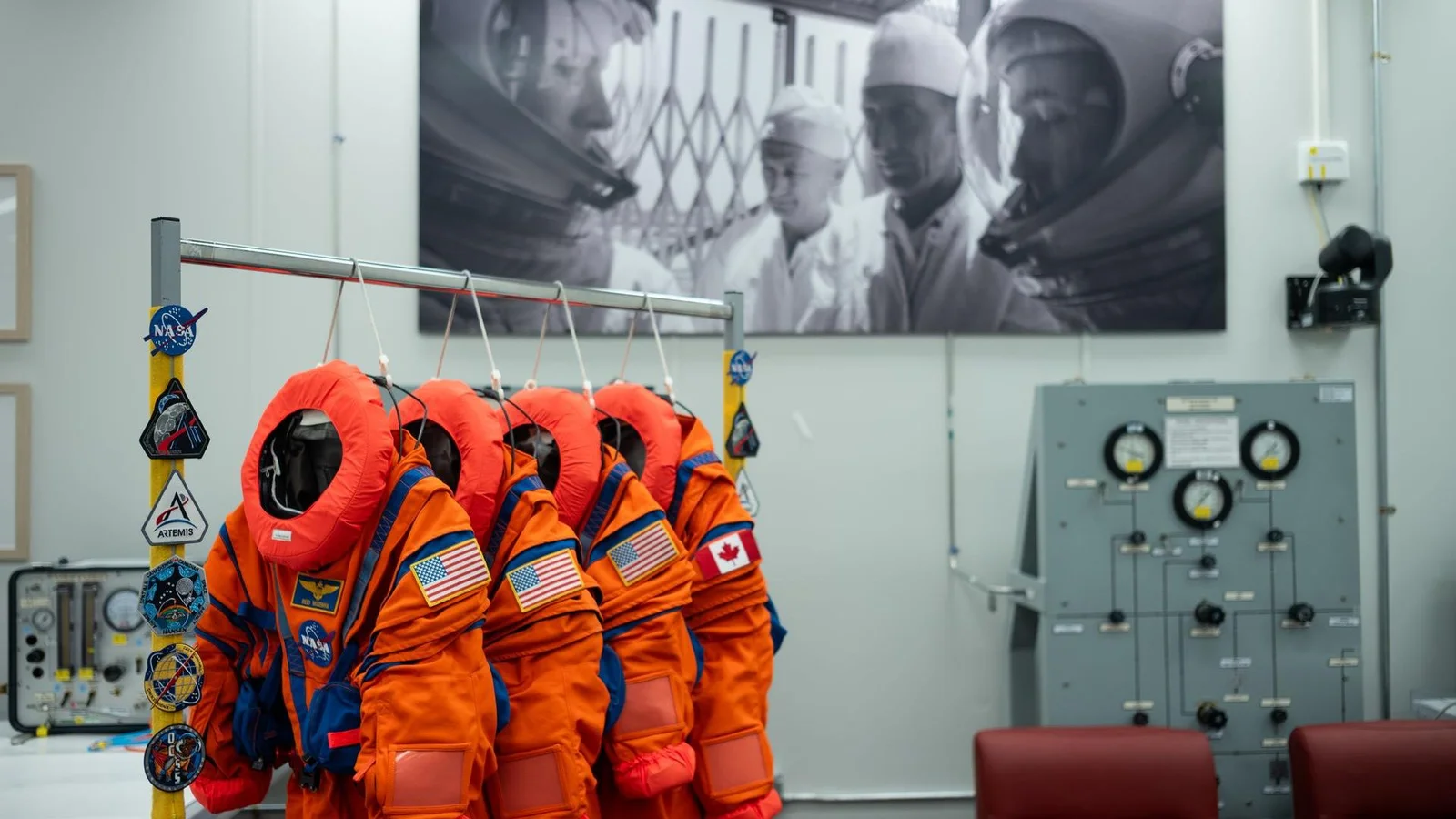
Space.com reports four orange Artemis II spacesuits are staged in the Kennedy Space Center suit-up room as NASA readies a 10‑day lunar flyby aboard the Orion spacecraft. The suits are designed to protect astronauts inside Orion during launch, ascent, in‑space contingencies and reentry, not for walking on the Moon. The crew—Commander Reid Wiseman, Pilot Victor Glover, Christina Koch (NASA) and Jeremy Hansen (CSA)—will have their suit fittings and connections checked in a controlled sequence to validate life‑support interfaces ahead of future missions like Artemis III and IV.
NASA is preparing Artemis II’s Space Launch System for a crucial wet-dress rehearsal at Kennedy Space Center, fueling the rocket during a countdown test scheduled for Feb. 2, with pad crews taking their stations about 49 hours before T-0. The exercise, at Launch Pad 39A, aims to validate fueling and countdown procedures ahead of the Feb. 8–11 launch window for the crewed lunar mission, though weather and readiness could still shift the timeline and impact related operations like the ISS Crew-12 schedule.
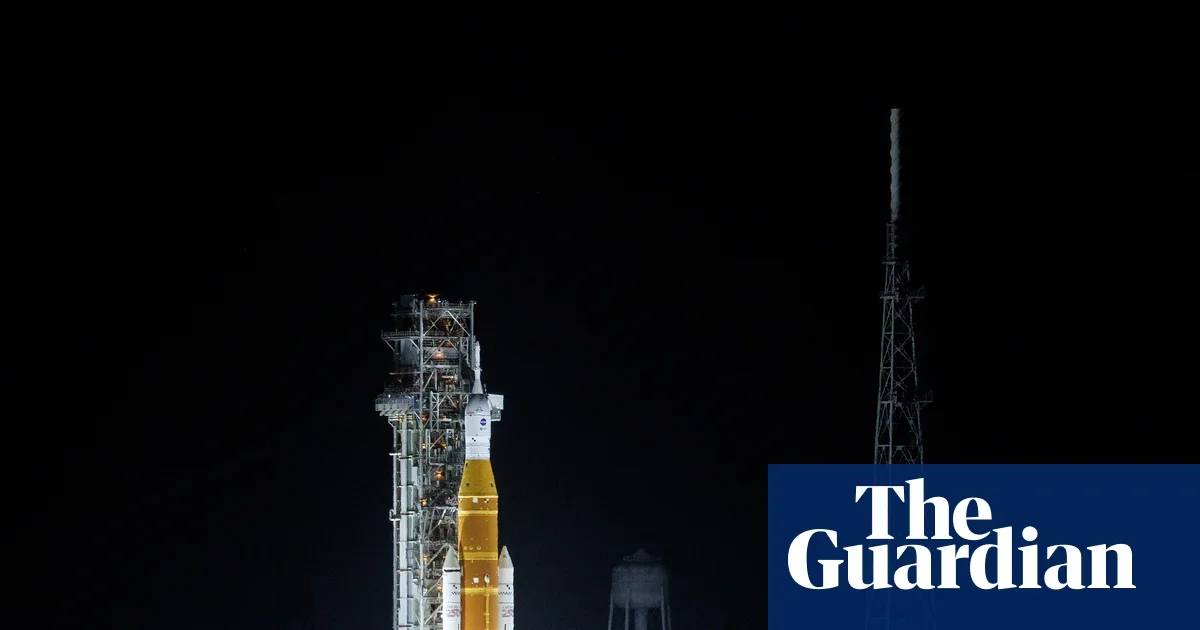
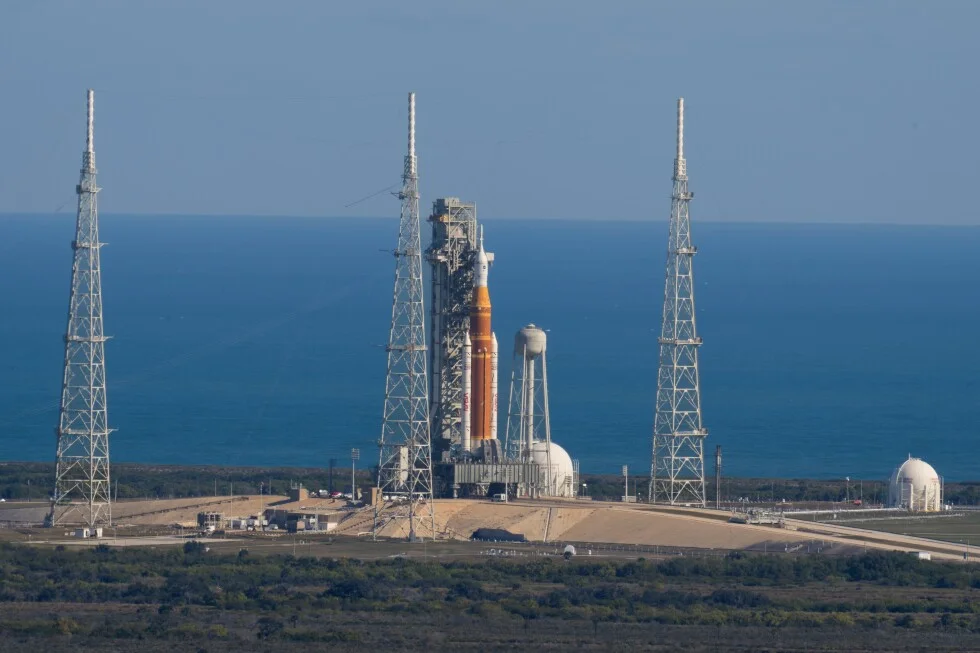
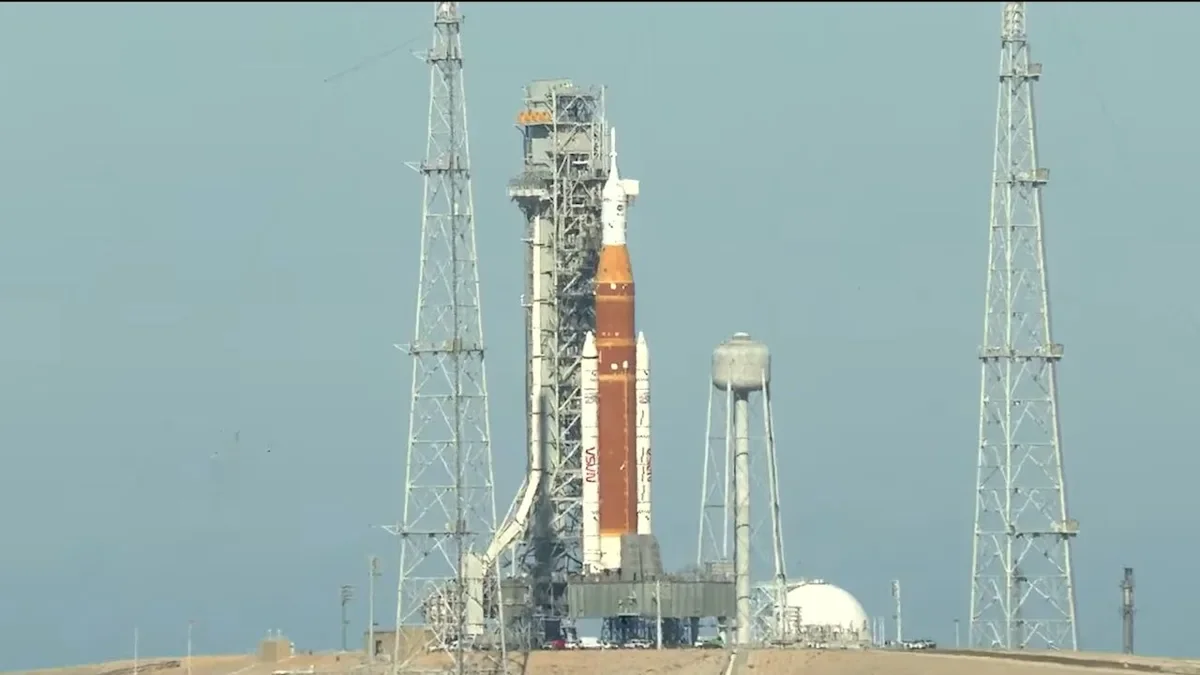
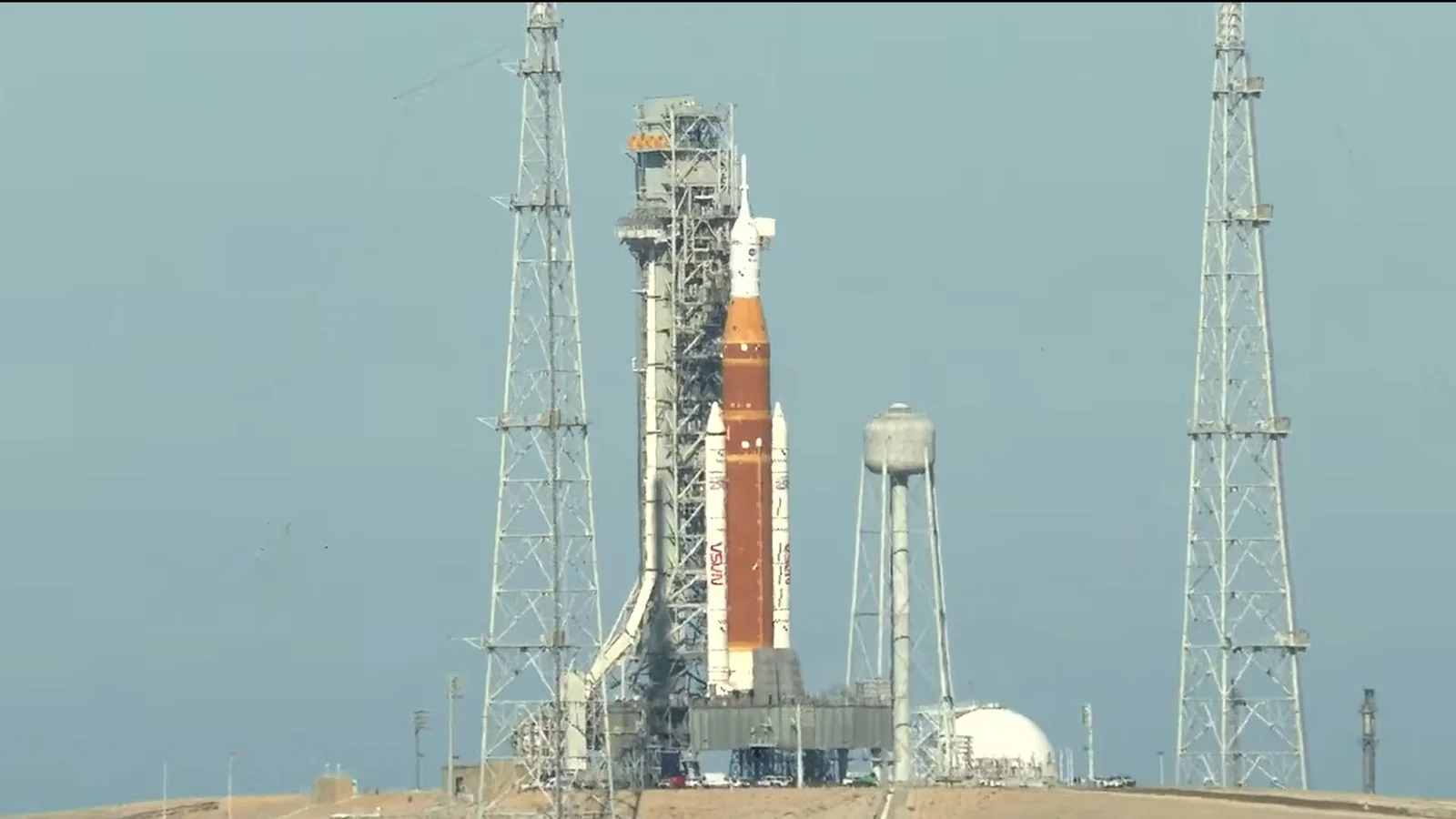
NASA’s Artemis 2 Space Launch System rocket sits on Launch Pad 39B at Kennedy Space Center with a 24/7 livestream tracking prep for a February 6 target. The 10‑day crewed mission will loop four astronauts—Reid Wiseman, Victor Glover, Christina Koch, and Canadian Jeremy Hansen—around the Moon after a wet dress rehearsal, with backup launch windows possible in February–April if needed. The streams offer continuous visibility, though views can be obscured by Atlantic fog; the mission would mark milestones including Glover as the first person of color to leave LEO, Koch as the first woman, and Hansen as the first Canadian to travel on Artemis.
NASA's Artemis 2 mission rocket sits on Launch Complex-39B at Kennedy Space Center with a 24/7 livestream tracking progress, as the agency readies a wet dress rehearsal and a no-earlier-than Feb. 6 launch that will carry four astronauts—Reid Wiseman, Victor Glover, Christina Koch and Jeremy Hansen—around the Moon to test the SLS/Orion system ahead of Artemis 3.
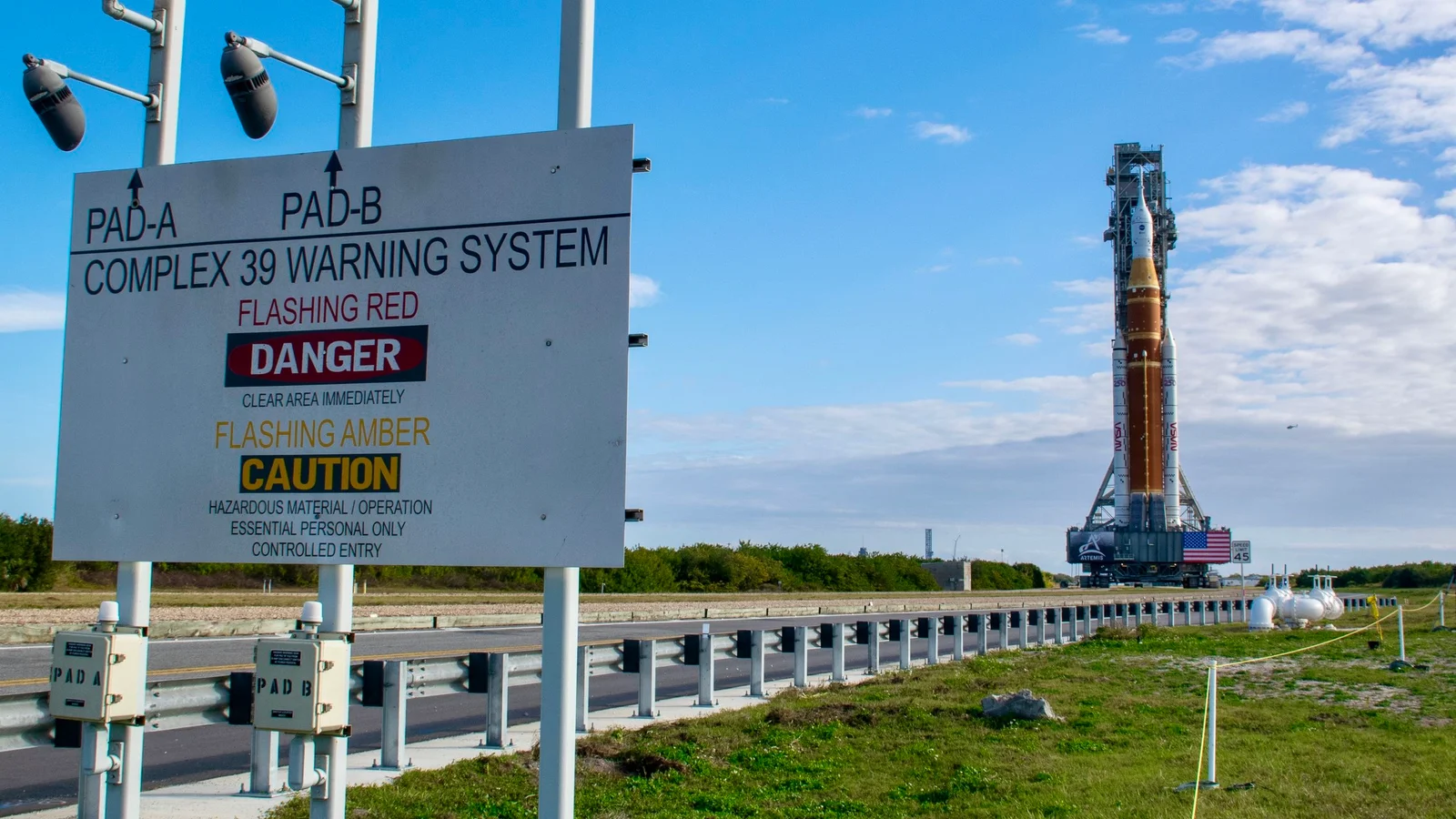
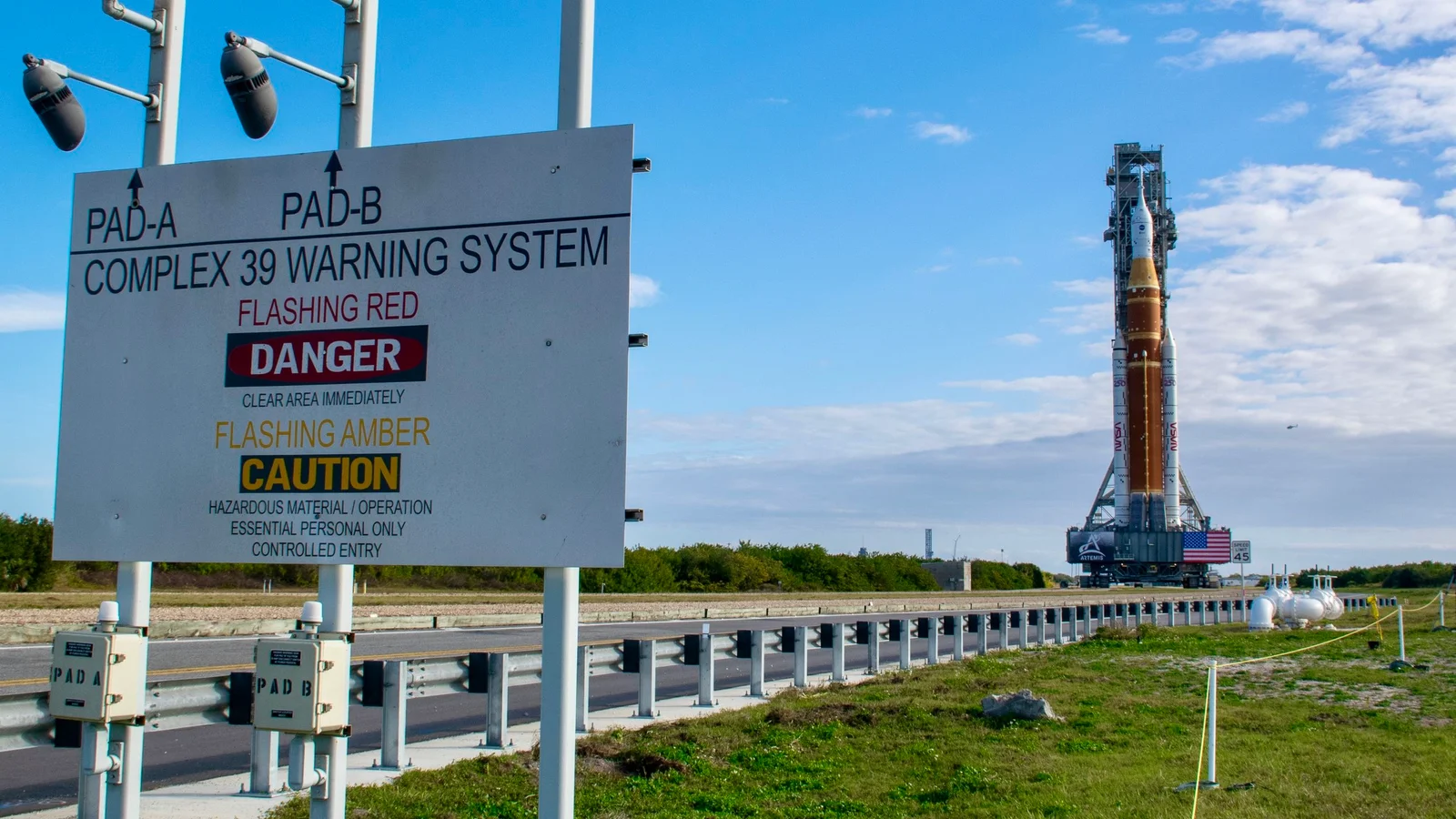
NASA moved the Artemis II stack—the 322-foot Space Launch System rocket with the Orion crewed spacecraft—from the Vehicle Assembly Building to Launch Pad 39B at Kennedy Space Center in Florida. The rollout on Jan. 17, 2026 sets the stage for a February mission to orbit the Moon with four astronauts, including a fueling test (wet dress rehearsal) planned for Feb. 2 and a launch window between Feb. 6–10. If February proves tight, NASA has backup opportunities in March or April, making Artemis II NASA’s first crewed lunar mission in more than 50 years a pivotal milestone.
NASA is rolling the Space Launch System and Orion from the Vehicle Assembly Building to Launch Pad 39B at Kennedy Space Center in an estimated 8–10 hour rollout, with live coverage starting at 7 a.m. ET on Jan. 17. After rollout, engineers will retract the crew access arm, connect ground systems, and conduct initial checks ahead of a Feb. 2 wet dress rehearsal and a targeted early-February launch window (Feb. 6) for Artemis 2, with backup dates in February, March, and April. Artemis 2 will carry four astronauts—Reid Wiseman, Victor Glover, Christina Koch, and Jeremy Hansen—and is a key stepping stone toward Artemis 3 and a 2026 Moon landing, with safety as NASA’s top priority.