American investor Josh Goldman is planning to expand KoBold Metals' operations into Congo, attracted by its vast mineral wealth, despite ongoing conflicts in the region.
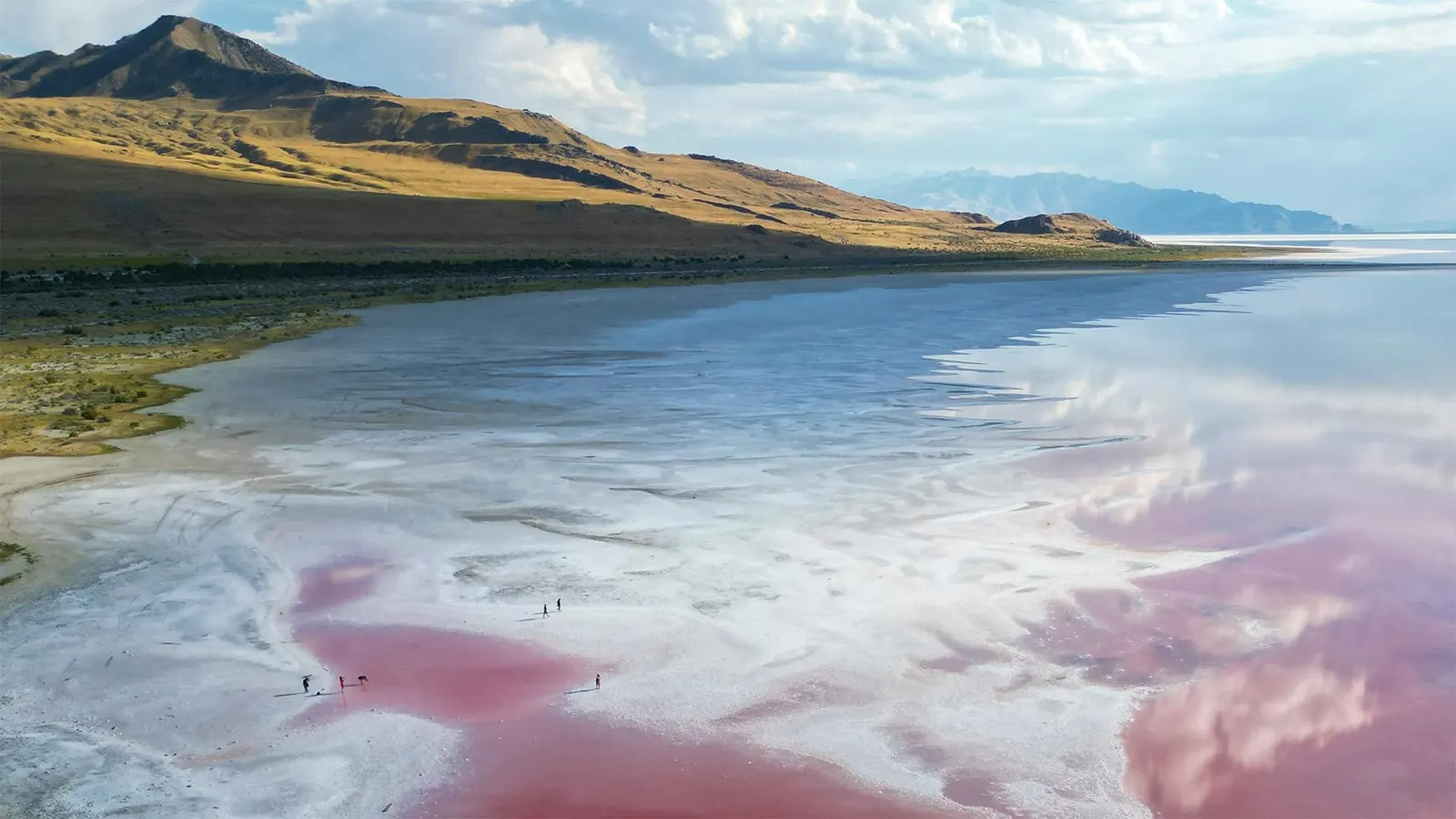
Silicon Valley startup Lilac Solutions plans to raise $250 million to build a facility at the Great Salt Lake to extract lithium from brine using a cheaper, environmentally friendly method, potentially transforming U.S. lithium supply and supporting the growing demand for batteries driven by electric vehicles and energy storage.
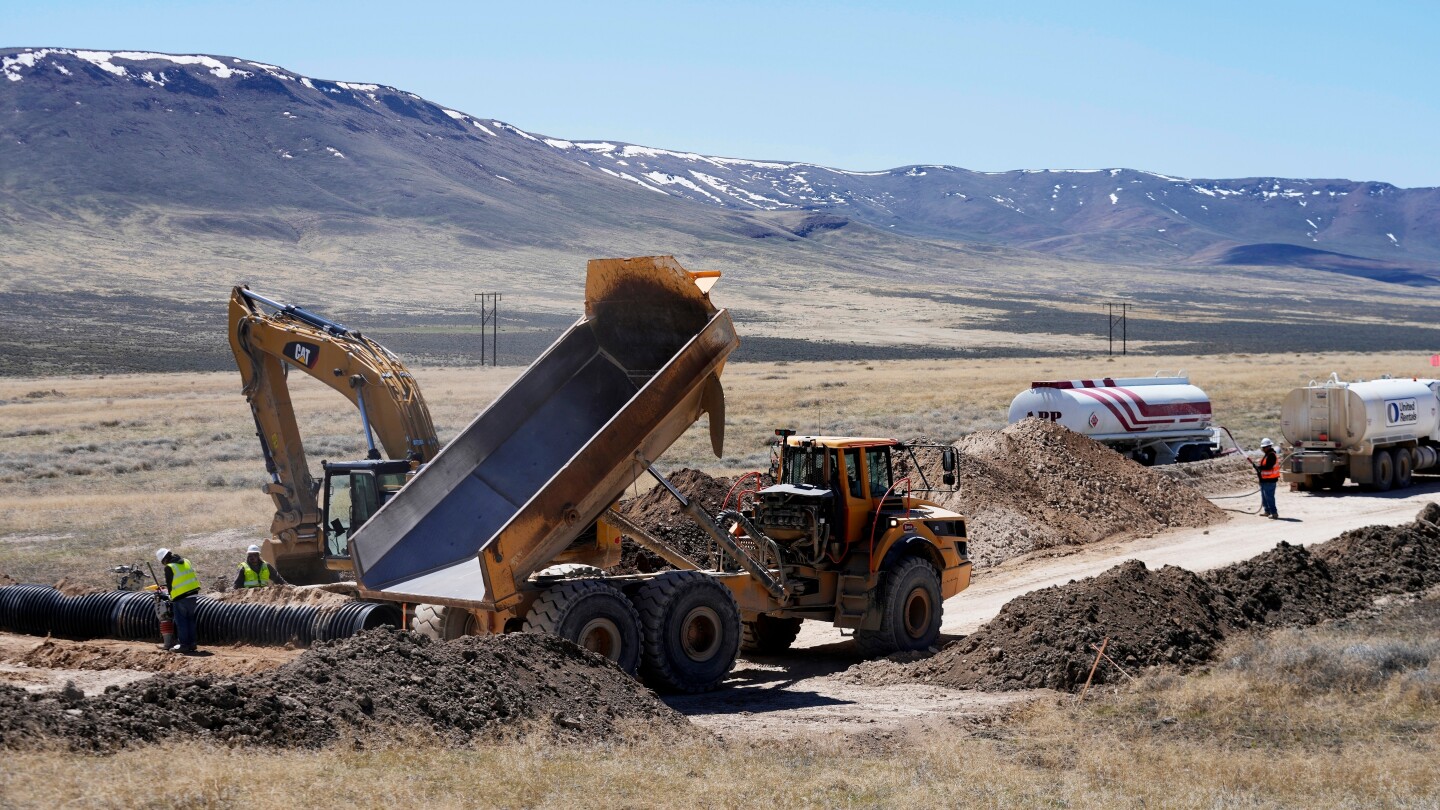
The US government is taking a 5% equity stake in Lithium Americas, which is developing the Thacker Pass lithium mine in Nevada, aiming to boost domestic lithium production for batteries and reduce reliance on foreign sources, amidst environmental and indigenous rights concerns.
The US government is taking a 5% stake in Lithium Americas and its Thacker Pass lithium project in Nevada to reduce dependence on China for critical minerals, supporting domestic lithium production crucial for electric vehicle batteries, with significant investments and federal loans backing the project.
Germany's Altmark region has discovered one of the world's largest lithium deposits, with 43 million tons of lithium carbonate equivalent, positioning the country as a major player in the global lithium market. Neptune Energy plans to use environmentally friendly direct lithium extraction techniques to minimize ecological impact, supporting Germany's transition to sustainable energy resources and boosting its role in the electric vehicle battery supply chain.
2025 has seen promising advances in Alzheimer's research, including the FDA-approved blood test for early detection, evidence that lifestyle changes can improve cognition, increased focus on inflammation's role, vaccines potentially reducing dementia risk, and new links between lithium and neuroprotection, all of which could significantly impact diagnosis, prevention, and treatment.
Albemarle's stock (ALB) dropped 11% following news that China is restarting a lithium mine, impacting the company's market value due to concerns over lithium supply and demand dynamics.
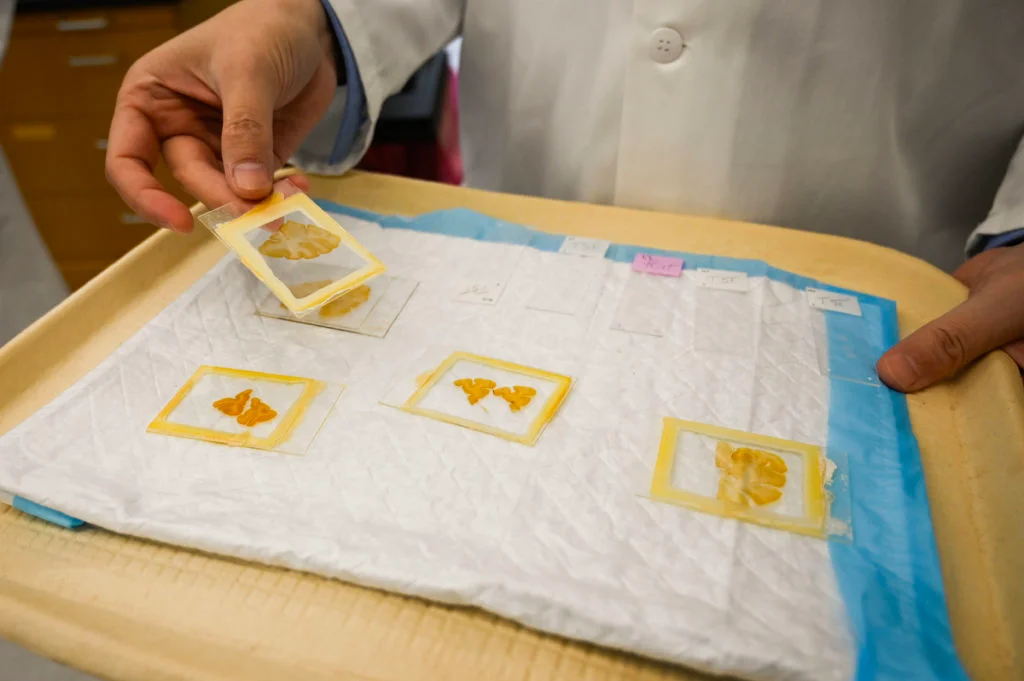
New research suggests that lithium, a trace mineral naturally present in the brain, may play a protective role against Alzheimer's disease by regulating harmful proteins and supporting neuron health. Reduced lithium levels are linked to increased risk and progression of Alzheimer's, and supplementing with lithium orotate shows promise in animal studies for preventing or slowing disease development. Further research and clinical trials are needed to confirm its effectiveness in humans.
A Harvard study suggests that naturally occurring lithium in the brain may play a role in preventing Alzheimer's disease, with findings showing lower lithium levels in affected individuals and potential for lithium compounds like lithium orotate to reverse memory loss in mice. However, experts caution that human trials are needed before any treatment recommendations can be made.
Bolivian right-wing candidate Jorge Quiroga has pledged to cancel existing lithium extraction deals with China and Russia if elected, amid a broader campaign focus on economic and diplomatic shifts, as Bolivia's presidential runoff approaches and the country's lithium reserves become a key issue.
A decade-long study suggests that natural lithium in the brain helps prevent Alzheimer's disease by maintaining brain cell health, with lithium loss being an early indicator of the disease. Restoring lithium levels, especially using amyloid-evading compounds like lithium orotate, shows promise in reversing cognitive decline in mouse models, opening new avenues for early diagnosis and treatment. However, human trials are needed to confirm these findings.
A new study suggests that low levels of lithium in the brain are linked to Alzheimer's disease, with findings indicating that lithium naturally occurs in the brain and plays a crucial role in its function. Reduced lithium levels may serve as an early warning sign and a potential target for treatment, as supplementing lithium in animal models reversed brain damage and improved memory, highlighting a promising new approach for Alzheimer's prevention and therapy.
A global lithium glut has led to production halts, notably by Chinese company CATL, causing a rise in lithium prices and stocks, signaling a market rebalancing amid oversupply and falling prices, with potential implications for EV costs and Chinese regulatory actions.
Tesla supplier CATL's decision to idle a major lithium mine in China has caused a sharp rise in lithium stocks and boosted Albemarle, despite concerns over lithium oversupply and potential impacts on EV battery costs. The lithium market is experiencing a short-term rally, but long-term trends remain uncertain amid China's regulatory stance and fluctuating prices. Meanwhile, Tesla's stock continues to perform well, and other lithium-related stocks are also gaining.
Lithium prices and stocks surged after CATL shut down a major Chinese lithium mine, sparking speculation of supply constraints amid broader industry concerns over overcapacity and regulatory crackdowns, with the market reacting strongly to the potential reduction in global lithium output.